Admin
Admin
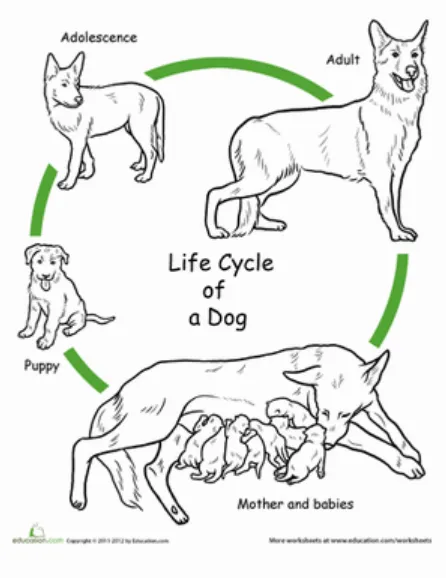
The dog life cycle explains how a dog develops from a tiny newborn puppy into a mature adult and eventually an elderly companion. Dogs are among the most familiar mammals in the world, but their growth pattern is still closely linked to biology, behaviour, genetics, nutrition, reproduction, and survival.
A dog’s life cycle varies by breed. Small dog breeds usually mature faster and often live longer, while large breeds such as the Bernese Mountain Dog and Newfoundland dog may grow more slowly but have shorter average lifespans. This makes the dog life cycle an interesting topic for pet owners, students, animal lovers, and anyone studying mammals.
Understanding each stage helps people provide better food, health care, training, and emotional support. It also helps us understand how dogs evolved from wild ancestors into loyal animals that now live closely with humans.
Q: What are the main stages of the dog’s life cycle?
A: The main stages are newborn puppy, puppyhood, adolescence, adulthood, and senior age.
Q: How long does a dog usually live?
A: Most dogs live around 10 to 13 years, but lifespan depends on breed, size, genetics, diet, and health care.
Q: When does a dog become an adult?
A: Small dogs may become adults around 9 to 12 months, while large breeds may take 18 to 24 months to mature fully.
Quick Life Cycle Table
| Life Cycle Stage | Approximate Age Range | Main Physical Changes | Behavioural Development | Care Needs |
| Newborn Puppy | Birth to 2 weeks | Eyes and ears closed, weak movement, and depends on the mother | Sleeps most of the time, uses smell and touch | Warmth, mother’s milk, safe nesting area |
| Transitional Puppy | 2 to 4 weeks | Eyes open, hearing develops, and the child starts walking | Begins exploring and reacting to surroundings | Gentle handling, clean environment, and early observation |
| Socialisation Stage | 4 to 12 weeks | Teeth appear, stronger legs, and more active movement | Learns from mother, littermates, and humans | Safe socialisation, first training, vet checkups |
| Juvenile Stage | 3 to 6 months | Rapid growth, baby teeth replaced, better coordination | Curious, playful, and starts learning rules | Balanced food, vaccination, basic obedience |
| Adolescence | 6 to 18 months | Sexual maturity begins, and muscles develop | May test boundaries, high energy, strong instincts | Consistent training, exercise, and social control |
| Adult Dog | 1 to 7 years | Fully developed body, stable weight, and strength | More predictable behaviour and personality | Routine health care, proper diet, and mental stimulation |
| Senior Dog | 7 years and above | Slower movement, grey hair, lower stamina | May become calmer, sometimes anxious, or less active | Joint care, softer food, regular vet monitoring |
Important Things That You Need To Know
When learning about the dog life cycle, it is helpful to understand that dogs are extremely diverse. A tiny toy breed and a large working breed can belong to the same species, yet grow, mature, and age differently.
Different dog breeds have been shaped by selective breeding. Some were developed for guarding, others for hunting, herding, rescue work, companionship, or pulling heavy loads. This is why body size, coat type, energy level, and behaviour can vary widely.
The Bernese Mountain Dog is a large working breed known for its strength, calm temperament, and thick coat. Because it is a large breed, its growth stage is usually longer, and joint health is very important during puppyhood.
The Newfoundland dog is another large breed famous for its water rescue ability, powerful swimming, and gentle behaviour. Its life cycle requires careful weight management, as larger bodies place extra pressure on bones and joints.
The pitbull is often discussed for its strength, loyalty, and muscular build. Like all dogs, its behaviour depends heavily on genetics, training, socialisation, environment, and responsible ownership.
The term “Farmer’s Dog” is commonly associated with fresh dog food and modern pet nutrition discussions. Proper nutrition affects every stage of a dog’s life cycle, from puppy growth to senior health.
Courage the Cowardly Dog is a fictional cartoon character, not a real biological breed. However, the phrase appears in dog-related searches because dogs are also strong cultural symbols of loyalty, emotion, fear, bravery, and companionship.
The History of Their Scientific Naming
The domestic dog is scientifically known as Canis lupus familiaris. This name shows that dogs are closely related to the grey wolf, Canis lupus.
Important points about their scientific naming:
- Canis is the genus name. It includes wolves, dogs, coyotes, and jackals.
- Lupus refers to the wolf species.
- Familiaris means ‘domesticated’ or ‘familiar,’ indicating the dog’s close relationship with humans.
- Earlier, many scientists used Canis familiaris as a separate species name.
- Modern classification often places domestic dogs as a subspecies of the grey wolf.
- This naming reflects both biological ancestry and domestication history.
- The name also helps researchers compare dog behaviour, genetics, anatomy, and evolution with wild canids.
Scientific naming is important because common names can vary by country or language, but Canis lupus familiaris gives dogs one clear biological identity. It connects all dogs, from small companion breeds to giant working breeds, under one recognised scientific classification.
Their Evolution And Their Origin
The origin of dogs is closely connected to ancient wolves. Dogs are believed to be the first animal species domesticated by humans. Their evolution began thousands of years ago when some wolves started living near human settlements.
These early wolves may have scavenged leftover food around human camps. Wolves that were less fearful and less aggressive had a better chance of surviving near humans. Over many generations, these animals became calmer, more social, and more dependent on human environments.
This gradual process led to the development of early domestic dogs. Humans also benefited from this relationship. Dogs helped with hunting, guarding, warning of danger, tracking animals, and, later, herding livestock.
As human societies changed, so did dogs. Selective breeding created variations in body size, coat type, instincts, and working ability. This is why modern dog breeds can look so different while still belonging to the same species.
A Newfoundland dog, a Bernese Mountain Dog, and a small lap dog may appear very different, but they share the same ancient evolutionary connection. Their origin shows how natural selection and human selection worked together.
The dog’s life cycle today still reflects this evolutionary past. Puppies depend on social learning; adults form strong group bonds; and many dogs retain instincts for scent tracking, guarding, chasing, and cooperation.
Their main food and its collection process
Dogs are biologically classified as carnivorous mammals, but domestic dogs are better described as adaptable omnivore-like feeders. They can eat animal-based foods and some plant-based ingredients when properly prepared.
Their food-gathering process has changed greatly from that of their wild ancestors to modern domestic life.
Key points about dog food and collection:
- Wild ancestors hunted small animals, scavenged leftovers, and sometimes consumed plant matter.
- Early dogs likely survived by eating food waste near human settlements.
- Modern dogs usually depend on humans for regular meals.
- Puppies need nutrient-rich food to support bone, muscle, brain, and immune development.
- Adult dogs need a balanced diet of protein, fat, carbohydrates, vitamins, minerals, and clean water.
- Senior dogs may need softer food, joint-supporting nutrients, and controlled calories.
- Working dogs often require more energy than less active companion dogs.
- Large breeds need careful feeding to avoid excessive weight gain and joint stress.
A dog’s main food sources may include meat, fish, eggs, grains, vegetables, and specially formulated dog food. However, not all human foods are safe for dogs. Chocolate, grapes, raisins, onions, garlic, and excessively fatty foods can be dangerous.
In nature, canids search, hunt, smell, track, dig, and scavenge to find food. In domestic homes, this natural food-seeking behaviour often appears as sniffing, chewing, begging, or searching around kitchens. Proper feeding and mental enrichment help keep dogs healthy and satisfied.
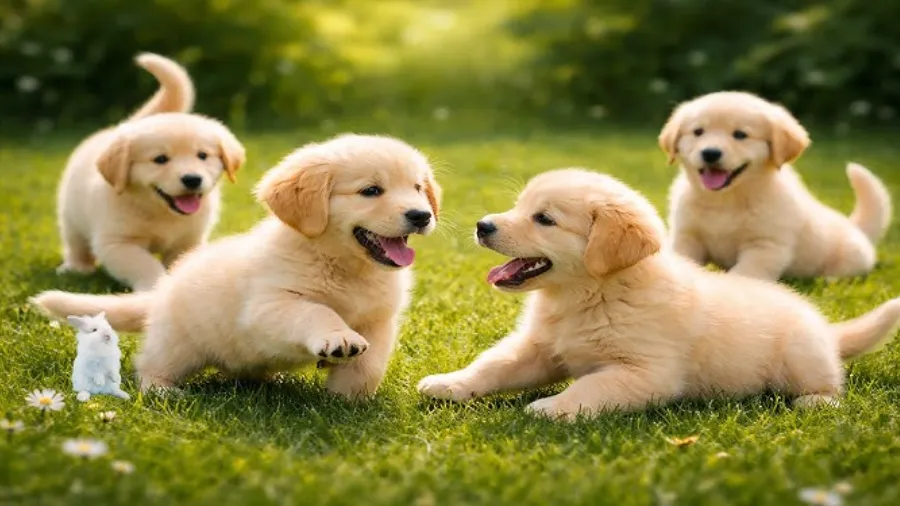
Their life cycle and ability to survive in nature
Newborn survival
The first stage of the dog’s life cycle is the newborn puppy stage. Puppies are born blind, deaf, and unable to regulate body temperature properly. They survive through their mother’s warmth, milk, cleaning, and protection.
At this stage, survival depends almost completely on the mother and the safety of the den or home environment.
Puppy growth and learning
During puppyhood, dogs begin to walk, hear, see, play, and interact. This is one of the most important stages because puppies learn social signals from their mother, littermates, humans, and surroundings.
A well-socialised puppy has a better chance of becoming a confident adult dog.
Adolescent survival skills
Adolescence is the stage where energy, curiosity, and independence increase. In nature, young canids would learn hunting, warning signals, pack behaviour, and territory awareness.
Domestic adolescent dogs need training, exercise, and boundaries to manage this powerful developmental period.
Adult strength and adaptation
An adult dog has stronger muscles, better coordination, developed senses, and more stable behaviour. Dogs survive well because they have excellent senses of smell, hearing, and memory, as well as social intelligence and adaptability.
Senior stage
Senior dogs become slower and more vulnerable. In nature, old animals face more survival challenges. In human care, senior dogs can live comfortably with a proper diet, medical support, warmth, and emotional care.
Their Reproductive Process and raising their children
Dogs reproduce through sexual reproduction. Male and female dogs become sexually mature during adolescence, but the timing varies by breed, size, health, and environment.
Important points about reproduction and raising puppies:
- Female dogs usually experience a heat cycle, also called estrus.
- Small breeds may reach sexual maturity earlier than large breeds.
- Large breeds may need more time before their bodies are fully ready for healthy reproduction.
- After mating, pregnancy usually lasts around 63 days.
- A pregnant female dog needs proper nutrition, rest, clean space, and veterinary monitoring.
- Puppies are usually born in a litter, and litter size depends on breed and body size.
- Newborn puppies rely on the mother for milk, warmth, cleaning, and protection.
- The first milk, called colostrum, helps support early immunity.
- Puppies gradually open their eyes and ears after the first couple of weeks.
- Weaning usually begins when puppies start eating soft food while still nursing.
- Social learning begins early through play, touch, scent, and sound.
- Responsible breeding avoids unhealthy pairings and reduces the risk of inherited diseases.
Mother dogs usually show strong maternal instincts. They lick puppies to clean them, stimulate breathing, and help them eliminate waste. As puppies grow, the mother also teaches boundaries through body language and correction.
Human caregivers play an important role, too. They must provide a clean birthing area, safe temperature, health checks, and early social exposure. Responsible puppy raising helps create healthy adult dogs with better emotional balance and survival ability.
The importance of them in this Ecosystem
Dogs as social and ecological companions
Dogs are not just pets. They are part of human society and many ecological systems. Their relationship with humans has shaped communities, agriculture, security, rescue work, and emotional well-being.
In rural and urban environments, dogs often act as companions, guards, herders, trackers, and helpers.
Role in protection and warning
Dogs have strong hearing and smell. They can alert humans to danger, strangers, predators, fire, movement, or unusual activity. This protective role has existed for thousands of years.
In farms and villages, dogs may help protect livestock and property.
Role in search and rescue
Some dogs are trained to find missing people, detect disaster victims, locate scents, and assist rescue teams. Breeds with strong scent ability and stamina are especially valuable in these tasks.
Role in emotional health
Dogs support human mental and emotional health. Their companionship can reduce loneliness, encourage exercise, and create routine. Therapy and assistance dogs help people with physical, emotional, and neurological challenges.
Ecological responsibility
Dogs can also affect ecosystems negatively if unmanaged. Free-roaming dogs may disturb wildlife, spread disease, or compete with native animals.
This is why responsible ownership is important. Vaccination, population control, proper training, and safe management allow dogs to remain helpful without damaging the natural balance.
What to do to protect them in nature and save the system for the future
Protecting dogs and the surrounding Ecosystem requires responsible care, public awareness, and humane management. Dogs thrive when humans protect both animal welfare and environmental balance.
Important steps include:
- Provide dogs with clean water, safe shelter, and balanced nutrition.
- Vaccinate dogs against dangerous diseases such as rabies and other infections.
- Avoid abandoning unwanted dogs on streets, in forests, on farms, or in remote areas.
- Support humane spaying and neutering to reduce uncontrolled population growth.
- Keep dogs under control near wildlife zones, nesting areas, and protected forests.
- Train dogs with patience, consistency, and positive behaviour methods.
- Do not encourage aggressive behaviour or irresponsible breeding.
- Give puppies proper socialisation during early life.
- Protect large breeds from overfeeding and excessive joint pressure.
- Provide regular veterinary care for puppies, adults, and senior dogs.
- Report animal cruelty, illegal breeding, and neglect.
- Keep domestic dogs away from wild animals to reduce disease transmission.
- Support shelters, rescue groups, and adoption programmes.
- Educate children about safe, kind interactions with dogs.
- Respect local animal welfare laws and community safety rules.
The future of dogs depends on responsible human action. A healthy dog population benefits not only pet owners but also public health, wildlife protection, and community safety.

Frequently Asked Questions (FAQs)
Q: What is the dog’s life cycle?
A: The dog life cycle is the complete growth journey of a dog from birth to old age. It includes the newborn stage, puppyhood, adolescence, adulthood, and the senior stage. Each stage has different physical, behavioural, nutritional, and health needs.
Q: How many stages are in a dog’s life cycle?
A: A dog’s life cycle usually has five main stages: newborn puppy, puppy, adolescent, adult, and senior dog. Some experts also divide puppyhood into smaller stages, such as transitional, socialisation, and juvenile periods.
Q: How long is a dog considered a puppy?
A: Most dogs are considered puppies until about 6 to 12 months of age. However, large breeds such as the Bernese Mountain Dog or Newfoundland dog may continue growing and maturing until around 18 to 24 months.
Q: When does a dog become sexually mature?
A: Many dogs become sexually mature between 6 and 12 months, but this varies by breed and size. Small breeds often mature earlier, while large breeds mature later. Sexual maturity does not always mean a dog is physically or emotionally ready for breeding.
Q: Why do small dogs often live longer than large dogs?
A: Small dogs usually have slower age-related body stress compared with giant breeds. Large dogs grow quickly and put more strain on their joints, hearts, and other body systems. Genetics, diet, exercise, and medical care also affect lifespan.
Q: What food is best during the dog’s life cycle?
A: Puppies need growth-supporting food, adult dogs need balanced maintenance food, and senior dogs may need easier-to-digest meals with controlled calories. The best food depends on age, breed, activity level, health condition, and veterinary advice.
Q: Are all dog breeds’ life cycles the same?
A: The basic stages are the same, but timing differs. Small dog breeds mature faster and may live longer. Large breeds grow more slowly and may need special care for bones, joints, and weight management during development.
Q: How can owners help dogs live longer?
A: Owners can support longer life by providing balanced food, regular exercise, vaccination, parasite control, dental care, safe housing, mental stimulation, and routine veterinary checkups. Love, training, and stress-free living also improve quality of life.
Conclusion
The dog’s life cycle is a complete journey of growth, learning, reproduction, maturity, and ageing. From a helpless newborn puppy to a strong adult and later a gentle senior, every stage has special needs. Understanding these stages helps people care for dogs with more knowledge and responsibility.
Dogs are more than domestic animals. They are companions, protectors, workers, rescue helpers, and emotional supporters. Their scientific name, Canis lupus familiaris, connects them to their wolf ancestry, while their modern life shows the power of domestication and human partnership.
Whether discussing common dog breeds, large breeds like the Newfoundland, loyal working dogs, or family pets, one truth remains clear: dogs depend on responsible human care. Proper food, training, health support, and protection allow them to live better lives while maintaining balance with nature and the Ecosystem.
Also Read: fish life cycle