Admin
Admin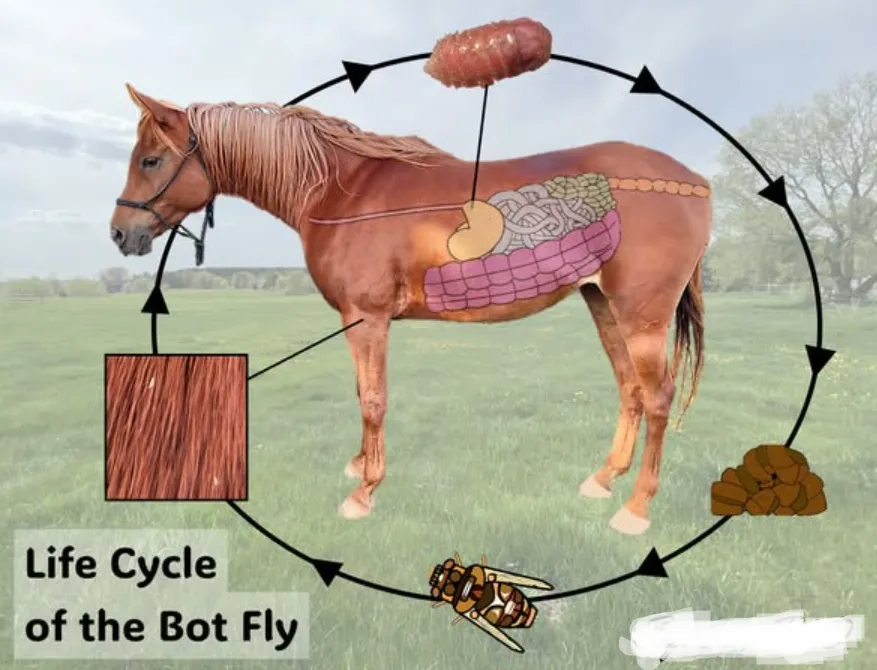
The horse fly larva life cycle is one of the most interesting parts of the biology of horse flies, also called tabanids. These insects belong to the family Tabanidae under the order Diptera, the group of true flies. Adult horse flies are well known because females can deliver painful bites to mammals, including horses, cattle, and deer, and sometimes to humans. However, their larval stage is less familiar and far more hidden.
A horse fly larva usually lives in wet soil, marshy edges, pond margins, stream banks, rotting vegetation, or other moist habitats. Unlike the adult, the larva does not fly, bite livestock, or drink blood. Instead, it lives as a segmented, worm-like maggot that often feeds on small soft-bodied animals such as worms, insect larvae, and other invertebrates. Horse flies go through complete metamorphosis: egg, larva, pupa, and adult. In many species, the larval stage is the longest part of the life cycle and may last months or even longer, depending on climate and species.
Q: What is the horse fly larva life cycle?
A: The horse fly larva life cycle includes four main stages: egg, larva, pupa, and adult horse fly. Eggs are usually laid near water or damp soil. Larvae hatch and live in moist habitats before pupating and emerging as adult flies.
Q: How many prolegs does a horse fly larva have?
A: A horse fly larva has no true jointed legs. It has fleshy pseudopods, often called prolegs. In many horse fly larvae, diagnostic descriptions mention four pairs of pseudopods on each of the first seven abdominal segments. However, this can vary by group and should not be confused with caterpillar prolegs.
Q: Are horse fly larvae harmful?
A: Horse fly larvae are usually not harmful to humans because they live hidden in wet soil or aquatic/semi-aquatic habitats. They can be predatory toward small invertebrates, while adult female horse flies are the biting stage.
Quick Life Cycle Table
| Life Cycle Stage | Main Features | Habitat | Duration |
| Egg | Laid in clusters, often on vegetation, stones, or objects near water | Near ponds, marshes, streams, wet soil | Usually, several days to about two weeks, depending on species and temperature |
| Larva | Worm-like, segmented, without true legs; has fleshy pseudopods or proleg-like rings. | Damp soil, mud, marsh edges, aquatic or semi-aquatic places | Often several months; may overwinter |
| Pupa | Resting transformation stage; adult structures develop inside | Drier soil near larval habitat | Often one to three weeks |
| Adult | Winged fly; males feed on nectar, females often need blood for egg production | Fields, livestock areas, wetlands, forests, open rural land | Commonly, a few weeks to about two months |
Horse flies complete their development through complete metamorphosis, meaning the larva looks very different from the adult. Eggs are often laid above water or damp ground, and larvae drop into the wet habitat after hatching. When mature, larvae usually move toward drier soil before pupation.
The History of Their Scientific Naming
The scientific naming of horse flies is closely connected to their family name, Tabanidae. This family belongs to the order Diptera, meaning “two wings.” True flies have one functional pair of wings and a second pair reduced into small balancing organs called halteres.
The word Tabanus is an old classical name used for large biting flies. Over time, taxonomists grouped related horse flies, deer flies, and clegs into the family Tabanidae because they share similar adult features, larval forms, mouthparts, and life cycles.
Important scientific names related to horse flies include:
- Family: Tabanidae
- Order: Diptera
- Common groups: horse flies, deer flies, and clegs
- Common genera: Tabanus, Hybomitra, Chrysops, and Haematopota
The name horse fly comes from the adult female’s habit of biting large mammals, especially horses and cattle. The larval stage, however, is not a blood-feeding stage. It is usually a hidden, predatory, or partly scavenging maggot in wet natural habitats.
Their Evolution And Their Origin
Horse flies are part of an ancient and successful lineage of true flies. Their evolutionary success comes from a strong separation between larval and adult roles. The larva is adapted for hidden life in mud, wet soil, aquatic margins, and decomposing organic matter. The adult is adapted for flight, mating, dispersal, nectar feeding, and, in females of many species, blood feeding for egg development.
This division reduces competition between the early and adult stages. A horse fly larva does not need the same food as an adult. It can live in soft mud and feed on small organisms, while the adult can fly long distances to find nectar, mates, and hosts.
The family Tabanidae is globally distributed and includes thousands of species. Many species are associated with wetlands, marshes, forests, river edges, livestock areas, and open grasslands. Their larvae are especially linked with aquatic or semi-aquatic habitats, although some species can live in damp soil, rotting wood, or moist vegetation.
Their origin is also connected to the rise of complex wetland ecosystems. In these habitats, larvae could exploit soft-bodied prey, while adults evolved strong flight and host-finding abilities. Female horse flies developed blade-like mouthparts that cut skin and allow blood feeding. This blood meal supports egg development, while males generally remain nectar feeders.
This evolutionary design explains why horse flies are both ecologically important and agriculturally troublesome. Their larvae help regulate small invertebrate populations, while adult females can stress livestock and mechanically transmit some pathogens as they move between hosts.
Important Things That You Need To Know
Several LSI keywords around this topic are often searched because people want clear answers about the anatomy of the horse fly larva. The most important point is that horse fly larvae are true fly larvae, so their body structure is not the same as a caterpillar.
A horse fly larva is usually long, cylindrical, tapering at both ends, and segmented. It has no true jointed legs. Instead, it has fleshy bumps or rings called pseudopods, sometimes casually called prolegs. Therefore, when people ask “how many prolegs does a horse fly larva have?”, the best scientific answer is that it has no true legs, but many descriptions of horse fly larvae mention four pairs of pseudopods on each of the first seven abdominal segments.
A black horse fly larva is usually a darker form or dark-banded larva, not always a separate species. Larvae may appear whitish, tan, brownish, greenish, or darker depending on species, age, mud staining, body contents, and habitat.
Key points to remember:
- Horse fly larvae live mostly in wet soil, mud, or aquatic margins.
- Black horse fly larva may mean a dark-coloured larva or dark-banded tabanid larva.
- The horse fly larva prolegs count should be understood as pseudopods, not as true caterpillar legs.
- The number of prolegs in horse fly larvae may vary by taxonomic group, but horse fly larvae are often described with four pairs of pseudopods on the first seven abdominal segments.
- Horse fly larva prolegs pairs are used more in identification keys than in everyday field observation.
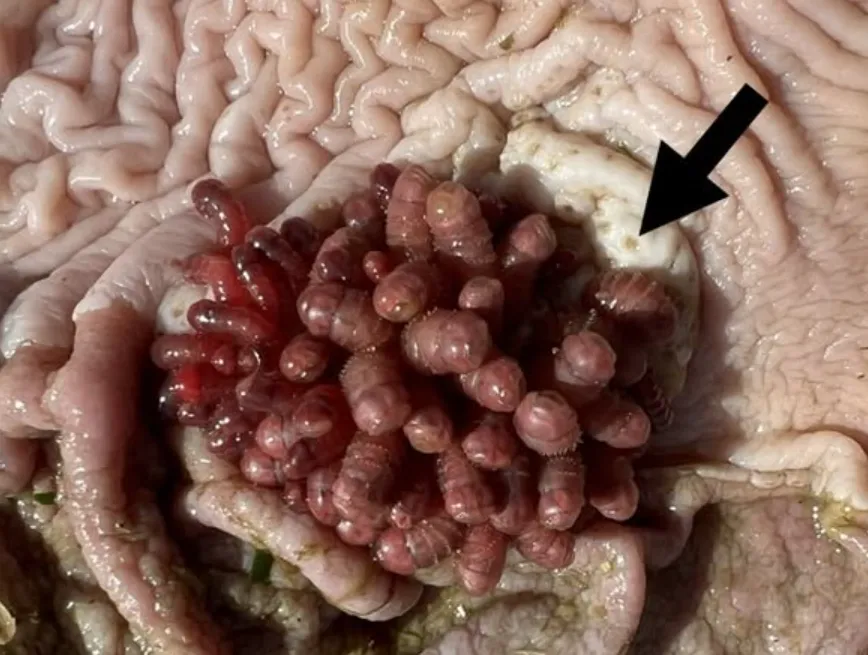
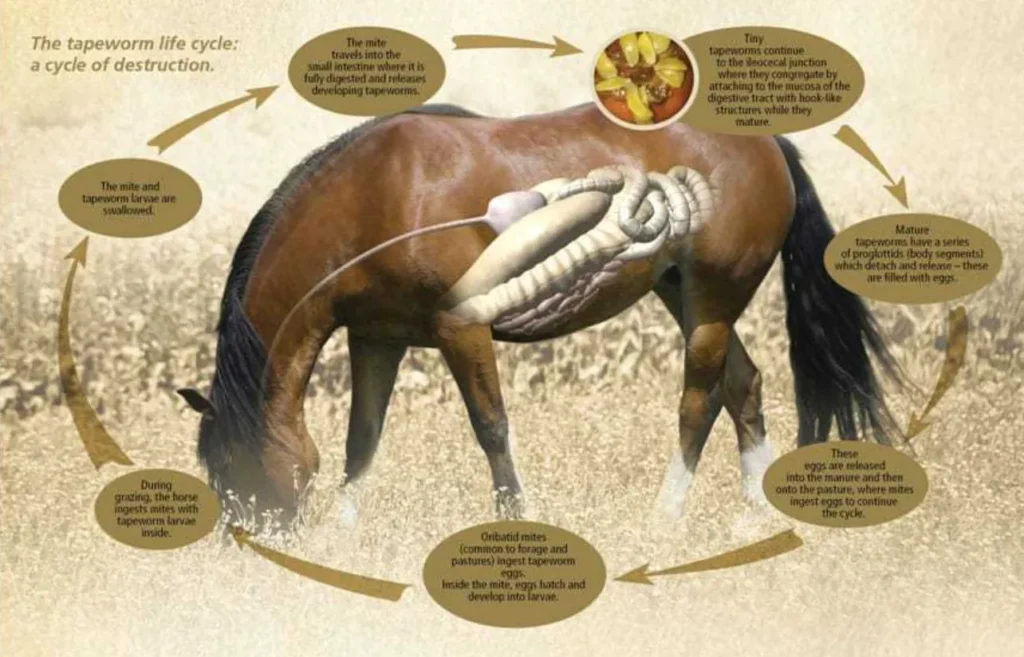
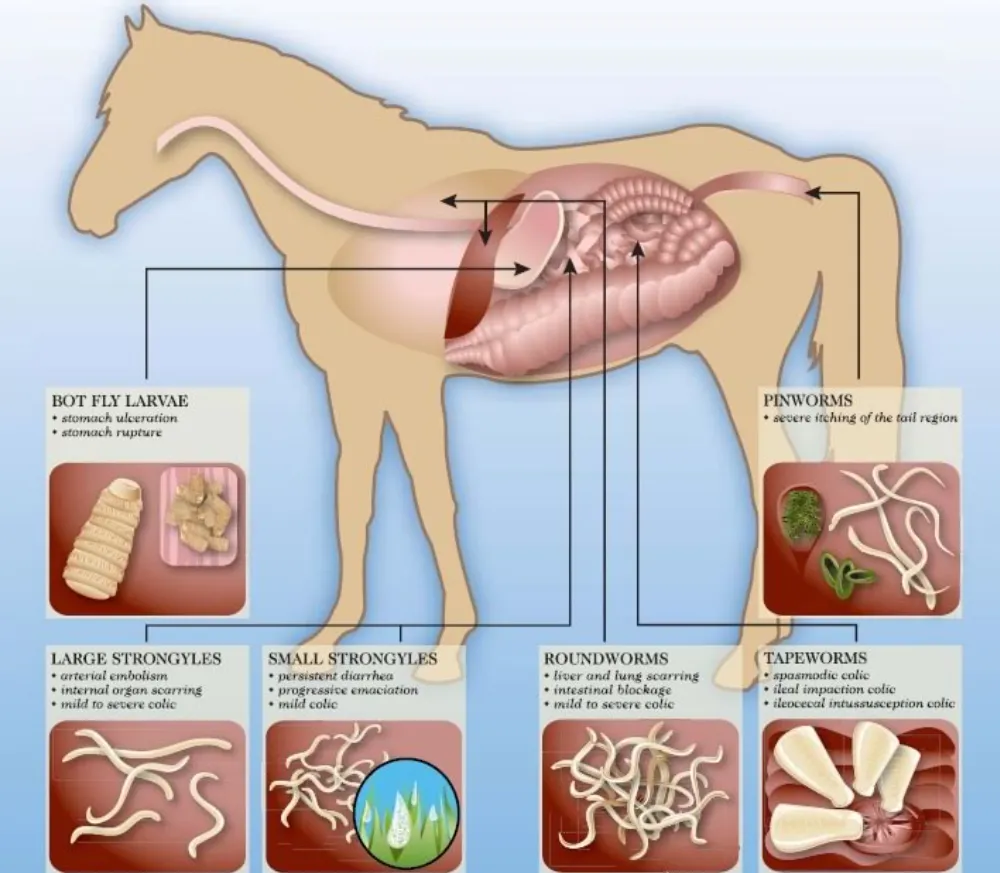
This distinction matters because many people confuse horse fly larvae with botfly larvae, caterpillars, aquatic worms, cranefly larvae, or other fly maggots. A horse fly larva is not a botfly maggot living under the skin. It is usually a free-living larva in moist natural habitats.
Their main food and its collection process
The feeding habit of a horse fly larva is very different from that of the adult female. Adult females often need blood for egg production, but larvae usually feed on small organisms in mud, damp soil, and aquatic margins.
Horse fly larvae are commonly described as predatory. They feed on soft-bodied animals such as worms, insect larvae, small arthropods, and other aquatic or soil invertebrates. Some large species may attack small vertebrates such as tadpoles, although this is not the common image most people have of fly larvae.
Their food collection process includes:
- Searching through mud and wet soil: The larva moves slowly through soft material using body contractions and fleshy pseudopods.
- Detecting soft prey: It uses sensory structures and body contact to detect nearby small organisms.
- Grabbing prey with mouthparts: Horse fly larvae have chewing or tearing mouthparts suited for feeding on animal matter.
- Subduing prey: Some larvae may use saliva or secretions to help weaken prey.
- Feeding in hidden spaces: Larvae often remain concealed under mud, wet leaves, rotting vegetation, or sediment.
This feeding style makes the larva an important small predator in wetland microhabitats. It helps control populations of other tiny animals and contributes to the balance of moist soil and aquatic edge ecosystems.
Larvae may also interact with decaying organic matter indirectly. Even when they feed mainly on living prey, they live in habitats rich in decomposing leaves, algae, mud microbes, and organic debris. This places them inside a complex food web rather than a simple predator-prey chain.
Their life cycle and ability to survive in nature
Egg Stage
The life cycle begins when a fertilized female lays eggs near water or damp soil. Eggs are often placed on vegetation, stones, sticks, or other surfaces overhanging wet places. When they hatch, the larvae drop into mud, water edges, or moist ground below.
Larval Stage
The larval stage is the longest and most hidden part of the life cycle. The larvae live in wet soil, marshes, pond edges, stream margins, or rotting vegetation. They are usually robust, segmented, worm-like, and tapering at both ends. They lack true legs but have fleshy pseudopods or proleg-like rings that help with movement.
Survival Strategy
Horse fly larvae survive by staying hidden. Wet soil protects them from drying out, while mud and vegetation hide them from predators. In temperate climates, larvae may overwinter and delay development until conditions improve. This ability to pause or slow development helps them survive cold or dry periods.
Pupal Stage
When fully grown, the larva usually moves to a drier spot near the soil surface. There it becomes a pupa. Inside the pupal case, the adult body forms, including wings, legs, eyes, and mouthparts.
Adult Stage
The adult emerges from the pupa, expands its wings, and begins searching for nectar, mates, and, in the case of many females, blood meals. The adult stage is more visible, but the larval stage is often more important for long-term survival.
Their Reproductive Process and raising their children
Horse flies do not raise their young in the way birds or mammals do. Instead, their reproductive strategy depends on placing eggs in the right environment so the larvae can survive independently after hatching.
The adult reproductive process usually follows these steps:
- Mating: Males and females mate after emergence. In some species, mating occurs around landmarks, open spaces, or swarm sites.
- Feeding: Males usually feed on nectar. Females also feed on nectar, but many female horse flies need a blood meal to develop eggs successfully.
- Egg development: After feeding, the female’s body converts nutrients into egg production.
- Egg laying: Females lay eggs in clusters on vegetation, stones, or objects close to wet habitats.
- Hatching: Eggs hatch into larvae that fall or crawl into mud, wet soil, or shallow aquatic zones.
- Independent larval life: The young larvae immediately begin surviving on their own.
Female horse flies invest in egg placement rather than parental care. By laying eggs near water or damp soil, they increase the chance that larvae will hatch into a habitat with moisture, shelter, and prey.
Egg masses can contain many eggs, sometimes hundreds, depending on the species. This high egg number is important because many eggs and larvae are eaten by predators, attacked by parasites, or lost due to drying, flooding, or habitat disturbance.
This reproductive strategy is common among many insects: produce many offspring, place them in a suitable habitat, and allow natural selection to favour the strongest survivors.
The importance of them in this Ecosystem
Natural Predators in Wet Habitats
The horse fly larva plays an important role as a small predator. Feeding on worms, insect larvae, and soft-bodied invertebrates helps regulate populations inside wet soil, marshes, and aquatic edge habitats.
Food for Other Animals
Horse fly larvae are also prey. Birds, fish, amphibians, aquatic insects, parasitic wasps, nematodes, and other predators may feed on eggs, larvae, or pupae. This makes horse fly larvae part of the wider food web.
Nutrient Cycling
Because larvae live in mud, wet vegetation, and decomposing organic material, they help move energy through the Ecosystem. Their feeding activity connects small invertebrates, microbes, decaying material, and larger predators.
Adult Pollination
Adult horse flies are not only blood-feeders. Both males and females may feed on nectar, and some horse fly species can contribute to pollination. This is especially important in certain habitats where adult flies visit flowers for energy.
Ecological Balance
Although adult female horse flies can annoy livestock and humans, they are not useless insects. Their larvae help regulate tiny animal communities, and adults become prey for birds, dragonflies, spiders, and other predators.
A balanced ecosystem does not depend only on beautiful or harmless species. Even irritating insects can have meaningful ecological roles when viewed across their full life cycle.
What to do to protect them in nature and save the system for the future
Protecting horse fly larvae does not mean allowing uncontrolled biting around livestock or people. It means protecting the natural balance of wetlands while managing adult fly problems responsibly.
- Protect wetlands and marshes: Horse fly larvae depend on moist habitats. Destroying wetlands removes many insects, amphibians, birds, and aquatic organisms from the Ecosystem.
- Avoid unnecessary pesticide use: Broad-spectrum insecticides can kill non-target insects, including pollinators, predators, and aquatic larvae. Use control methods only when necessary.
- Maintain clean livestock areas: Good manure management, drainage control, and animal shelter planning can reduce adult fly pressure without destroying natural habitats.
- Preserve natural predators: Birds, dragonflies, spiders, frogs, fish, and parasitic insects help keep horse fly populations balanced.
- Reduce stagnant artificial water where needed: Around farms or homes, manage unnecessary stagnant water, but avoid damaging natural ponds, marshes, and streams.
- Use physical protection for animals: Fly sheets, shelters, traps, and timing of outdoor grazing can reduce bites without harming the wider Ecosystem.
- Support wetland restoration: Healthy wetlands filter water, store carbon, support biodiversity, and provide habitat for many species beyond horse flies.
- Learn correct identification: Do not confuse horse fly larvae with botfly larvae, caterpillars, or harmful parasites. Correct identification prevents unnecessary fear and wrong control methods.
- Use integrated pest management: Combine habitat awareness, animal protection, monitoring, and limited chemical control only when needed.
- Respect their ecological role: Even insects that bother humans can be part of a functioning natural system.
Frequently Asked Questions (FAQs)
Q: What is a horse fly larva?
A: A horse fly larva is the immature stage of a horse fly. It is a segmented, worm-like maggot that usually lives in mud, damp soil, marshes, pond edges, stream margins, or wet vegetation.
Q: What does a horse fly larva look like?
A: It usually looks long, cylindrical, soft-bodied, and tapered at both ends. It may be whitish, tan, brownish, greenish, or dark-banded. It has no true jointed legs but may show fleshy rings or pseudopods.
Q: How many prolegs does a horse fly larva have?
A: A horse fly larva has no true legs. However, many descriptions identify four pairs of pseudopods on each of the first seven abdominal segments in horse fly larvae. These are fleshy structures used for movement, not true caterpillar prolegs.
Q: What is the number of prolegs in a horse fly larva?
A: The commonly cited diagnostic answer is four pairs of pseudopods per abdominal segment on the first seven abdominal segments for many horse fly larvae. In simple terms, they have fleshy proleg-like bumps, not true legs.
Q: What is a black horse fly larva?
A: A black horse fly larva usually refers to a dark-coloured or dark-banded larva. Colour can vary by species, age, habitat, and mud staining. It is not always a separate species.
Q: Where do horse fly larvae live?
A: They usually live in aquatic or semi-aquatic habitats, including wet soil, marshes, muddy pond edges, stream banks, rotting vegetation, and damp organic matter.
Q: What do horse fly larvae eat?
A: Many horse fly larvae are predators. They feed on soft-bodied organisms such as worms, insect larvae, and other small invertebrates. Some larger species may attack small amphibians or tadpoles.
Q: Do horse fly larvae bite humans?
A: Horse fly larvae do not normally bite humans in the way adult female horse flies do. The biting stage is the adult female, which cuts skin to feed on blood for egg development.
Conclusion
The horse fly larva life cycle shows how complex and useful even an irritating insect can be. Adult female horse flies are famous for painful bites, but the larval stage is a hidden part of wetland and soil ecosystems. A horse fly larva grows in damp habitats, feeds on small organisms, survives through seasonal changes, and later transforms into a pupa before becoming an adult fly.
Understanding the horse fly larva’s prolegs, habitat, food habits, and development process helps clarify the distinction between horse flies, botflies, caterpillars, and other maggots. The larva has no true legs, but it has fleshy pseudopods or proleg-like rings that help it move through mud and wet soil.
Horse flies can be pests around livestock, but they also support food webs, nutrient cycling, and ecological balance. The best approach is not blind destruction, but informed management, habitat protection, and respect for nature’s interconnected system.
Also Read: strawberry life cycle