Admin
Admin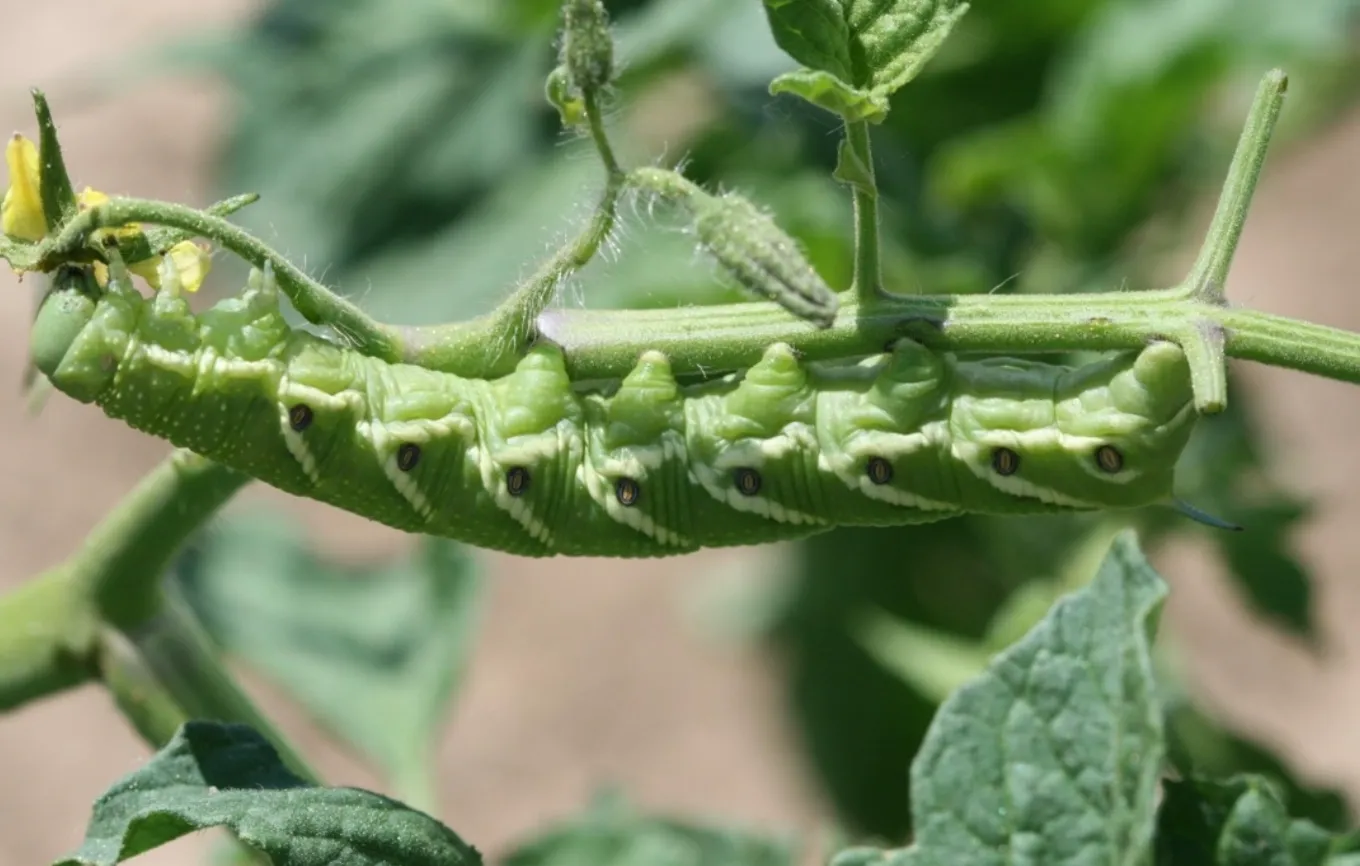
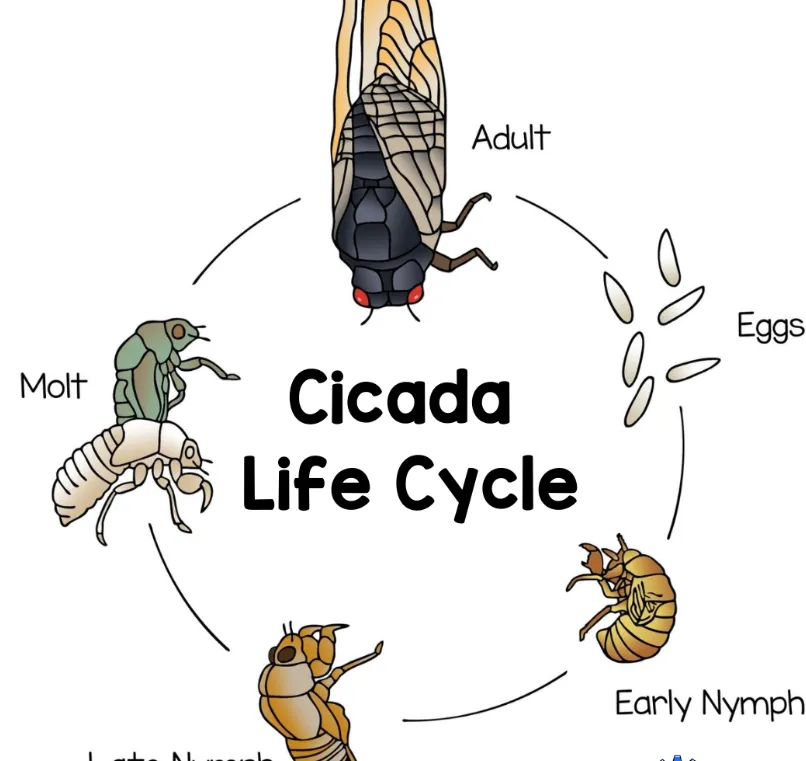
The hornworm life cycle is one of the most fascinating transformations in the garden ecosystem. A tiny pale-green egg becomes a large hornworm caterpillar, then turns into a soil-hidden pupa, and finally emerges as a strong flying hornworm moth.
Most gardeners notice hornworms when they find damaged tomato, tobacco, pepper, potato, or eggplant leaves. These plants belong mainly to the nightshade family, which is why hornworms are strongly connected with tomato gardens and tobacco fields. Extension sources describe tomato and tobacco hornworms as having the same core stages: egg, larva, pupa, and adult moth.
The two most discussed species are the tomato hornworm and the tobacco hornworm. The tomato hornworm is linked with Manduca quinquemaculata, while the tobacco hornworm is linked with Manduca sexta. Both species look similar, but they have different body markings and adult moth features. NC State Extension notes that hornworm eggs are pale green and are usually laid on tobacco leaves. At the same time, Oklahoma State Extension lists tomato, tobacco, eggplant, pepper, potato, and certain weeds as major hosts.
Q: What are the main stages of the hornworm life cycle?
A: The main stages are egg, larva, pupa, and adult moth. The larval stage is the large green caterpillar stage that most gardeners notice.
Q: How long does a hornworm stay as a caterpillar?
A: In warm growing conditions, the hornworm caterpillar usually develops through several larval stages in about three to four weeks before entering the soil to pupate.
Q: Should I kill the tomato hornworm?
A: If it is actively damaging plants, you may remove it by hand. However, if it has white rice-like cocoons on its body, leave it because it is carrying beneficial parasitoid wasps that help control pests naturally.
Quick Life Cycle Table
| Stage | What Happens | Typical Location | Key Identification |
| Egg | A female moth lays single eggs on host plants | Leaf surface of tomato, tobacco, pepper, eggplant, or potato | Small, round, pale green to whitish |
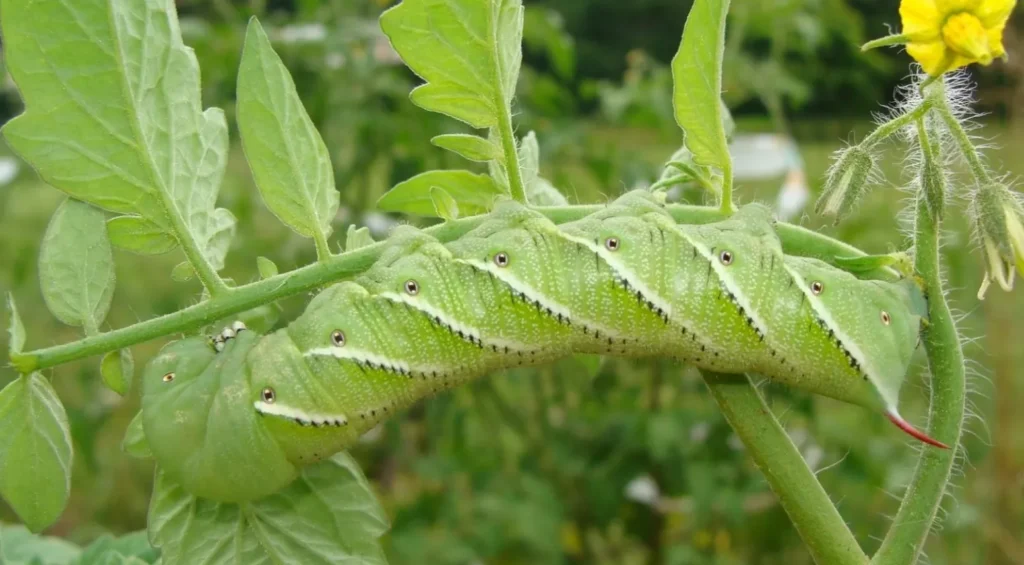
| Larva | The egg hatches into a feeding caterpillar | Leaves and stems of host plants | Large green body, side markings, rear horn |
| Mature Caterpillar | Eats heavily and grows quickly | Mostly on leaves and stems | Can reach a large size and produce dark droppings |
| Pupa | Caterpillar enters the soil and transforms | Underground near host plants | Brown pupa with curved mouthpart case |
| Adult Moth | Moth emerges, mates, feeds on nectar, and lays eggs | Garden, field, flowering plants | Large hawk moth or sphinx moth |
Important Things That You Need To Know
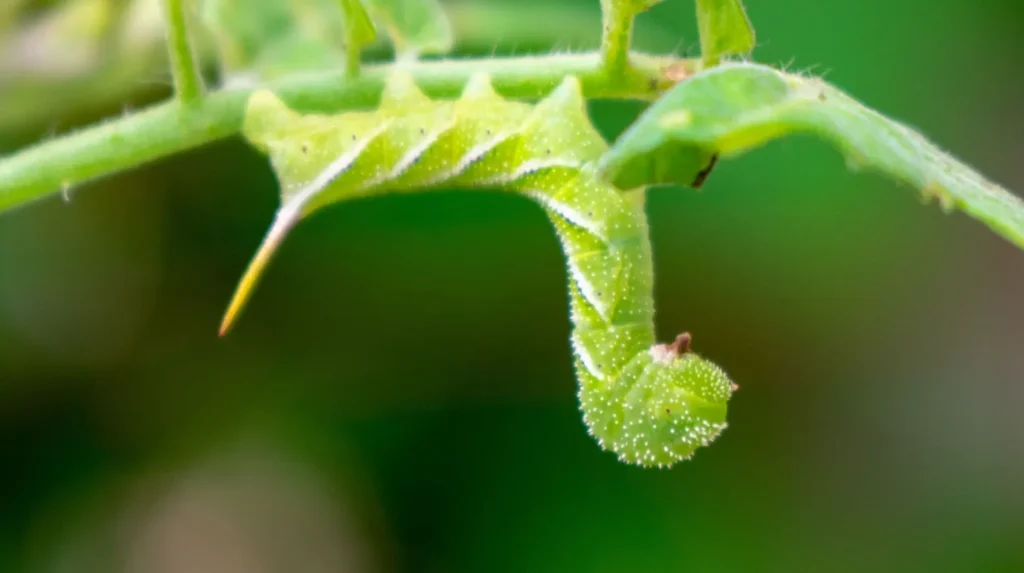
Understanding hornworms becomes much easier when you know the difference between common names and scientific names. The word hornworm usually refers to the larval stage, not the adult stage. The adult is a hornworm moth, often called a hawk moth or sphinx moth.
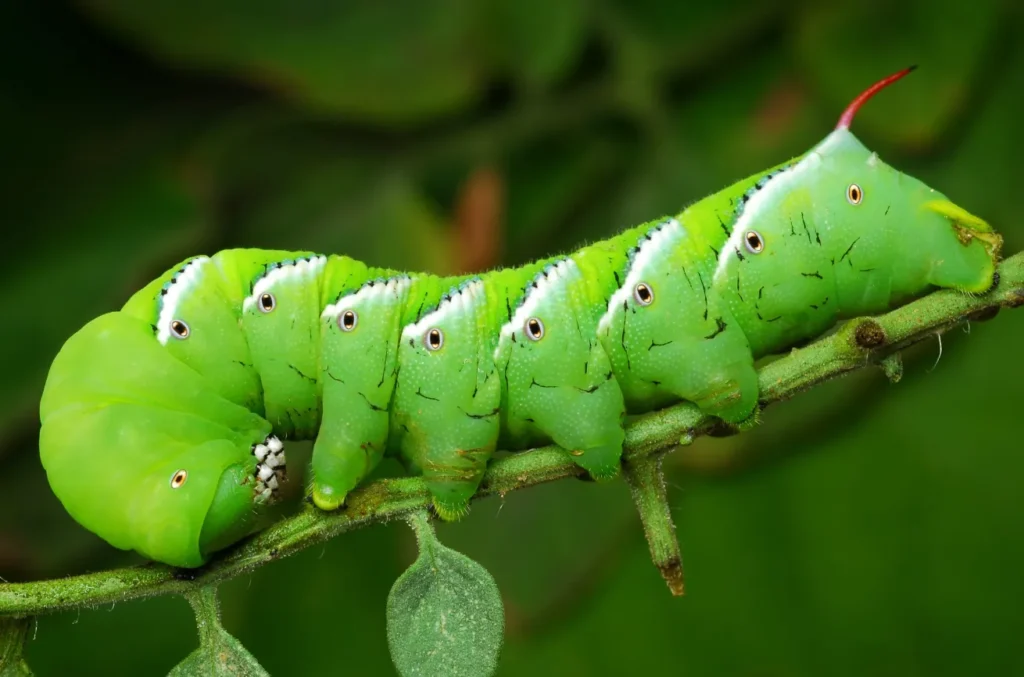
The tobacco hornworm is usually identified as Manduca sexta. Its caterpillar often has seven diagonal white stripes and a red horn. The adult moth is commonly known as the Carolina sphinx moth.
The tomato hornworm life cycle belongs mainly to Manduca quinquemaculata, often called the five-spotted hawkmoth in its adult stage. Its caterpillar usually has eight V-shaped white marks and a dark horn.
Many gardeners wonder whether they should kill tomato hornworms, as these caterpillars can remove leaves quickly. The balanced answer is: remove harmful caterpillars from valuable crops, but do not destroy hornworms that are already covered with parasitoid wasp cocoons.
The hornworm caterpillar is not only a pest. It also becomes food for birds, wasps, and other predators. When it survives to adulthood, the moth may visit flowers for nectar and support pollination in the local Ecosystem.
So, hornworms are both a garden challenge and an ecological participant. The best approach is not blind destruction. The better method is careful observation, early detection, hand removal when needed, and protection of natural enemies.
The History of Their Scientific Naming
The scientific naming of hornworms comes from the need to separate similar-looking caterpillars and moths into accurate biological groups. Many people call them simply hornworms, but scientists classify them more precisely.
The tomato hornworm is commonly known as Manduca quinquemaculata. The name links the insect to its adult form, the five-spotted hawkmoth. The word “quinquemaculata” refers to the five-spotted appearance linked with the adult moth.
The tobacco hornworm is known as Manduca sexta. It is closely related to the tomato hornworm and belongs to the same moth family, Sphingidae. This family includes strong-flying moths often called hawk moths or sphinx moths.
Important naming points:
- Hornworm refers to the caterpillar stage.
- Manduca is the genus name.
- Manduca quinquemaculata is linked with the tomato hornworm.
- Manduca sexta is linked with the tobacco hornworm.
- Sphingidae is the moth family.
- Adult hornworms are not worms; they are moths.
This naming system helps gardeners, farmers, students, and researchers identify the correct species and understand their life cycle more accurately.
Their Evolution And Their Origin
Hornworms belong to a long evolutionary line of moths in the family Sphingidae. These moths are known for strong flight, large bodies, long mouthparts, and close relationships with flowering plants. Over time, their larvae became highly adapted to feeding on certain host plants, especially plants in the nightshade family.
The origin of hornworms is connected with plant-insect coevolution. Plants developed chemical defenses to protect their leaves. In response, some insects evolved ways to tolerate or avoid those defenses. Manduca species became especially successful because their caterpillars can feed on plants such as tomato, tobacco, pepper, eggplant, potato, and related wild plants.
Their green color is also an evolutionary advantage. A hornworm caterpillar blends almost perfectly with tomato or tobacco leaves. This camouflage helps it avoid birds, wasps, and other predators. The rear horn may also confuse predators, making the caterpillar appear less easy to attack.
The adult moth stage shows another evolutionary adaptation. A hornworm moth has powerful wings and can fly from flower to flower. Many hawk moths feed on nectar from night-blooming or strongly scented flowers. This relationship benefits both the moth and the plant.
Hornworms also evolved a soil-based pupal stage. By entering the ground, the mature caterpillar protects itself during transformation. This stage is especially important in colder regions because many hornworms overwinter underground as pupae before adult moths emerge in spring or early summer. Utah State Extension notes that tomato and tobacco hornworms can overwinter as pupae in the ground and may have one or two generations per year, depending on the climate.
Their evolutionary success stems from their flexibility: they can hide effectively, feed efficiently, burrow underground, and reproduce via mobile adult moths.
Their main food and its collection process
The main food of hornworms changes by life stage. The caterpillar stage eats leaves, stems, and sometimes fruit, while the adult moth usually feeds on nectar. This difference reduces competition between the early and adult stages.
Main foods of the hornworm caterpillar include:
- Tomato leaves
- Tomato plants are one of the most common hosts. This is why the phrase “tomato hornworm life cycle” is so often searched for by home gardeners.
- Tobacco leaves
- The tobacco hornworm is strongly associated with tobacco plants, although it may also feed on other nightshade plants.
- Pepper and eggplant leaves
- These crops can also be damaged when hornworm populations are high.
- Potato foliage
- Hornworms may feed on potato plants, although tomato and tobacco are more commonly discussed as hosts.
- Wild nightshade plants
- Some wild plants support hornworms when cultivated crops are not available.
The feeding process is simple but powerful. The young larva hatches from an egg and begins eating soft leaf tissue. As it grows, it consumes larger sections of leaves. Older caterpillars can remove leaves quickly because their bodies are large and their appetite is high.
Gardeners often find hornworms by looking for missing leaves, chewed stems, and dark droppings below the plant. The caterpillar’s green color makes it hard to see, so damage signs are often noticed first.
Adult moths collect nectar using a long, tube-like mouthpart called a proboscis. They visit flowers, especially during low-light periods, and drink nectar for energy. In this way, the adult stage has a very different feeding role from the leaf-eating larval stage.
Their life cycle and ability to survive in nature
Egg Stage
The hornworm life cycle begins when a female moth lays eggs on host plants. Eggs are usually small, round, and pale green or whitish. They are often laid singly, which helps reduce competition between young larvae.
This stage is delicate. Predators, damaged by weather, can eat eggs or fail to hatch if conditions are poor.
Larval Stage
After hatching, the young hornworm caterpillar starts feeding. It passes through several growth stages called instars. During this time, it sheds its skin as its body becomes larger.
This is the stage where hornworms cause the most garden damage. Their green bodies help them blend into the leaves, increasing their chances of survival.
Pupal Stage
When fully grown, the caterpillar drops or crawls down from the plant and enters the soil. There it becomes a pupa. Inside the pupal case, the insect transforms from a caterpillar into an adult moth.
This soil stage protects the developing insect from many surface predators.
Adult Moth Stage
The adult hornworm moth emerges from the soil, expands its wings, feeds on nectar, mates, and lays eggs. Adult moths are strong flyers, enabling them to move between gardens, fields, and wild habitats.
Their survival depends on host plants, suitable soil, warm weather, flowers, and natural balance.
Their Reproductive Process and raising their children
Hornworms do not raise their young in the way birds or mammals do. Instead, the female moth gives her offspring a better chance by choosing suitable host plants for egg-laying.
Key points in their reproductive process:
- Adult emergence
- Adult moths emerge from pupae in the soil. After emergence, they prepare for flight, feeding, and mating.
- Mating
- Male and female moths locate each other through natural signals. After mating, the female becomes ready to lay eggs.
- Host plant selection
- The female chooses plants that can feed the young larvae. Tomato, tobacco, pepper, eggplant, and potato are common hosts.
- Egg laying
- Eggs are usually placed on leaves, often singly. This gives each larva access to food after hatching.
- No direct parental care
- Once eggs are laid, the adult moth does not protect or feed the young. The “raising” process is based on correct plant selection.
- Larval independence
- After hatching, the caterpillar immediately begins feeding. It must avoid predators, grow quickly, and store enough energy for pupation.
- Transformation into an adult
- The mature larva enters the soil and pupates. If conditions are suitable, it later becomes an adult moth and repeats the cycle.
This reproductive method is common among many moths. Instead of caring for fewer young, hornworms produce eggs in suitable places and depend on rapid growth, camouflage, and timing for survival.
The importance of them in this Ecosystem
Food for Other Animals
Hornworms are important prey for birds, predatory insects, and some small animals. Their soft bodies make them a valuable food source in the garden food web.
Although gardeners may dislike them, many natural predators depend on caterpillars, such as hornworms.
Host for Parasitoid Wasps
Hornworms are especially important for parasitoid wasps. These tiny wasps lay eggs in or on hornworms. The wasp larvae feed on the caterpillar and eventually kill it.
If you see white rice-like cocoons on a hornworm, it is usually a sign of parasitoid activity. University of Minnesota Extension explains that parasitoid wasps are highly beneficial and that limiting pesticide use helps protect them.
Pollination Support
Adult hornworm moths may visit flowers for nectar. As they move from flower to flower, they can help transfer pollen. This makes the adult moth stage more beneficial than many people realise.
Natural Balance
Hornworms show how ecosystems balance plant growth, herbivores, predators, parasites, and pollinators. They may damage crops, but they also support other living organisms.
A healthy garden does not always mean zero insects. It means a balanced system where pests are controlled naturally before they become destructive.
What to do to protect them in nature and save the system for the future
Protecting hornworms does not mean allowing them to destroy your crops. It means managing them wisely while protecting the wider Ecosystem.
- Use hand removal first.
- If hornworms are damaging tomato plants, remove them by hand instead of spraying strong chemicals.
- Leave parasitized hornworms
- If a hornworm has white cocoons on its body, do not kill it. Those cocoons usually belong to beneficial parasitoid wasps.
- Avoid broad-spectrum pesticides
- Strong pesticides can kill bees, wasps, butterflies, and other beneficial insects, as well as hornworms.
- Grow nectar-rich flowers
- Flowers support adult moths, bees, and parasitoid wasps. A mixed garden is healthier than a single-crop space.
- Keep some wild plant diversity.
- Wild edges and native plants can support natural predators and reduce pest pressure.
- Check plants regularly
- Early detection prevents serious damage. Look for chewed leaves and dark droppings.
- Use biological control carefully.
- Organic options like Bacillus thuringiensis may help with young caterpillars, but they should be used only when necessary.
- Protect soil health
- Since hornworms pupate underground, soil disturbance affects their survival. Light management is better than unnecessary destruction.
- Understand their role
- Hornworms are not only pests. They are also food sources, parasitoid hosts, and future moths.
- Balance crop protection with biodiversity
- Protect important crops while keeping the Ecosystem strong enough to control pests naturally.
Frequently Asked Questions (FAQs)
Q: What is the complete hornworm life cycle?
A: The complete hornworm life cycle includes egg, larva, pupa, and adult moth. The larva is the green caterpillar stage that feeds heavily on plants.
Q: What does a hornworm turn into?
A: A hornworm turns into a large moth. The tomato hornworm becomes a five-spotted hawkmoth, while the tobacco hornworm becomes a Carolina sphinx moth.
Q: How can I identify a tomato hornworm?
A: A tomato hornworm usually has a green body, a dark rear horn, and V-shaped white markings along the sides.
Q: How can I identify a tobacco hornworm?
A: A tobacco hornworm usually has diagonal white side stripes and a red horn. It is very similar to the tomato hornworm but not the same.
Q: Should I kill tomato hornworm in my garden?
A: If it is damaging your plants, you can remove it. However, if it carries white parasitoid wasp cocoons, leave it because those wasps help control future pests.
Q: What do hornworm caterpillars eat?
A: Hornworm caterpillars mainly eat tomato, tobacco, pepper, eggplant, potato, and related nightshade plants.
Q: Are hornworm moths harmful?
A: Adult hornworm moths are not leaf-eating pests. They usually feed on nectar and may help with pollination.
Q: Where do hornworms pupate?
A: Mature hornworms usually leave the plant and pupate in the soil. The pupa stays underground until the adult moth emerges.
Conclusion
The hornworm life cycle is more than a simple pest story. It is a complete natural process involving eggs, hungry caterpillars, hidden pupae, and strong-flying moths. The hornworm caterpillar can damage tomato, tobacco, pepper, eggplant, and potato plants, so gardeners should monitor crops carefully. At the same time, hornworms support birds, parasitoid wasps, and pollination through their adult moth stage.
The smartest approach is balanced management. Remove damaging caterpillars when necessary, but protect beneficial insects and avoid unnecessary chemical use. A parasitized hornworm should usually be left alone because it helps produce natural pest-control wasps.
By understanding the tomato hornworm life cycle, the tobacco hornworm, and the role of the hornworm moth, gardeners can protect crops while keeping the Ecosystem healthy, active, and naturally balanced.
Also Read: tomato worm life cycle