Admin
Admin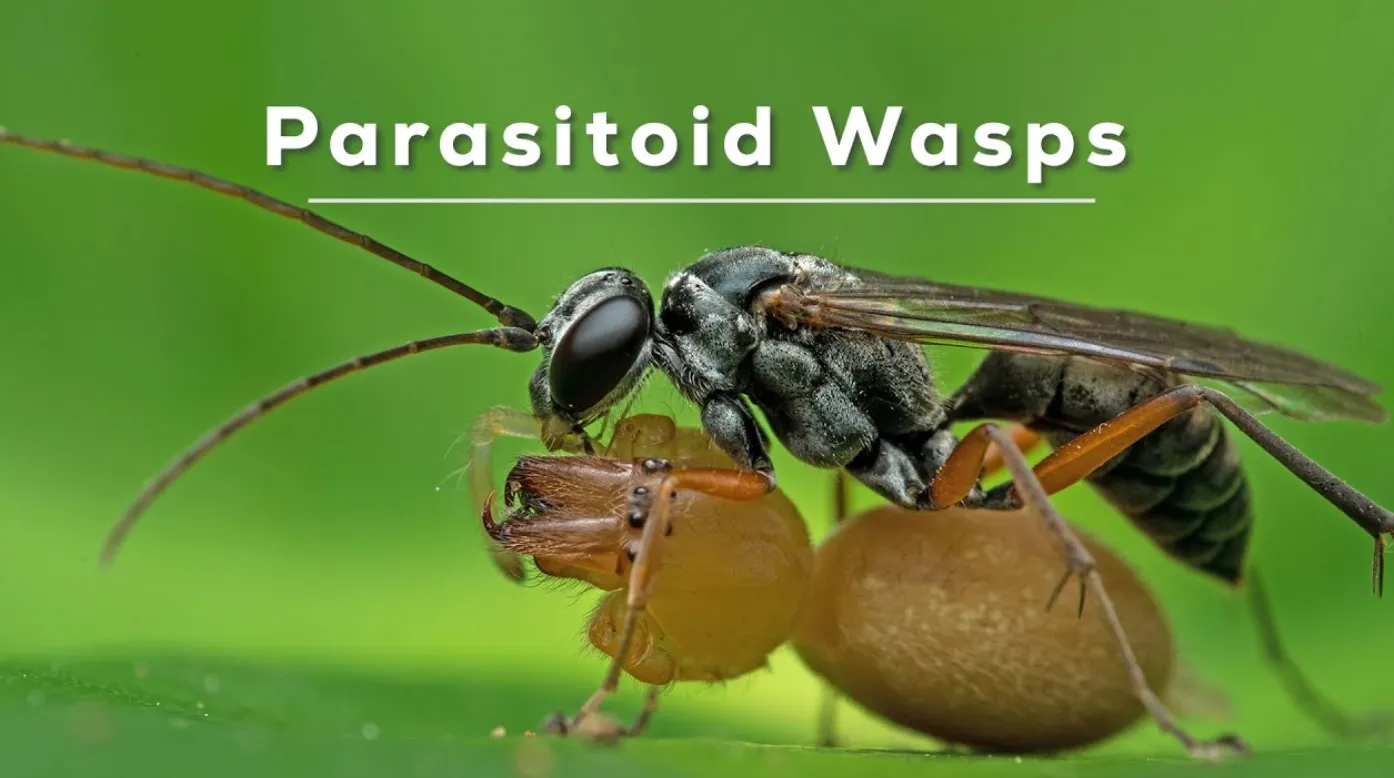
The Hymenoptera life cycle is one of the most fascinating biological systems in the insect world. Hymenoptera is the insect order that includes bees, wasps, ants, hornets, sawflies, and many parasitoid wasps. These insects are found in almost every terrestrial habitat, from forests and farms to gardens, grasslands, wetlands, and urban spaces.
The word Hymenoptera is commonly linked with “membrane wings,” because many members of this order have thin, transparent wings. Bees, wasps, and ants are especially important because they support pollination, natural pest control, soil movement, seed dispersal, and the balance of food webs. Scientific references describe Hymenoptera as one of the largest insect orders, with more than 150,000 described species worldwide.
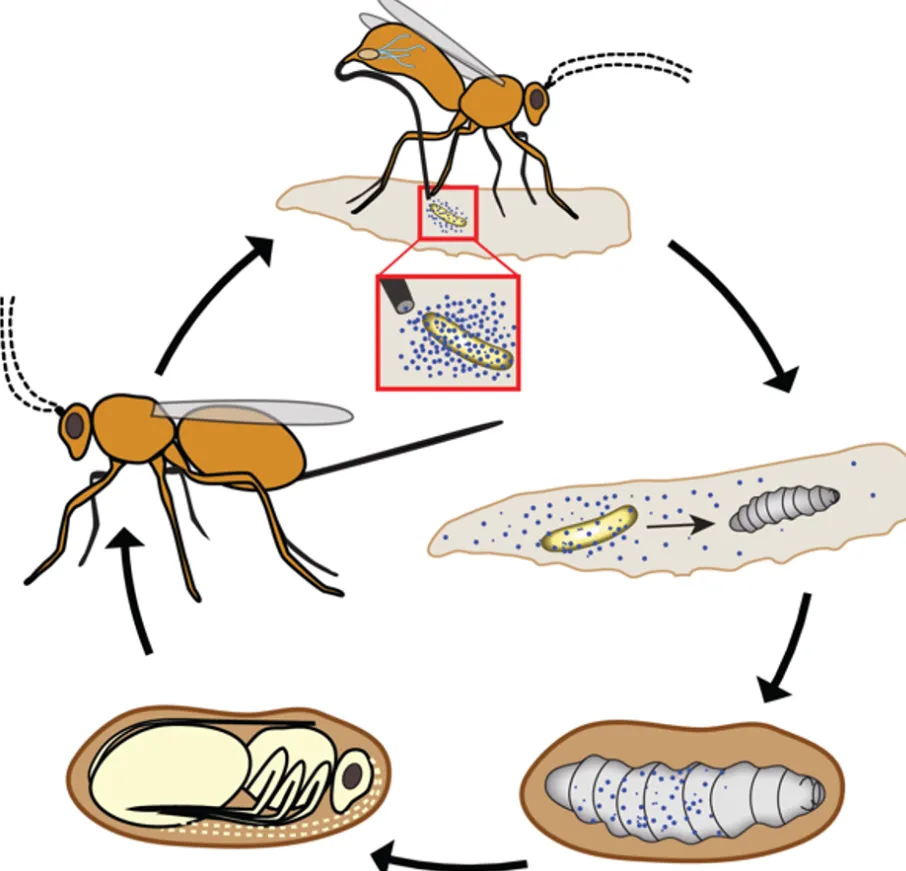
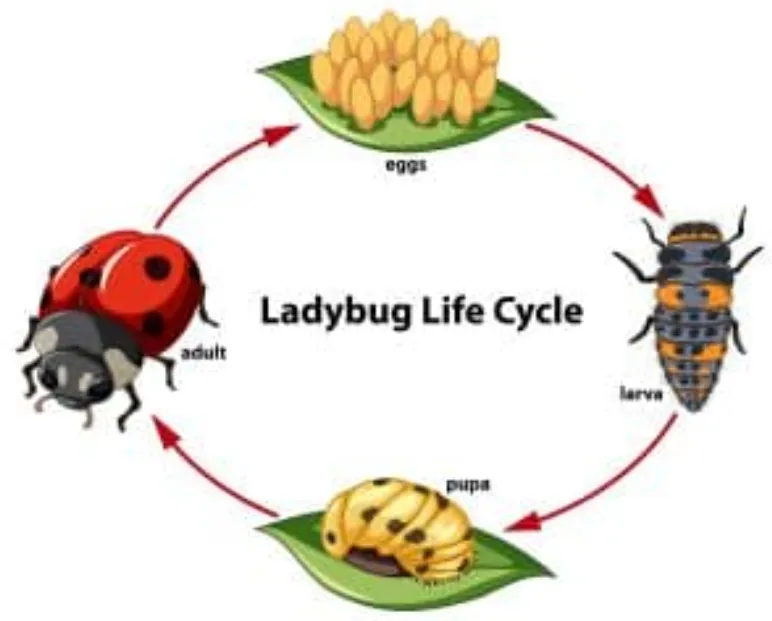
Most Hymenoptera develop through complete metamorphosis, meaning they pass through four major stages: egg, larva, pupa, and adult. This life cycle allows them to survive in different ecological roles. A bee larva may grow inside a wax cell, a parasitoid wasp larva may develop inside another insect, and workers inside a colony may raise an ant larva.
Q: What is the life cycle of Hymenoptera?
A: The Hymenoptera life cycle has four stages: egg, larva, pupa, and adult.
Q: What insects belong to Hymenoptera?
A: Bees, wasps, ants, hornets, sawflies, and many parasitoid wasps belong to the order Hymenoptera.
Q: Are Hymenoptera helpful or harmful?
A: Most are highly beneficial as pollinators, predators, and parasitoids, though some can sting, damage plants, or cause Hymenoptera sting allergy in sensitive people.
Quick Life Cycle Table
| Life Cycle Stage | What Happens | Common Example | Ecological Role |
| Egg | Females lay eggs in cells, soil, plants, nests, or host insects | A bee egg in a honeycomb cell | Starts the next generation |
| Larva | early stage feeds and grows rapidly | Wasp larvae fed by adults | Converts food into body mass |
| Pupa | Body transforms into adult form | Ant pupa inside the colony chamber | Major metamorphosis stage |
| Adult | Reproduces, forages, defends, pollinates, or hunts | Bee, wasp, ant, sawfly | Pollination, pest control, and reproduction |
Hymenoptera are holometabolous insects, which means they undergo complete metamorphosis. Their immature stage does not look like the adult stage. Larvae are usually soft-bodied and adapted mainly for feeding, while adults are adapted for reproduction, movement, nest building, hunting, pollination, or colony service.
The History of Their Scientific Naming
The name Hymenoptera comes from Greek roots. The word hymen means membrane, and ptera means wings. This name fits many members of the order because bees, wasps, sawflies, and many ants have thin membranous wings during at least one stage of adult life. North Carolina State University also notes that the name relates to the way the front and hind wings are joined by tiny hooks called hamuli.
Important points about the scientific naming:
- Order name: Hymenoptera
- Meaning: Membrane-winged insects
- Common members: Ants, bees, wasps, hornets, and sawflies
- Wing structure: Many species have two pairs of membranous wings
- Special feature: Hind wings may connect to forewings using hamuli
- Key body structure: Many advanced Hymenoptera have a narrow “waist” between the thorax and the abdomen
- Stinger origin: In bees, wasps, and some ants, the female ovipositor may be modified into a sting
This scientific name is useful because it reflects both the body’s structure and its evolutionary design. However, not every adult ant keeps wings permanently. Many worker ants are wingless, while reproductive males and queens usually have wings during mating periods.
Their Evolution And Their Origin
The evolutionary origin of Hymenoptera is ancient. Modern studies place Hymenoptera among the major insect orders, alongside groups such as beetles, flies, and butterflies. A major phylogenomic study reported that extant Hymenoptera began diversifying around 281 million years ago, showing that this order has a very deep evolutionary history.
Early Hymenoptera were likely closer to sawfly-like ancestors. Sawflies still show several primitive features compared with bees, ants, and many wasps. For example, sawflies do not have the narrow waist found in many advanced Hymenoptera. Their larvae often look more caterpillar-like and feed on plant tissues.
Over time, Hymenoptera evolved into several ecological forms. Some became plant feeders, some became predators, and many became parasitoids. Parasitoid wasps were especially important in the evolution of Hymenoptera because their larvae develop in or on other insects. This strategy opened many ecological niches and contributed to the order’s immense diversity.
The evolution of social behaviour was another major turning point. Ants, honey bees, stingless bees, bumble bees, and some wasps developed colonies with queens, workers, and division of labour. This allowed them to defend their nests, gather food efficiently, care for their young, and survive environmental pressures.
The origin of Hymenoptera is not only a story of body evolution. It is also a story of behavioural innovation. Their ability to pollinate, hunt, parasitize, build nests, communicate, and organize colonies made them one of the most successful insect groups on Earth.
Their main food and its collection process
The food of Hymenoptera depends strongly on the species and life stage. Bees, wasps, ants, and sawflies do not all eat the same thing. Their feeding habits are diverse because the order includes pollinators, predators, herbivores, scavengers, and parasitoids. University and museum sources describe Hymenoptera as a highly varied order where sawflies may feed on plants, bees collect nectar and pollen, wasps hunt insects, and parasitoid wasps develop on or inside other arthropods.
- Bees collect nectar and pollen.
- Adult bees visit flowers to collect nectar for energy and pollen for protein. They carry pollen on body hairs, legs, or special pollen baskets, depending on the species.
- Wasps collect prey for larvae.
- Many wasps hunt caterpillars, flies, spiders, or other insects. Adult wasps may chew prey and feed it to larvae inside nest cells.
- Ants collect many types of food.
- Ants may gather seeds, honeydew, dead insects, fungi, nectar, or small arthropods. Some ants farm aphids for honeydew, while leafcutter ants collect leaves to grow fungus.
- Sawfly larvae feed on plants.
- Sawfly larvae usually eat leaves, stems, or plant tissue. Some species can become plant pests when their populations increase.
- Parasitoid wasps use host insects.
- Female parasitoid wasps lay eggs in or on a host. The larva feeds on that host after hatching.
Their food collection process is highly organized. Social insects such as bees and ants use communication, scent trails, nest memory, and division of labour. Solitary species depend more on individual hunting, searching, or flower-visiting behaviour.
Important Things That You Need To Know
The hymenoptera life cycle is important because it explains how bees, ants, wasps, and sawflies grow, survive, and interact with humans. The hymenoptera order is simple: it includes bees, wasps, ants, hornets, sawflies, and many parasitoid species. Most members develop through egg, larva, pupa, and adult stages.
One important human-health topic is hymenoptera allergy. This usually means an allergic reaction to venom from stinging insects such as bees, wasps, hornets, or some ants. A normal sting may cause pain, redness, and swelling, but a hymenoptera sting allergy can cause systemic symptoms such as widespread hives, breathing difficulty, dizziness, or anaphylaxis. The medical literature notes that systemic reactions to Hymenoptera stings can be serious and may require proper diagnosis and treatment.
Another term is hymenoptera allergenic extract. This refers to medically prepared venom or allergen extracts used in allergy testing or venom immunotherapy under professional medical supervision. It is not something people should use without a qualified clinician.
The phrase order Hymenoptera is also useful for identification. If an insect is a bee, ant, wasp, hornet, sawfly, or parasitoid wasp, it likely belongs to this order. However, only trained identification or reliable guides can confirm species-level identity.
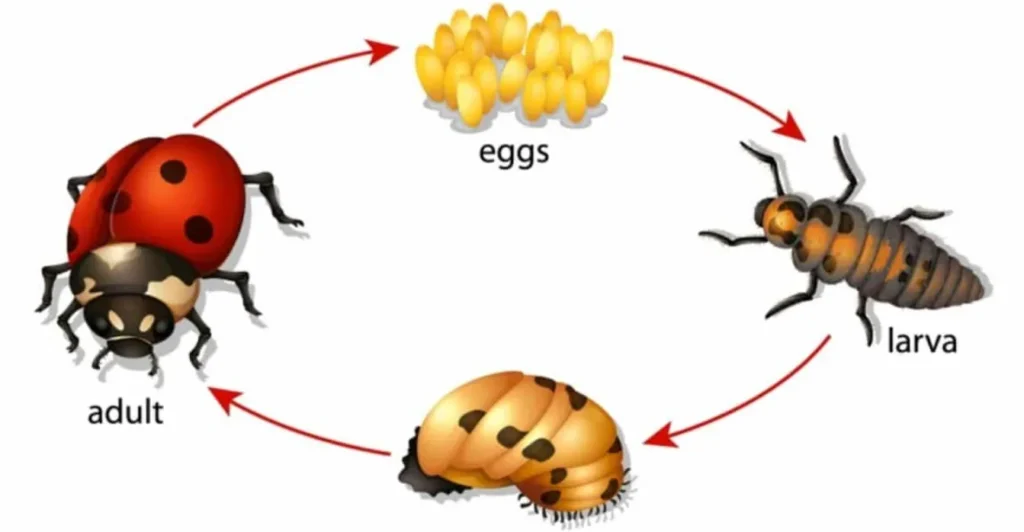
Their life cycle and ability to survive in nature
Egg Stage
The life cycle begins when a female lays eggs. Depending on the species, eggs may be placed in nest cells, in wood, in soil, in plant tissue, or even inside another insect host.
Bee eggs are often laid in prepared brood cells with food. Parasitoid wasps may use their ovipositor to insert eggs into hosts. Sawflies may lay eggs inside plant tissue.
Larval Stage
The larva is the main feeding stage. Hymenoptera larvae are usually soft, pale, and worm-like, especially in bees, ants, and wasps.
In social colonies, larvae are fed by workers. In solitary wasps, larvae may receive stored prey. In parasitoid wasps, larvae consume the host insect.
Pupal Stage
The pupa is the transformation stage. During this period, the larval body reorganizes into an adult insect with legs, wings, antennae, eyes, and reproductive organs.
Some species pupate inside cocoons, nest chambers, or protected cells. This stage protects the insect while major body changes occur.
Adult Stage
The adult stage focuses on reproduction, dispersal, foraging, nest construction, defence, pollination, or colony work.
Adult bees may pollinate flowers. Adult wasps may hunt prey. Adult ants may maintain the colony. Reproductive adults mate and continue the cycle.
Hymenoptera survive in nature because they are flexible. Some are solitary, some are social, some live in soil, some live in wood, and others depend on flowers, prey, or hosts.
Their Reproductive Process and raising their children
The reproductive process of Hymenoptera is highly diverse. Some species are solitary, while others live in complex colonies with queens and workers.
- Mating usually involves reproductive adults.
- In ants and many bees, winged males and queens leave the nest for mating flights. After mating, queens may start new colonies.
- Females choose egg-laying sites carefully.
- A bee may lay eggs in wax cells. A wasp may lay eggs in a mud nest. A sawfly may insert eggs into plant tissue. A parasitoid wasp may lay eggs inside a host insect.
- Many species show haplodiploidy
- In many Hymenoptera, fertilized eggs become females, while unfertilized eggs become males. This system influences colony genetics and social evolution.
- Social species raise young cooperatively.
- Honey bees, ants, and some wasps care for larvae inside protected nests. Workers feed larvae, clean brood cells, regulate nest temperature, and defend the colony.
- Solitary species prepare food before egg-laying
- Some solitary wasps capture prey, paralyze it, place it in a nest cell, and lay an egg nearby. The larva feeds after hatching.
- Parasitoid species use hosts as nurseries.
- Parasitoid wasps lay eggs on or inside other insects. Their larvae develop by feeding on the host.
Raising young in Hymenoptera can be simple or highly advanced. In social colonies, brood care is one of the strongest reasons these insects dominate many ecosystems.
The importance of them in this Ecosystem
Pollination Support
Bees are among the most important pollinators in both natural and agricultural ecosystems. USDA sources state that about three-fourths of flowering plants and about 35 percent of global food crops depend on animal pollinators to reproduce.
When bees visit flowers, pollen sticks to their bodies and moves from one flower to another. This supports fruit, seed, and crop production.
Natural Pest Control
Many wasps are predators or parasitoids. They help control caterpillars, flies, aphids, and other insects. Tiny parasitoid wasps are especially valuable because they naturally reduce pest populations.
This makes Hymenoptera important in agriculture, forestry, and garden ecosystems.
Soil and Nutrient Cycling
Ants move soil, bury organic material, and help mix nutrients. Their tunnels improve soil aeration and water movement.
Some ants also collect dead insects and plant material, helping break down organic matter.
Food Web Balance
Hymenoptera are food for birds, reptiles, amphibians, mammals, spiders, and other insects.
At the same time, they also act as predators, pollinators, scavengers, and parasites. This gives them a central role in ecological balance.
Plant Diversity
Pollinating Hymenoptera help maintain wild plant populations. Without them, many flowering plants would produce fewer seeds and fruits.
This would affect other animals that depend on those plants for food and shelter.
What to do to protect them in nature and save the system for the future
Protecting Hymenoptera means protecting pollination, biodiversity, soil health, and natural pest control. These insects need safe habitats, clean food sources, and reduced chemical pressure.
- Plant more native flowering plants that bloom in different seasons.
- Avoid unnecessary pesticide use, especially during flowering periods.
- Keep small wild areas, hedges, grass margins, and natural corners in gardens or farms.
- Provide nesting spaces such as bare soil patches, dead wood, hollow stems, and undisturbed ground.
- Do not destroy bee, wasp, or ant nests unless they create a real safety risk.
- Use integrated pest management rather than relying solely on chemical sprays.
- Reduce night lighting where possible because artificial light can disturb insects.
- Protect forests, wetlands, meadows, and grasslands where wild Hymenoptera live.
- Educate people that not all wasps and ants are harmful.
- Support local pollinator gardens and biodiversity projects.
- Keep water sources shallow and safe for insects.
- Avoid removing all “messy” natural materials, because many insects nest in dead stems, leaf litter, and wood.
- For people with Hymenoptera sting allergy, protect against stings by keeping a safe distance and following emergency medical plans as advised by healthcare professionals.
Conservation does not require perfect wilderness. Even small gardens, balconies, farms, and schoolyards can support bees, wasps, ants, and other beneficial insects.
Frequently Asked Questions (FAQs)
Q1: What is Hymenoptera?
A: Hymenoptera is an insect order that includes bees, wasps, ants, hornets, sawflies, and many parasitoid wasps. They are known for complete metamorphosis, membranous wings in many species, and important ecological roles.
Q2: What are the four stages of the Hymenoptera life cycle?
A: The four stages are egg, larva, pupa, and adult. This is called complete metamorphosis.
Q3: Are all Hymenoptera able to sting?
A: No. Many Hymenoptera do not sting. Bees, many wasps, hornets, and some ants can sting, but sawflies and many parasitoid wasps are not dangerous to humans.
Q4: What is a Hymenoptera sting allergy?
A: Hymenoptera sting allergy is an allergic reaction to venom from stinging insects such as bees, wasps, hornets, or some ants. Severe reactions may include breathing problems, dizziness, swelling beyond the sting site, or anaphylaxis.
Q5: What is the hymenoptera allergenic extract?
A: Hymenoptera allergenic extract is a medical preparation used for allergy testing or venom immunotherapy. It should only be used by trained medical professionals.
Q6: Why are Hymenoptera important for the Ecosystem?
A: They support pollination, biological pest control, soil movement, nutrient cycling, and food-web balance. Bees pollinate flowers, wasps control pests, and ants improve soil structure.
Q7: Do ants belong to Hymenoptera?
A: Yes. Ants belong to the order Hymenoptera. They are closely related to wasps and share features such as complete metamorphosis and colony-based reproduction in many species.
Q8: What do Hymenoptera larvae eat?
A: It depends on the species. Bee larvae eat pollen and nectar-based food, wasp larvae may eat insects, sawfly larvae eat plants, and parasitoid wasp larvae feed on host insects.
Conclusion
The Hymenoptera life cycle is a powerful example of how insects adapt, survive, and support life on Earth. From the tiny egg to the feeding larva, transforming pupa, and active adult, each stage has a clear biological purpose. This complete metamorphosis allows bees, wasps, ants, sawflies, and parasitoid wasps to fill many ecological roles.
Understanding order Hymenoptera helps us see why these insects matter. Bees pollinate crops and wildflowers. Wasps and parasitoid wasps control pests. Ants improve soil and recycle nutrients. Even species that people fear often have important natural functions.
At the same time, humans must respect risks such as Hymenoptera stings and Hymenoptera allergy. The best approach is balance: protect beneficial insects, avoid unnecessary nest destruction, reduce harmful chemicals, and seek medical care when allergic symptoms occur.
Saving Hymenoptera means protecting pollination, biodiversity, agriculture, and the future health of natural ecosystems.
Also Read: spider life cycle