Admin
Admin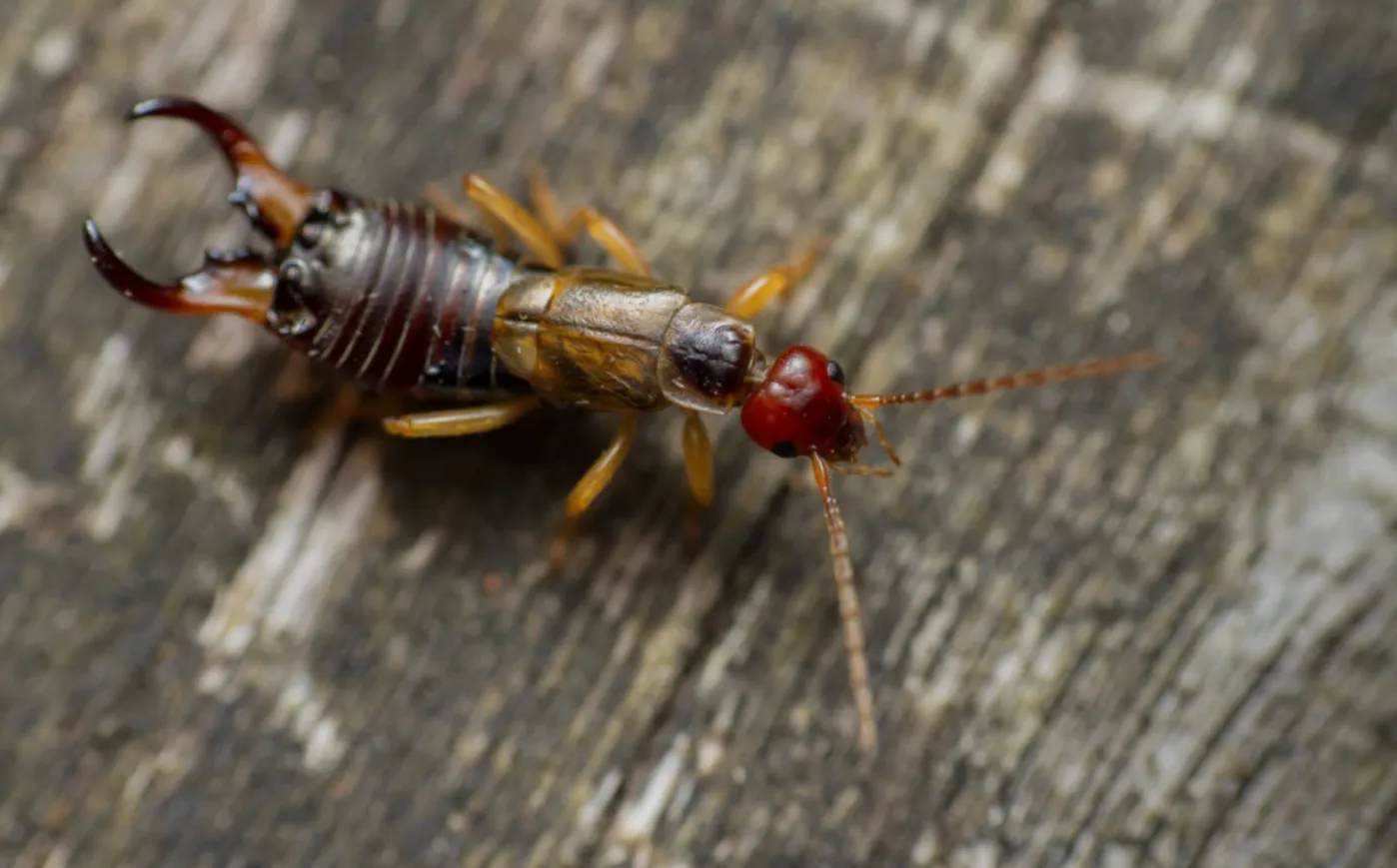
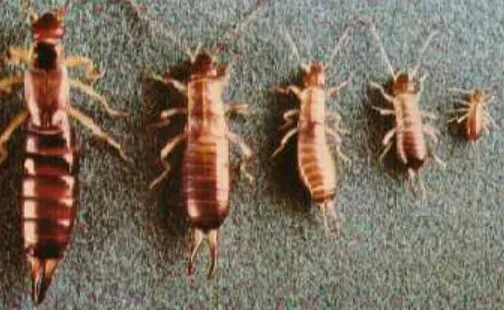
The earwig life cycle is one of the most interesting insect growth patterns because earwigs do not pass through a complete butterfly-like transformation. Instead, they grow through gradual metamorphosis, progressing from egg to baby earwig (also called a nymph) and finally to an adult earwig.
An earwig is a small, flattened insect with long antennae and a pair of forceps-like pincers at the end of its abdomen. Many people fear them because of old myths about earwigs entering human ears, but this is not their natural behavior. Most earwigs prefer dark, moist places such as garden mulch, leaf litter, under stones, compost piles, and cracks around houses.
In nature, earwigs are both helpful and sometimes troublesome. They eat decaying plant matter, dead insects, soft-bodied pests, and sometimes tender seedlings or flowers. This means they can support the Ecosystem as decomposers and predators, but large numbers may damage garden plants.
Q: What is the earwig life cycle?
A: The earwig life cycle has three main stages: egg, nymph, and adult.
Q: What does a baby earwig look like?
A: A baby earwig looks like a small adult earwig but is usually lighter in color and has less-developed wings.
Q: Are earwigs dangerous to humans?
A: Earwigs are generally not dangerous. Their pincers may pinch skin, but they are not venomous and do not normally harm people.
Important Things That You Need To Know
Before studying the full earwig life cycle, it is helpful to understand some important facts about these insects. The word earwig often evokes fear because many people think it crawls into the ears or bites dangerously. In reality, this is mostly a myth. Earwigs prefer damp, hidden places and usually avoid humans.
The term ‘what is an earwig‘ is commonly searched because people often find them in homes, bathrooms, gardens, basements, or under plant pots. An earwig is an insect from the order Dermaptera, recognized by its flat body, chewing mouthparts, and forceps-like pincers.
A house earwig is usually not a separate indoor species. Most earwigs enter homes by accident when outdoor conditions become too dry, too wet, or too cold. They look for shelter and moisture, not human food or blood.
The phrase earwig bite is also common, but earwigs do not bite like mosquitoes or bed bugs. They may use their pincers defensively if handled roughly. The pinch can feel uncomfortable, but it is rarely serious.
For safe earwig control, the best approach is to reduce moisture, clean the garden, seal entry points, and use simple earwig traps. Killing every earwig is not always wise because they also help break down organic matter and may eat small pests.
So, the smart approach is to balance: protect your home and plants while allowing earwigs to perform their natural ecological role outdoors.
Quick Life Cycle Table
| Life Cycle Stage | What Happens | Appearance | Usual Location | Key Importance |
| Egg | Females lay eggs in a hidden underground or protected nest | Small, pale, oval eggs | Soil, burrows, damp protected spaces | Start of the earwig life cycle |
| Nymph / Baby Earwig | A young earwig hatches and molts several times | Small adult-like body, lighter color, small pincers | Near the mother at first, later, garden soil and leaf litter | Learns to feed and survive |
| Older Nymph | The body grows larger through repeated molts | More adult-like, darker body, stronger pincers | Moist hiding places, mulch, plants | Prepares for adulthood |
| Adult Earwig | Fully grown and ready to reproduce | Brown flattened body, long antennae, clear pincers | Gardens, cracks, compost, under objects | Reproduction and ecosystem role |
| Reproductive Adult | Mating and egg-laying begin again | Mature male and female earwigs | Underground nest or protected soil | Continues the population |
Earwigs experience incomplete metamorphosis, meaning they do not have a pupal stage. Their development is simpler than that of insects such as butterflies, flies, or beetles.
The History of Their Scientific Naming
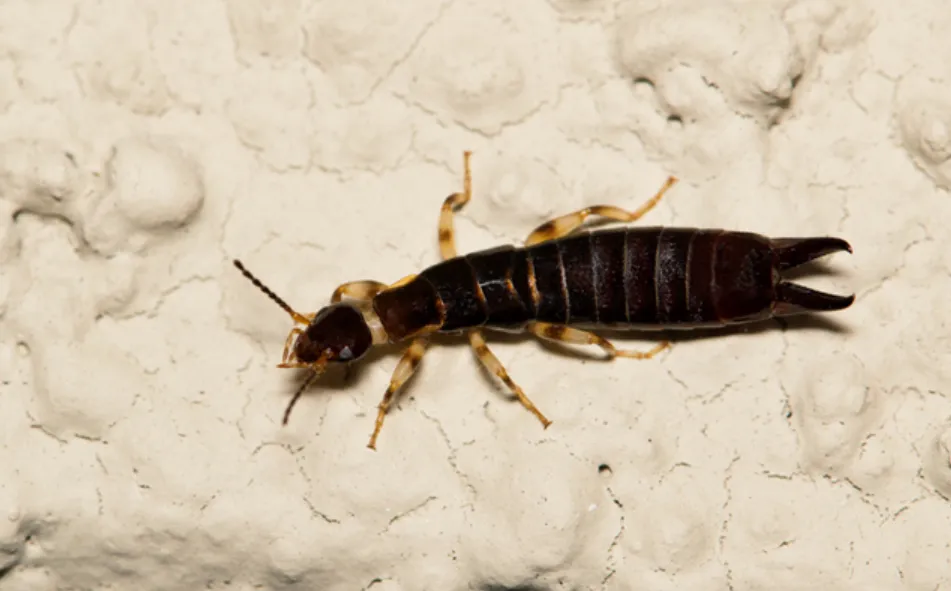
The scientific naming of earwigs is closely connected to their unique body structure. Earwigs belong to the insect order Dermaptera, a name derived from Greek roots meaning “skin wings” or “leather wings.” This refers to their delicate hindwings, which are folded under short, leathery forewings.
Important points about their naming:
- Order name: Earwigs are placed in the order Dermaptera.
- Meaning of Dermaptera: The name refers to their folded, skin-like wings.
- Common name: The word earwig comes from old language roots linked with “ear” and “insect.”
- Old myth: Many people believed earwigs entered human ears, but this is not scientifically true.
- Common species: One widely known species is Forficula auricularia, often called the European earwig or common earwig.
- Species name meaning: The term auricularia relates to ear-like structures, likely connected to the appearance of the folded wings.
The scientific naming helps separate real biology from myth. Although the common name sounds frightening, the insect itself is mostly a moisture-loving garden creature with an important natural role.
Their Evolution And Their Origin
The evolutionary origin of earwigs is linked to the long history of insects adapting to hidden, ground-level environments. Earwigs belong to Dermaptera, one of the smaller insect orders, but they are highly successful because they can survive in soil, leaf litter, bark cracks, gardens, farms, and human-made structures.
Their flattened body shape is an important evolutionary advantage. It allows them to hide under stones, bark, wood, mulch, plant debris, and narrow cracks. This helps them avoid predators during the day and remain moist in dry weather.
The forceps-like pincers at the abdomen’s end are another key adaptation. These pincers are called cerci. Earwigs use them for defense, mating behavior, folding wings, and sometimes handling food. Males often have more curved pincers, while females usually have straighter ones.
Earwigs are mostly nocturnal. This night-active lifestyle likely evolved as protection from daytime heat, dryness, birds, reptiles, and other predators. At night, they can search for food with less risk.
Their feeding behavior also supports survival. Earwigs are omnivores, meaning they eat plant material, decaying organic matter, fungi, dead insects, and small soft-bodied organisms. This flexible diet helps them live in a variety of habitats.
One of the most remarkable evolutionary features of earwigs is maternal care. In many insects, eggs are laid and abandoned. Female earwigs, however, often guard, clean, and protect their eggs and young nymphs. This behavior increases survival and makes earwigs socially interesting among insects.
Their main food and its collection process
Earwigs are flexible feeders, which is one reason they survive so well in gardens, forests, farms, and around houses. Their food collection process depends on moisture, darkness, season, and available shelter.
- Decaying plant matter: Earwigs commonly feed on dead leaves, rotting stems, fallen flowers, and soft plant debris. This helps break organic matter into smaller pieces.
- Damaged fruits and vegetables: They may feed on soft or already damaged fruits such as berries, peaches, or fallen garden produce.
- Tender seedlings: In large numbers, earwigs can damage young plants, soft leaves, and flower petals.
- Small insects: Earwigs may eat aphids, insect eggs, larvae, mites, and weakened small insects.
- Dead insects: They also act as scavengers by feeding on dead insects and other small organisms.
- Fungi and algae: In moist areas, they may consume fungal growth or soft organic films.
Earwigs usually collect food at night. During the day, they hide in dark and damp shelters. After sunset, they come out and use their antennae to sense food, moisture, and safe movement paths.
Their chewing mouthparts allow them to bite small pieces from leaves, flowers, or decaying material. Because they are not fast hunters like some predatory insects, they depend heavily on easy-to-find food sources.
In homes, a house earwig may appear in kitchens, bathrooms, laundry rooms, or basements. However, it usually enters by accident and does not build large indoor colonies like ants or cockroaches.
Good earwig control begins by understanding their food and shelter needs. Remove damp clutter, old mulch near walls, rotting wood, and piles of leaves to reduce their hiding and feeding spaces.
Their life cycle and ability to survive in nature
Egg Stage
The earwig life cycle begins when the female lays eggs in a safe, protected space. This is often an underground chamber, a soil pocket, or a damp, hidden area. The eggs are usually pale, oval, and carefully grouped.
Unlike many insects, the female does not simply leave the eggs. She often stays nearby, cleans them, and protects them from fungi, drying, and predators. This strong maternal care improves the survival rate of the young.
Nymph Stage
After hatching, the young earwigs are called nymphs or baby earwigs. They look like smaller versions of adult earwigs but are lighter in color and less developed.
Nymphs grow by molting. During each molt, they shed their outer body covering and become larger. In common earwigs, nymphs pass through several growth stages before becoming adults.
At first, nymphs remain close to the mother. Later, they begin to search for food independently and move into leaf litter, soil cracks, mulch, and plant areas.
Adult Stage
Adult earwigs are fully developed and capable of reproduction. They have stronger pincers, darker bodies, and better survival ability.
Their ability to survive in nature depends on their nocturnal habits, flattened bodies, flexible diet, and use of moist shelters. These features allow them to avoid predators, prevent dehydration, and find food in changing environments.
Earwigs survive best where there is moisture, organic matter, and plenty of hiding places. That is why gardens, compost areas, and mulched beds are common habitats.
Their Reproductive Process and raising their children
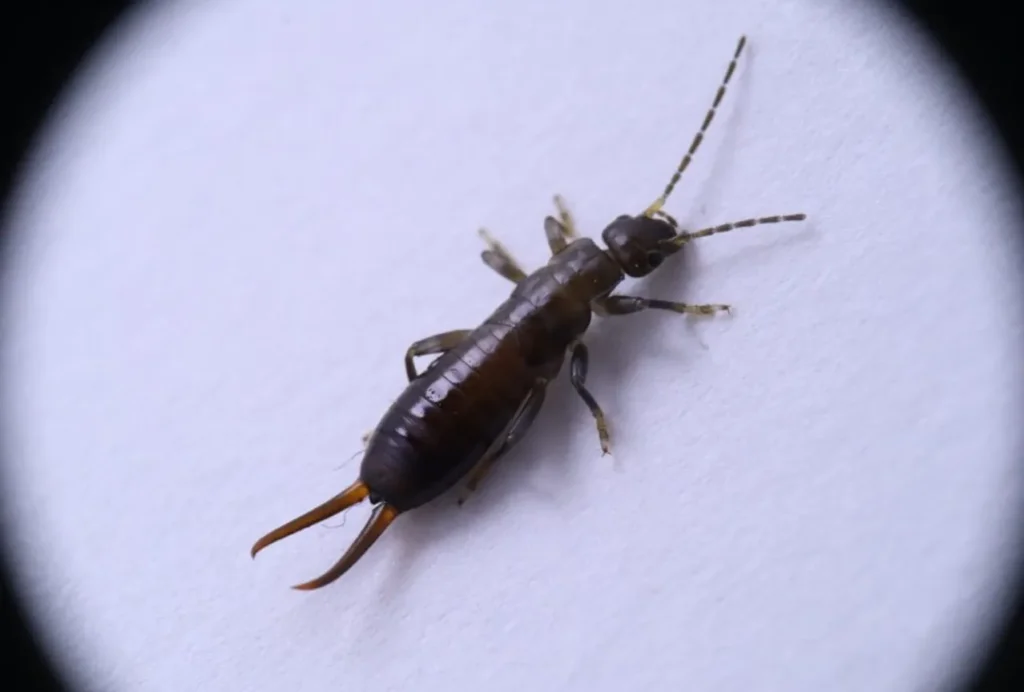
Earwig reproduction is especially interesting because female earwigs show a level of care that is uncommon among many insects. This makes their life cycle more advanced than people often expect.
- Mating: Adult male and female earwigs mate after reaching maturity. In many common earwig populations, mating occurs during cooler seasons or before egg-laying periods.
- Nest preparation: The female searches for a dark, moist, and protected location. This may be underground soil, a small burrow, or a sheltered natural crack.
- Egg laying: The female lays a clutch of eggs. In the European earwig, females may lay 30-55 eggs, though the number can vary by species and environment.
- Egg cleaning: The mother cleans the eggs with her mouthparts. This helps prevent fungal growth and keeps the eggs healthy.
- Protection: The female guards the eggs from predators and environmental stress. She may move the eggs if the nest becomes unsafe.
- Hatching: When the eggs hatch, the young baby earwigs remain close to the mother for the early part of life.
- Nymph care: The mother may continue protecting the nymphs until they are strong enough to leave and forage.
- Independence: After early development and molting, young earwigs become independent and begin searching for food on their own.
This parental behavior is one of the most important biological features of earwigs. It increases the survival chance of young nymphs and helps maintain the population naturally.
The importance of them in this Ecosystem
Natural Decomposers
Earwigs play an important role as natural decomposers. They feed on decaying leaves, dead flowers, rotting plant material, and other organic matter. Breaking these materials into smaller pieces helps return nutrients to the soil.
This process supports soil health, plant growth, and the natural recycling system of gardens and forests.
Pest Reduction
Earwigs sometimes eat small pests such as aphids, insect eggs, larvae, mites, and weak insects. In this way, they can act as natural pest controllers.
Although they may damage soft plants when populations are high, they can also reduce harmful insects in balanced ecosystems.
Food for Other Animals
Earwigs are also part of the food chain. Birds, frogs, lizards, spiders, beetles, and small mammals may eat them. This makes earwigs an important food source for many animals.
Without small insects like earwigs, many predators would lose part of their natural diet.
Soil and Garden Balance
In a healthy garden, earwigs are neither fully good nor fully bad. Their value depends on population size and plant condition.
A small number of earwigs can support decomposition and pest control. Too many may harm seedlings, fruits, or flowers.
The best approach is not destruction but ecological balance. Understanding the earwig life cycle helps gardeners manage them wisely.
What to do to protect them in nature and save the system for the future
Earwigs are often treated only as pests, but they also play an important role in the Ecosystem. Protecting their natural role does not mean allowing them to overrun homes or gardens. It means managing them responsibly.
- Avoid unnecessary pesticide use: Chemical sprays can kill earwigs along with bees, butterflies, beetles, and other helpful insects.
- Keep natural leaf litter in limited areas: A small amount supports decomposers, including earwigs, without creating an uncontrolled pest zone.
- Use organic garden balance: Encourage birds, frogs, and beneficial insects that naturally control earwig populations.
- Do not destroy every hiding place: Keep some natural shelters away from the house, such as compost areas or wild garden corners.
- Move mulch away from home foundations: This protects the house while still allowing earwigs to live in garden spaces.
- Use earwig traps before chemical control: Rolled newspaper, cardboard tubes, or oil traps can reduce numbers without harming the wider Ecosystem.
- Protect seedlings naturally: Use barriers, raised pots, or nighttime monitoring instead of heavy spraying.
- Improve drainage: Wet, poorly drained areas attract too many earwigs. Balanced moisture helps prevent outbreaks.
- Seal house cracks: This keeps house earwig problems low without needing indoor insecticides.
- Educate children and gardeners: Teach that earwigs are not monsters. They are small insects with a role in nature.
Responsible earwig control protects plants, homes, and the Ecosystem simultaneously.
Frequently Asked Questions FAQs
Q1: What is an earwig?
A: An earwig is a small insect from the order Dermaptera. It has a flat body, long antennae, chewing mouthparts, and pincers at the end of its abdomen.
Q2: What is the earwig life cycle?
A: The earwig life cycle includes three main stages: egg, nymph, and adult. Earwigs do not have a pupal stage.
Q3: What does a baby earwig look like?
A: A baby earwig looks like a smaller, lighter adult earwig. It has a similar body shape but weaker pincers and undeveloped wings.
Q4: Do earwigs bite humans?
A: The phrase earwig bite is common, but earwigs usually do not bite humans. They may pinch with their pincers if handled or threatened, but they are not venomous.
Q5: Are earwigs dangerous in the house?
A: A house earwig is usually not dangerous. It may enter homes in search of moisture or shelter, but it does not normally form large indoor colonies.
Q6: What do earwigs eat?
A: Earwigs eat decaying plant matter, soft fruits, tender leaves, dead insects, small pests, fungi, and organic debris.
Q7: What are the best earwig traps?
A: Useful earwig traps include rolled damp newspaper, cardboard tubes, shallow oil traps, and hiding traps placed near garden beds overnight.
Q8: How can I control earwigs naturally?
A: Natural earwig control includes reducing moisture, removing leaf piles near the house, sealing cracks, moving mulch away from walls, and using simple traps.
Conclusion
The earwig life cycle shows how a small insect can have a surprisingly complex and useful role in nature. From protected eggs to active baby earwigs and mature adults, earwigs grow through gradual development and survive by using moisture, darkness, flexible feeding habits, and hidden shelters.
Although many people fear them because of myths about ears and biting, earwigs are usually harmless to humans. They may become pests when they damage seedlings, flowers, or fruits, but they also help decompose organic matter and control small insects.
The best way to manage earwigs is through balance. Use safe earwig control methods when they enter homes or harm plants, but avoid destroying them unnecessarily in natural spaces. When understood properly, the earwig is not just a pest. It is a small but important part of the Ecosystem.
Also Read: strawberry life cycle