Admin
Admin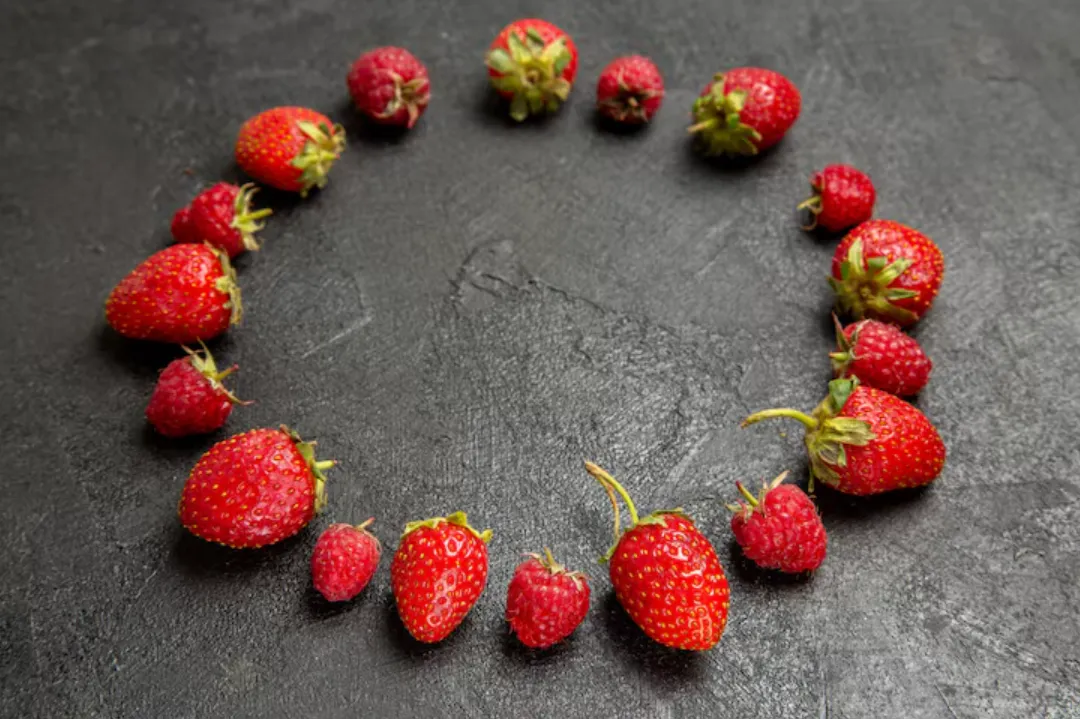
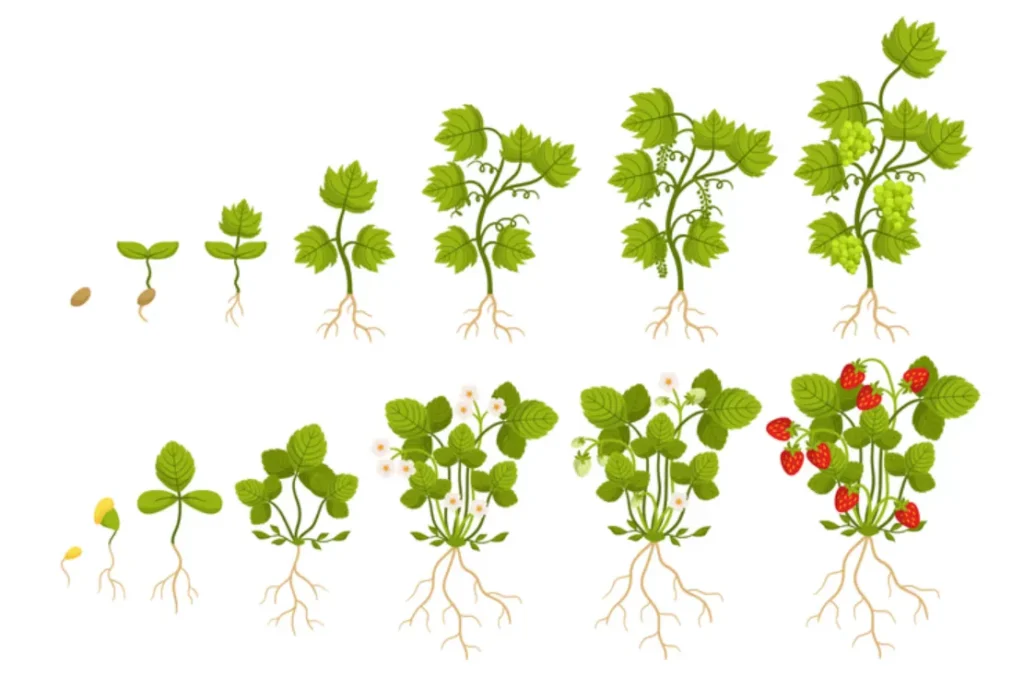
The strawberry life cycle is a fascinating journey that transforms a small seed into the vibrant, red fruit we all love. Whether you’re an avid gardener, a food enthusiast, or just curious about this delicious fruit, understanding the strawberry life cycle can give you a deeper appreciation for its growth process.
Strawberries are not only known for their sweetness but also for their rich history and nutritional value. This article will take you through the strawberry’s life cycle, its origin, its significance in ecosystems, and how we can protect them in nature.
Quick Answers:
- How long does it take for strawberries to grow from seed?
- It typically takes around 3-4 months for strawberries to grow from seed to harvestable fruit.
- What is the best season to plant strawberries?
- Strawberries are best planted in early spring or late fall when soil temperatures are between 60 and 80°F (15 and 27°C).
- How do strawberries reproduce?
- Strawberries reproduce through seeds, runners (stolons), and by vegetative propagation (cloning from parent plants).
Quick Life Cycle Table
| Stage | Duration | Description |
| Germination | 7-30 days | Seeds sprout into small seedlings. |
| Vegetative Growth | 6-8 weeks | The plant grows leaves, stems, and roots. |
| Flowering | 3-4 weeks | The plant produces small white flowers. |
| Pollination | 1-2 weeks | Bees and other insects pollinate the flowers. |
| Fruit Development | 3-4 weeks | The flowers turn into small green berries that ripen into red strawberries. |
| Harvest | 2-3 weeks after the fruit turns red | The fruit is picked when ripe and sweet. |
The History of Their Scientific Naming
Strawberries belong to the genus Fragaria and are scientifically known as Fragaria × ananassa. The “×” in the name indicates that the strawberry is a hybrid plant. Historically, the first cultivated strawberries originated from crosses between North American and European species in the 18th century. This hybridization occurred in Europe, where native strawberries were crossed with varieties introduced from the Americas. The most common strawberry, Fragaria × ananassa, was first grown in Europe in the 1600s and has since been cultivated worldwide.
Their Evolution and Their Origin
Strawberries have a rich evolutionary history. The wild strawberries, which are native to both Europe and North America, are the ancestors of the modern cultivated strawberry. Wild strawberries have been cultivated for thousands of years, and their use can be traced back to the indigenous peoples of the Americas. These early varieties were much smaller than the ones we eat today but were still prized for their sweet, tangy flavor.
The domesticated strawberry as we know it today evolved after the discovery of the Fragaria × ananassa hybrid in the 18th century. This hybridization resulted from crossing Fragaria virginiana from North America with Fragaria chiloensis from South America. The larger, sweeter fruit resulting from this crossbreeding was highly sought after and soon became a staple in gardens worldwide.
Today, strawberries are cultivated in nearly every country, with commercial varieties being much larger and sweeter than their wild counterparts. Modern strawberry farming relies heavily on the cultivation of these hybrid varieties, which have been further improved through selective breeding.
Their Main Food and Its Collection Process
Strawberries are primarily grown for their fruit, which is used in a wide variety of food products, from fresh fruit to preserves, juices, and baked goods. The collection of strawberries involves a careful and detailed process:
- Planting: Strawberry plants are usually grown from bare-root plants or runners (the small offshoots from an existing plant).
- Harvesting: The plants are monitored closely for when the fruit ripens. Strawberries do not continue to ripen once picked, so it’s essential to harvest them when they are fully red.
- Sorting: After being harvested, strawberries are sorted by size and quality. The best ones are typically sold fresh, while others may be used for processing.
- Packaging: Fresh strawberries are packed in ventilated containers to avoid bruising and to maintain freshness during transport.
- Distribution: Strawberries are often transported to markets and grocery stores within a few days of being harvested to ensure they remain fresh.
Their Life Cycle and Ability to Survive in Nature
Strawberries have an adaptable life cycle that allows them to thrive in a variety of environments. From seed to fruit, their life cycle includes several stages, each of which is crucial for their growth and survival:
- Seed Stage: A strawberry plant begins as a tiny seed, which requires the right conditions, such as warmth and moisture, to germinate.
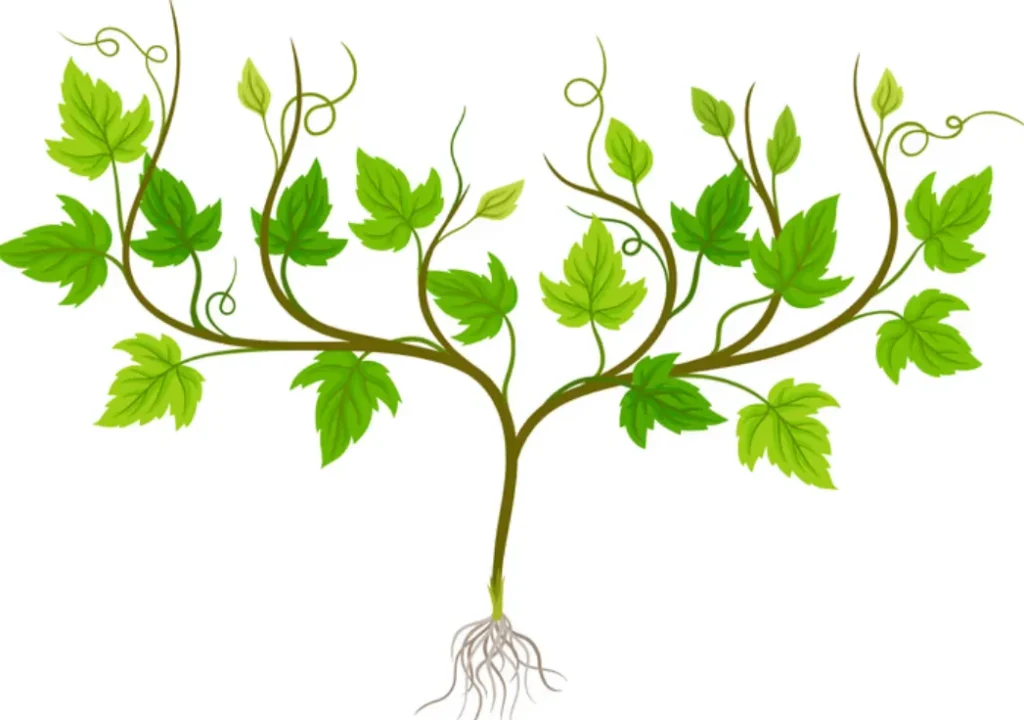
- Vegetative Growth: During this stage, the plant develops roots, stems, and leaves. The strawberry plant requires plenty of sunlight and well-drained soil to flourish.
- Flowering: As the plant matures, it produces white or pink flowers. These flowers are important for pollination, which is necessary for fruit production.
- Pollination and Fruit Development: Pollination typically occurs through bees or other insects, after which the plant’s flowers transform into green strawberries. As the fruit ripens, it changes from green to red, signaling that it is ready for harvest.
In nature, strawberries have a natural ability to adapt to different climates. They can be found in temperate regions of the world, where they grow in a variety of environments, including forests, fields, and gardens. Their resilience stems from their ability to reproduce both sexually and asexually, ensuring that even if one plant is damaged, the species can survive.
Their Reproductive Process and Raising Their Children
Strawberries are capable of reproducing both sexually and asexually. The sexual reproduction process involves the following steps:
- Pollination: Bees and other insects transfer pollen from male to female flowers.
- Fertilization: After pollination, fertilization occurs, and the flower begins to develop into a strawberry fruit.
In addition to sexual reproduction, strawberries also propagate asexually through runners, or stolons. These are offshoots from the main plant that grow along the ground. The runners take root at various points, developing into new strawberry plants. This ability to produce offspring without needing another plant makes strawberries an efficient species in nature.
Important Things That You Need To Know About Strawberry Shortcake Characters and Strawberry Moon
The world of Strawberry Shortcake characters extends beyond the delicious fruit to include vibrant, animated characters that have become iconic over the years. Strawberry Shortcake is a beloved cartoon character created by Muriel Fahrion in 1980. The character’s popularity soared as children around the world were introduced to her in books, toys, and animated series. Strawberry Shortcake, along with her friends like Blueberry Muffin, Raspberry Tart, and others, became symbols of kindness, friendship, and sweetness. Over time, the character evolved and was updated for new generations, including recent revivals in animated series and even video games.
Another fascinating aspect of strawberries is the strawberry moon, a phenomenon that occurs when the full moon falls during the strawberry harvest season in June. The strawberry moon doesn’t actually appear strawberry-colored, but gets its name from early settlers who noticed that this full moon coincided with the start of the strawberry-harvesting season. It’s a beautiful sight that often captivates stargazers and strawberry enthusiasts alike.
Incorporating these LSI keywords into your knowledge of strawberries, the strawberry shortcake characters bring an element of fun and nostalgia to strawberry culture. In contrast, the strawberry moon connects the fruit to celestial events, making it even more intriguing. These highlights add depth to the cultural significance of strawberries and are important to understand as you explore the full story behind this beloved fruit.
Importance of Them in This Ecosystem
Strawberries play a vital role in the ecosystem, benefiting both humans and wildlife. Here’s how they contribute:
- Pollinators: Strawberry flowers attract various pollinators, especially bees. By supporting pollinators, strawberries help maintain healthy biodiversity in their ecosystems.
- Wildlife: Strawberries provide food for birds, insects, and small mammals. Their sweet fruit provides essential nutrients to many wild species.
- Soil Health: The root systems of strawberry plants help prevent soil erosion and maintain soil fertility, promoting healthier ecosystems for other plants and animals.
- Human Consumption: As one of the most beloved fruits worldwide, strawberries are an essential part of human diets, providing vitamins, fiber, and antioxidants.
What to Do to Protect Them in Nature and Save the System for the Future
To ensure that strawberry plants continue to thrive in the wild and in cultivated fields, we must take measures to protect them:
- Conserve Pollinators: Protecting pollinators, such as bees, by planting pollinator-friendly gardens and reducing pesticide use is essential for maintaining healthy strawberry crops.
- Support Organic Farming: Organic farming practices help preserve soil health and reduce chemical usage, making it easier for strawberries to grow naturally.
- Educate and Advocate: Encourage others to learn about the importance of strawberries and their role in ecosystems. Advocacy can help protect their natural habitats.
- Preserve Habitats: Avoid deforestation and destruction of natural environments where wild strawberries grow. Preserving these areas is crucial for maintaining biodiversity.
Frequently Asked Questions (FAQs)
- How long does a strawberry plant live?
- Strawberry plants typically live for 2-3 years, though they may continue to produce fruit for longer if well-maintained.
- Can strawberries grow in pots?
- Yes, strawberries can grow in pots or containers, making them suitable for small gardens or balconies.
- Are strawberries self-pollinating?
- No, strawberries require cross-pollination from bees or other insects to produce fruit.
- What is the best soil for growing strawberries?
- Strawberries prefer well-drained, loamy soil that is slightly acidic (pH 5.5-6.5).
- How can I increase strawberry yield?
- Providing adequate sunlight, water, and nutrients, along with regular pruning, can help increase strawberry yield.
- Do strawberries need full sun?
- Yes, strawberries need full sun for at least 6-8 hours a day to produce high-quality fruit.
- Can strawberries survive winter?
- Yes, strawberries are hardy plants, but they may require protection during winter, such as mulching.
- How do I know when strawberries are ripe?
- Strawberries are ripe when they turn a deep red color and are firm to the touch.
Conclusion
Understanding the strawberry life cycle not only enriches our knowledge of this delicious fruit but also highlights its ecological importance. From seed to fruit, strawberries undergo a remarkable transformation, playing a vital role in the ecosystem and providing nourishment for many species, including humans.
By taking steps to protect strawberry plants and their habitats, we can ensure that future generations continue to enjoy their sweetness and appreciate their place in nature.
Also Read: mushroom life cycle