Admin
Admin
The shark life cycle is one of the most fascinating processes in the marine world. Sharks, including species like the great white shark and whale shark, have unique reproductive strategies and slow growth rates that set them apart from most fish. Unlike many marine animals, sharks produce fewer offspring, but their survival strategies make them powerful apex predators.
Understanding the Shark life cycle helps us learn how these incredible creatures maintain balance in ocean ecosystems. From birth as vulnerable pups to becoming dominant hunters, sharks undergo several stages of development.
Quick Answers (Most Common Questions)
- How long is the shark’s life cycle?
- Sharks can live from 20 to over 100 years, depending on the species.
- Do sharks lay eggs or give birth?
- Sharks can do both—some lay eggs, while others give live birth.
- How many babies do sharks have?
- It varies widely, from 2 to over 100 pups depending on the species.
Quick Life Cycle Table
| Stage | Description | Duration |
| Fertilization | Internal fertilization inside the female | Immediate |
| Embryo Development | Eggs develop inside or outside the body | Weeks–Months |
| Birth / Hatching | Shark pups are born or hatch from egg cases | Varies |
| Juvenile Stage | Young sharks grow and learn survival skills | Years |
| Adult Stage | Fully grown sharks reproduce and hunt efficiently | Decades |
The History Of Their Scientific Naming
The scientific classification of sharks dates back centuries and reflects their biological uniqueness.
- Sharks belong to the class Chondrichthyes, meaning “cartilaginous fish,” because their skeletons are made of cartilage instead of bone.
- Early naturalists grouped sharks with rays due to their similar body structures.
- The term “shark” originates from old maritime languages, but scientific naming began with Carl Linnaeus in the 18th century.
- Linnaeus introduced binomial nomenclature, giving sharks names like Carcharodon carcharias (great white shark).
- Over time, scientists identified over 500 species, refining classification based on anatomy, teeth, and DNA.
- Modern taxonomy uses genetic research to understand better relationships between species such as hammerheads and whale sharks.
This scientific history highlights how sharks evolved into a distinct and diverse group of marine predators.
Their Evolution And Their Origin
Sharks are among the oldest living creatures on Earth, with a history spanning more than 400 million years. They existed long before dinosaurs and survived multiple mass extinction events.
Early shark-like species appeared during the Devonian period. These ancient sharks had simpler structures but already displayed features like sharp teeth and flexible bodies. Over millions of years, sharks evolved into more specialized forms.
One major evolutionary advantage was their cartilaginous skeleton, which made them lighter and more agile in water. This allowed them to become efficient hunters. Their highly developed senses—such as detecting electrical signals—also gave them an edge.
Different species adapted to various habitats. For example:
- The whale shark evolved into a filter feeder.
- The great white shark became a powerful predator.
Sharks also developed different reproductive strategies to ensure survival. Some lay eggs, while others give birth to live young, increasing the chances of offspring survival.
Today, sharks continue to evolve slowly, but human activities pose new challenges to their survival.
Their Main Food and Its Collection Process
Sharks have diverse diets depending on their species, size, and habitat.
Main Food Sources
- Fish and smaller marine animals
- Squid and octopus
- Seals and sea lions (for larger sharks)
- Plankton (for whale sharks)
- Crustaceans and mollusks
Food Collection Process
- Hunting Strategy: Sharks use stealth and speed to catch prey.
- Sense Detection: They detect vibrations and electrical signals from prey.
- Sharp Teeth: Designed for tearing flesh or filtering food.
- Ambush Technique: Many sharks attack from below.
- Filter Feeding: Species like whale sharks swim with open mouths to collect plankton.
Sharks are efficient predators, and their feeding habits help control marine populations.
Important Things That You Need To Know
Sharks are often misunderstood creatures, partly due to media and entertainment like Shark Tale or viral content like Baby Shark. However, their real-world importance goes far beyond pop culture.
The great white shark is one of the most powerful predators in the ocean. It plays a critical role in maintaining the balance of marine ecosystems by controlling the population of seals and other prey species. Without it, ecosystems could become unstable.
On the other hand, the whale shark, the largest fish in the world, is gentle and feeds mainly on plankton. This highlights the diversity within shark species.
Interestingly, the word “shark” is also used in unrelated contexts like shark vacuum or shark flexstyle, which are household products. While these are not connected biologically, they show how influential the word “shark” has become in branding, symbolizing power and efficiency.
In reality, sharks are not mindless killers. They are highly evolved animals with complex behaviors, social interactions, and survival strategies. Understanding these aspects helps reduce fear and encourages conservation.
Their Life Cycle and Ability to Survive in Nature
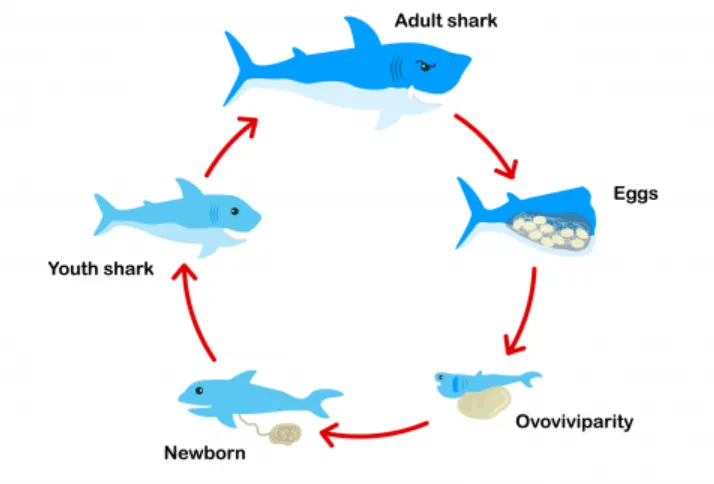
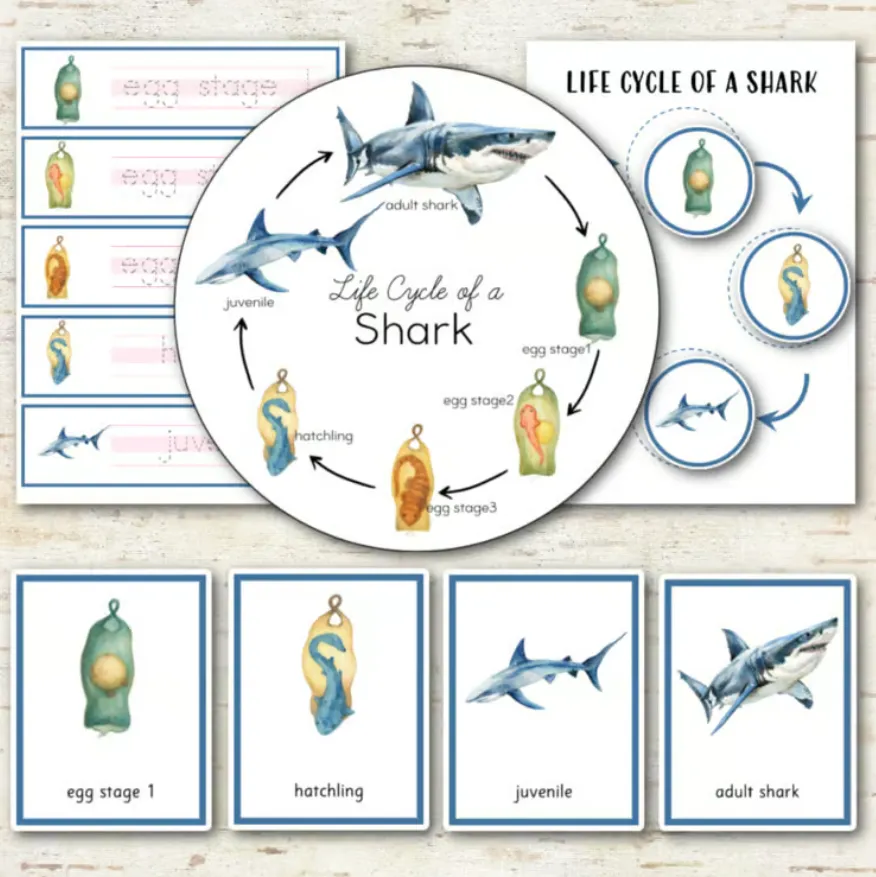
1. Fertilization Stage
Sharks reproduce through internal fertilization. Males use claspers to transfer sperm to females.
2. Embryo Development
- Some sharks lay eggs (oviparous).
- Others develop embryos inside the body (viviparous or ovoviviparous).
3. Birth or Hatching
Shark pups are born fully formed and capable of swimming immediately.
4. Juvenile Stage
Young sharks must survive on their own, avoiding predators and finding food.
5. Adult Stage
Adult sharks become top predators and reproduce to continue the cycle.
Sharks survive due to their adaptability, strong senses, and efficient hunting skills.
Their Reproductive Process and Raising Their Children
Sharks have one of the most unique reproductive systems in the animal kingdom.
Key Points
- Internal Fertilization: Ensures higher survival rates.
- Egg-Laying Species: Some sharks lay egg cases called “mermaid’s purses.”
- Live Birth Species: Others give birth to live pups.
- Low Offspring Count: Compared to fish, sharks produce fewer young.
- No Parental Care: Most sharks do not raise their young after birth.
Some species even exhibit unusual behaviors like intrauterine cannibalism, where stronger embryos consume weaker ones.
Despite the lack of parental care, shark pups are born strong and independent.
Importance of Them in this Ecosystem
1. Maintaining Balance
Sharks regulate prey populations and prevent overpopulation.
2. Supporting Biodiversity
They help maintain healthy ecosystems by removing weak or sick animals.
3. Ocean Health Indicators
Healthy shark populations indicate a balanced marine ecosystem.
4. Controlling Food Chains
As apex predators, sharks influence multiple levels of the food chain.
Without sharks, marine ecosystems could collapse, leading to environmental imbalance.
What to Do to Protect Them in Nature and Save the System for the Future
- Reduce overfishing and avoid shark products
- Support marine conservation organizations
- Avoid plastic pollution in oceans
- Promote sustainable seafood choices
- Educate others about the importance of sharks
- Support laws protecting endangered species
- Reduce carbon footprint to protect ocean habitats
- Participate in beach clean-up programs
Protecting sharks ensures the survival of ocean ecosystems.
Frequently Asked Questions (FAQs)
- What is the life cycle of a shark?
- It includes fertilization, embryo development, birth, juvenile stage, and adulthood.
- How long do sharks live?
- Depending on species, sharks can live from 20 to over 100 years.
- Do all sharks lay eggs?
- No, some lay eggs while others give birth to live young.
- What do baby sharks eat?
- They eat small fish, plankton, or crustaceans.
- Are sharks dangerous to humans?
- Most species are not dangerous and avoid humans.
- How many species of sharks exist?
- There are over 500 known species.
- Why are sharks important?
- They maintain balance in marine ecosystems.
- Can sharks survive in freshwater?
- Some species, like bull sharks, can survive in freshwater.
Conclusion
The shark life cycle is a remarkable journey that highlights the resilience and adaptability of one of the ocean’s oldest predators. From birth as independent pups to becoming apex predators, sharks play a vital role in maintaining marine ecosystems.
Their slow reproduction rates make them vulnerable to threats like overfishing and habitat destruction. This is why understanding their life cycle is crucial for conservation efforts.
By protecting sharks, we are not just saving a species—we are preserving the health of our oceans. With proper awareness and action, future generations can continue to witness the power and beauty of these incredible creatures in their natural habitat.
Also Read: life cycle of fungal