Admin
Admin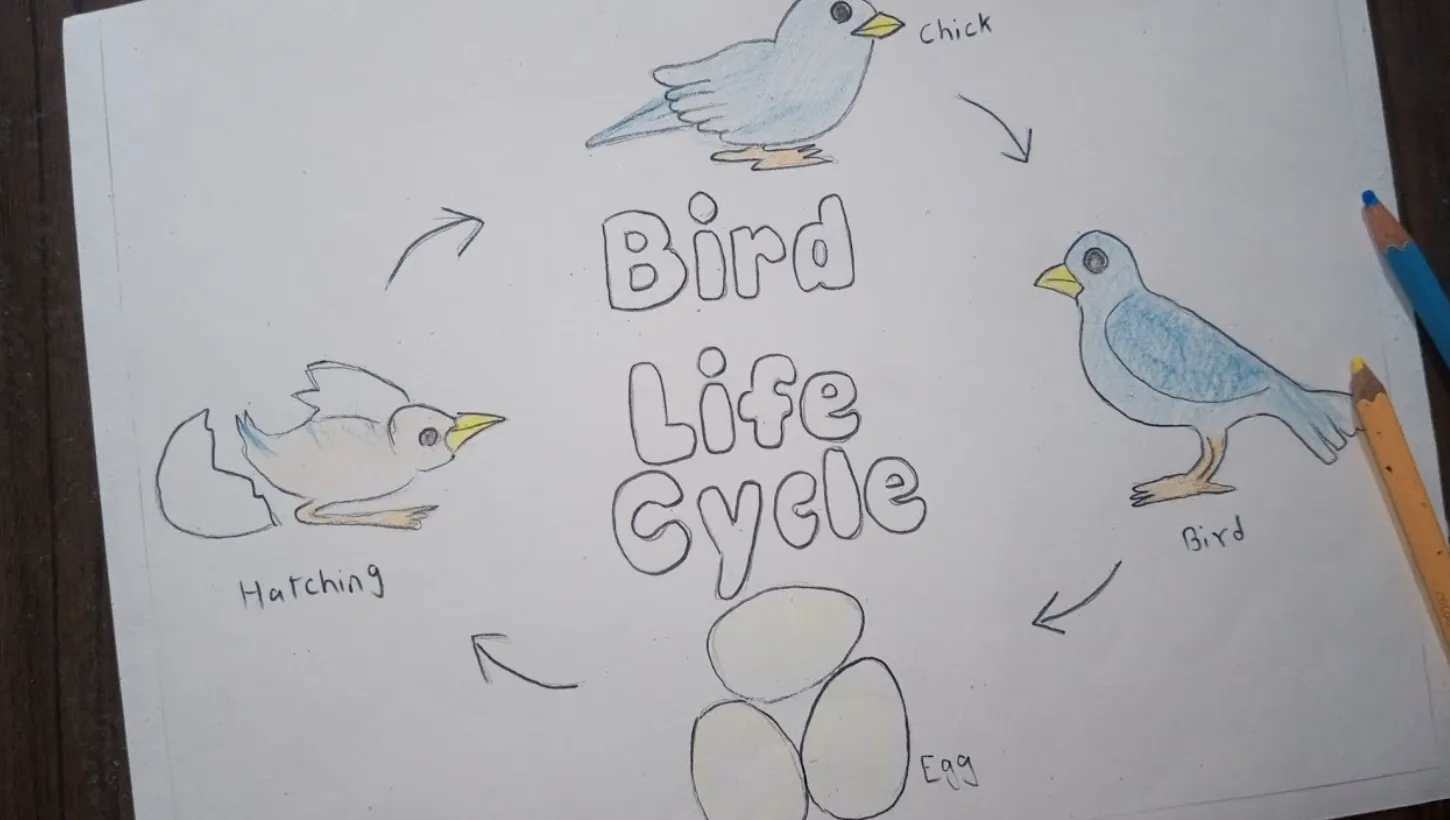
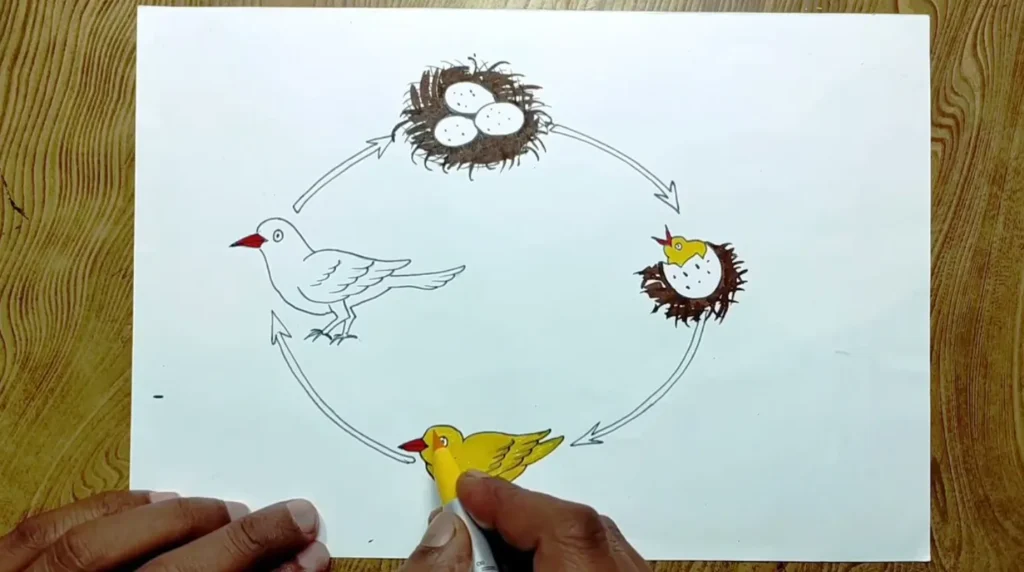
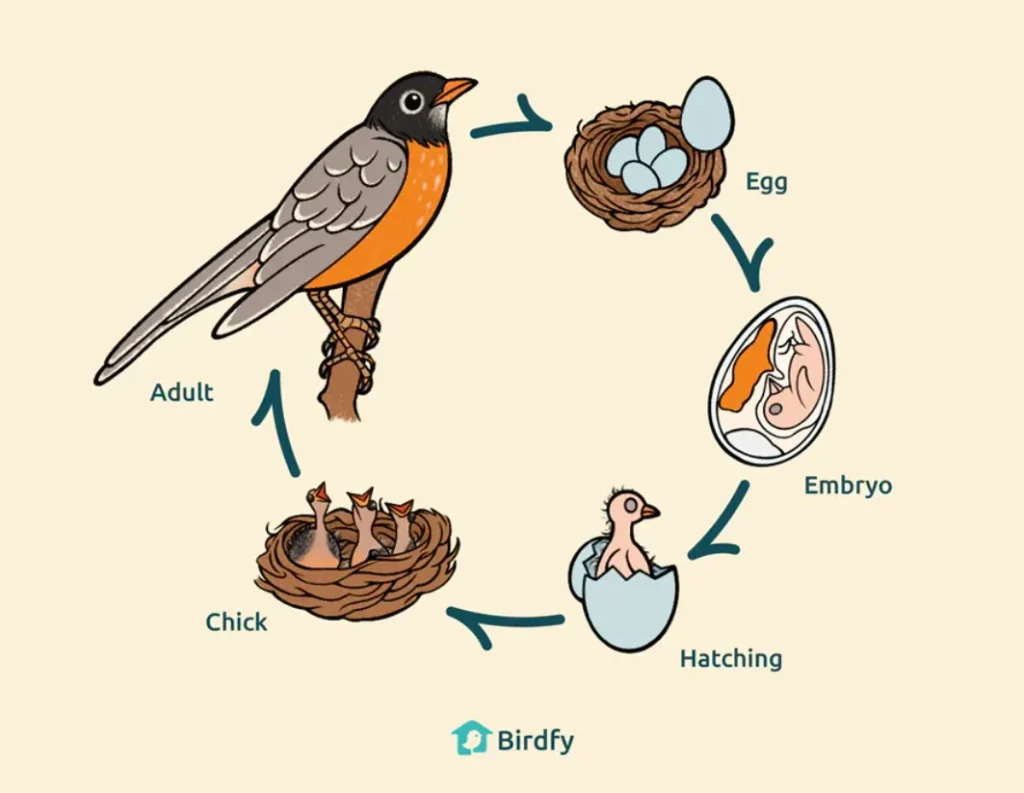
The s as a young chick grows feathers, learns to fly, becomes independent, and finally reaches adulthood. Although every bird species has its own timing, the basic pattern is similar across most birds: egg, hatchling or nestling, fledgling or juvenile, and adult bird.
Birds belong to the scientific class Aves, and they are among the most widespread animals on Earth. They live in forests, wetlands, grasslands, deserts, mountains, cities, oceans, and even polar regions. From tiny hummingbirds to large ostriches and powerful eagles, birds exhibit remarkable differences in size, behavior, diet, lifespan, and parenting.
Understanding the bird life cycle is important because it helps us see how birds reproduce, raise their young, survive in nature, and support the environment. Birds control insects, spread seeds, pollinate flowers, clean up carrion, and act as early warning signs of environmental change.
Quick Answers: Most Common Questions
Q: What are the main stages in the life cycle of a bird?
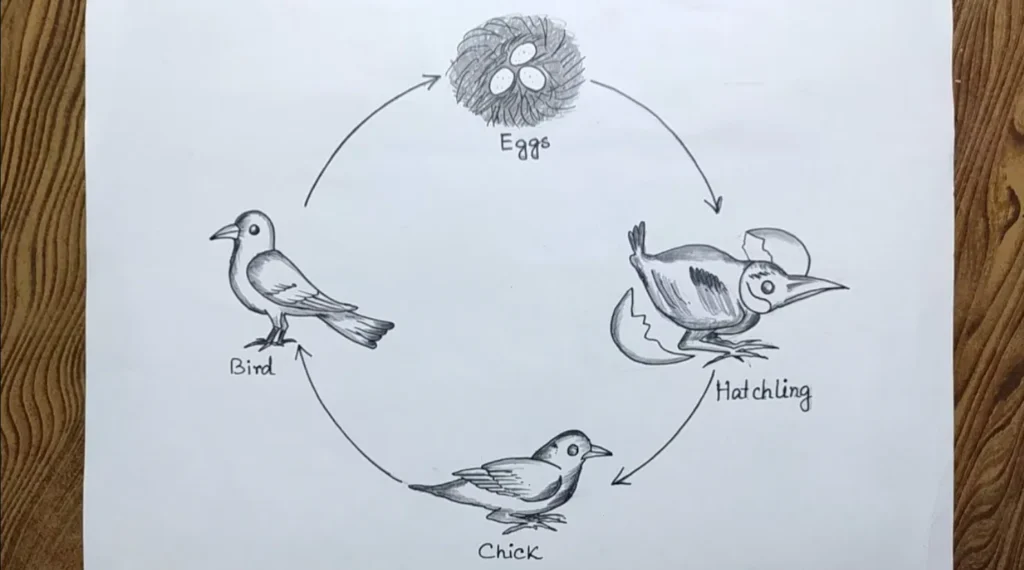
A: The main stages are egg, hatchling or nestling, fledgling or juvenile, and adult bird.
Q: Do birds give birth like mammals?
A: No. Birds do not give birth to live babies. They reproduce by laying eggs, and the baby bird develops inside the egg before hatching.
Q: How long does it take for a bird to become an adult?
A: It depends on the species. Small songbirds may become independent within weeks, while large birds such as eagles, parrots, and albatrosses may take months or even years to mature fully.
Quick Life Cycle Table
| Stage | What Happens | Common Time Range |
| Egg | The embryo develops inside the shell while the parents incubate it | About 9–80 days, depending on species |
| Hatchling/Nestling | Baby bird hatches, needs warmth, food, and protection | A few days to several weeks |
| Fledgling/Juvenile | Young bird grows feathers, leaves the nest, learns to fly, and feeds | Several days to months |
| Adult Bird | Bird becomes mature, finds food, survives, mates, and repeats the cycle | Lifespan varies from a few years to decades |
Important Things That You Need To Know
A bird is not just an animal that flies. Some birds, such as ostriches and penguins, cannot fly in the usual way, but they are still true birds because they have feathers, lay eggs, breathe through lungs, and belong to the class Aves.
The word ‘bird‘ is also an important LSI keyword because people often search for related topics such as bird life cycle, bird reproduction, bird diet, bird habitat, and bird lifespan. These connected terms help explain the full natural story of birds rather than focusing on just one stage.
There are more than 11,000 recognized bird species worldwide, and each one has adapted to its own environment. A duckling can walk and swim soon after hatching, while a baby sparrow may hatch helpless, blind, and nearly featherless. This difference shows why a single example cannot explain the life cycle of birds.
Another important point is that birds are highly connected to ecosystems. A single bird species may eat insects, spread seeds, pollinate plants, or become food for other animals. Their nesting, feeding, migration, and breeding behavior all influence the balance of nature.
So, when we study the life cycle of a bird, we are also learning about survival, adaptation, parenting, food chains, climate, habitat health, and biodiversity.
The History Of Their Scientific Naming, Evolution, and Origin
Scientific Naming of Birds
Birds belong to the class Aves, a scientific name traditionally used for all modern birds. The term is linked to the Latin word for birds. In scientific classification, birds are placed within the animal kingdom, phylum Chordata, and class Aves.
Each bird species also has a two-part scientific name. For example, the House Sparrow is known as Passer domesticus. This system helps scientists identify birds accurately across different languages and countries.
Evolution From Ancient Dinosaurs
Modern birds evolved from a group of feathered theropod dinosaurs. This means birds are not just related to dinosaurs; they are considered living descendants of that ancient lineage.
Fossils such as Archaeopteryx helped scientists understand the connection between reptiles, dinosaurs, feathers, wings, and flight. Over millions of years, some dinosaur groups developed lighter bones, feathers, stronger chest muscles, and better wing structures.
Origin and Global Spread
Birds became highly successful because they adapted to many habitats. After major extinction events, bird lineages continued to evolve into seabirds, songbirds, raptors, waterbirds, flightless birds, and many other groups.
Today, birds are found on every continent, making them one of the most visible and important animal groups in the world.
Their Reproductive Process, Giving Birth, And Rising Their Children
Courtship and Pair Formation
The reproductive process of a bird usually begins with courtship. Male birds may sing, dance, show bright feathers, build nests, or bring food to attract a mate.
Some species form pairs for one breeding season, while others may stay with the same partner for many years. Pair bonding helps parents cooperate in nest building, incubation, feeding, and protecting the young.
Egg Laying Instead of Live Birth
Birds do not give birth like mammals. They are oviparous, which means they lay eggs. After internal fertilization, the female forms an egg inside her body and lays it in a nest, cavity, scrape, burrow, or protected site.
The egg contains the growing embryo, yolk for nutrition, membranes for protection, and a shell that allows gas exchange.
Incubation and Hatching
Incubation means keeping the eggs warm until the chicks are ready to hatch. In many species, both parents take turns incubating, but in some birds, only the female or male does most of the work.
Incubation can be short in small songbirds and much longer in large seabirds or ground-nesting birds.
Raising Their Children
After hatching, young birds may be altricial or precocial. Altricial chicks are helpless, often blind, and need constant feeding. Precocial chicks hatch more developed and may walk, swim, or follow parents soon after hatching.
Parents protect chicks from predators, bad weather, hunger, and competition until they can survive independently.
Stages of the Life Cycle of a Bird
Stage 1: Egg
The first stage in the life cycle of a bird is the egg. Inside the egg, the embryo grows using nutrients from the yolk. The hard outer shell protects the developing bird while still allowing oxygen to enter.
Parents usually keep the egg warm through incubation. Temperature control is very important because excessive heat, cold, or disturbances can affect development.
Stage 2: Hatchling or Nestling
When the young bird is ready, it breaks the shell using a small temporary structure called an egg tooth. This process is called hatching.
A newly hatched bird may be weak and dependent. Many songbird chicks hatch with closed eyes and little or no feathers. At this stage, parents feed them frequently and keep them warm.
Stage 3: Fledgling or Juvenile
The fledgling stage begins when the young bird leaves the nest or starts moving outside it. A fledgling may look fluffy, clumsy, and unable to fly well. This is normal.
During this stage, the young bird practices flying, landing, balancing, and finding food. Parents often continue feeding and protecting it for days or weeks.
Stage 4: Adult Bird
The final stage is adulthood. An adult bird can usually find food, avoid predators, migrate if needed, defend territory, attract a mate, and reproduce.
Once mature, the adult bird begins the cycle again by finding a partner, building or choosing a nest site, laying eggs, and raising the next generation.
Their Main Diet, Food Sources, And Collection Process Explained
The diet of a bird depends on its species, habitat, season, beak shape, body size, and feeding behavior. Birds have evolved many feeding strategies, which is one reason they survive in so many environments.
Common Bird Food Sources
Birds may eat:
- Seeds and grains, especially finches, sparrows, doves, and pigeons.
- Insects and spiders, especially during the breeding season, are a source of protein for chicks.
- Fruits and berries, which help birds gain energy and spread seeds.
- Hummingbirds, sunbirds, and honeyeaters
- mainly collect nectar.
- Kingfishers, herons, pelicans, and seabirds eat fish and aquatic animals.
- Small mammals, reptiles, or other birds are hunted by raptors such as hawks and owls.
- Carrion, eaten by vultures and some crows, helps clean the environment.
How Birds Collect Food
Birds use their beaks, feet, eyesight, hearing, memory, and movement patterns to collect food. A woodpecker drills into bark for insects, a heron waits silently for fish, and a hummingbird uses its long bill to drink nectar.
Some birds store food for later. Jays and woodpeckers may hide nuts or seeds, while raptors may return to feeding areas where prey is common.
Seasonal Diet Changes
Many birds change their diets with the seasons. During spring and summer, insects are often important because chicks need protein. During autumn and winter, seeds, berries, suet-like natural fats, and stored food become more important for energy.
How Long Does A Bird Live
The lifespan of a bird varies greatly. Some small wild birds live only a few years, while large parrots, seabirds, eagles, and albatrosses can live for several decades.
Several factors influence how long a bird lives.
- Species size matters: Larger birds often live longer than smaller birds. For example, many parrots, eagles, and albatrosses can live much longer than small songbirds.
- Predator pressure affects survival: Wild birds face threats from cats, snakes, larger birds, mammals, and humans. Eggs and chicks are especially vulnerable.
- Habitat quality is important: Birds living in healthy forests, wetlands, grasslands, or coastal areas usually have better access to food, shelter, and nesting sites.
- Food availability affects lifespan: a bird with reliable natural food sources has a better chance of surviving breeding, migration, and harsh seasons.
- Disease and parasites can reduce lifespan: Birds can suffer from infections, mites, viruses, and contaminated food or water.
- Migration is risky: Migratory birds travel long distances and face storms, exhaustion, predators, buildings, power lines, and loss of stopover habitats.
- Human threats are serious: Habitat destruction, pollution, pesticides, window collisions, outdoor cats, illegal hunting, and climate change all affect bird survival.
- Captive care may extend life: Some birds live longer in captivity because they receive steady food, medical care, and protection from predators. However, poor captivity conditions can shorten lifespan if diet, space, enrichment, and care are inadequate.
- Long-lived birds mature slowly: Albatrosses and some parrots may take years to reach breeding age. They usually lay fewer eggs but invest more in survival and parenting.
In general, a small backyard bird may live around 2–5 years in the wild, although some individuals live longer. Medium-sized birds may live 5–15 years. Large birds such as parrots, eagles, vultures, and albatrosses may live 30–70 years or more, depending on species and conditions.
Bird Lifespan in the Wild vs. in Captivity
Lifespan in the Wild
In the wild, birds live under natural conditions. They find their own food, avoid predators, survive storms, compete for territory, migrate, and raise young without human care.
Wildlife is healthier because birds live naturally, but it is also more dangerous. Many birds die young because eggs, chicks, and fledglings are vulnerable. Predation, disease, hunger, habitat loss, and bad weather can reduce survival rates.
However, some wild birds live remarkably long lives. Seabirds such as albatrosses are known for exceptional longevity because they have strong flight ability, fewer natural predators as adults, and slow reproductive strategies.
Lifespan in Captivity
In captivity, birds may live longer when they receive proper nutrition, clean water, veterinary care, safe housing, mental stimulation, and protection from predators.
Parrots are a common example of long-lived captive birds. Some species can live for several decades when properly cared for.
However, captivity is not automatically better. A bird kept in a small cage, fed poor food, or deprived of social and mental stimulation may suffer stress and illness. True care must support both physical and behavioral needs.
Importance of the Life Cycle of a Bird In This Ecosystem
Birds Support Food Chains
Birds are important parts of food chains. They eat insects, seeds, fruits, fish, small animals, and carrion. At the same time, birds and their eggs may become food for mammals, reptiles, and larger birds.
This movement of energy helps ecosystems stay active and balanced.
Birds Control Pests Naturally
Many birds eat insects that damage crops, forests, and gardens. During breeding season, parent birds may collect hundreds or thousands of insects to feed their chicks.
This natural pest control reduces the need for chemical pesticides and supports healthier environments.
Birds Spread Seeds and Pollinate Plants
Fruit-eating birds spread seeds through their droppings. This helps forests regenerate and allows plants to grow in new areas.
Nectar-feeding birds also pollinate flowers while feeding. In some ecosystems, plants depend heavily on birds for reproduction.
Birds Clean the Environment
Scavenging birds, especially vultures, consume dead animals. This reduces waste, slows the spread of disease, and keeps ecosystems cleaner.
Birds Indicate Environmental Health
Birds are often called indicators of ecosystem health. When bird populations decline, it may signal problems such as pollution, climate change, habitat destruction, or food shortage.
Protecting birds means protecting the natural systems that also support humans.
What To Do To Protect Them In Nature And Save The System For The Future
Protect Natural Habitats
- Conserve forests, wetlands, grasslands, coastal areas, and nesting sites.
- Support native plants because they provide food, shelter, and habitat for insects.
- Avoid destroying trees and shrubs during nesting season.
Reduce Pollution and Pesticide Use
- Use fewer chemical pesticides in gardens and farms.
- Keep rivers, ponds, and wetlands clean.
- Avoid plastic waste because birds may eat it or become trapped in it.
Keep Birds Safe Around Homes
- Place stickers or screens on windows to reduce collisions.
- Keep cats indoors or supervised.
- Avoid disturbing nests, eggs, or fledglings.
Support Responsible Feeding
- Use clean feeders and fresh water.
- Offer suitable food such as quality seeds, native berries, or nectar feeders where appropriate.
- Clean feeders regularly to prevent disease.
Support Conservation and Awareness
- Join bird-monitoring, local conservation, or habitat-restoration programs.
- Teach children about the life cycle of a bird.
- Report injured birds to trained wildlife rescuers instead of trying to raise them at home.
Fun & Interesting Facts About the Life Cycle of a Bird
- All bird species lay eggs, but egg size, color, shape, and number vary greatly.
- A tiny hummingbird egg may be smaller than a jellybean, while an ostrich egg is the largest bird egg in the world.
- Some baby birds hatch helpless, while others can walk or swim within hours.
- Fledglings often look abandoned, but their parents are usually nearby and still feeding them.
- Many birds recognize their chicks by calls, location, or behavior.
- Some birds build simple ground nests, while others create hanging nests, mud nests, floating nests, or tree cavities.
- Penguins are birds, even though they cannot fly. They use their wings like flippers underwater.
- The shape of a bird’s beak often reveals its diet. A seed-eater, fish-eater, and nectar-feeder usually have very different beaks.
- Some birds migrate thousands of kilometers every year and return to the same breeding areas.
- Birds are living descendants of ancient dinosaur lineages, making every modern bird a connection to Earth’s deep evolutionary past.
Frequently Asked Questions (FAQs)
Q: What is the life cycle of a bird?
A: The life cycle of a bird is the natural process from egg to hatchling, fledgling, juvenile, adult, reproduction, and the start of a new generation.
Q: What are the four main stages of a bird’s life cycle?
A: The four main stages are egg, hatchling or nestling, fledgling or juvenile, and adult bird.
Q: How long does a bird stay in the egg?
A: It depends on the species. Some small birds hatch in less than two weeks, while some large birds may need many weeks of incubation.
Q: What do baby birds eat?
A: Many baby birds eat soft, protein-rich foods such as insects and larvae brought by their parents. Some species may receive fish, regurgitated food, seeds, or other suitable food depending on the parent’s diet.
Q: Can a fledgling survive outside the nest?
A: Yes. A fledgling is a young bird that has left the nest and is learning to fly. In most cases, the parents are nearby and continue feeding it until it becomes independent.
Final Word
The life cycle of a bird is one of nature’s most fascinating processes. From a fragile egg to a hungry chick, from an unsteady fledgling to a skilled adult, every stage shows how birds survive, adapt, and support the environment.
Birds are more than beautiful animals in the sky. They control pests, spread seeds, pollinate plants, clean ecosystems, and help scientists understand environmental change. Their life cycle is closely connected to forests, wetlands, farms, oceans, cities, and human life.
Protecting birds means protecting the habitats, food sources, nesting areas, and natural systems they depend on. When we keep ecosystems healthy, birds can continue breeding, migrating, feeding, and raising future generations.
By understanding the life cycle of a bird, we learn not only about birds but also about the balance of life on Earth.
Also Read: life cycle of a beetle