Admin
Admin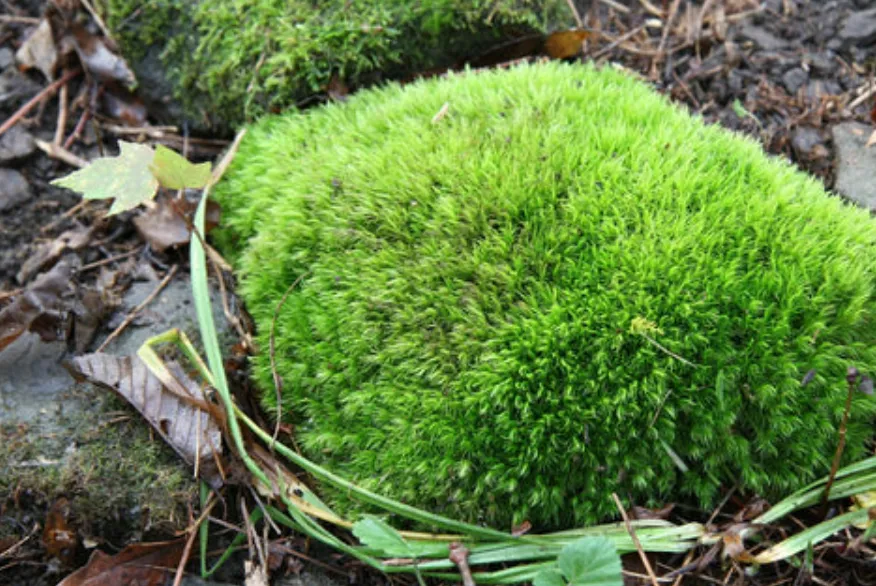
The life cycle of moss is one of the most fascinating natural processes in the plant kingdom. Unlike flowering plants, mosses follow a unique reproductive cycle that depends heavily on moisture and environmental conditions. These small, green plants belong to the group bryophytes and are commonly found in damp forests, on rocks, and even in urban areas.
Moss plays a crucial role in ecosystems by retaining moisture, preventing soil erosion, and supporting micro-life. Understanding how moss grows and reproduces can help us appreciate its importance in nature.
Quick Answers (Most Common Questions)
1. What are the stages in the moss life cycle?
The moss life cycle includes spores, protonema, gametophyte, fertilization, and sporophyte stages.
2. Does moss need water to reproduce?
Yes, moss requires water for fertilization because sperm must swim to reach the egg.
3. Where does moss commonly grow?
Moss grows in moist, shaded areas such as forests, rocks, tree trunks, and soil.
Quick Life Cycle Table
| Stage | Description | Duration |
| Spore | Tiny reproductive unit released into the air | Few days |
| Protonema | A thread-like structure is formed after germination | 1–2 weeks |
| Gametophyte | Leafy green moss plant | Several months |
| Fertilization | Requires water for sperm movement | Short period |
| Sporophyte | Capsule forms and releases spores | Weeks to months |
The History Of Their Scientific Naming
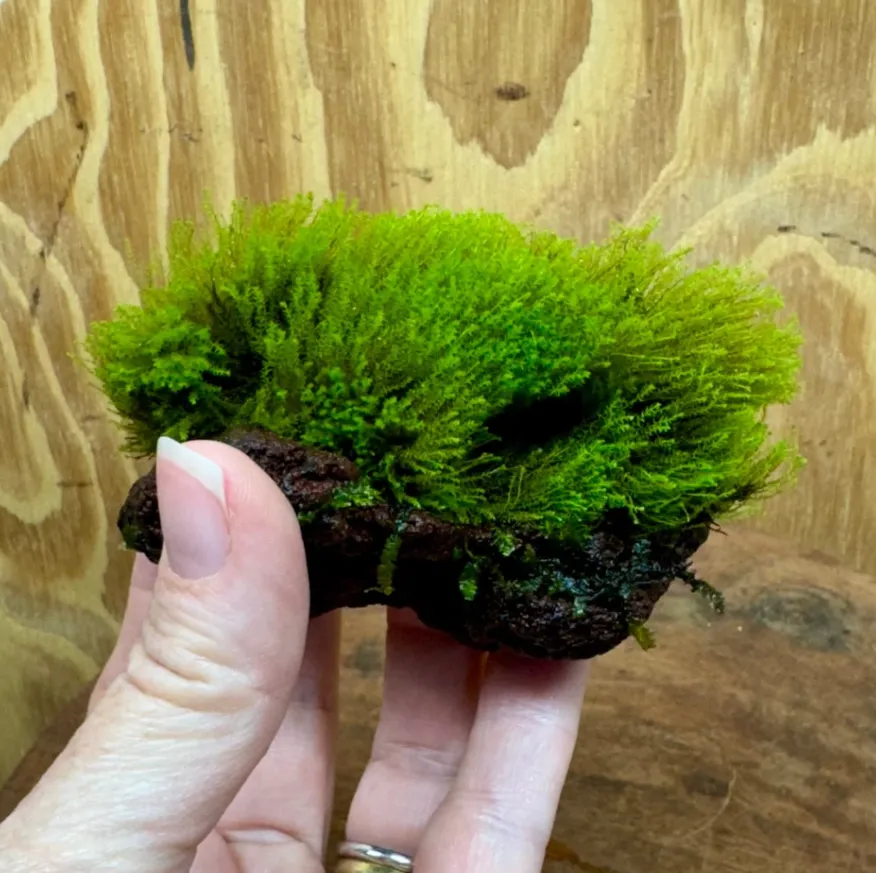
The scientific study of moss dates back to early botanical explorations. Mosses are classified under the division Bryophyta, a term derived from Greek words:
- “Bryon” meaning moss
- “Phyton” meaning plant
Key points about their scientific naming:
- Mosses were first systematically classified by early botanists, such as Johann Hedwig, often called the “Father of Bryology.”
- Hedwig introduced a detailed classification based on reproductive structures rather than appearance.
- The classification separates mosses from liverworts and hornworts based on differences in their life cycles and structures.
- Modern taxonomy uses genetic analysis to refine moss classification.
- Species like Sphagnum moss are recognized for their ecological importance and unique traits.
Today, thousands of moss species are identified, each with specific characteristics that define their taxonomy.
Their Evolution And Their Origin
Mosses are among the earliest land plants, with origins dating back over 400 million years. They evolved during a time when plants were transitioning from aquatic to terrestrial environments.
Initially, plant ancestors lived in water. As they adapted to land, they developed simple structures that allowed survival in moist environments. Mosses retained many primitive traits, such as:
- Lack of true roots (they use rhizoids instead)
- Absence of vascular tissue
- Dependence on water for reproduction
Their evolutionary success lies in simplicity. Mosses thrive in environments where other plants struggle, such as:
- Bare rocks
- Arctic tundra
- Damp forest floors
Fossil evidence suggests that early moss-like plants played a crucial role in soil formation. By breaking down rocks and retaining moisture, they paved the way for more complex plants.
Over time, moss diversified into various forms, including sphagnum moss, which is essential for peat formation. Despite their simple structure, mosses remain highly adaptable and resilient.
Important Things That You Need To Know
Moss is often misunderstood due to confusion with other terms and uses. Here are some key insights about related topics:
Understanding Moss and Related Terms
Moss is a non-vascular plant, but its name is used in contexts that are not always botanical.
Elisabeth Moss is a well-known actress and has no connection to plant biology. The similarity in name can confuse search results.
Sea moss gel is derived from a type of red algae, not true moss. It is popular in health and wellness communities due to its nutritional benefits.
Sphagnum moss is a special type of moss used in gardening and horticulture. It has excellent water retention properties and is commonly used in potting mixes.
Key Takeaways
- Moss plants are simple, non-flowering organisms.
- Not all “moss” terms refer to the same biological group.
- Sphagnum moss plays a vital role in ecosystems and gardening.
- Sea moss is an algae, not part of the moss life cycle.
Understanding these differences helps avoid confusion and improves knowledge about moss-related topics.
Their Main Food and Its Collection Process
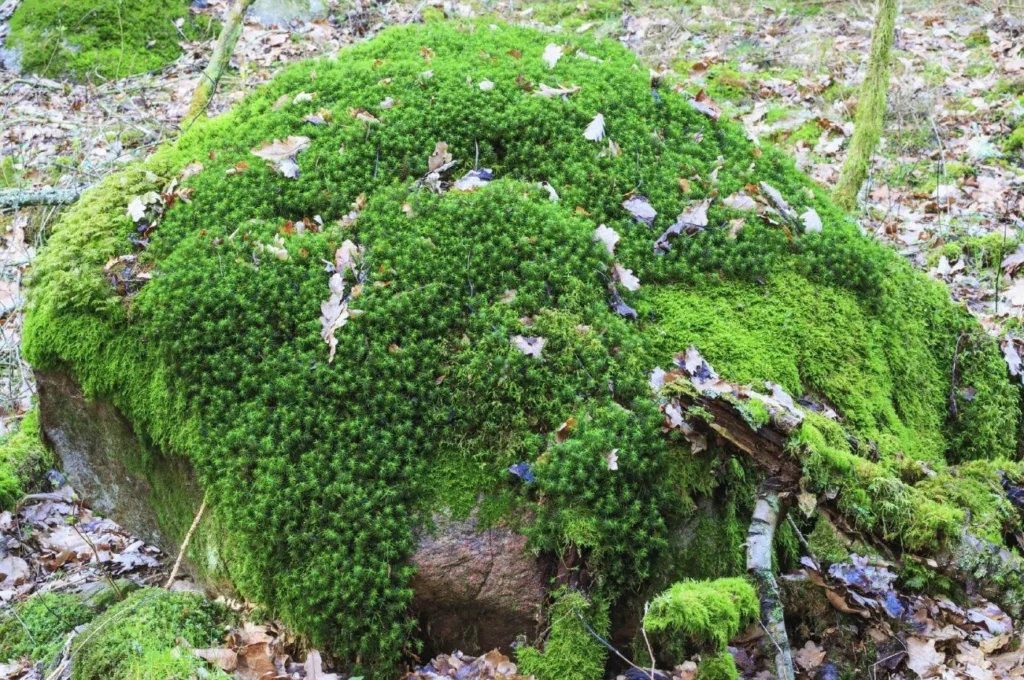
Mosses do not consume food like animals. Instead, they produce their own food through photosynthesis.
How Moss Gets Nutrients
- Moss absorbs sunlight using chlorophyll in its leaves.
- It takes in carbon dioxide from the air.
- Water is absorbed directly through its surface.
Nutrient Collection Process
- Moss lacks roots, so it uses rhizoids to anchor itself.
- Nutrients are absorbed from rainwater, dust, and surrounding soil.
- Minerals are collected from decomposing organic matter.
Food Production Steps
- Sunlight is captured by chlorophyll.
- Water and carbon dioxide combine.
- Glucose (food) is produced.
- Oxygen is released as a by-product.
Moss thrives in humid environments because it depends on external water sources. Unlike higher plants, it cannot transport nutrients internally, so it relies on direct absorption.
Their Life Cycle and Ability to Survive in Nature
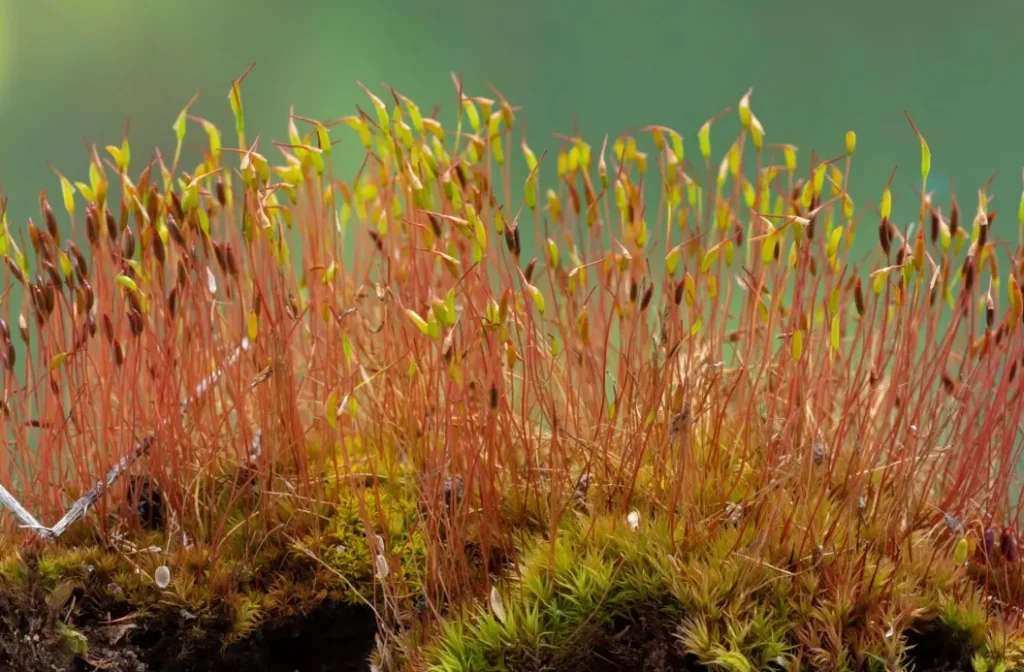
The moss life cycle is unique because it alternates between two stages: gametophyte and sporophyte.
Stages of the Moss Life Cycle
1. Spore Stage
Spores are released from capsules and dispersed by wind.
2. Protonema Stage
Spores germinate into thread-like structures called protonema.
3. Gametophyte Stage
The mature green moss plant develops from protonema.
4. Fertilization
Sperm swim through water to reach the egg.
5. Sporophyte Stage
A capsule grows and produces new spores.
Survival Abilities
- Can survive extreme dehydration
- Revives quickly when water is available
- Grows in poor soil conditions
- Adapts to various climates
These features make moss one of the most resilient plant groups on Earth.
Their Reproductive Process and Raising Their Children
Moss reproduction is both fascinating and complex, involving both sexual and asexual methods.
Sexual Reproduction
- Moss produces male and female reproductive organs.
- Sperm cells swim through water to fertilize eggs.
- A zygote forms and develops into a sporophyte.
Asexual Reproduction
- Moss can reproduce through fragmentation.
- Small pieces break off and grow into new plants.
- This allows rapid colonization of new areas.
Raising New Moss Plants
- Spores are dispersed by wind.
- They settle in moist environments.
- New moss plants grow without parental care.
This simple yet effective system ensures the survival of moss across generations.
Importance of Them in this Ecosystem
Moss plays a critical role in maintaining ecological balance.
1. Soil Formation
Moss helps break down rocks and create soil for other plants.
2. Water Retention
It acts like a sponge, holding water and helping prevent drought.
3. Habitat for Microorganisms
Moss provides shelter for insects, fungi, and bacteria.
4. Carbon Storage
Moss, especially sphagnum, stores carbon and helps regulate the climate.
5. Erosion Control
It stabilizes soil and reduces erosion in fragile ecosystems.
Without moss, many ecosystems would struggle to maintain moisture and biodiversity.
What to Do to Protect Them in Nature and Save the System for the Future
Protecting moss is essential for environmental sustainability.
Steps to Protect Moss
- Avoid removing moss from natural habitats
- Reduce deforestation to preserve moist environments
- Limit pollution that harms delicate ecosystems
- Support conservation programs
- Maintain humidity in gardens where moss grows
- Avoid trampling moss-covered areas
- Promote awareness about the importance of moss
Small actions can significantly impact the survival of moss ecosystems.
Frequently Asked Questions (FAQs)
1. What is the main stage in the moss life cycle?
The gametophyte stage is the dominant and most visible stage.
2. Why does moss need water for reproduction?
Water allows sperm to swim to the egg for fertilization.
3. How long does moss live?
Moss can live for several years depending on conditions.
4. Can moss grow without soil?
Yes, moss can grow on rocks, trees, and other surfaces.
5. Is moss harmful to plants?
No, moss is generally harmless and does not damage other plants.
6. What is sphagnum moss used for?
It is used in gardening, peat production, and water retention.
7. How does moss spread?
Moss spreads through spores and fragmentation.
8. Is sea moss the same as regular moss?
No, sea moss is an algae, not a true moss plant.
Conclusion
The life cycle of moss reveals the incredible adaptability and simplicity of one of Earth’s oldest plant groups. From tiny spores to mature gametophytes, moss completes a complex yet efficient cycle that depends on water and environmental conditions.
Despite lacking roots and vascular systems, moss thrives in diverse habitats, contributing significantly to ecosystems. It supports soil formation, water retention, and biodiversity, making it an essential component of nature.
Understanding moss helps us appreciate its ecological importance and encourages conservation efforts. By protecting moss habitats and spreading awareness, we can ensure that these remarkable plants continue to thrive for future generations.
Also Read: shark life cycle