Admin
Admin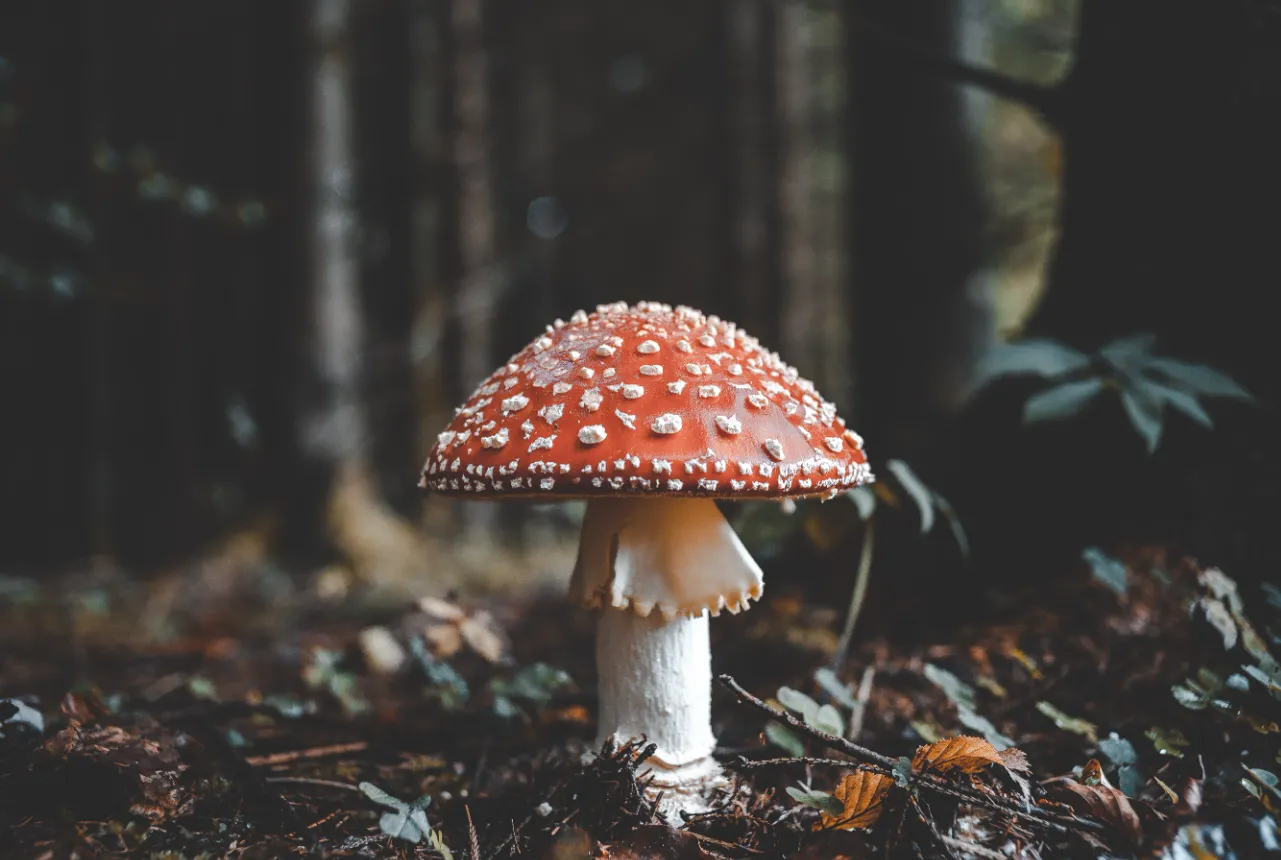
The mushroom life cycle is one of the most fascinating processes in nature. Unlike plants, mushrooms are fungi, meaning they don’t rely on sunlight for energy. Instead, they play a vital role in decomposing organic matter and maintaining ecosystem balance.
Understanding how Mushrooms grow—from microscopic spores to fully developed fruiting bodies—helps us appreciate their ecological importance and practical uses, including food, medicine, and even mushroom coffee trends.
Quick Answers (Most Common Questions)
1. What are the stages of the mushroom life cycle?
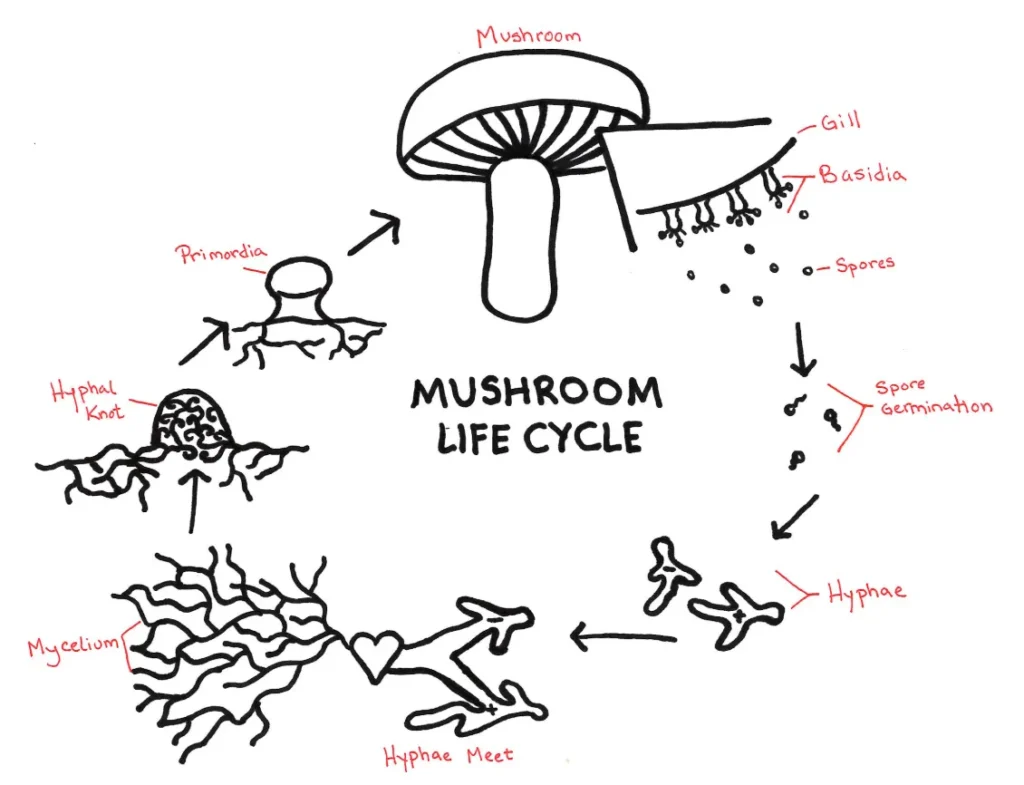
The main stages include spore, germination, mycelium, primordium, and fruiting body.
2. How do mushrooms reproduce?
Mushrooms reproduce through spores, which spread through air, water, or animals.
3. How long does the mushroom life cycle take?
It can range from a few days to several weeks, depending on the species and environmental conditions.
Mushrooms such as lion’s mane mushroom and reishi mushroom follow similar life cycles but differ in growth conditions and structure.
Quick Life Cycle Table
| Stage | Description | Time Duration |
| Spore | Tiny reproductive units are released into the environment | Immediate spread |
| Germination | Spores grow into hyphae when conditions are favorable | 1–3 days |
| Mycelium Formation | Network of hyphae expands underground or in the substrate | Days to weeks |
| Primordium | Small pin-like structures form (baby mushrooms) | 2–5 days |
| Fruiting Body | A mature mushroom grows and releases spores | 5–10 days |
The History Of Their Scientific Naming
The scientific classification of mushrooms has evolved over centuries. Early naturalists often confused mushrooms with plants due to their stationary nature. However, modern science classifies them under the kingdom Fungi.
- Carl Linnaeus (18th century) initially grouped mushrooms with plants in his classification system.
- Later, scientists recognized their unique characteristics, such as lacking chlorophyll.
- Mushrooms belong to the division Basidiomycota, known for producing spores on specialized structures called basidia.
- Common edible mushrooms like Agaricus bisporus (button mushroom) became key models for study.
- Advanced genetic research in the 20th century further refined fungal taxonomy.
Today, mushrooms are recognized as a distinct biological group with immense ecological and medicinal value.
Their Evolution And Their Origin
Mushrooms have an ancient origin, dating back over 1 billion years, making fungi one of the oldest life forms on Earth. They evolved from simple, single-celled organisms into complex multicellular structures.
Fossil evidence suggests that early fungi played a crucial role in breaking down organic material, helping to form fertile soil. This process allowed plants to colonize land successfully.
During evolution:
- Fungi developed hyphae, thread-like structures that absorb nutrients.
- They formed symbiotic relationships with plants, known as mycorrhizae.
- Some species are adapted to extreme environments, including forests, deserts, and even arctic regions.
Mushrooms evolved as the reproductive structures of fungi, designed to spread spores efficiently. This evolutionary adaptation ensured survival and genetic diversity.
Today, species like reishi mushroom and lion’s mane mushroom represent advanced evolutionary traits, offering both ecological benefits and medicinal properties.
Their Main Food and Its Collection Process
Mushrooms do not produce their own food like plants. Instead, they are saprophytic organisms, meaning they feed on dead and decaying matter.
Main Food Sources
- Dead plants and leaves
- Wood and tree bark
- Organic waste materials
- Animal remains
Food Collection Process
- Mushrooms release enzymes into their surroundings.
- These enzymes break down complex organic materials.
- The nutrients are then absorbed through hyphae.
- The mycelium network spreads to gather more nutrients efficiently.
This process is essential for nutrient recycling in ecosystems. Without mushrooms, organic waste would accumulate, disrupting ecological balance.
Their Life Cycle and Ability to Survive in Nature
1. Spore Stage
Mushrooms begin as microscopic spores released into the air. These spores can travel long distances.
2. Germination
When spores land in a suitable environment, they germinate and form hyphae.
3. Mycelium Formation
Hyphae grow and intertwine to create a vast underground network called mycelium. This is the main body of the fungus.
4. Primordium Stage
Tiny mushroom buds, known as primordia, begin to form under favorable conditions.
5. Fruiting Body
The mature mushroom emerges and releases spores, completing the cycle.
Mushrooms survive in nature due to their adaptability. They thrive in moist, dark environments and can withstand harsh conditions through dormant spores.
Important Things That You Need To Know
Mushrooms are not just simple organisms; they are deeply connected to human life, health, and industry. Here are some key insights involving popular LSI keywords.
Modern Uses and Popular Types
- Mushroom coffee has gained popularity as a healthier alternative to traditional coffee. It often contains extracts from medicinal fungi.
- The lion’s mane mushroom is known for boosting brain health and cognitive function.
- Reishi mushroom has been used in traditional medicine for centuries due to its immune-boosting properties.
- Restaurants like Mellow Mushroom highlight the culinary versatility of mushrooms in dishes like pizza and pasta.
- Dishes such as mushroom risotto showcase their rich flavor and nutritional value.
Mushrooms are rich in vitamins, antioxidants, and bioactive compounds. They are also being studied for their role in treating diseases and improving mental health.
Their growing popularity in food, supplements, and beverages highlights their importance in modern lifestyles.
Their Reproductive Process and Raising Their Children
Mushrooms reproduce through spores rather than seeds. This process is both efficient and widespread.
Reproductive Process
- Mature mushrooms release millions of spores into the air.
- Spores land on suitable surfaces and begin to grow.
- Compatible hyphae fuse to form a new mycelium.
- Environmental triggers stimulate fruiting body development.
Raising Their “Children”
- Mycelium provides nutrients to developing mushrooms.
- It acts as a support system, similar to roots in plants.
- Mushrooms grow rapidly once conditions are ideal.
- Some species form symbiotic relationships to ensure survival.
This process ensures the continuous spread and survival of fungal species.
Importance of Them in this Ecosystem
1. Decomposition
Mushrooms break down dead organic matter, recycling nutrients back into the soil.
2. Soil Health
They improve soil structure and fertility, supporting plant growth.
3. Symbiotic Relationships
Many mushrooms form partnerships with plants, enhancing nutrient uptake.
4. Biodiversity Support
They provide food and habitat for various organisms.
5. Environmental Balance
Mushrooms help maintain ecological stability by regulating nutrient cycles.
What to Do to Protect Them in Nature and Save the System for the Future
- Protect forest ecosystems where mushrooms naturally grow
- Avoid overharvesting wild mushrooms
- Promote sustainable farming practices
- Reduce pollution and chemical use in soil
- Support conservation programs and biodiversity initiatives
- Educate communities about the importance of fungi
- Encourage organic waste recycling to support fungal growth
Frequently Asked Questions (FAQs)
1. What is the mushroom life cycle in simple terms?
It is the process from spore to mature mushroom and back to spores.
2. Do mushrooms grow from seeds?
No, they grow from spores.
3. How fast do mushrooms grow?
Some can grow within 24–72 hours under ideal conditions.
4. Where do mushrooms grow best?
In moist, dark, and nutrient-rich environments.
5. Are all mushrooms edible?
No, some are toxic and dangerous.
6. What is mycelium?
It is the underground network that forms the main body of the fungus.
7. Why are mushrooms important?
They recycle nutrients and support ecosystems.
8. Can mushrooms be grown at home?
Yes, with proper conditions and kits.
Conclusion
The mushroom life cycle is a remarkable journey that highlights the complexity and importance of fungi in our world. From tiny spores to fully developed fruiting bodies, mushrooms play a crucial role in maintaining ecological balance.
They are not only essential for decomposition and soil health but also valuable in medicine, nutrition, and sustainable living. With growing interest in products like mushroom coffee and medicinal varieties such as lion’s mane mushroom and reishi mushroom, their significance continues to expand.
By understanding their life cycle and ecological role, we can better appreciate and protect these incredible organisms. Conserving mushrooms and their habitats is vital for the future of our ecosystems and overall environmental health.
Also Read: life cycle of honey bee