Admin
Admin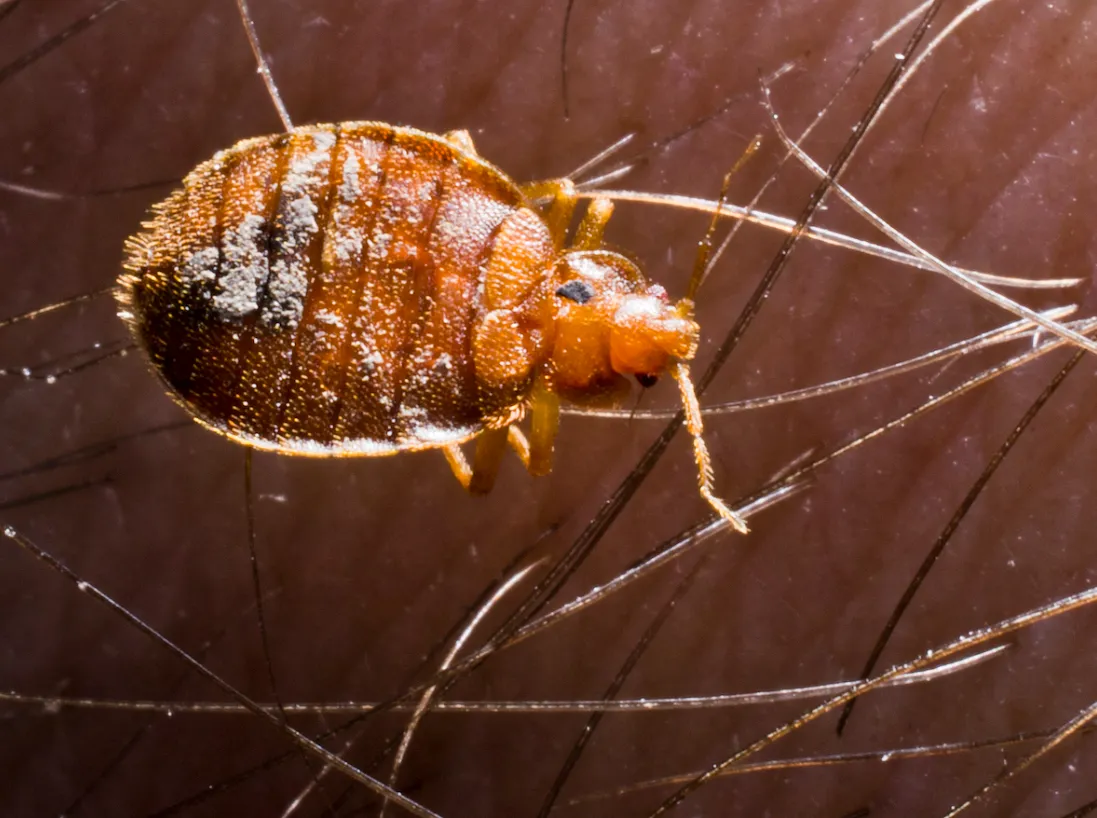
The life cycle of bed bugs is one of the most important topics for anyone dealing with infestations or wanting to prevent them. Bed bugs are tiny, parasitic insects that feed on human blood and can survive in a variety of environments. Understanding how they grow, reproduce, and survive can help you effectively detect and eliminate them.
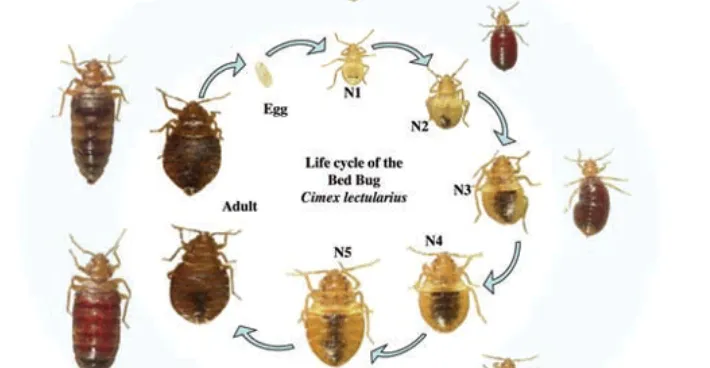
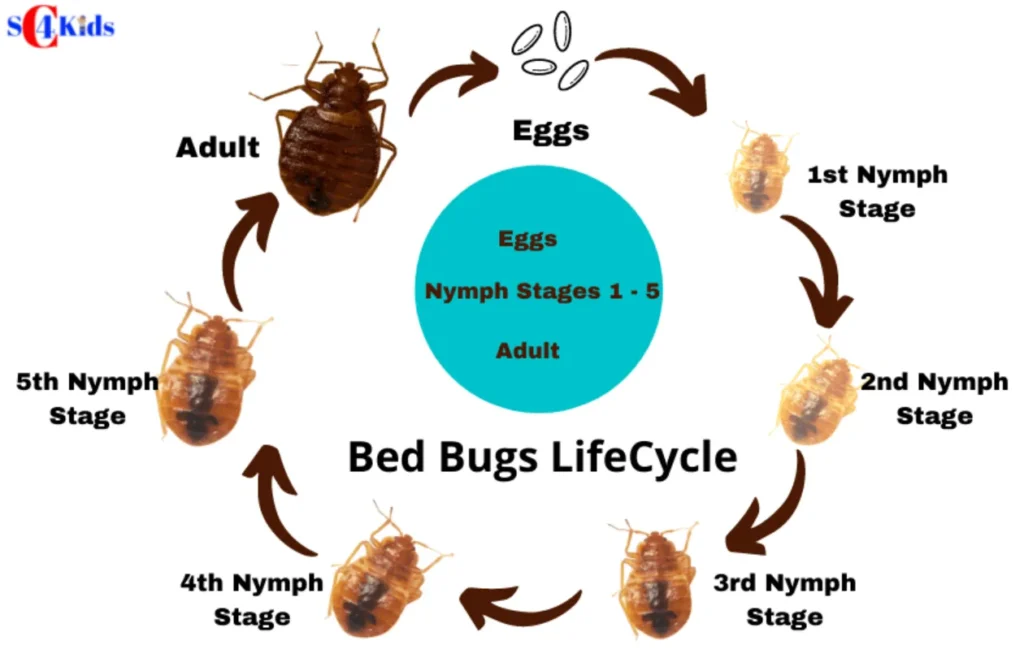
Bed bugs go through a gradual transformation known as incomplete metamorphosis, passing through multiple stages from egg to adult. Each stage requires a blood meal, making them highly dependent on hosts. Their ability to hide in small cracks and survive for months without feeding makes them particularly difficult to control.
In recent years, infestations have increased globally due to travel, urbanisation, and pesticide resistance. That’s why knowing their behaviour, origin, and life cycle is crucial.
Quick Answers (Most Common Questions)
- How long is the life cycle of bed bugs?
- The full life cycle typically takes 5–8 weeks under ideal conditions.
- Can bed bugs survive without feeding?
- Yes, adult bed bugs can survive several months without a blood meal.
- Where do bed bugs come from?
- They usually spread through luggage, furniture, clothing, and human movement, not dirt or poor hygiene.
Quick Life Cycle Table
| Stage | Description | Duration (Approx.) |
| Egg | Tiny, white, sticky eggs | 6–10 days |
| Nymph Stage 1 | Newly hatched, needs blood meal | 5–7 days |
| Nymph Stage 2 | Slightly larger, begins moulting | 5–8 days |
| Nymph Stage 3 | Increased feeding frequency | 5–8 days |
| Nymph Stage 4 | More developed body structure | 5–8 days |
| Nymph Stage 5 | Near adult size | 5–10 days |
| Adult | Reproductive stage | Several months |
The History Of Their Scientific Naming
The scientific classification of bed bugs has evolved over centuries as researchers gained a better understanding of these insects.
- Bed bugs belong to the genus Cimex, with the most common species being Cimex lectularius.
- The name “lectularius” originates from Latin, meaning “of a bed,” highlighting their association with human sleeping areas.
- Early entomologists in the 18th century categorised them as Hemiptera, a group of insects characterised by piercing-sucking mouthparts.
- Over time, taxonomy refined its classification, placing the family Cimicidae within it, which includes other blood-feeding bugs.
- Scientific studies in the 20th century revealed their close relationship with bat bugs, suggesting an evolutionary link.
- Modern DNA analysis has further confirmed their classification and helped distinguish between species.
Understanding their scientific naming helps researchers track infestations and develop targeted pest control strategies.
Their Evolution And Their Origin
Bed bugs have a fascinating evolutionary history that dates back thousands of years. Contrary to popular belief, they did not originate from dirty environments but evolved alongside humans and animals.
Initially, bed bugs are believed to have fed on bats living in caves. When early humans began occupying caves, these insects adapted to feeding on human blood. This shift marked a significant step in their evolution.
As human civilisation progressed, bed bugs spread through migration, trade, and travel. Historical records show infestations in ancient Egypt, Greece, and Rome. Their adaptability enabled them to thrive across diverse climates and environments.
During the mid-20th century, bed bug populations declined significantly due to widespread pesticide use. However, in recent decades, they have resurged due to insecticide resistance and increased global travel.
Today, bed bugs are found worldwide, particularly in urban areas. Their evolution has made them highly resilient, able to survive in extreme conditions and hide effectively from humans.
Their Main Food and Its Collection Process
Bed bugs are obligate hematophages, meaning they feed exclusively on blood.
Primary Food Source
- Human blood is their main source of nutrition
- Occasionally feed on animals like bats, birds, and pets
Feeding Process
- Bed bugs are nocturnal and feed at night
- They are attracted to body heat and carbon dioxide
- Use specialised mouthparts to pierce the skin
- Inject saliva containing an anaesthetic and an anticoagulant
- Feed for about 5–10 minutes
How They Collect Food
- Hide in cracks, mattresses, and furniture during the day
- Emerge when hosts are asleep
- Return to hiding spots after feeding
Key Characteristics
- Can survive months without feeding
- Prefer exposed skin areas like arms and neck
- Feeding is usually painless initially
This efficient feeding mechanism is what makes bed bugs persistent and hard to detect early.
Their Life Cycle and Ability to Survive in Nature
Egg Stage
Female bed bugs lay tiny eggs in hidden areas. These eggs hatch within a week under optimal conditions.
Nymph Stages
Bed bugs go through five nymph stages. Each stage requires a blood meal to moult and grow.
Adult Stage
Once mature, adults begin reproducing and can live for several months.
Survival Abilities
- Can withstand temperatures between 7°C and 45°C
- Survive without feeding for up to 6 months
- Hide in extremely small crevices
- Resistant to many pesticides
Their adaptability allows them to thrive in both natural and human environments.
Their Reproductive Process and Raising Their Children
Bed bugs have a unique and somewhat aggressive reproductive process known as traumatic insemination.
Reproduction Process
- A male pierces a female’s abdomen to inseminate
- Female stores sperm for future egg production
- One female can lay 200–500 eggs in her lifetime
Egg Development
- Eggs are sticky and attach to surfaces
- Hatch within 6–10 days
Raising Offspring
- No parental care after laying eggs
- Nymphs are independent from birth
- Require blood meals to grow
Growth Factors
- Temperature and food availability affect development
- Faster growth in warm environments
This rapid reproduction contributes to quick infestations.
Importance of Them in this Ecosystem
Role in Food Chain
Bed bugs serve as food for certain predators, such as spiders and ants.
Scientific Research
They are studied for understanding:
- Blood-feeding mechanisms
- Pest control methods
- Evolutionary biology
Ecological Balance
Although harmful to humans, they are part of biodiversity and ecosystem interactions.
Important Things That You Need To Know
Understanding bed bugs is essential for prevention and control. Here are key insights related to LSI keywords:
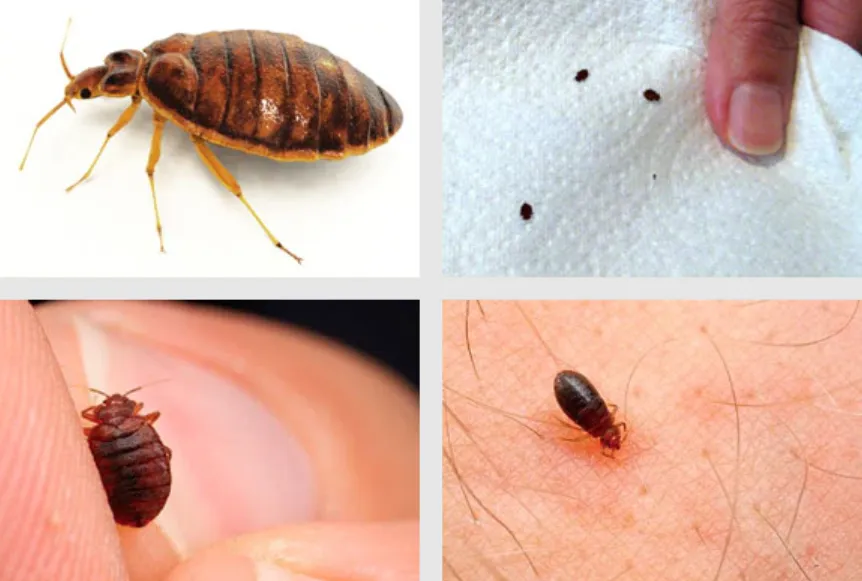
Bed bugs are often misunderstood pests. Knowing how to check for bed bugs is the first step in early detection. Look for small reddish stains, shed skins, and tiny eggs around mattress seams.
Many people wonder how to get bed bugs. The answer is simple—they spread through travel, second-hand furniture, and close contact. They are not caused by poor hygiene.
Recognising signs of bed bugs is crucial. Common signs include itchy bites, dark spots on bedding, and a musty odour.
If you’re dealing with an infestation, learning how to get rid of bed bugs is essential. Effective methods include heat treatment, vacuuming, and professional pest control.
Lastly, understanding where bed bugs come from helps prevent future infestations. They often hitchhike from hotels, public transport, and used items.
What to Do to Protect Them in Nature and Save the System for the Future
While controlling infestations is necessary, maintaining ecological balance is also important.
- Avoid excessive pesticide use that harms ecosystems
- Use targeted pest control methods
- Maintain cleanliness and hygiene
- Seal cracks and crevices in homes
- Inspect second-hand furniture before use
- Educate communities about prevention
- Support research on eco-friendly pest control
- Reduce clutter to minimise hiding spots
These steps help manage bed bugs while preserving environmental health.
Frequently Asked Questions (FAQs)
- How fast do bed bugs reproduce?
- They can multiply rapidly, doubling the population within weeks.
- Can bed bugs live in clean homes?
- Yes, cleanliness does not prevent infestations.
- Do bed bugs spread diseases?
- They are not known to transmit diseases.
- What kills bed bugs instantly?
- Heat above 50°C and certain pesticides.
- Can bed bugs fly or jump?
- No, they crawl.
- Are bed bug bites dangerous?
- Mostly harmless, but can cause itching and irritation.
- How long can eggs survive?
- Eggs hatch within 6–10 days.
- Do bed bugs stay on your body?
- No, they hide nearby after feeding.
Conclusion
The life cycle of bed bugs reveals why these pests are so difficult to eliminate. From tiny eggs to resilient adults, each stage is designed for survival and rapid reproduction. Their ability to hide, adapt, and survive without feeding makes them a persistent challenge in homes and public spaces.
Understanding their biology, feeding habits, and reproductive cycle empowers you to take effective action. Early detection, combined with proper control methods, can significantly reduce infestations.
While bed bugs are often seen as purely harmful, they also play a minor role in ecological systems and scientific research. Balancing control with environmental awareness is key.
Also Read About: immortal jellyfish life cycle