Admin
Admin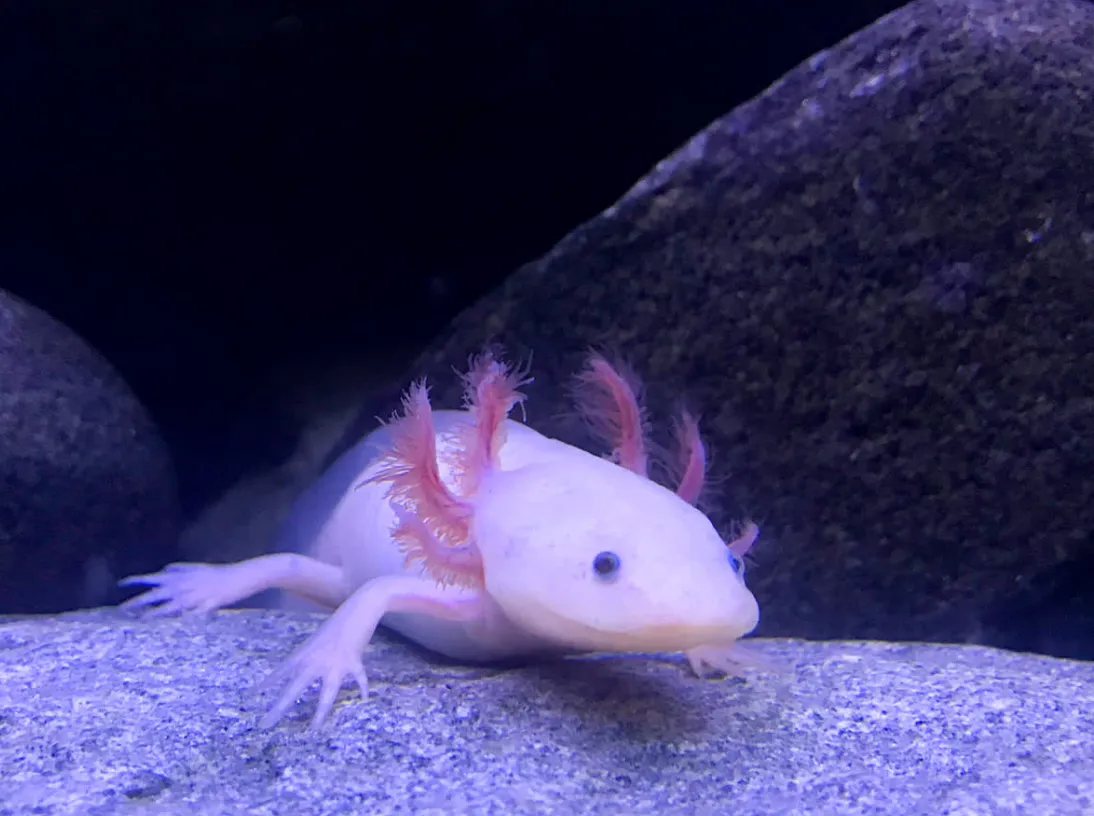
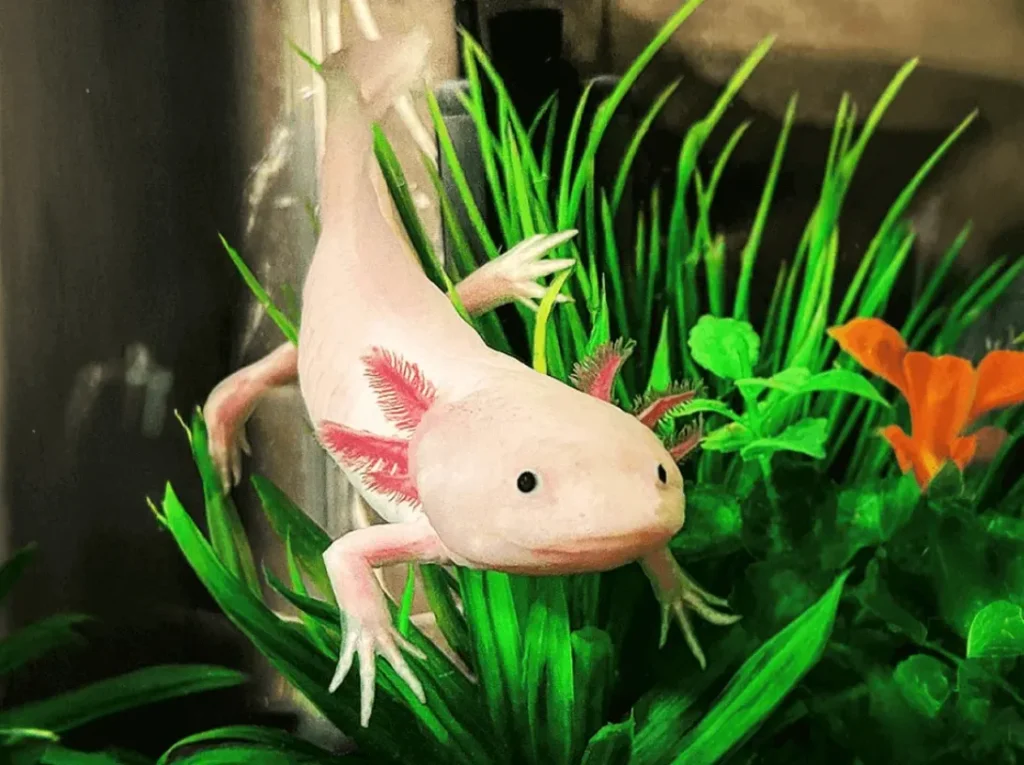
The life cycle of the axolotl is one of the most fascinating processes in the animal kingdom. Unlike most amphibians, axolotls remain in their larval stage throughout their lives, a phenomenon called neoteny. This means they keep their gills, stay aquatic, and never fully transform into land-dwelling adults like frogs or salamanders.
Axolotls (scientific name: Ambystoma mexicanum) are native to Mexico, especially Lake Xochimilco. Their unique life cycle, combined with incredible regeneration abilities, makes them a subject of scientific research worldwide.
Quick Answers (Most Common Questions)
- Do axolotls go through metamorphosis?
- No, axolotls usually remain in their larval stage and do not undergo full metamorphosis.
- How long is an axolotl’s life cycle?
- The entire life cycle—from egg to adult—takes about 6–12 months, though they can live 10–15 years.
- How many stages are in the axolotl life cycle?
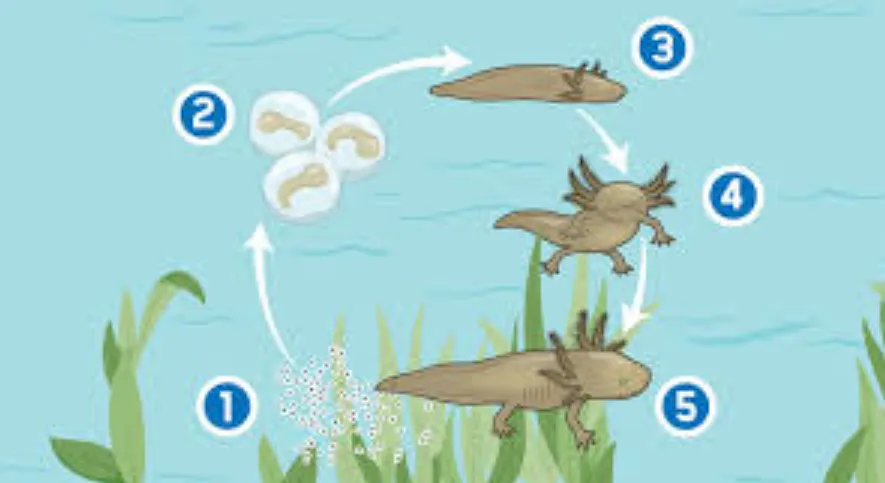
- There are 4 main stages: egg, larva, juvenile, and adult.
Understanding the life cycle of axolotl stages helps us appreciate their uniqueness and why conservation is critical.
Quick Life Cycle Table
| Stage | Duration | Key Features |
| Egg | 2–3 weeks | Transparent eggs attached to plants |
| Larva | 2–3 months | External gills, no limbs initially |
| Juvenile | 3–6 months | Limb development, active hunting begins |
| Adult | 6+ months onward | Fully grown, capable of reproduction |
The History Of Their Scientific Naming
The scientific naming of axolotls has an interesting background rooted in both biology and culture.
- The axolotl is scientifically named Ambystoma mexicanum, derived from Greek and Latin origins.
- “Ambystoma” refers to a genus of mole salamanders, while “mexicanum” indicates its origin in Mexico.
- The name “axolotl” itself comes from the Nahuatl language (Aztec), meaning “water monster” or “water dog.”
- Early European scientists classified axolotls as salamander larvae, unaware that they could reproduce without metamorphosis.
- In the 19th century, French biologist Auguste Duméril studied them extensively, helping establish their classification.
- Later discoveries confirmed that axolotls are a unique species capable of neoteny, which changed scientific understanding of amphibian development.
Today, the axolotl is widely recognised in genetics and regenerative biology research for its extraordinary healing abilities.
Their Evolution And Their Origin
The evolutionary history of axolotls is closely linked to that of ancient salamanders. They belong to the Ambystomatidae family, which includes tiger salamanders.
Millions of years ago, ancestors of axolotls lived in diverse environments across North America. Over time, some species permanently adapted to aquatic habitats. This led to the development of neoteny, allowing axolotls to retain juvenile features while becoming sexually mature.
Unlike most amphibians, which transition from water to land, axolotls evolved to remain fully aquatic. Stable water environments, such as Lake Xochimilco, likely influenced this adaptation.
Their ability to regenerate limbs, spinal cord, and even parts of their brain may have evolutionary advantages. It helps them survive injuries and predator attacks, increasing their chances of reproduction.
Fossil evidence suggests that the ancestors of axolotls diverged from other salamanders thousands of years ago. Environmental pressures such as water availability and food sources shaped their unique biology.
However, modern axolotls face threats due to urbanisation, pollution, and habitat loss. Their evolutionary success is now challenged by human activity, making conservation efforts crucial.
Their Main Food and Its Collection Process
Axolotls are carnivorous creatures with a fascinating feeding behaviour.
Main Food Sources
- Small fish
- Worms
- Insect larvae
- Crustaceans
- Mollusks
How They Collect Food
- Axolotls use a suction-feeding mechanism to capture prey quickly.
- They open their mouths rapidly, creating a vacuum that pulls food inside.
- Their poor eyesight is compensated for by a strong sense of smell and the ability to detect water movement.
- They hunt mostly at night when prey is more active.
- Juveniles feed on smaller organisms like plankton and tiny worms.
Feeding Behavior
- They are opportunistic feeders, meaning they eat whatever fits into their mouths.
- Axolotls do not chew; they swallow food whole.
- In captivity, they are often fed pellets, bloodworms, and brine shrimp.
Their feeding strategy is simple but highly effective, allowing them to thrive in aquatic ecosystems.
Their Life Cycle and Ability to Survive in Nature
Egg Stage
Axolotls lay hundreds of eggs attached to aquatic plants. These eggs are transparent, allowing visibility of developing embryos.
Larval Stage
After 2–3 weeks, larvae hatch with external gills. They rely on microscopic organisms for food.
Juvenile Stage
As they grow, limbs develop, and they become active hunters. Survival depends on avoiding predators.
Adult Stage
Adults are fully aquatic and capable of reproduction. They maintain their larval features throughout life.
Survival Abilities
- Regeneration of limbs and organs
- Adaptation to low-oxygen environments
- Camouflage in murky waters
- Ability to remain still to avoid predators
These traits make the axolotl’s life cycle easy to understand yet scientifically fascinating.
Important Things That You Need To Know
Understanding the life cycle of axolotl, especially for beginners, requires focusing on key facts and simplified explanations.
The life cycle of the axolotl is unique among amphibians. Most amphibians undergo metamorphosis, but axolotls remain in their aquatic form.
The life cycle of the axolotl can be explained:
- They hatch from eggs
- Grow gills and live underwater
- Develop legs, but never leave water
- Become adults and reproduce
The life cycle of the axolotl also highlights its regenerative abilities. They can regrow lost limbs, a rare trait among animals.
Additionally, the life cycle of axolotl stages is closely tied to environmental conditions. In rare cases, axolotls can undergo metamorphosis when exposed to certain hormones or stressors.
Key highlights:
- They never lose their gills
- They stay aquatic for life
- They are excellent regenerators
- They are critically endangered in the wild
These features make axolotls one of the most studied amphibians in science.
Their Reproductive Process and Raising Their Children
Axolotl reproduction is a delicate and fascinating process.
Reproductive Process
- Mating usually occurs in water during cooler seasons.
- Males deposit spermatophores (sperm packets) on the substrate.
- Females pick them up with their cloaca to internally fertilise eggs.
- Females lay 300–1000 eggs at a time.
Egg Development
- Eggs are attached to plants or rocks.
- They hatch within 2–3 weeks, depending on temperature.
Raising Offspring
- Axolotls do not provide parental care.
- Hatchlings are independent from birth.
- Survival depends on hiding from predators and finding food quickly.
Challenges
- High mortality rate in early stages
- Cannibalism among young axolotls
- Environmental threats like pollution
Importance of Them in This Ecosystem
Role in Food Chain
Axolotls act as both predators and prey, maintaining ecological balance.
Scientific Importance
They are widely used in medical research due to their regeneration abilities.
Biodiversity Contribution
Axolotls are an indicator species, meaning their presence reflects ecosystem health.
Nutrient Cycling
By consuming small organisms, they help regulate populations and recycle nutrients.
Cultural Importance
They are part of Mexican heritage and mythology, symbolising transformation and resilience.
Their existence is vital not only for nature but also for scientific advancements.
What to Do to Protect Them in Nature and Save the System for the Future
- Protect natural habitats like Lake Xochimilco
- Reduce water pollution and chemical waste
- Support conservation programs and breeding projects
- Avoid introducing invasive species
- Educate communities about their importance
- Promote sustainable farming near aquatic ecosystems
- Support wildlife protection laws
- Avoid the illegal pet trade
- Encourage research and awareness campaigns
- Participate in environmental cleanup initiatives
Conservation efforts are essential to prevent the extinction of axolotls in the wild.
Frequently Asked Questions (FAQs)
- What is the life cycle of an axolotl?
- It includes egg, larva, juvenile, and adult stages.
- Do axolotls ever become land animals?
- No, they remain aquatic throughout their lives.
- How long do axolotls live?
- They can live up to 10–15 years.
- Why don’t axolotls metamorphose?
- Due to neoteny, they retain larval traits permanently.
- What do baby axolotls eat?
- They eat small organisms like plankton and tiny worms.
- Are axolotls endangered?
- Yes, they are critically endangered in the wild.
- Can axolotls regenerate body parts?
- Yes, they can regrow limbs and organs.
- How many eggs do axolotls lay?
- A female can lay 300–1000 eggs at once.
Conclusion
The life cycle of the axolotl is a remarkable example of nature’s diversity and adaptability. From tiny transparent eggs to fully grown aquatic adults, axolotls defy traditional amphibian development through neoteny.
Their ability to regenerate body parts, survive underwater, and reproduce without metamorphosis makes them unique among vertebrates. However, despite their fascinating biology, axolotls face serious threats in the wild.
Understanding their life cycle not only enhances our knowledge of biology but also highlights the importance of conservation. Protecting axolotls means preserving biodiversity and supporting scientific research that could benefit human health.
By spreading awareness and taking action, we can ensure that future generations continue to learn about and admire these extraordinary creatures.
Also Read About: lady beetle life cycle