Admin
Admin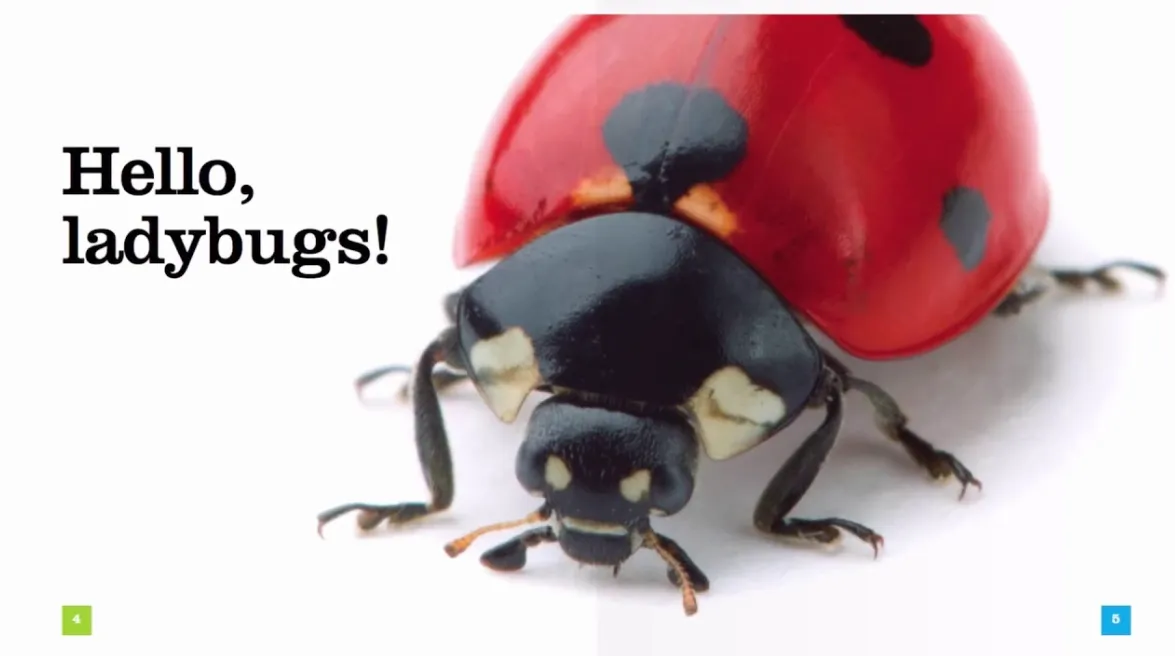
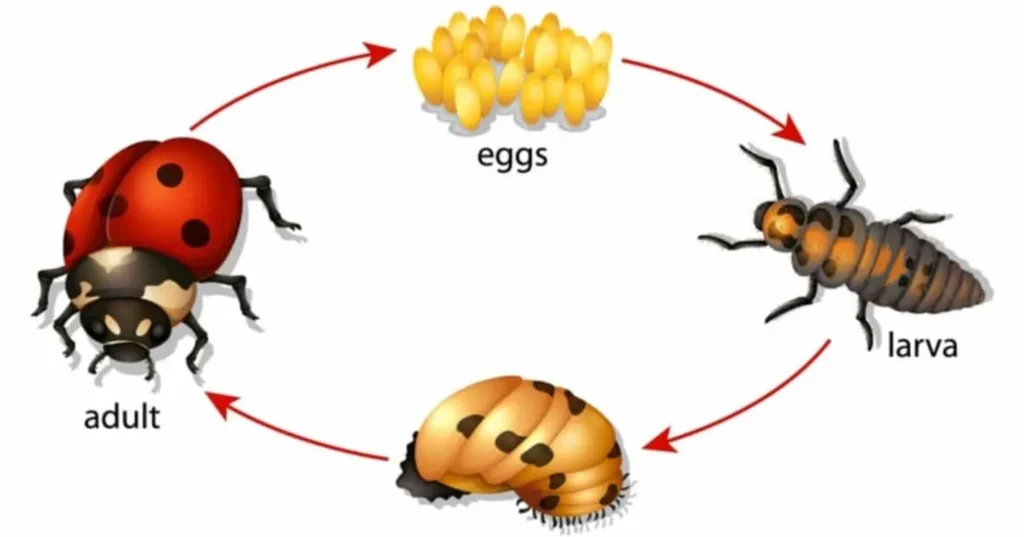
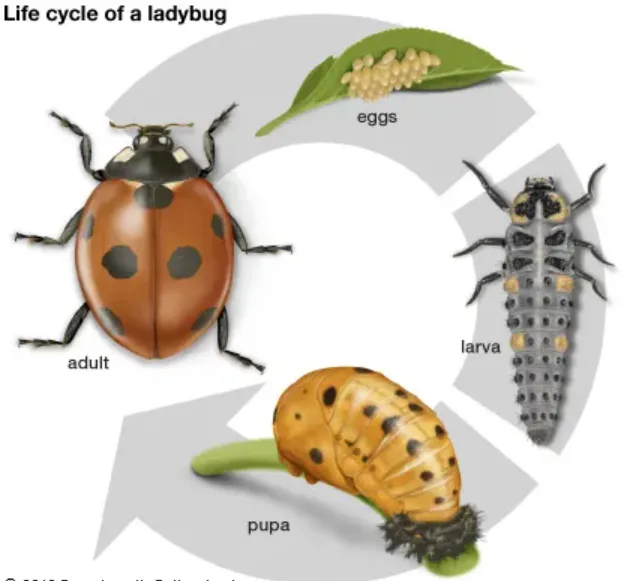
The lady beetle life cycle involves a complete transformation, known as complete metamorphosis. A lady beetle develops through four main stages: egg, larva, pupa, and adult. This makes the lady beetle different from insects that hatch as small versions of adults.
A lady beetle belongs to the beetle family Coccinellidae. Many people call it a ladybug, but entomologists often prefer the terms lady beetle or ladybird beetle because these insects are true beetles, not true bugs. Britannica describes ladybugs/ladybeetles as members of the family Coccinellidae, a widely distributed family of beetles with thousands of species worldwide.
Most ladybeetles are beneficial insects because both the larvae and adults feed on soft-bodied plant pests such as aphids, scale insects, mealybugs, mites, and whiteflies. Their life cycle is closely connected to food availability. Females usually lay eggs near colonies of aphids or other prey so the young larvae can begin feeding soon after hatching.
Q: How many stages are in the lady beetle life cycle?
A: The lady beetle life cycle has 4 stages: egg, larva, pupa, and adult.
Q: How long does the lady beetle’s life cycle take?
A: Depending on species, temperature, and food supply, many ladybeetles complete development from egg to adult in about 3 to 6 weeks during warm growing seasons.
Q: Are ladybeetle larvae helpful or harmful?
A: Ladybeetle larvae are very helpful because they eat many aphids and other garden pests before becoming adults.
Quick Life Cycle Table
| Life Stage | What Happens | Common Duration | Main Food/Activity |
| Egg | Females lay yellow-orange eggs near pest colonies | 2–10 days | No feeding |
| Larva | Larva hatches and eats aphids, mites, and soft-bodied insects | 2–3 weeks | Heavy feeding |
| Pupa | Larva attaches to a surface and transforms | 1–2 weeks | No active feeding |
| Adult | Adult emerges, feeds, mates, lays eggs, and may overwinter | Weeks to months; sometimes longer | Aphids, scales, pollen, nectar |
The History Of Their Scientific Naming, Evolution, and Their Origin
Scientific Name and Classification
The lady beetle belongs to the family Coccinellidae in the order Coleoptera, which means beetles. The scientific family name is linked to the Latin word for scarlet or red, which matches the bright body color of many common species.
Why They Are Called Ladybeetles
The common name “ladybird” or “ladybug” has historical roots in Europe. The word “lady” is connected with “Our Lady,” referring to the Virgin Mary, and the red beetle was once called “Our Lady’s bird.” In North America, “ladybug” became popular, but ladybeetle is more scientifically accurate because these insects are beetles, not true bugs.
Evolution and Global Origin
Lady beetles are an ancient and diverse insect group. Today, thousands of species are found across gardens, forests, grasslands, farms, wetlands, and urban landscapes. Their bright colors evolved partly as warning signals to predators. Many species release bitter defensive fluids when disturbed, which helps protect them from birds and other enemies.
Why Their Evolution Matters
Their evolution is strongly linked to their role as predators. As aphids, scales, and other small plant pests became common in ecosystems, ladybeetles became important natural pest controllers. This predator-prey relationship explains why ladybeetles remain so valuable in agriculture and home gardens today.
Their Reproductive Process, Giving Birth And Rising Their Children
Mating and Egg Production
Ladybeetles reproduce through sexual reproduction. Adult males and females mate during favorable seasons, usually when temperatures are warm and food is available. After mating, the female searches for plants that already have aphids or other soft-bodied prey.
This is important because newly hatched larvae cannot fly to search for food. They need prey close to the egg-laying site.
Egg-Laying Behavior
Female ladybeetles lay small clusters of yellow or orange eggs on leaves, stems, or plant surfaces. Eggs are usually placed near aphid colonies, scale insects, or other prey sources. This gives the larvae a better chance of survival after hatching.
Some species can lay hundreds of eggs during their reproductive period. The seven-spotted lady beetle, for example, may lay about 200 to 300 eggs during its growing-season lifespan.
Do Ladybeetles Raise Their Young?
Ladybeetles do not raise their children like birds or mammals. After laying eggs, the female does not feed or protect the young directly.
However, the female indirectly supports survival by choosing a good egg-laying site. Placing eggs near food is the most important “parental investment” in the lady beetle life cycle.
Larvae Grow Independently
Once the eggs hatch, lady beetle larvae begin feeding immediately. They grow quickly, molt several times, and become stronger predators before entering the pupal stage.
Stages of Ladybeetle Life Cycle
Stage 1: Egg
The egg stage begins when the female deposits clusters of eggs on plants. These eggs are usually yellow, orange, or pale cream. They are often laid upright in small groups on the underside of leaves or near pest colonies.
The egg stage is short but very important. If eggs are placed too far from food, the larvae may struggle to survive. Warm weather speeds up hatching, while cooler weather slows it down.
Stage 2: Larva
The larval stage is the most active feeding stage. Ladybeetle larvae often look very different from adult ladybeetles. They may appear long, dark, spiny, and somewhat alligator-like.
Many gardeners mistake them for harmful insects, but lady beetle larvae are highly beneficial. They attack aphids, mites, whiteflies, scale insects, and insect eggs. Cornell notes that some lady beetle larvae can eat hundreds of aphids during their growth.
Stage 3: Pupa
Once the larva has grown sufficiently, it attaches itself to a leaf, stem, wall, or other surface and enters the pupal stage. During this stage, it does not actively hunt.
Inside the pupal case, the insect undergoes complete metamorphosis. Legs, wings, antennae, and adult body structures develop. The University of Minnesota Extension notes that the pupa stage commonly lasts about 1 to 2 weeks.
Stage 4: Adult
The adult lady beetle emerges from the pupa with soft wing covers. At first, its colors may look pale, but they darken as the body hardens.
Adult ladybeetles can fly, search for prey, mate, lay eggs, and sometimes overwinter in protected places. In temperate regions, many adults survive the cold months by entering diapause.
Important Things That You Need To Know
Many people search for ladybug vs ladybeetle, but the difference is mostly about naming. “Ladybug” is the common North American term, while ladybeetle is more scientifically accurate because the insect is a beetle. Beetles have hardened forewings called elytra, while true bugs have different mouthparts and wing structures.
Another common search is lady beetle larvae. The larvae do not look cute or round like adults. They are usually dark, narrow, and spiny. Still, they are among the most useful garden predators because they eat aphids and other soft-bodied pests.
The phrase “ladybeetle bite” usually refers to the multicolored Asian lady beetle, not to all ladybeetle species. Michigan State University explains that these bites feel more like a pinch and are not blood-feeding bites like mosquito bites.
People also search for “Japanese lady beetle and “ladybug vs asian ladybeetle“. In many cases, they mean the Asian lady beetle, especially Harmonia axyridis. This species can be useful outdoors because it eats pests, but it may become a nuisance indoors during fall and winter when adults gather in buildings for overwintering.
The key point is simple: most ladybeetles are beneficial in gardens, but some species can become household nuisances when they enter homes in large numbers.
Their main diet, food sources, and collection process are explained
Ladybeetles are best known as natural enemies of aphids. Aphids are small sap-sucking insects that weaken plants by removing plant juices. Ladybeetles help control them naturally.
Their main food sources include:
- Aphids
- Scale insects
- Mealybugs
- Whiteflies
- Spider mites
- Leafhoppers
- Thrips
- Small caterpillars
- Insect eggs
- Pollen and nectar, especially when prey is limited
Both adult ladybeetles and larvae are active hunters. Adults use flight to locate plants with pest colonies. They may land on leaves, stems, flowers, and tree branches to search for prey.
Larvae cannot fly, so their food collection process is different. They walk across plant surfaces and capture small insects with their mouthparts. Because larvae are growing rapidly, they feed heavily.
Some species are specialist predators, while others are generalists. For example, certain lady beetles prefer aphids, while some black lady beetles, known as spider mite destroyers, focus more on mites. Colorado State University notes that lady beetles can attack aphids, mites, scale insects, thrips, whiteflies, and small caterpillars.
How Long Does a Lady Beetle Live
The lifespan of a lady beetle depends on species, climate, food supply, predators, and whether the insect survives winter.
- Egg stage:
- The egg stage usually lasts only a few days. Warm temperatures can speed up hatching, while cooler temperatures can delay it.
- Larval stage:
- The larval stage often lasts around 2 to 3 weeks. During this period, the larva eats heavily and molts several times.
- Pupal stage:
- The pupal stage commonly lasts 1 to 2 weeks. The lady beetle does not hunt during this time, but it undergoes a major body transformation.
- Adult stage:
- Adult lifespan varies widely. Some adults live only a few weeks during active breeding periods, while others can live for several months if they successfully overwinter.
- Complete development time:
- In many species, egg-to-adult development takes about 3 to 6 weeks, depending on temperature and food availability. The seven-spotted lady beetle may complete egg-to-adult development in about 6 weeks during the growing season.
- Seasonal survival:
- In colder climates, adult ladybeetles often enter diapause and hide in leaf litter, bark, cracks, or buildings. This allows them to survive until spring.
- Food effect on lifespan:
- Ladybeetles live longer when prey is available. Poor food supply can reduce reproduction and survival.
- Predator effect:
- Birds, spiders, ants, parasitic wasps, and environmental stress can reduce lady beetle lifespan in the wild.
- Species difference:
- Not all ladybeetles live the same length of time. Some species produce several generations per year, while others have fewer generations depending on the climate.
In simple terms, a lady beetle may live from a few weeks to several months, and some adults can survive longer when they overwinter successfully.
Ladybeetle Lifespan in the Wild vs. in Captivity
Lifespan in the Wild
In the wild, ladybeetles face many challenges. They must find food, avoid predators, survive weather changes, and locate safe overwintering places.
A wild lady beetle may live for weeks or months, depending on the season. In temperate climates, adults that survive winter can reappear in spring and reproduce. However, many eggs, larvae, and pupae do not survive because they are eaten or affected by the weather.
Lifespan in Captivity
In captivity, ladybeetles may live longer if they receive proper food, moisture, temperature, and shelter. However, captivity is not always ideal.
Many people keep lady beetles in jars or other containers without enough food or airflow. This can shorten their life. They need live prey such as aphids, a safe environment, and moisture from damp cotton or suitable plant material.
Main Difference
The wild provides natural food and breeding conditions, but it also brings predators and climate stress. Captivity can reduce danger, but only if care is correct.
For most people, the best approach is not to keep ladybeetles indoors. Instead, create a garden habitat where they can live naturally.
Importance of Ladybeetle in this Ecosystem
Natural Pest Control
The greatest importance of lady beetles is their role in natural pest control. They reduce populations of aphids, mites, mealybugs, scales, and other pests that damage crops and garden plants.
This reduces the need for chemical pesticides. Clemson Extension recommends encouraging lady beetles and their larvae by reducing the use of broad-spectrum insecticides.
Support for Agriculture
Farmers and gardeners benefit from ladybeetles because they protect vegetables, fruits, flowers, and field crops. Their feeding helps reduce plant stress and improves crop health.
Food Web Balance
Ladybeetles are predators, but they are also prey. Birds, spiders, frogs, and other animals may eat them. This means ladybeetles help transfer energy through the ecosystem.
Biodiversity Value
Different lady beetle species live in different habitats. Their presence often shows that an area has active insect life and ecological balance.
Reduced Chemical Dependency
When ladybeetles and other beneficial insects are protected, pest control becomes more natural and sustainable. This supports healthier soil, cleaner water, and safer garden environments.
What to do to protect them in nature and save the system for the future
Avoid Broad-Spectrum Pesticides
- Avoid using chemicals that kill both pests and beneficial insects.
- Use targeted pest control only when necessary.
- Choose Integrated Pest Management methods first.
Grow Diverse Plants
- Plant flowers, herbs, shrubs, and native plants.
- Use plants that provide pollen, nectar, and shelter.
- A diverse garden attracts more beneficial insects.
Leave Natural Shelter
- Keep some leaf litter, mulch, bark, or plant debris in safe areas.
- Adult lady beetles often overwinter in protected areas.
- Over-cleaned gardens may remove their shelter.
Protect Aphid Balance
- Do not panic when you see a few aphids.
- Small aphid colonies can attract ladybeetles.
- If all the prey disappear, lady beetles may leave the area.
Prevent Indoor Harm
- If Asian lady beetles enter the home, do not crush them.
- Use gentle vacuuming and seal cracks around windows and doors.
- Kentucky Extension notes that sealing cracks and openings is a long-term prevention method for indoor Asian lady beetle problems.
Fun & Interesting Facts About Ladybeetle
- Ladybeetles are beetles, not true bugs. That is why “ladybeetle” is more accurate than “ladybug.”
- Their bright colors are warning colors. Red, orange, yellow, and black patterns signal to predators that they may taste bad.
- Ladybeetle larvae look very different from adults. They often look like tiny dark alligators.
- Both larvae and adults eat pests. This makes them useful in more than one life stage.
- Some adults overwinter in groups. They gather under bark, leaves, rocks, or sometimes inside buildings.
- Not all ladybeetles are red with black spots. Some are yellow, orange, black, gray, brown, or even spotless.
- The number of spots does not always show age. Spot patterns usually depend on species, not age.
- Asian lady beetles can be indoor nuisances. They may gather in homes during cold seasons.
- Ladybeetles may release yellow fluid when disturbed. This is a defense behavior called reflex bleeding.
- They are important in organic gardening. Many gardeners protect them to reduce chemical pesticide use.
Frequently Asked Questions (FAQs)
Q: What is the lady beetle’s life cycle?
A: The ladybeetle life cycle is the process of development from egg to larva, pupa, and adult. This is called complete metamorphosis.
Q: What do ladybeetle larvae eat?
A: Ladybeetle larvae mainly eat aphids, mites, scales, mealybugs, whiteflies, and other soft-bodied pests.
Q: What is the difference between a ladybug and a lady beetle?
A: “Ladybug” is a common name, while ladybeetle is more scientifically accurate because the insect is a beetle, not a true bug.
Q: Do ladybeetles bite humans?
A: Most ladybeetles do not bite people seriously. Some Asian lady beetles may pinch the skin, but they do not suck blood.
Q: What is the difference between a ladybug and an Asian lady beetle?
A: Many Asian lady beetles are orange or red and may have an “M” or “W” shaped mark behind the head. They are useful outdoors but can become indoor nuisances during winter.
Conclusion
The lady beetle life cycle is one of the most fascinating examples of complete metamorphosis among beneficial insects. From tiny eggs to hungry larvae, quiet pupae, and colorful adults, every stage has a role in survival and ecosystem balance.
Ladybeetles are not only beautiful garden insects; they are also powerful natural pest controllers. Their larvae and adults help reduce aphids, mites, scales, mealybugs, and other harmful plant pests. This makes them valuable for gardens, farms, forests, and sustainable agriculture.
Understanding the difference between ladybugs and lady beetles, recognizing lady beetle larvae, and protecting their habitats can help people support a healthier environment.
To protect ladybeetles, reduce pesticide use, grow diverse plants, preserve natural shelter, and allow beneficial insects to do their work. A garden with ladybeetles is usually a more balanced, living, and naturally protected ecosystem.
Also Read: life cycle of malarial parasite plasmodium