Admin
Admin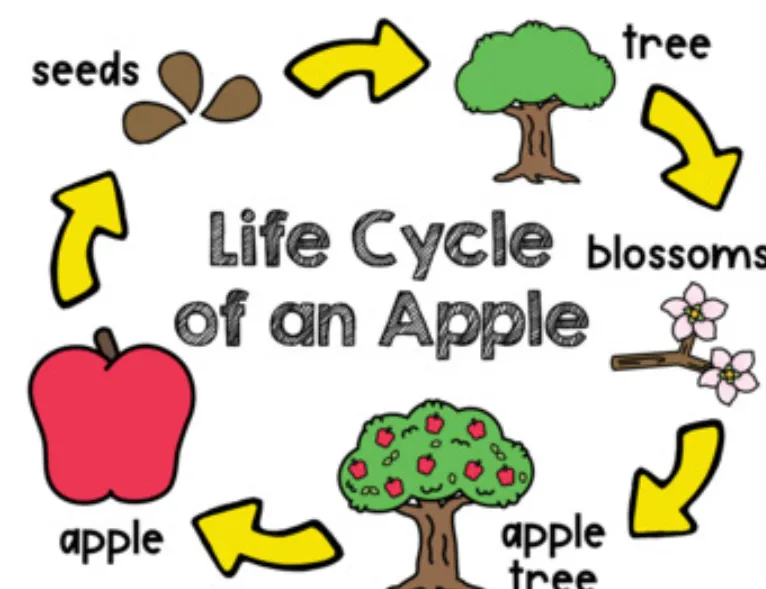
The apple tree life cycle is one of the most fascinating natural processes in horticulture and agriculture. Apple trees have been cultivated for thousands of years and continue to play an important role in food production, landscaping, and ecosystems worldwide. From a tiny seed to a mature fruit-bearing tree, the journey of an apple tree reveals a remarkable story of growth, adaptation, and survival.
An apple tree begins its life as a seed, usually found inside the fruit of a mature apple. Under the right conditions—moist soil, sunlight, and suitable temperatures—the seed germinates and develops into a small seedling. Over time, that seedling grows into a young tree, producing leaves, branches, and eventually blossoms that turn into apples. This process is what defines the apple tree life cycle.
In modern gardening and in commercial orchards, apple trees are valued not only for their delicious fruit but also for their beauty and ecological benefits. Varieties such as the honeycrisp apple are especially popular for their sweet flavor and crisp texture. At the same time, ornamental varieties such as the crab apple tree are widely planted in landscapes and gardens for their vibrant flowers and decorative fruit.
Apple trees are also commonly grown in home landscapes. Many homeowners plant an apple tree in a yard orchard to enjoy fresh fruit and create a beautiful outdoor space. Proper apple tree care, including watering, pruning, and fertilizing, ensures that the tree remains healthy and productive for decades.
Understanding the apple tree life cycle helps gardeners, farmers, and nature lovers appreciate how these trees grow and thrive. It also teaches us how to support their growth, protect them from environmental stress, and maintain healthy ecosystems.
In this comprehensive guide, we will explore the origin, evolution, scientific classification, reproductive process, ecological importance, and protection of apple trees. By the end of this article, you will have a deeper understanding of how apple trees grow, survive, and continue to enrich the natural world.
Their Evolution And Their Origin
The apple tree belongs to the genus Malus and the family Rosaceae. Its evolutionary history dates back millions of years and is closely linked to Central Asian forests.
Ancient Origins
Most scientists believe that the modern apple tree originated from the wild species Malus sieversii. This species still grows naturally in the mountainous forests of Kazakhstan, Kyrgyzstan, and western China.
These wild apples were larger and more diverse in flavor than the wide modern cultivated varieties. Over time, they spread across Asia and Europe through natural dispersal and human trade routes.
Spread Along the Silk Road
One of the most important moments in the evolution of apples occurred during the expansion of the Silk Road. Traders traveling between Asia and Europe carried apple seeds and young trees across continents.
As these apples were planted in different regions, they cross-pollinated with local wild apple species. This created a wide range of new varieties, contributing to the genetic diversity of apple trees.
Domestication by Humans
Humans played a significant role in shaping modern apple varieties. Early farmers selected apple trees with desirable characteristics such as:
- Sweeter fruit
- Larger apples
- Improved storage life
- Resistance to pests and diseases
Through selective breeding, thousands of apple varieties have been developed. Today, there are more than 7,500 known apple cultivars worldwide.
Development of Modern Varieties
Modern apples, such as the honeycrisp apple, were developed through scientific breeding programs. These programs focus on improving taste, texture, and resistance to environmental stress.
At the same time, ornamental apple varieties, such as crab apple trees, evolved into decorative landscape plants. These trees produce beautiful flowers and small, colorful fruits that attract birds and pollinators.
Evolution and Adaptation
Over thousands of years, apple trees have adapted to different climates and environments. They now grow in many parts of the world, including North America, Europe, Asia, and parts of Africa.
The History of Their Scientific Naming
The scientific naming of apple trees has evolved as botanists studied plant classification and taxonomy.
Here are some key points in the history of apple tree scientific naming:
- Genus Identification – Malus
- Apple trees belong to the genus Malus, which includes around 30–55 species of deciduous trees and shrubs.
- Family Classification – Rosaceae
- Apple trees are part of the rose family, Rosaceae. This family also includes pears, cherries, peaches, and strawberries.
- Scientific Name of the Domestic Apple
- The common cultivated apple is scientifically known as Malus domestica. This name is widely accepted in modern botanical research.
- Early Botanical Studies
- In the 18th century, Swedish botanist Carl Linnaeus played a major role in classifying apple species. His work helped standardize the scientific naming of plants.
- Recognition of Wild Ancestors
- Modern genetic studies have identified Malus sieversii as the primary ancestor of domesticated apples.
- Modern Genetic Research
- In recent decades, DNA research has helped scientists better understand the relationships between different apple species and varieties.
Today, botanical classification continues to evolve as scientists discover more about apple genetics and biodiversity.
Their life cycle and ability to survive in nature
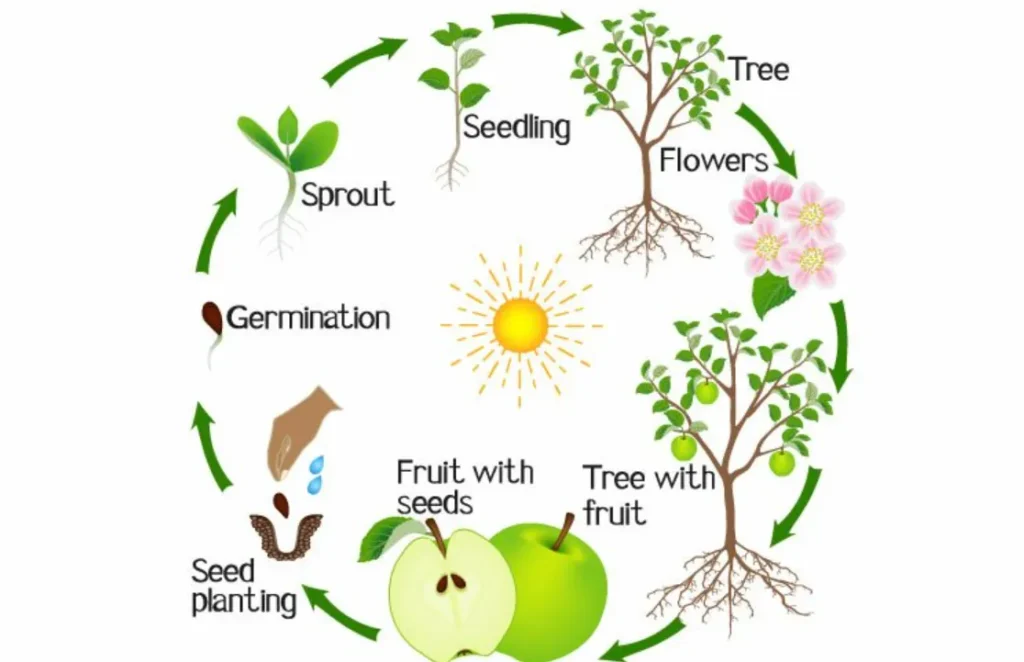
The apple tree life cycle consists of several stages that allow the tree to grow, reproduce, and survive in nature.
1. Seed Stage
The life cycle begins with a seed found inside an apple fruit.
When planted in moist soil, the seed absorbs water and begins to germinate.
2. Germination
During germination:
- The seed coat breaks open
- A root begins to grow downward
- A small shoot grows upward toward sunlight
This stage marks the birth of a new apple tree.
3. Seedling Stage
The young plant develops its first apple tree leaves. These leaves produce energy through photosynthesis, allowing the tree to grow.
4. Young Tree Stage
After several years, the seedling grows into a young tree with branches and a stronger root system.
During this stage, proper apple tree care is essential for healthy development.
5. Flowering Stage
Once mature, the tree produces blossoms in spring. These flowers attract pollinators such as bees.
6. Fruit Production
After pollination, the flowers develop into apples. These fruits contain seeds that restart the cycle.
Survival in Nature
Apple trees survive in nature by:
- Developing deep root systems
- Producing protective bark
- Adapting to seasonal changes
- Forming partnerships with pollinators
This resilience allows apple trees to live for decades in natural environments.
Their Reproductive Process and raising their children
Apple trees reproduce through a fascinating natural process involving flowers, pollination, and seed development.
1. Flower Formation
During spring, apple trees produce clusters of white or pink flowers. These blossoms are essential for reproduction.
2. Pollination
Pollination occurs when pollen from one apple flower is transferred to another flower. Bees and other pollinators usually do this.
Important points about apple pollination:
- Most apple trees require cross-pollination
- Two different apple varieties often grow together in orchards
- Pollinators are essential for fruit production
3. Fertilization
Once pollen reaches the flower’s ovary, fertilization occurs. This leads to the formation of seeds.
4. Fruit Development
After fertilization, the flower begins to transform into an apple fruit. Over several months, the fruit grows and matures.
5. Seed Protection
Inside each apple are several seeds. These seeds are protected by the fruit, which helps them spread when animals eat the fruit.
6. Raising Their “Children.”
Although plants do not raise offspring like animals, apple trees ensure the survival of their seeds by:
- Producing attractive fruit for animals
- Allowing seeds to spread through digestion and dispersal
- Dropping fruit that decomposes and enriches the soil
This strategy ensures that new apple trees can grow in different locations.
The importance of them in the ecosystem
Apple trees provide numerous ecological benefits that support wildlife and environmental balance.
Key ecological roles include:
- Pollinator Support
- Apple blossoms provide nectar and pollen for bees, butterflies, and other pollinating insects.
- Food Source for Wildlife
- Birds, deer, and many small animals eat apples and benefit from the nutrients.
- Habitat Creation
- Apple trees provide shelter and nesting areas for birds and insects.
- Soil Health Improvement
- Fallen apples and leaves decompose, adding organic matter to the soil.
- Biodiversity Enhancement
- Orchards and natural apple groves support diverse plant and animal communities.
- Carbon Absorption
- Like all trees, apple trees absorb carbon dioxide and release oxygen, helping combat climate change.
Because of these roles, apple trees are vital to maintaining healthy ecosystems.
Important Things That You Need To Know
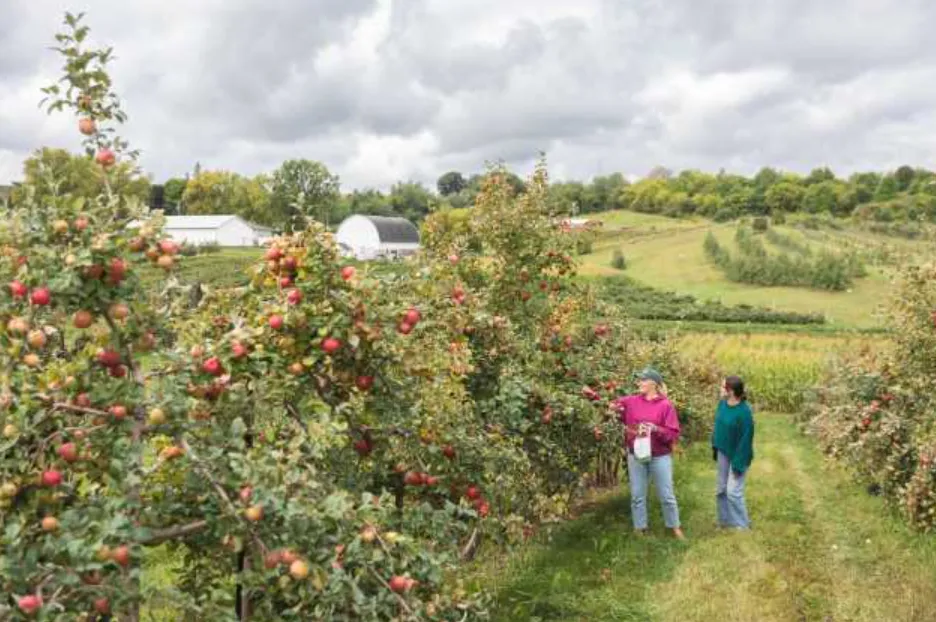
Apple trees are not only fruit-producing plants but also important landscape and agricultural assets. Understanding some key aspects of apple tree cultivation can help gardeners and farmers maintain healthy orchards.
One important apple variety is the honeycrisp, widely grown for its exceptionally crisp, sweet apples. This variety was developed through agricultural research and has become one of the most popular apples in modern markets.
Another commonly planted variety is the crab apple tree. Unlike standard apple trees, crab apples produce smaller fruits but are highly valued for their ornamental beauty. Their blossoms attract pollinators and add vibrant color to gardens and landscapes.
Many homeowners enjoy planting apple trees in their yards to create a natural, productive outdoor space. These trees provide fresh fruit, shade, and visual beauty while increasing property value.
Proper apple tree care is essential to maintain healthy growth and high fruit yields. Care practices include regular pruning, watering, and applying the right apple tree fertilizer to supply essential nutrients.
Apple tree leaves also play an important role in the plant’s health. Through photosynthesis, the leaves convert sunlight into energy that fuels the tree’s growth and fruit production.
In some regions, people even participate in apple tree auctions, where rare or heritage apple varieties are sold to collectors and orchard owners.
By understanding these aspects of apple trees, gardeners can better manage their orchards and enjoy successful harvests.
What to do to protect them in nature and save the system for the future
Protecting apple trees and their ecosystems is essential for sustainable agriculture and biodiversity.
Here are some important steps we can take:
- Plant More Apple Trees
- Encouraging tree planting helps restore natural habitats and increase food production.
- Support Pollinators
- Protecting bees and butterflies ensures successful apple pollination.
- Use Organic Farming Methods
- Reducing chemical pesticides protects soil health and beneficial insects.
- Apply Sustainable Fertilizers
- Using eco-friendly apple tree fertilizer improves soil without harming the environment.
- Conserve Heritage Apple Varieties
- Preserving traditional apple species maintains genetic diversity.
- Protect Natural Forests
- Many wild apple species grow in forests that must be preserved.
- Promote Community Orchards
- Community planting projects help educate people about sustainable agriculture.
- Encourage Responsible Gardening
- Proper pruning, watering, and disease control improve tree longevity.
By following these practices, we can ensure that apple trees continue to thrive for generations to come.
Frequently Asked Questions (FAQs)
1. How long does the apple tree’s life cycle take?
Most apple trees begin producing fruit within 4–8 years after planting, depending on the variety and growing conditions.
2. How long do apple trees live?
Apple trees can live between 50 and 100 years with proper care and favorable environmental conditions.
3. What season do apple trees bloom?
Apple trees usually bloom in spring, typically between April and May in temperate climates.
4. Do apple trees need another tree for pollination?
Yes. Most apple trees require cross-pollination from a different apple variety to produce fruit.
5. How often should apple trees be fertilized?
Apple trees usually benefit from fertilization once or twice per year, especially during early spring.
6. Why are apple tree leaves important?
Apple tree leaves perform photosynthesis, producing energy that supports the tree’s growth and fruit production.
7. Can apple trees grow in home gardens?
Yes. Apple trees grow well in home gardens and yards when given adequate sunlight, soil, and water.
8. What is the difference between apple trees and crab apple trees?
Crab apple trees produce smaller fruits and are mainly used as ornamental trees, while regular apple trees produce larger, edible apples.
Conclusion
The apple tree life cycle is a remarkable journey that begins with a tiny seed and eventually produces one of the world’s most beloved fruits. Through stages such as germination, growth, flowering, pollination, and fruit production, apple trees demonstrate the incredible processes that sustain plant life in nature.
Over thousands of years, apple trees have evolved from wild ancestors in Central Asia into the diverse varieties we see today. Through human cultivation and natural adaptation, they have become among the most widely grown fruit trees worldwide. Popular varieties such as the honeycrisp apple tree and ornamental species like the crab apple tree highlight the diversity and value of these trees.
Apple trees are not only important for food production but also for ecological balance. They provide nectar for pollinators, food for wildlife, shade for landscapes, and contribute to soil health and carbon absorption. Their presence in gardens, orchards, and natural forests helps maintain biodiversity and supports sustainable agriculture.
However, protecting apple trees and their ecosystems is essential. Sustainable farming practices, preservation of pollinators, conservation of wild apple species, and responsible orchard management are all necessary to ensure their survival in the future.
Whether grown in large commercial orchards or in a small apple tree yard, apple trees continue to enrich our lives with beauty, nourishment, and environmental benefits. Understanding their life cycle helps us appreciate the delicate balance of nature and reminds us of our responsibility to protect and nurture these valuable trees for generations to come.