Admin
Admin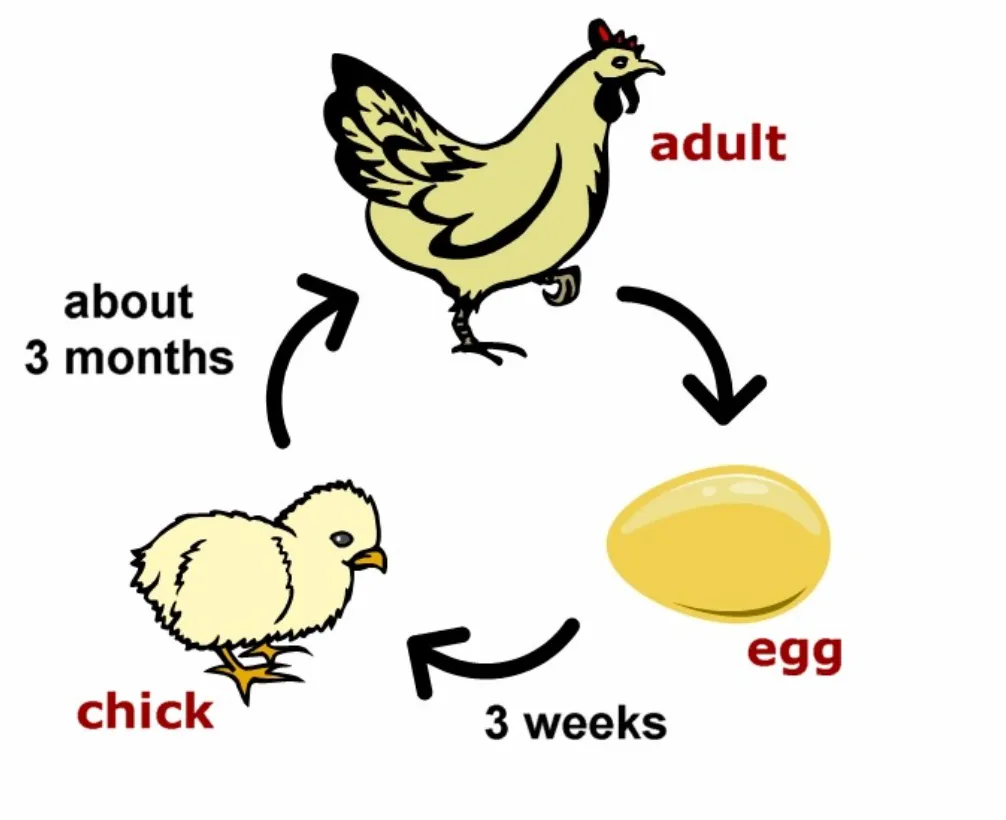
The chicken life cycle is one of the most fascinating biological processes in the animal kingdom. Chickens are among the most widely raised domesticated birds in the world, providing food, economic support, and ecological benefits to millions of people. Understanding how chickens grow—from egg to adult—helps farmers, researchers, and animal lovers appreciate their importance in agriculture and nature.
In 2026, chickens remain the most consumed poultry species globally. According to agricultural data, billions of chickens are raised every year for eggs and meat. However, beyond the food industry, chickens play a crucial role in ecosystems, pest control, and sustainable farming systems.
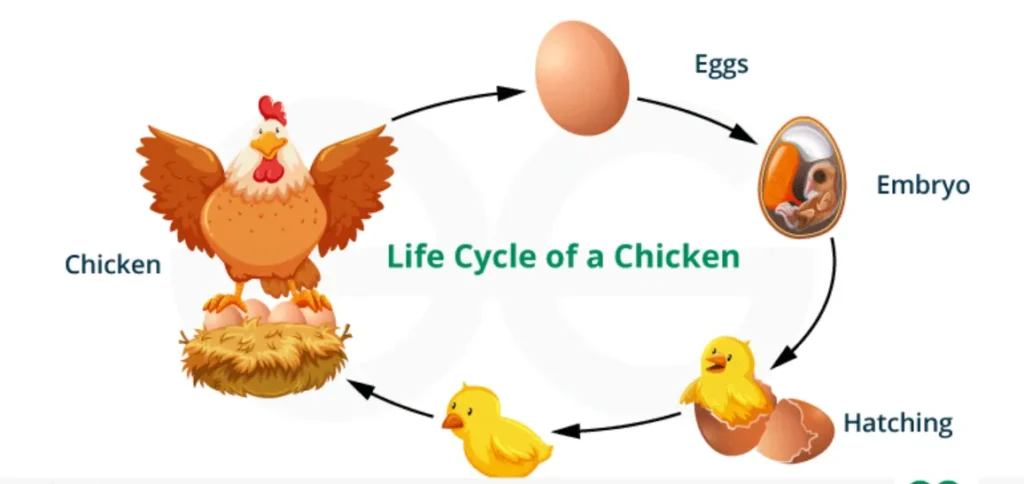
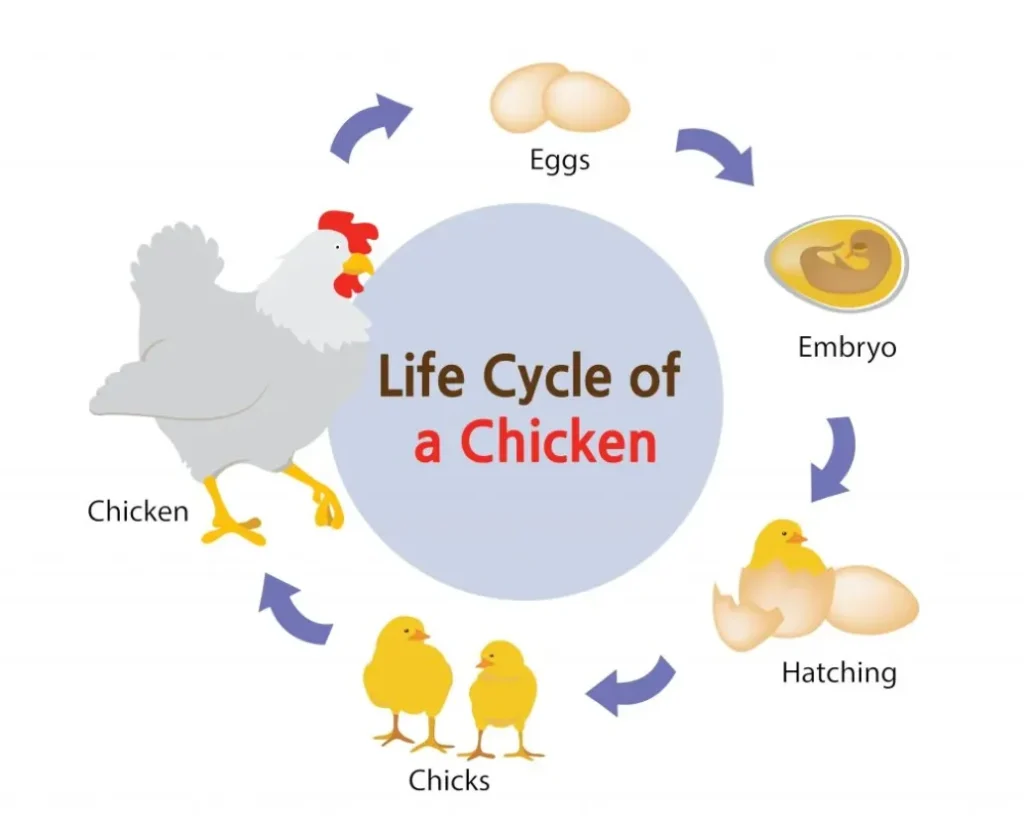
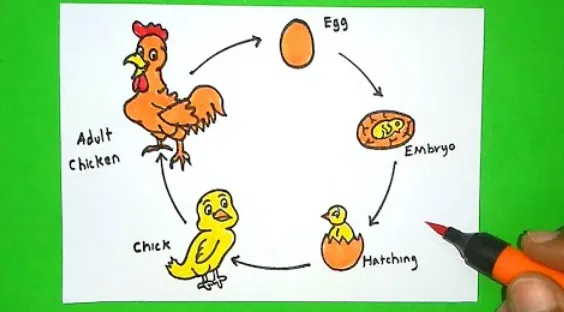
The life cycle of a chicken includes several stages: egg, embryo development, chick, juvenile, and adult. Each stage has unique biological processes that ensure survival and reproduction. These stages occur through carefully coordinated physiological and behavioral mechanisms.
In nature and on farms, chickens demonstrate remarkable adaptability. They can thrive in different climates, from rural backyard farms to large-scale commercial poultry systems. Their ability to reproduce quickly and adapt to human environments has made them one of the most successful domesticated animals.
Interestingly, chickens also hold cultural significance. From traditional farms to modern culinary dishes like buffalo chicken dip or chicken breast recipes, they remain central to global cuisine. Yet their biological story is equally impressive.
This article explores the chicken’s complete journey—from its evolutionary origins to the modern chicken life cycle. We will also discuss their ecological importance, reproduction, survival strategies, and how humans can help protect and maintain sustainable chicken populations in the future.
Their Evolution And Their Origin
Chickens have a long evolutionary history that dates back thousands of years. Modern chickens, scientifically known as Gallus gallus domesticus, are descendants of the wild junglefowl species found primarily in Southeast Asia.
The primary ancestor of domestic chickens is believed to be the Red Junglefowl (Gallus gallus), a bird native to the tropical forests of India, Thailand, Vietnam, and surrounding regions. Archaeological studies indicate that humans first domesticated junglefowl roughly 8,000 years ago.
Early Domestication
Early humans likely domesticated chickens for several reasons:
- Reliable source of eggs and meat
- Easy to breed and manage
- Ability to survive in small spaces
- Cultural and religious significance
Ancient civilizations such as those in the Indus Valley and China began raising chickens long before they spread to Europe and the Middle East.
Spread Across the World
Chickens spread globally through trade routes and migration.
- Asia to the Middle East – Around 2000 BCE, traders introduced chickens to Persia and Mesopotamia.
- Middle East to Europe – By 800 BCE, chickens were widely present in Greece and Rome.
- Europe to the Americas – European explorers brought chickens to the Americas during the 15th and 16th centuries.
Today, chickens exist on every continent except Antarctica.
Genetic Evolution
Modern research using genomic sequencing shows that domestication caused several evolutionary changes:
- Faster growth rates
- Increased egg production
- Reduced fear of humans
- Improved adaptability to farming environments
Selective breeding by humans further created hundreds of chicken breeds, each with unique traits such as size, feather color, egg production, or meat quality.
Modern Chickens in 2026
In the modern agricultural world, chickens have become a cornerstone of global food systems. Advanced breeding programs, improved nutrition, and veterinary science allow chickens to grow faster and stay healthier.
Despite these changes, their genetic connection to wild junglefowl remains clear. Understanding their evolutionary origins helps scientists protect genetic diversity and maintain sustainable poultry populations.
The History of Their Scientific Naming
The scientific naming of chickens follows the biological classification system developed by scientists to organize living organisms.
Here is a brief history of how chickens received their scientific name:
1. Classification in the Animal Kingdom
Chickens belong to the following biological classification:
- Kingdom: Animalia
- Phylum: Chordata
- Class: Aves
- Order: Galliformes
- Family: Phasianidae
- Genus: Gallus
- Species: Gallus gallus
- Subspecies: Gallus gallus domesticus
This classification places chickens among ground-dwelling birds such as turkeys, quails, and pheasants.
2. Linnaean Naming System
The modern scientific naming system was developed by Swedish scientist Carl Linnaeus in 1758. He introduced the binomial nomenclature system, which gives each species a two-part Latin name.
For chickens:
- Gallus refers to the genus containing junglefowl species.
- Gallus gallus refers to the Red Junglefowl.
Domesticated chickens were later classified as Gallus gallus domesticus to distinguish them from their wild ancestors.
3. Genetic Confirmation
Modern genetic studies confirm that domesticated chickens originated primarily from the Red Junglefowl. However, other junglefowl species contributed only small amounts of genetic variation.
4. Importance of Scientific Naming
Scientific naming is important because it:
- Prevents confusion between species
- Helps scientists study evolution
- Allows global communication in biology
- Assists in conservation and breeding programs
Today, the scientific classification of chickens continues to guide research in genetics, agriculture, and animal science.
Their life cycle and ability to survive in nature
The chicken life cycle includes several stages that ensure growth, development, and survival.
1. Egg Stage
The life cycle begins with a fertilized egg laid by a hen. Inside the egg, an embryo begins to develop once incubation starts.
Key features:
- Incubation period: 21 days
- Temperature required: about 37.5°C (99.5°F)
- The egg must be turned regularly for proper development.
2. Embryo Development
During incubation, the embryo forms major organs such as the heart, brain, and skeleton.
Important stages include:
- Day 7: Blood vessels form
- Day 14: Feathers begin developing
- Day 18–20: Chick prepares for hatching
3. Chick Stage
After about three weeks, the chick breaks the eggshell using a special tooth called the egg tooth.
New chicks:
- They are covered with soft down feathers
- Can walk shortly after hatching
- Depend on warmth and protection.
4. Juvenile Stage
At about 6 weeks, chicks begin developing adult feathers. They grow rapidly and become more independent.
5. Adult Chicken
By 4–6 months, chickens reach adulthood. Hens start laying eggs while roosters become capable of reproduction.
Survival Abilities
Chickens survive in nature through:
- Strong social behavior in flocks
- Ability to scratch soil for insects and seeds
- Alertness to predators
- Adaptability to different climates
These traits enable chickens to survive in both wild environments and human-managed farms.
Important Things That You Need To Know
Chickens are not only biologically fascinating but also culturally and economically important. Several terms related to chickens frequently appear in modern food culture and entertainment.
Here are some interesting topics related to chickens.
Chicken Recipes
Chicken is one of the most versatile proteins in global cuisine. Popular chicken recipes include grilled, roasted, and fried chicken. These dishes are widely consumed due to their nutritional value and flavor.
Chicken Breast Recipes
Among poultry cuts, chicken breast recipes are especially popular because they are lean and high in protein. Many health-conscious diets include grilled or baked chicken breast.
Buffalo Chicken Dip
Another popular dish is buffalo chicken dip, a creamy appetizer made with shredded chicken, hot sauce, cheese, and cream cheese. It is commonly served at parties and gatherings.
Chicken Salad Recipe
The classic chicken salad recipe combines cooked chicken with mayonnaise, vegetables, and herbs. It is a quick and nutritious meal enjoyed worldwide.
Chicken Pox
Despite the name, chicken pox is not related to chickens. It is a viral disease in humans caused by the varicella-zoster virus. Historically, the name came from the mild rash resembling small pecks.
Pop Culture References
Characters like Chicken Little and gaming phenomena like chicken jockey show how chickens have entered modern entertainment and internet culture.
Their Reproductive Process and raising their children
Chickens reproduce through sexual reproduction involving a rooster and a hen.
1. Mating Process
Roosters fertilize eggs through a process called cloacal contact. This brief contact transfers sperm to the hen, allowing fertilization.
2. Egg Formation
Inside the hen’s reproductive system:
- The ovary releases a yolk
- Fertilization occurs in the oviduct
- Egg white and shell form around the yolk.
The entire egg formation process takes about 24–26 hours.
3. Incubation
Hens may incubate eggs by sitting on them to provide warmth and protection.
Key points:
- Incubation lasts about 21 days
- Eggs must remain warm and humid
- The hen regularly turns eggs.
4. Hatching
When the chick is ready, it pecks through the shell using its egg tooth. This process may take several hours.
5. Raising Chicks
Mother hens display strong maternal instincts.
They:
- Protect chicks from predators
- Teach them how to find food
- Provide warmth under their wings.
Chicks quickly learn survival skills by observing their mother.
The importance of them in the ecosystem
Chickens contribute significantly to natural and agricultural ecosystems.
1. Pest Control
Chickens naturally eat insects, worms, and pests. This helps control harmful insect populations.
2. Soil Improvement
While scratching the ground for food, chickens loosen soil and help mix organic matter.
3. Natural Fertilizer
Chicken manure is rich in nutrients, including nitrogen and phosphorus. It improves soil fertility.
4. Seed Distribution
Chickens sometimes spread plant seeds while foraging, helping plants grow in new areas.
5. Sustainable Farming
In integrated farming systems, chickens work alongside crops and livestock to create balanced ecosystems.
6. Food Security
Chickens provide reliable sources of eggs and meat, helping communities maintain stable food supplies.
Because of these benefits, chickens play a crucial role in sustainable agriculture and biodiversity.
What to do to protect them in nature and save the system for the future
Protecting chickens and maintaining sustainable poultry systems is essential for future food security and ecological balance.
Here are important steps that can help:
- Promote ethical farming practices to ensure chickens are raised humanely.
- Preserve native chicken breeds to maintain genetic diversity.
- Reduce the overuse of antibiotics in poultry farming.
- Encourage free-range farming systems that allow natural behavior.
- Protect natural habitats where wild junglefowl still live.
- Support sustainable poultry production with eco-friendly practices.
- Educate farmers about disease prevention and proper nutrition.
- Invest in poultry research to improve health and sustainability.
By following these strategies, we can ensure chickens remain healthy, productive, and ecologically valuable in the future.
Frequently Asked Questions (FAQs)
1. What are the stages of the chicken life cycle?
The chicken life cycle includes five main stages: egg, embryo development, chick, juvenile, and adult.
2. How long does it take for a chicken egg to hatch?
A fertilized chicken egg usually hatches after 21 days of incubation.
3. At what age do chickens start laying eggs?
Most hens begin laying eggs between 18 and 24 weeks of age.
4. What do baby chickens eat?
Baby chickens eat specially formulated starter feed rich in protein, vitamins, and minerals.
5. Can chickens survive in the wild?
Yes, chickens can survive in the wild if they have access to food, shelter, and protection from predators.
6. How long do chickens live?
Domestic chickens usually live 5–10 years, depending on breed and care.
7. Why are chickens important to humans?
Chickens provide eggs, meat, fertilizer, pest control, and economic benefits worldwide.
8. Are chickens descendants of dinosaurs?
Yes. Birds, including chickens, evolved from small theropod dinosaurs millions of years ago.
Conclusion
The chicken life cycle is an extraordinary example of biological efficiency and adaptation. From a tiny fertilized egg to a fully grown adult bird, chickens undergo several remarkable stages of development. Each phase—from embryo growth inside the egg to the independence of adult chickens—demonstrates the complexity of nature’s design.
Historically, chickens evolved from wild junglefowl in Southeast Asia and gradually became one of the most important domesticated animals in human civilization. Over thousands of years, humans have selectively bred chickens to improve egg production, growth rate, and adaptability. Despite these changes, their biological roots remain closely connected to their wild ancestors.
Understanding the chicken life cycle also highlights their importance in ecosystems. Chickens help control insects, improve soil health, and contribute to sustainable agriculture. Their role in food production is equally vital, providing affordable protein to billions of people worldwide.
However, as global demand for poultry products increases, responsible farming practices are more important than ever. Protecting genetic diversity, supporting ethical farming, and conserving natural habitats are essential steps toward sustainable poultry systems.
As we move forward, chickens will continue to play a critical role in agriculture, ecology, and food security. By learning about their life cycle and respecting their biological needs, we can ensure that these remarkable birds remain an essential part of both nature and human society for generations to come.
Also Read About: Apple Tree Life Cycle