Admin
Admin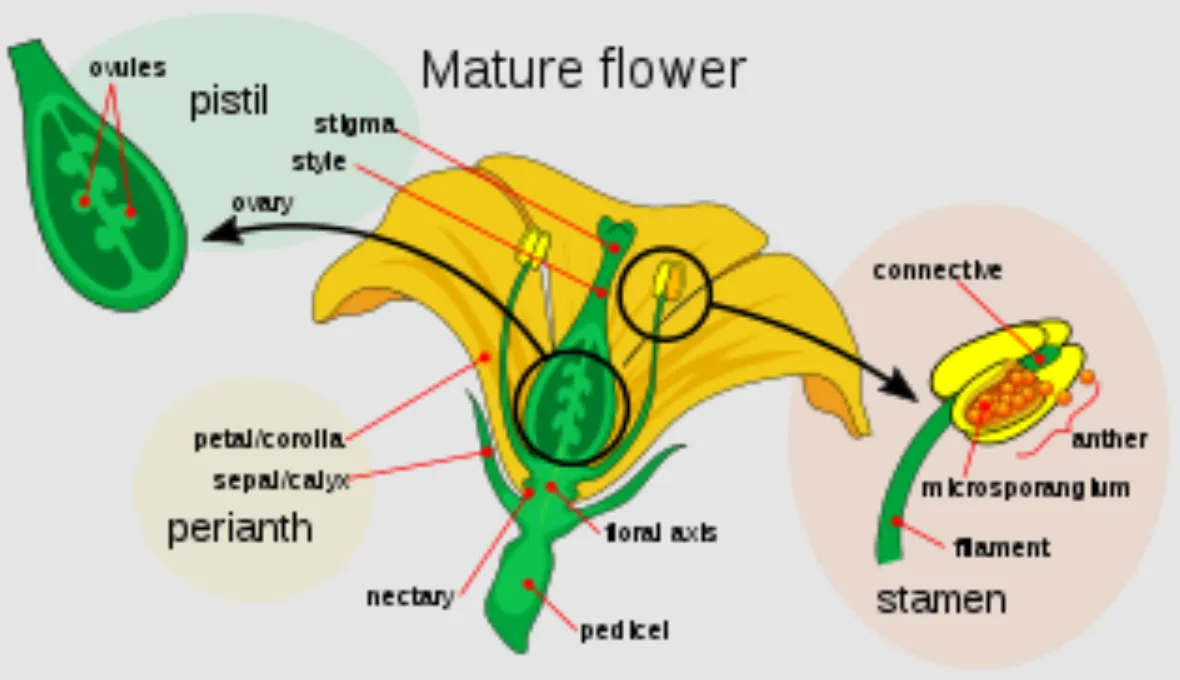
The life cycle of a flower is a fascinating natural process that shows how plants grow, reproduce, and survive across generations. From a tiny seed buried in soil to a fully blooming flower, each stage plays a vital role in maintaining ecosystems and supporting life on Earth. Understanding this cycle not only helps students and gardeners but also deepens appreciation for nature’s balance.
Flowers are part of flowering plants known as angiosperms. Their life cycle includes stages like seed germination, growth, pollination, fertilization, and seed production. Each step ensures the continuation of plant species.
Quick Answers (Most Common Questions)
1. What are the stages of a flower’s life cycle?
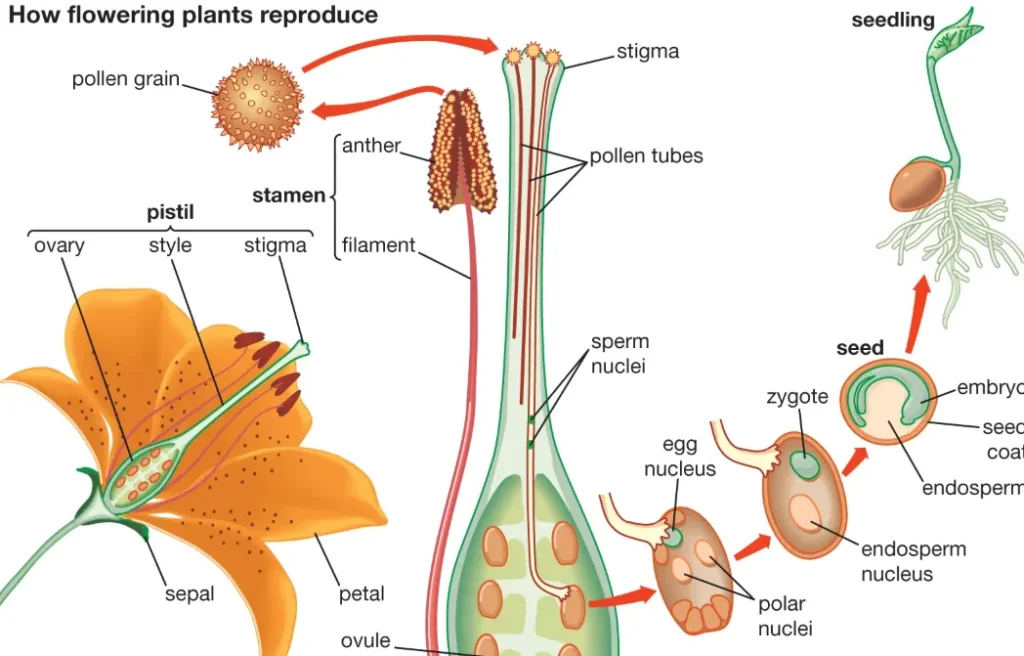
Seed → Germination → Seedling → Mature Plant → Flowering → Pollination → Fertilization → Seed Formation.
2. How long does a flower’s life cycle take?
It varies depending on the plant—some complete it in weeks (annuals), while others take years (perennials).
3. Why is the life cycle important?
It ensures plant reproduction, supports food chains, and maintains biodiversity.
Quick Life Cycle Table
| Stage | Description |
| Seed | The starting point containing the plant embryo |
| Germination | The seed absorbs water and begins to grow |
| Seedling | A young plant develops roots and leaves |
| Mature Plant | Fully grown plant capable of reproduction |
| Flowering | The plant produces flowers |
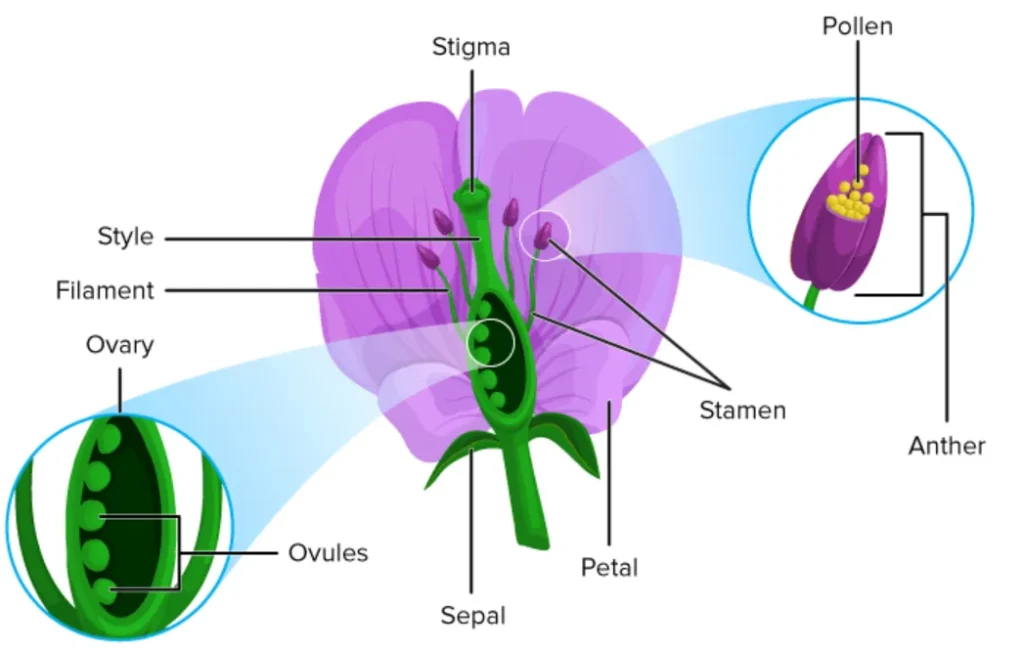
| Pollination | Transfer of pollen from the anther to the stigma |
| Fertilization | Fusion of male and female cells |
| Seed Formation | New seeds develop for the next generation |
The History Of Their Scientific Naming
The scientific naming of flowering plants has evolved over centuries. Here are key highlights:
- Carl Linnaeus (1707–1778) is considered the father of modern taxonomy. He introduced the binomial naming system (Genus + Species).
- Early classifications were based on visible characteristics such as flower structure and leaf shape.
- Linnaeus categorized plants based on reproductive organs, especially flowers.
- Over time, botanical classification improved with genetic and molecular research, making naming more accurate.
- Today, plant names follow the International Code of Nomenclature for algae, fungi, and plants (ICN).
- Scientific naming helps scientists worldwide communicate clearly, regardless of language barriers.
- For example, a sunflower is scientifically called Helianthus annuus.
This system ensures consistency and avoids confusion when studying the life cycle of flowers.
Their Evolution And Their Origin
Flowering plants, also known as angiosperms, first appeared around 140 million years ago during the Cretaceous period. Their evolution marked a major turning point in plant history.
Before flowers existed, plants reproduced via spores or cones, as in ferns and gymnosperms. The emergence of flowers introduced a more efficient reproductive system.
Flowers evolved to attract pollinators, including insects, birds, and wind. Bright colors, scents, and nectar became evolutionary advantages. This relationship between plants and pollinators is called co-evolution.
Over millions of years, flowering plants diversified rapidly. Today, they are the most dominant plant group on Earth, with over 300,000 species.
Key evolutionary advantages include:
- Efficient reproduction through seeds
- Protection of seeds within fruits
- Ability to adapt to different environments
- Faster growth cycles
The origin of flowers is still being studied, but fossil evidence shows that that early simple flowers gradually becamebecame more complex. This evolution explains why flowers play such a crucial role in ecosystems today.
Their main food and its collection process
Flowers, like all plants, produce their own food through photosynthesis. Here’s how they collect and use it:
- Sunlight absorption: Leaves capture sunlight using chlorophyll.
- Carbon dioxide intake: Taken from the air through tiny pores called stomata.
- Water absorption: Roots absorb water and minerals from the soil.
- Photosynthesis process: Converts sunlight, water, and CO₂ into glucose (food).
- Energy storage: Excess food is stored in roots, stems, or fruits.
Additional points:
- Flowers themselves attract pollinators but rely on leaves for food production.
- Nectar produced in flowers serves as food for pollinators.
- The plant uses glucose for growth, flowering, and seed production.
This process ensures that the flower has enough energy to complete its life cycle and reproduce successfully.
Their life cycle and ability to survive in nature
Seed Stage
Seeds remain dormant until conditions like water, warmth, and oxygen are favorable.
Germination
The seed sprouts, developing roots and shoots. This stage is highly sensitive to environmental conditions.
Growth Stage
The plant grows leaves and stems, increasing its ability to produce food.
Flowering Stage
The plant produces flowers to begin reproduction.
Survival Abilities
- Adaptation to climate changes
- Resistance to pests and diseases
- Ability to store nutrients
- Seasonal growth patterns
Flowers survive in nature by adapting to their environment. Some grow in deserts, others in wetlands. Their resilience ensures the survival of the species even under harsh conditions.
Important Things That You Need To Know
The life cycle of a flower connects with several related concepts that deepen understanding. These are known as LSI keywords and include plant growth stages, the flower-reproduction process, seed germination, plant pollination, and plant life-cycle diagrams.
The plant growth stages begin with a seed and continue through germination, vegetative growth, and reproduction. Each stage requires specific environmental conditions such as sunlight, water, and nutrients.
The seed germination process is crucial because it determines whether a plant will successfully grow. Moisture activates enzymes within the seed, triggering root and shoot development.
The reproductive process of flowers involves pollination and fertilization. Without these steps, plants cannot produce seeds.
Pollination in plants can occur through wind, insects, birds, or water. This diversity increases the chances of reproduction.
A plant life cycle diagram helps visualize these stages clearly, making it easier for students and learners to understand.
Understanding these related concepts provides a complete picture of how flowers grow, reproduce, and sustain ecosystems.
Their Reproductive Process and raising their children
Flowers reproduce through a combination of pollination and fertilization. Here’s how:
- Pollination: Transfer of pollen from anther to stigma.
- Agents of pollination: Bees, butterflies, wind, birds, and water.
- Fertilization: Male and female gametes fuse inside the ovary.
- Seed development: Fertilized ovule becomes a seed.
- Fruit formation: The ovary develops into a fruit that protects the seeds.
- Seed dispersal: Seeds are spread through wind, water, or animals.
Raising their “children” (new plants):
- Seeds remain dormant until favorable conditions appear.
- Some seeds have protective coatings to help them survive.
- Others rely on animals for dispersal and growth.
This ensures the continuation of plant species across generations.
The importance of them in this Ecosystem
Food Source
Flowers support pollinators and contribute to food production.
Oxygen Production
Through photosynthesis, they release oxygen, an essential component of life.
Biodiversity Support
They provide habitats and maintain ecological balance.
Soil Protection
Roots prevent soil erosion and improve soil health.
Climate Regulation
Plants help regulate temperature and carbon dioxide levels.
Flowers are vital for sustaining life on Earth and maintaining ecosystem stability.
What to do to protect them in nature and save the system for the future
- Plant native flowers in your garden
- Avoid using harmful pesticides
- Support pollinator-friendly environments
- Conserve water and soil resources
- Protect natural habitats from deforestation
- Educate others about plant conservation
- Reduce pollution and carbon footprint
- Participate in tree and plant planting programs
Protecting flowers helps create a healthier environment and ensures future sustainability.
Frequently Asked Questions (FAQs)
1. What is the first stage of a flower’s life cycle?
The seed stage is the beginning.
2. What triggers seed germination?
Water, warmth, and oxygen.
3. What is pollination?
Transfer of pollen from anther to stigma.
4. Why are flowers important for reproduction?
They contain reproductive organs necessary for seed production.
5. How do seeds spread?
Through wind, water, and animals.
6. What is fertilization in plants?
Fusion of male and female gametes.
7. Do all plants have flowers?
No, only flowering plants (angiosperms).
8. How do flowers help ecosystems?
They support pollinators and maintain biodiversity.
Conclusion
The life cycle of a flower is a remarkable journey that reflects the beauty and complexity of nature. From a tiny seed to a vibrant bloom, each stage plays a crucial role in sustaining life on Earth. Flowers not only reproduce to ensure their survival but also support ecosystems, provide food, and maintain environmental balance.
Understanding this cycle helps us appreciate the importance of plants in our daily lives. It also highlights the need to protect and conserve them for future generations. By learning about their growth, reproduction, and ecological role, we can take meaningful steps to preserve nature.
Flowers are more than just beautiful—they are essential to life itself.
Also Read: mushroom life cycle