Admin
Admin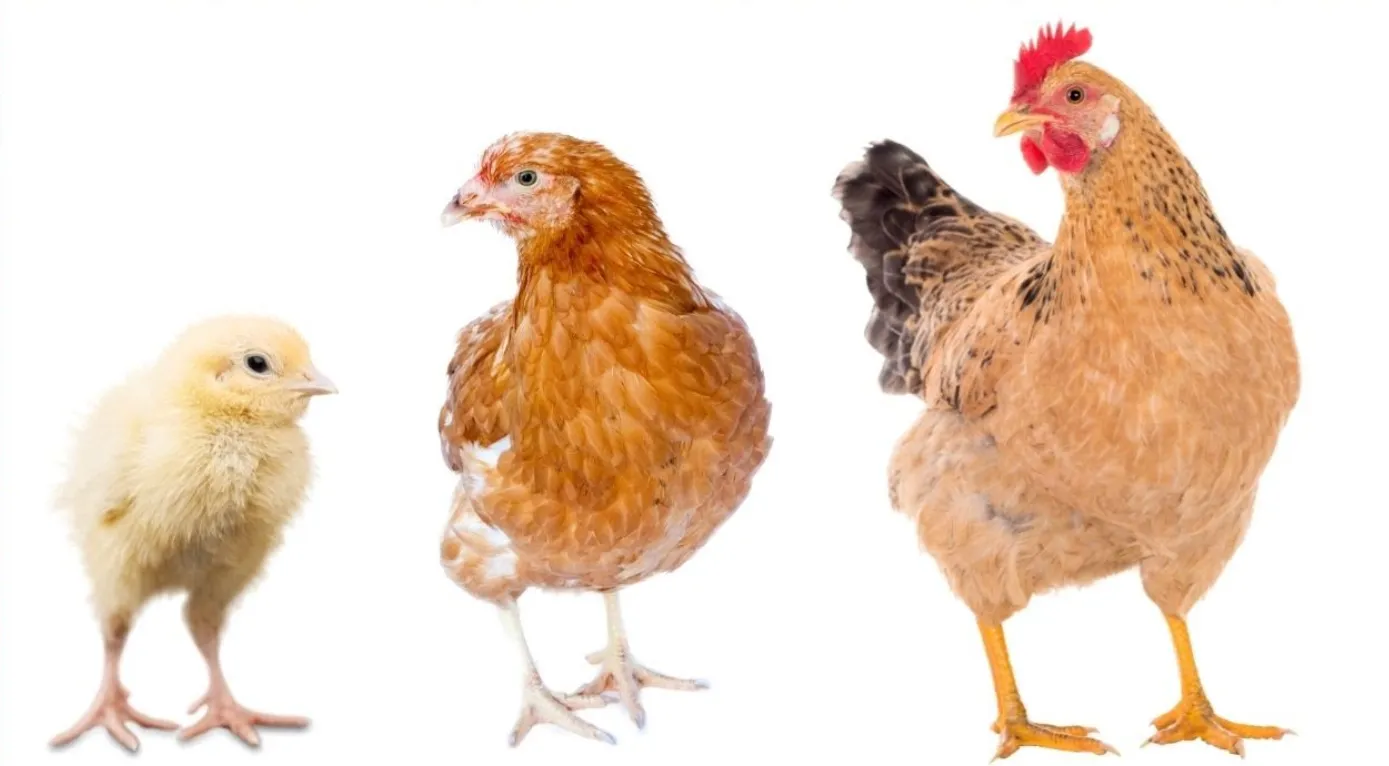
The hen life cycle is one of the clearest examples of how a bird grows, adapts, reproduces, and supports both human life and the natural Ecosystem. A hen is an adult female chicken, and the domestic chicken is commonly known by the scientific name Gallus gallus domesticus. Modern chickens are closely linked to the red junglefowl, and most scientific research agrees that domestic chickens came mainly from wild junglefowl in Southeast Asia.
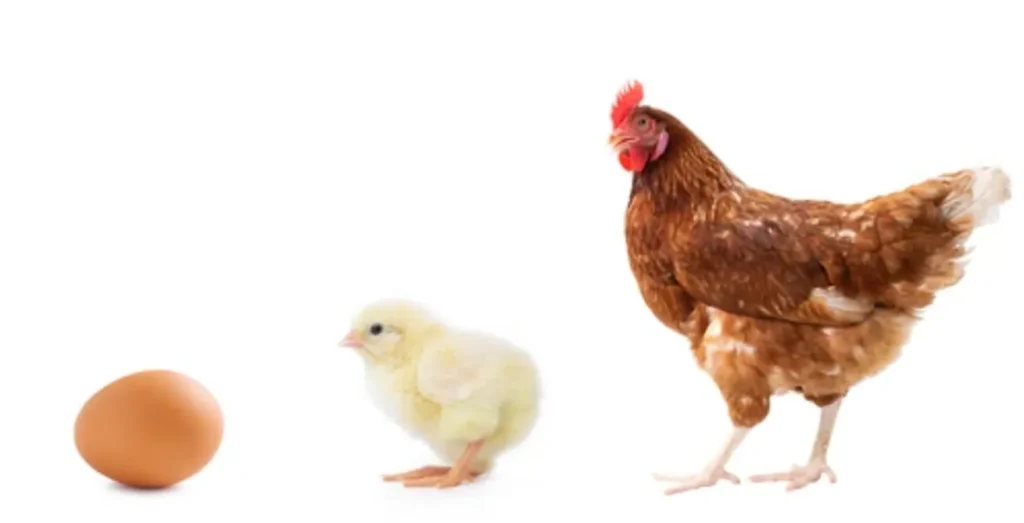
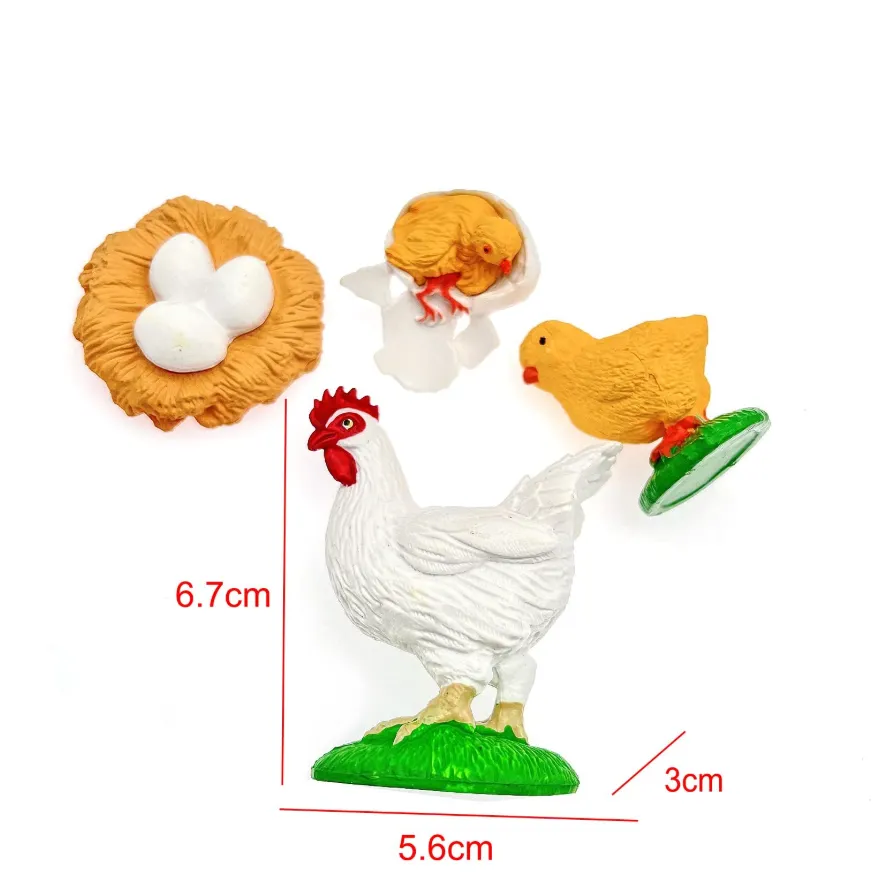
A hen begins life inside an egg. If the egg is fertile and kept under the right warmth, humidity, and turning conditions, the chick usually hatches after about 21 days. After hatching, the chick grows through the brooder stage, pullet stage, young adult stage, and finally becomes a mature laying hen. Extension poultry sources list chicken egg incubation at 21 days, which makes the hen’s life cycle easy to observe and understand.
People search for this topic for many reasons. Some want to raise backyard hens, some want to understand nature, and others want a simple biology explanation for students. This guide explains the full hen life cycle in a natural, deep, and readable way.
Quick Answers: Most Common Questions
Q: How long does a hen’s life cycle take from egg to adult?
A: A fertile chicken egg usually hatches in about 21 days. A female chick then grows into a pullet and may begin laying eggs around 18 to 24 weeks, depending on breed, nutrition, light, and care.
Q: What are the main stages of the hen’s life cycle?
A: The main stages are egg, embryo, hatchling chick, growing chick, pullet, adult hen, laying stage, and older hen.
Q: Can hens survive in nature without human care?
A: Some hens can survive in natural or semi-natural conditions, especially if they can forage, hide, roost, and avoid predators. But most domestic hens depend on safe shelter, clean water, balanced food, and disease protection.
Quick Life Cycle Table
| Life cycle stage | Approximate age or time | What happens | Main survival need |
| Fertile egg | Day 0 | The hen lays a fertilized egg | Warmth and protection |
| Embryo inside egg | Day 1 to 21 | The chick develops inside the shell | Proper temperature, humidity, and air flow |
| Hatching chick | Around day 21 | The chick breaks the shell using its egg tooth | Dry warmth and safety |
| Brooder chick | Week 1 to 6 | Feathers grow, legs strengthen, and feeding begins | Heat, starter feed, clean water |
| Growing chick | Week 6 to 16 | Body size increases, and social behavior develops | Space, protein, protection |
| Pullet | Week 16 to 24 | A young female prepares for egg laying | Calcium, light, low stress |
| Adult hen | Around 5 to 6 months onward | The hen lays eggs and joins the flock order | Nest, feed, clean housing |
| Mature older hen | 2 years onward | Egg laying may slow with age | Gentle care, health checks |
The History of Their Scientific Naming
The scientific name of the domestic chicken is commonly written as Gallus gallus domesticus. In simple words, this name places the hen inside the Gallus group, which includes junglefowl. The word hen itself is not a separate species name. It means the adult female of the domestic chicken.
Scientific naming follows taxonomy, a system that helps researchers identify animals clearly across countries and languages. A chicken belongs to the class Aves, order Galliformes, family Phasianidae, genus Gallus, and species Gallus gallus. Some sources also use Gallus domesticus, but many modern references treat domestic chickens closely with the red junglefowl under Gallus gallus. Britannica notes that there is some debate around the exact scientific naming, but the close relationship with the red junglefowl is widely accepted.
Important points about the name:
• Gallus means the junglefowl group.
• Gallus refers to the red junglefowl species.
• domesticus shows its domesticated form.
• Hen means female adult chicken, not a separate animal species.
• Rooster means adult male chicken.
• Chick means baby chicken.
This naming history matters because it connects today’s backyard hen with its wild ancestors.
Their Evolution And Their Origin
The origin of the modern hen is deeply connected to the wild red junglefowl of Southeast Asia. For many years, people believed chickens were domesticated around 8,000 to 10,000 years ago. Newer archaeological research has made the story more careful and interesting. A major study in PNAS reviewed chicken remains from more than 600 sites in 89 countries and suggested that clear domestic chicken evidence appears later than many older claims, with important early evidence from central Thailand around 1650 to 1250 BCE.
Genetic studies also show that domestic chickens are mainly linked to the red junglefowl subspecies Gallus gallus spadiceus, found around southwestern China, northern Thailand, and Myanmar. This means the hen we see today carries a long history of wild survival, human contact, and selective breeding.
The relationship between humans and junglefowl likely grew stronger when cereal farming expanded. Stored grains such as rice and millet may have attracted wild junglefowl near human settlements. Over time, birds that tolerated people, fed near farms, and nested close to villages became easier to manage. Oxford researchers describe dry rice farming as a likely “magnet” that drew wild junglefowl closer to people and helped begin domestication around 1,500 BCE in Southeast Asia.
From there, chickens spread through trade, migration, farming, and cultural exchange. They became valuable not only for food, but also for ritual, timekeeping, pest control, and companionship.
Modern hens are very different from wild junglefowl in some ways. Selective breeding has changed their body size, egg-laying ability, feather colors, growth rate, and temperament. Yet their basic life cycle still follows the ancient bird pattern: egg, embryo, chick, young bird, adult, reproduction, and aging.
Important Things That You Need To Know
When people search for hen life cycle, search engines also connect the topic with related words such as hen, cornish hen, cornish hen recipe, hen of the woods, guinea hen, hen house, and cornish game hen. These words are useful, but not all of them mean the same thing.
A hen is an adult female chicken. This is the main animal discussed in the hen’s life cycle. A Cornish hen or Cornish game hen is not a young wild bird. It is usually a small chicken, often sold for cooking. Many people search for a Cornish hen recipe because they want food ideas, not biology. So, while the phrase includes the word hen, it belongs more to cooking than to the natural life cycle.
The phrase hen of the woods can confuse readers. It is not a bird at all. Hen of the woods is a mushroom, also known as maitake. It has no connection to chicken reproduction, egg incubation, or chick growth.
A guinea hen is also different. It means a female guinea fowl, not a female chicken. Guinea fowl exhibit distinct behaviors, egg characteristics, sounds, and survival strategies.
A hen house is the shelter where hens sleep, lay eggs, and stay safe from predators. In backyard farming, a clean hen house is very important because it protects the life cycle from disease, stress, cold, and attacks.
So, the key is simple. All these LSI keywords are related by search behavior, but the true hen life cycle belongs to the domestic female chicken, Gallus gallus domesticus.
Their main food and its collection process
A hen is an omnivorous bird, meaning it eats both plant-based and animal-based food. In natural conditions, hens scratch the ground with their feet, peck at small items, and search for seeds, grains, tender leaves, insects, worms, and small invertebrates. Extension poultry guidance explains that chickens naturally scratch the ground for insects, worms, small grains, and plant leaves.
Their food collection process is active and instinctive. A hen does not simply wait for food. She walks, scratches, watches, pecks, tests, and moves again. This behavior is called foraging.
Main foods of hens include:
• Grains such as corn, rice, wheat, millet, and barley.
• Seeds found in soil, grass, and farm areas.
• Insects such as beetles, ants, larvae, and small bugs.
• Worms that provide extra protein.
• Green leaves and tender plants.
• Small stones or grit that help grind food in the gizzard.
• Calcium sources that support strong eggshells in laying hens.
In a backyard or farm setting, hens usually receive balanced poultry feed. This is important because egg laying requires energy, protein, vitamins, minerals, and calcium. A hen that only eats scraps may survive, but she may not lay strong eggs or stay healthy.
In nature, food collection also teaches chicks survival. Young chicks follow the mother hen and learn what to peck, what to avoid, where to hide, and how to respond to warning calls. This learning is a key part of the hen’s life cycle because feeding is linked with growth, immunity, feather development, and reproductive success.
Their life cycle and ability to survive in nature
Egg Stage
The life cycle begins when a hen lays an egg. If a rooster has mated with the hen, the egg may be fertile. Inside the egg, the embryo develops using nutrients from the yolk and is protected by the shell. Chicken embryos usually hatch after about 20 to 21 days, with 21 days being the common poultry incubation period.
Chick Stage
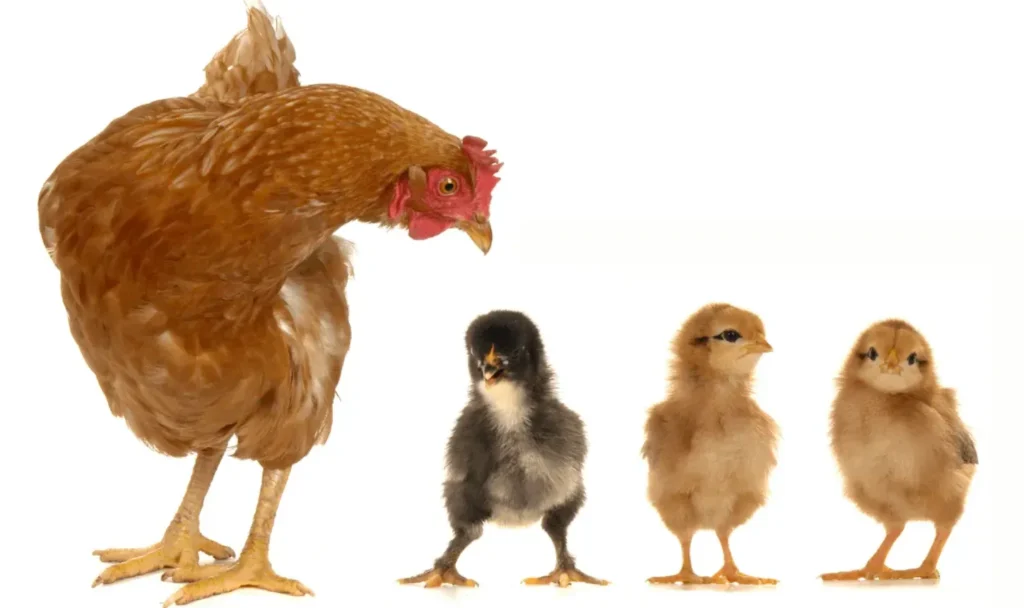
After hatching, the chick is weak, soft, and dependent on warmth. Its body is covered with down, not full feathers. The chick must learn to eat, drink, respond to calls, and stay close to the heat. In nature, the mother hen gathers chicks under her wings and warns them about danger.
Pullet Stage
A young female chicken is called a pullet. This stage is important because the bird grows bones, feathers, muscles, and reproductive organs. Proper nutrition during this stage affects future egg-laying ability.
Adult Hen Stage
When the pullet becomes mature, she becomes an adult hen. Many hens begin laying eggs around 18 to 24 weeks, though breed, lighting, feed, and health can affect timing.
Survival In Nature
Domestic hens can survive better when they have shelter, flock support, water, food, and places to roost. Their natural defenses include keen eyesight, quick alarm calls, the ability to scratch, social warning behavior, and the instinct to hide. Still, they are vulnerable to predators, disease, weather stress, and food shortage.
Their Reproductive Process and raising their children
The reproductive process of a hen begins with sexual maturity. A healthy adult hen can lay eggs with or without a rooster. However, eggs will only develop into chicks if a rooster fertilizes them.
Important points in the reproductive process:
• Courtship: The rooster may display around the hen, lower a wing, call, and show food. This behavior helps attract the hen.
• Mating: Chickens reproduce through brief cloacal contact. The rooster transfers sperm to the hen, and sperm can remain viable inside the hen for a period, allowing several fertile eggs after mating.
• Egg formation: The egg forms inside the hen’s reproductive tract. The yolk develops first, then albumen, membranes, shell, and bloom are added before laying.
• Egg laying: A healthy laying hen may lay regularly, but not every egg is fertile. Egg production depends on breed, age, nutrition, daylight, and stress.
• Broodiness: Some hens become broody. A broody hen sits on eggs, keeps them warm, turns them, and protects the nest.
• Incubation: Fertile chicken eggs normally need around 21 days to hatch. During this time, the embryo grows organs, blood vessels, bones, feathers, a beak, and legs.
• Raising chicks: After hatching, the mother hen teaches chicks to feed, hide, dust bathe, respond to warning calls, and stay with the flock.
A strong mother hen is protective. She may puff her feathers, make warning sounds, and attack small threats. This care increases chick survival, especially in natural or free-range conditions.
The importance of them in this Ecosystem
Natural Pest Control
Hens help control insects, larvae, ticks, worms, and other small organisms by foraging. While they should not be used as the only pest control method, their scratching and pecking can reduce some pest pressure in gardens, yards, and farm areas.
Soil Turning and Nutrient Recycling
A hen constantly scratches the ground while searching for food. This behavior can turn light soil, mix leaf litter, and help break down organic matter. Their droppings also return nutrients to the soil when managed properly.
Food Web Connection
In nature, hens and wild junglefowl are both foragers and prey. They eat seeds, insects, and small animals, while predators such as foxes, hawks, snakes, wild cats, and dogs may hunt them. This places hens within a wider food web.
Human Food System
Hens are crucial to agriculture because they provide eggs, meat, manure, and income. Chickens are among the most widely kept domestic animals in the world, and Britannica describes them as one of the most widely domesticated fowl, raised globally for eggs and meat.
Cultural and Educational Value
The hen’s life cycle is also important for education. Children can understand growth, reproduction, embryo development, animal care, and responsibility by studying hens. In many cultures, hens also represent home, fertility, food security, and rural life.
Biodiversity Link
Traditional breeds and local hens carry genetic diversity. This diversity matters because some breeds tolerate heat, disease, poor forage, or local climates better than highly specialized commercial birds.
What to do to protect them in nature and save the system for the future
Protecting hens means protecting their health, habitat, genetics, and role in the Ecosystem. It also means preventing disease from spreading to wild birds and domestic flocks. USDA says biosecurity is key to keeping poultry healthy and reducing the risk of avian influenza and other infectious diseases.
• Keep a clean hen house with dry bedding, fresh air, and safe nesting areas.
• Provide clean drinking water every day because dehydration quickly weakens hens.
• Feed a balanced diet based on age, breed, and purpose. Laying hens need enough calcium and protein.
• Protect hens from predators with strong fencing, covered runs, safe night roosts, and secure doors.
• Separate sick birds quickly and contact a poultry expert or veterinarian if disease signs appear.
• Avoid mixing new birds with an existing flock without a quarantine period.
• Wash hands after touching hens, eggs, bedding, or poultry equipment. CDC warns that backyard poultry can carry germs such as Salmonella even when birds look healthy.
• Keep wild birds away from poultry feed and water to reduce disease risk.
• Do not overcrowd hens, because crowding increases stress, feather pecking, parasites, and infection.
• Preserve local and heritage chicken breeds because they may carry useful survival traits.
• Avoid unnecessary chemical use in areas where hens forage.
• Teach children how to handle hens gently and safely.
• Collect eggs regularly and keep nesting boxes clean.
• Support ethical poultry farming that respects animal welfare and natural behavior.
• Plant safe vegetation around poultry areas to provide shade, insects, and environmental comfort.
Frequently Asked Questions FAQs
Q: What is the full hen life cycle?
A: The full hen life cycle includes egg, embryo, hatching chick, growing chick, pullet, adult hen, laying stage, and older hen. The cycle starts inside a fertile egg and continues as the hen grows, reproduces, and ages.
Q: How many days does a hen egg take to hatch?
A: A fertile chicken egg usually takes about 21 days to hatch when it receives the right warmth, humidity, turning, and air flow.
Q: What is the difference between a hen and a chicken?
A: Chicken is the general name for the species. Hen means an adult female chicken. A male chicken is called a rooster, and a baby chicken is called a chick.
Q: When does a hen start laying eggs?
A: Many hens begin laying eggs around 18 to 24 weeks of age, but timing depends on breed, nutrition, season, daylight, health, and stress level.
Q: Does a hen need a rooster to lay eggs?
A: No. A hen can lay eggs without a rooster. However, she needs a rooster only if the eggs are expected to become chicks.
Q: What does a hen eat naturally?
A: A hen naturally eats grains, seeds, insects, worms, green leaves, and small food items found by scratching the soil. Hens also need grit to help grind food in the gizzard.
Q: Can hens live in the wild?
A: Some hens can live in natural conditions if they find food, water, shelter, roosting places, and protection from predators. But most domestic hens survive better with human care.
Q: What is a broody hen?
A: A broody hen is a hen that wants to sit on eggs and hatch them. She stays on the nest, keeps the eggs warm, turns them, and protects the chicks after hatching.
Q: Is cornish hen part of the hen life cycle?
A: Cornish hen or cornish game hen is a food and poultry term, not a separate life cycle stage. It usually refers to a small meat chicken sold for cooking.
Q: What is the biggest danger for hens?
A: The biggest dangers are predators, disease, poor nutrition, dirty housing, extreme heat, extreme cold, and stress. Good shelter and biosecurity reduce many of these risks.
Conclusion
The hen’s life cycle is a powerful story of growth, survival, reproduction, and connection with both humans and nature. From a small, fertile egg to a fully grown adult hen, every stage depends on warmth, food, safety, health, and instinct. The egg needs about 21 days to hatch; the chick needs care and protection; the pullet needs strong nutrition; and the adult hen needs a safe environment to lay eggs and live well.
Hens are not just farm birds. They help recycle nutrients, control some insects, support food systems, teach biology, and preserve agricultural traditions. Their origin from wild junglefowl also reminds us that every domestic animal has a natural history.
To protect hens for the future, people must provide clean housing, good food, disease control, safe outdoor space, and respect for natural behavior. A healthy hen supports a healthy flock, and a healthy flock supports a stronger ecosystem.
Also Read: horse fly larva life cycle