Admin
Admin
Food moths are small stored-food pests that commonly appear in kitchens, pantries, grain stores, pet-food containers, and dry-food cupboards. In most homes, the term “food moths” usually refers to the Indian meal moth, Plodia interpunctella. This moth is one of the most common pantry pests because its larvae can feed on many dry foods, including flour, rice, cereal, nuts, dried fruit, seeds, bird food, and dog food. University extension sources describe the Indianmeal moth as a frequent pest of stored grains and household food products.
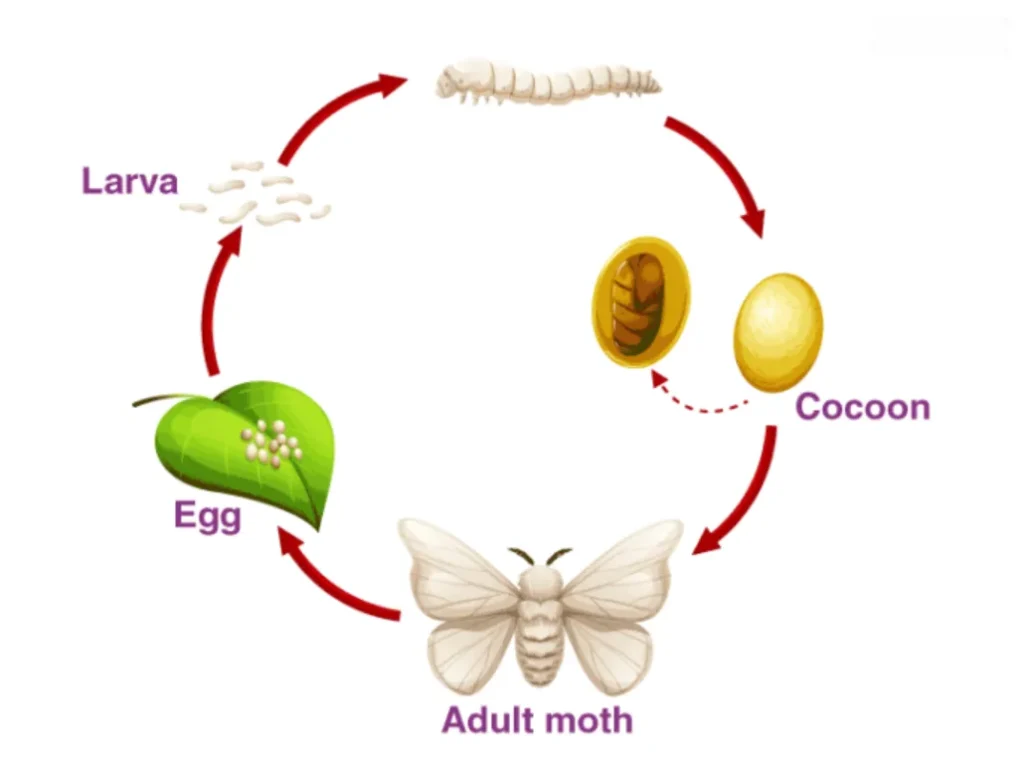
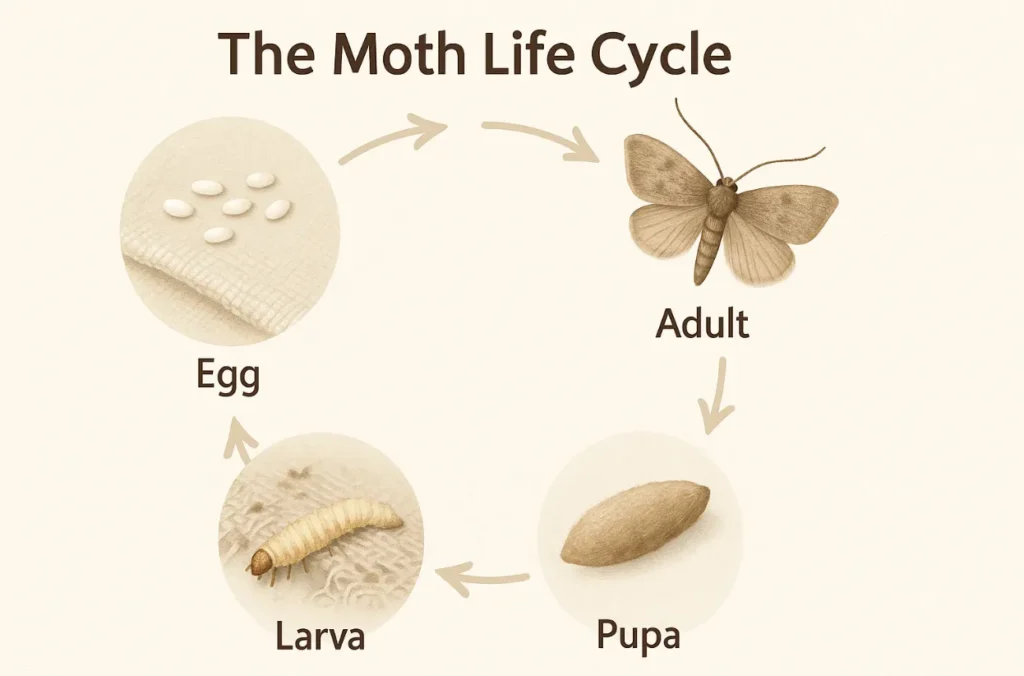
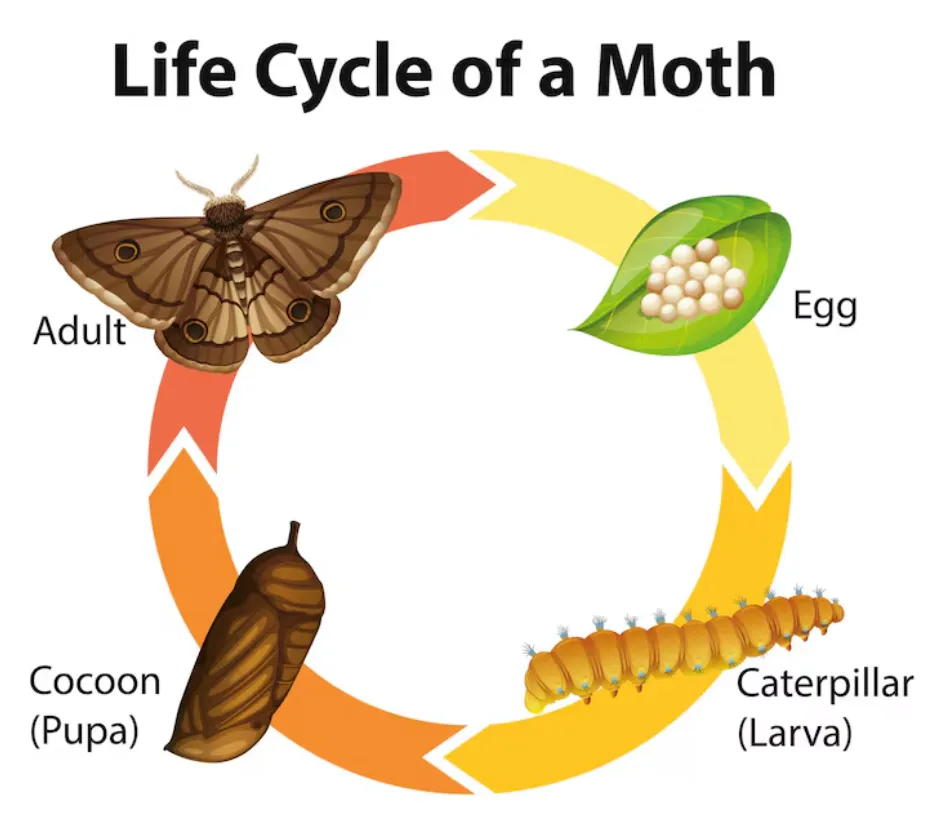
The food moth’s life cycle has four main stages: egg, larva, pupa, and adult moth. The larval stage causes the real damage. Adult moths are mainly the reproductive stage, while the larvae eat, crawl, create silk webbing, and contaminate stored food with frass, cast skins, and webbing. Oklahoma State University notes that females may lay eggs directly on food materials, and larvae create silk-and-frass tunnels as they feed.
Food moths are not usually dangerous to humans, but they make food unsuitable for use. Their presence often means the pantry needs careful inspection, cleaning, and better storage. Because their life cycle can be fast in warm conditions, early action is important.
Q: What are food moths?
A: Food moths are pantry moths that infest dry stored foods. The most common household pest is the Indian meal moth.
Q: What stage of food moths damages food?
A: The larval stage causes the damage. Larvae feed on dry food and leave webbing, waste, and contamination.
Q: How long is the food moth’s life cycle?
A: It varies by temperature and food supply. Some sources report the life cycle may be as short as about 27 days, while cooler conditions can extend development for months.
Quick Life Cycle Table
| Stage | What Happens | Common Time Range |
| Egg | Females lay tiny eggs on or near dry food | 2–14 days to hatch |
| Larva | Feeding stage: creates silk webbing and food contamination | About 2–5 weeks, sometimes longer |
| Pupa | Larvae form a cocoon in cracks, seams, walls, or packaging | Around 1–2 weeks |
| Adult | Moths mate and lay eggs; adults are usually short-lived | Often, several days to a few weeks |
| Full cycle | Egg to adult completion | About 27 days to 6+ months, depending on conditions |
The timing is not fixed because temperature, humidity, food quality, crowding, and storage conditions strongly affect development. Warm pantry conditions usually speed up the cycle, while cooler conditions slow it down.
The History of Their Scientific Naming, Evolution, and Origin
Scientific Naming of Food Moths
The most common food moth is the Indian meal moth, Plodia interpunctella. It belongs to the family Pyralidae, a group that includes many small moths associated with stored grains and plant-based materials. The name “Indianmeal moth” comes from its historical association with Indian meal, an older term for cornmeal or maize meal, not because the moth is native to India. Entomological sources commonly describe it as a stored-product pest linked to grain, flour, and pantry foods.
Evolution and Adaptation
Food moths evolved as small insects capable of feeding on dry plant materials. Their larvae are adapted to survive in concentrated food sources such as seeds, grains, nuts, and dried fruits. Over time, human food storage created ideal artificial habitats for them. A pantry, grain bin, or pet-food bag provides warmth, darkness, protection, and abundant nutrition.
Origin and Global Spread
The Indianmeal moth is now widely distributed because stored foods move through farms, warehouses, grocery stores, transport systems, and homes. It can travel inside contaminated packaging as eggs, larvae, or pupae. This ability to hide inside dry food products has helped food moths become a common pest in many parts of the world.
Their Reproductive Process, Giving Birth, And Rising Their Children
Egg Laying Instead of Giving Birth
Food moths do not give birth to live young. Female moths reproduce by laying tiny eggs on or near suitable dry food. These eggs are often difficult to see because they are very small and may be hidden in grain dust, package folds, cracks, or food particles.
A female Indianmeal moth can lay dozens to hundreds of eggs, depending on conditions. Virginia Tech notes that adult females may lay 40–350 eggs on or near food sources, while Oklahoma State University reports that females may lay 200–400 eggs over several days.
Why Females Choose Food Sources
Female food moths choose egg-laying sites where larvae can begin feeding immediately after hatching. This is why eggs are commonly found in flour, cereal, rice, nuts, grains, bird seed, dry dog food, and other stored products.
The adult moth does not need to “raise” the larvae. Instead, the female’s reproductive strategy is to lay eggs near food. Once the eggs hatch, the larvae feed independently.
No Parental Care
Food moths do not protect, feed, or train their young. Their survival depends on location, temperature, and food availability. The larvae hatch, crawl into food, feed heavily, and spin silk webbing around the feeding area.
This lack of parental care is common among many moth species. The larvae are self-sufficient from the beginning, which makes pantry infestations spread quickly when food is stored in weak packaging.
Stages of the Food Moths’ Life Cycle
Stage 1: Egg Stage
The egg stage begins when a female food moth lays eggs on or near food. Eggs are usually placed where the newly hatched larvae will have immediate access to nutrients. Since eggs are tiny, people rarely notice them at first.
In warm pantry conditions, eggs may hatch within a few days. Extension sources commonly report an egg hatch period of about 2–14 days, depending on temperature and food conditions.
Stage 2: Larval Stage
The larval stage is the most important in the life cycle of the food moth because this is when the real damage happens. Larvae look like small, pale caterpillars with darker heads. They feed on dry food and create silk webbing.
This webbing may make food appear clumped, dusty, sticky, or matted. Larvae also leave waste material, known as frass, and shed skins. Oklahoma State University clearly states that the caterpillars cause all the damage in stored food products.
Stage 3: Pupal Stage
After feeding, mature larvae often leave the food source and crawl to hidden places. They may pupate in package seams, cupboard corners, wall cracks, ceiling edges, shelf joints, or folded paper.
During the pupal stage, the larva transforms into a pupa inside a silken cocoon. This stage is easy to miss because pupae are often away from the original food source.
Stage 4: Adult Stage
The adult food moth is the flying stage that people usually notice first. Adults are small and often appear near pantry shelves, kitchen lights, ceilings, or cupboard doors. The Indianmeal moth has distinctive wings: one side is grayish or pale near the body, and the other is reddish-brown or copper-colored toward the outer edges. The adult stage primarily serves mating and egg-laying.
Their main diet, food sources, and collection process are explained
Food moth larvae feed mainly on dry, plant-based stored products. They do not usually attack fresh fruits, cooked meals, or wet foods. Their ideal foods are dry, nutrient-rich, and easy for tiny larvae to chew.
Common food sources include:
- Flour
- Rice
- Cereal
- Cornmeal
- Oats
- Pasta
- Nuts
- Dried fruits
- Seeds
- Spices
- Chocolate
- Powdered milk
- Bird food
- Dog food
- Cat food
- Fish food
The “collection process” is not like bees collecting nectar. Food moth larvae hatch near food and start feeding where they are. They move through the food, chew particles, create silk trails, and remain hidden in the material.
In homes, infestations often begin when contaminated food is brought from a store, warehouse, or storage facility. Eggs or larvae may already be inside the packaging. Once inside a pantry, larvae can spread to nearby products, especially if food is stored in paper, cardboard, or thin plastic.
This is why airtight storage is one of the best prevention methods. Sealed glass, metal, or thick plastic containers reduce the chance of larvae moving between foods.
Important Things That You Need To Know
Understanding food moths is important because they are more than just small flying insects in the kitchen. The real infestation usually begins before adults appear. By the time you see moths flying, larvae may already be feeding inside dry goods.
People often search for how to get rid of food moths after seeing adult moths near pantry shelves. However, killing adult moths alone does not solve the problem. The main source is usually hidden larvae inside contaminated food. Effective control means finding the infested product, discarding heavily contaminated items, vacuuming shelves, cleaning cracks, and storing safe food in airtight containers.
Bird food moths are also common because bird seed, cracked corn, and seed mixes provide excellent larval food. Bird food is often stored for long periods, giving moths enough time to complete their life cycles. Keeping bird seed in sealed containers and buying smaller quantities can reduce the risk.
Dog food moths can also appear when dry kibble or treats are stored in open bags. Pet food contains grains, oils, and protein sources that can attract pantry pests. Large bags should be checked regularly, especially in warm weather.
The most important point is this: food moths are controlled by breaking the life cycle. Remove eggs and larvae, clean pupation sites, reduce food access, and monitor adults with traps.
How Long Does A Food Moth Live
The lifespan of a food moth depends on which stage you are measuring. The full life cycle includes the egg, larva, pupa, and adult stages. The adult moth may live only a short time, but the total development from egg to adult can last weeks or months.
Important lifespan points include:
- Eggs hatch quickly in warm conditions.
- Food moth eggs may hatch within 2–14 days, depending on temperature, humidity, and food availability. Warm kitchens and pantries speed up development.
- Larvae live longer than adults.
- The larval stage is often the longest and most damaging stage. Larvae may feed for several weeks, and development may take longer when conditions are cooler or food quality is poor.
- Pupae are hidden and easy to miss.
- Mature larvae may leave the food and pupate in cupboard cracks, package folds, walls, ceilings, or shelf corners. This is why people sometimes clean the food shelf but still see moths later.
- Adults are short-lived.
- Adult moths mainly mate and lay eggs. They are the visible stage, but not the main feeding stage.
- The full life cycle varies widely.
- Wisconsin Horticulture reports that the Indianmeal moth life cycle may take as few as 27 days or as long as 6 months, depending on conditions.
- Warm storage encourages faster population growth.
- In warm rooms, food moths may produce multiple generations per year. This is why infestations can become serious in kitchens, warehouses, grain bins, and pet-food storage areas.
- Cold slows the cycle.
- Lower temperatures can delay development. However, slow development does not always mean the infestation is gone. Larvae may survive and continue later when conditions improve.
- Food supply matters.
- A rich food source, such as nuts, grains, cereal, or pet food, can support stronger larval growth. Poor or insufficient food can reduce survival.
In simple terms, an adult food moth may not live very long, but the infestation can last much longer because eggs, larvae, and pupae remain hidden.
Food Moths Life Cycle Lifespan in the Wild vs. in Captivity
Food Moths in the Wild
In outdoor or semi-natural conditions, food moths depend on available dry plant materials, seeds, grains, or stored agricultural products. Their development is strongly influenced by weather, temperature, predators, and seasonal food availability.
Wild conditions are less stable than indoor pantries. Rain, cold, predators, and lack of concentrated food can reduce survival. However, when they find stored grain, animal feed, or seed material, they can reproduce successfully.
Food Moths in Captivity or Indoor Storage
In “captivity,” meaning indoor storage, grain bins, pantries, laboratories, or warehouses, food moths often get better survival conditions. They may have steady warmth, less disturbance, and continuous access to food.
A pantry can act like a protected breeding chamber. Dry food bags, dark cupboards, and warm room temperature allow eggs to hatch, larvae to feed, and adults to reproduce.
Why Indoor Lifespan Can Be Longer
Indoor environments can extend infestation time because some larvae hide in cracks and pupate away from the food. Even after contaminated food is removed, hidden pupae may later emerge as adults.
This is why complete control requires patience. Cleaning once may not be enough if pupae remain hidden.
Importance of the Food Moths’ Life Cycle in this Ecosystem
Part of the Food Web
Although food moths are pests in homes, they still have ecological roles. In nature, moths and their larvae can become food for birds, spiders, parasitic wasps, beetles, reptiles, and other insect predators.
Their presence supports small predator populations, especially in natural and agricultural ecosystems.
Decomposition and Nutrient Recycling
Food moth larvae help break down dry plant-based materials such as seeds, grains, and organic debris. In natural systems, this contributes to decomposition and nutrient cycling.
In homes, however, the same feeding behavior becomes a problem because it contaminates stored food.
Indicator of Storage Problems
In human environments, food moths can act as a warning sign. Their presence often indicates that dry goods are stored too long, packaging is weak, shelves need cleaning, or food is not rotated.
Scientific and Pest-Management Value
The food moth’s life cycle is also useful for studying insect development, stored-product pest behavior, and integrated pest management. Understanding their stages helps researchers and homeowners choose better prevention methods.
The goal is not to protect pantry infestations, but to understand their natural role while keeping homes, food stores, and animal feed safe.
What to do to protect them in nature and save the system for the future
Protect Natural Moth Diversity
- Not all moths are pantry pests. Many moth species are important pollinators and food sources for wildlife.
- Avoid destroying every moth you see outdoors.
- Learn to identify the difference between food moths and beneficial outdoor moths.
Reduce Unnecessary Pesticide Use
- Use pesticides carefully and only when needed.
- In homes, sanitation and airtight storage are usually more important than spraying.
- Overuse of pesticides can harm beneficial insects, predators, and pollinators.
Keep Food Waste Under Control
- Store grains, seeds, and pet food properly.
- Dispose of spoiled food responsibly.
- Reducing food waste helps prevent pest outbreaks around homes and storage areas.
Support Natural Predators
- Birds, spiders, and beneficial insects help control small moth populations in nature.
- Maintaining gardens, trees, and natural habitats supports ecological balance.
Use Integrated Pest Management
- For pantry infestations, use inspection, cleaning, freezing, airtight containers, and monitoring traps.
- This protects food without unnecessary chemical exposure.
- Purdue Extension notes that pheromone traps may help monitor Indianmeal moths, but sanitation and removal of infested food are essential for elimination.
Fun & Interesting Facts About Food Moths’ Life Cycle
- Food moths are often noticed as adults, but the real damage happens earlier during the larval stage.
- The most common pantry pest, Indian meal moth, is not named because it comes from India. The name is linked to Indian meal, an old term for cornmeal.
- Larvae can create silk webbing that makes food look clumpy or matted.
- Adult Indianmeal moths have a recognizable two-toned wing pattern, often grayish near the body and reddish-copper near the tips.
- Food moth larvae may leave the original food source and crawl to ceilings, walls, or cupboard corners before pupating.
- A clean-looking pantry can still have hidden pupae in cracks or shelf joints.
- Bird food moths and dog food moths are usually the same pantry moth problem, just starting from animal feed.
- Food moths can infest unopened-looking packages if eggs or larvae were already inside before purchase.
- The adult moth is not the main feeding stage.
- Breaking the life cycle is more effective than only killing flying moths.
Frequently Asked Questions (FAQs)
Q: What are food moths commonly called?
A: Food moths are commonly called pantry moths. The most common species is the Indianmeal moth, or Plodia interpunctella.
Q: How do food moths get into my home?
A: They often enter through contaminated dry foods such as flour, cereal, rice, nuts, seeds, bird food, or pet food. Eggs or larvae may already be inside the packaging.
Q: How to get rid of food moths effectively?
A: Find and discard infested food, vacuum shelves, clean cracks and corners, store food in airtight containers, and use pheromone traps for monitoring. Traps alone will not remove the source.
Q: Are food moths harmful to humans?
A: They are not usually considered dangerous, but infested food should not be eaten because larvae, webbing, frass, and shed skins contaminate it.
Q: Why do I keep seeing moths after cleaning the pantry?
A: Hidden pupae may still be in cracks, package seams, walls, or shelf corners. Adults can emerge later, so repeated inspection and cleaning may be needed.
Conclusion
The food moth’s life cycle is simple but highly effective: egg, larva, pupa, and adult. The larval stage is the most damaging because it feeds on dry food, contaminating it with webbing and waste. Adult moths are usually the first visible warning, but the real source is often hidden in pantry goods, birdseed, or pet food.
To manage food moths, focus on breaking the life cycle. Remove infested products, thoroughly clean storage areas, seal food in airtight containers, and monitor for new adults. Understanding how food moths reproduce, feed, and develop helps protect your kitchen, stored grains, and animal feed. In nature, moths have ecological value, but inside food storage areas, prevention and sanitation are the best solutions.
Also Read: dogs life cycle