Admin
Admin
Spiders are one of the most diverse and widely distributed creatures on Earth. Despite the fear they invoke in many, spiders play a crucial role in the ecosystem. Their life cycle is filled with fascinating stages, from egg to adult, and each stage contributes to their ability to survive and thrive in various environments. This article delves deep into spiders’ life cycles, evolutionary history, main food sources, reproductive strategies, and more.
In addition to understanding the spider life cycle, we will address some of the most frequently asked questions to give you a comprehensive understanding of these incredible arachnids. Whether you are fascinated by their biology or looking to learn more about their role in nature, this article has you covered.
Quick Answers to Common Spider Life Cycle Questions:
- How long does a spider live?
- A spider’s lifespan depends largely on the species. While many spiders live for 1-2 years, some, like the tarantula, can live up to 20 years under the right conditions.
- How do spiders reproduce?
- Spiders typically reproduce sexually. Males often perform a courtship dance or offer food as a gift to attract females. After mating, the female lays eggs that hatch into spiderlings.
- What are the stages of a spider’s life cycle?
- The life cycle of a spider includes several stages: egg, spiderling, juvenile, and adult. Each stage is crucial to their development and survival in nature, with spiders undergoing multiple molts as they grow.
Quick Life Cycle Table
| Stage | Description |
| Egg | Female spiders lay eggs in sacs that protect the early stages of development. Some species lay hundreds of eggs at once. |
| Spiderling | After hatching, spiderlings are miniature versions of the adults. They may molt several times before growing into juveniles. |
| Juvenile | Juveniles look like adult spiders but are smaller and not yet fully mature. They will molt and grow until they reach adulthood. |
| Adult | Adult spiders are fully developed and capable of reproduction. They will live longer, depending on the species, and complete their life cycle. |
The History Of Their Scientific Naming
The scientific naming of spiders follows the binomial nomenclature system introduced by Carl Linnaeus in the 18th century. This system gives each organism a unique two-part name consisting of the genus and species. For example, Tegenaria agrestis is the scientific name for the barn spider.
Spiders are classified within the order Araneae. Over the years, many species have been discovered, with their names often reflecting their physical characteristics or habitats. For instance, the black widow spider, Latrodectus mactans, is named after the female’s notorious habit of sometimes eating her mate after mating.
Their Evolution and Their Origin
Spiders have a long evolutionary history, with the earliest arachnid ancestors appearing over 400 million years ago, during the Silurian period. Early arachnids were marine dwellers, but they eventually adapted to land-based environments. The evolution of silk-producing glands marked a major step in their development, allowing them to create webs for both hunting and protection.
Over time, spiders adapted to a wide variety of habitats, from forests to deserts. Their evolutionary success can be attributed to their diverse feeding strategies, which include web-building, ambush hunting, and active chasing. With over 48,000 known species, spiders are among the most successful groups of animals on the planet.
The evolution of venom and silk production enabled spiders to become efficient predators and survivors across a range of ecosystems. As they diversified, so did their role in maintaining ecological balance, controlling pest populations, and contributing to biodiversity.
Their Main Food and Its Collection Process
Spiders are primarily carnivores, feeding on insects and sometimes other small animals. They are highly effective predators, employing various strategies to capture and consume their prey.
1. Web-Building:
Many spiders, such as orb-weavers, spin intricate webs to catch flying insects. These webs are made from silk produced by the spider’s spinnerets. The sticky threads trap insects that fly into the web, and the spider quickly approaches to subdue the prey.
2. Ambush Hunting:
Some spiders, like the famous tarantula, prefer to ambush their prey. They hide in burrows or under rocks, waiting for an insect or small animal to pass by. Upon detecting movement, they pounce and immobilize the prey with their venom.
3. Active Hunting:
Active hunters like wolf spiders do not use webs. Instead, they hunt prey by chasing it down. These spiders have excellent vision and can track and catch insects or other small animals on the move.
Once a spider has caught its prey, it uses venom to liquefy the internal organs of the prey, which it then sucks out, leaving behind only the empty exoskeleton.
Their Life Cycle and Ability to Survive in Nature
Spider Life Cycle and Survival in Nature
Spiders are incredibly adaptable creatures that have developed a life cycle that helps ensure their survival in various environments. From the egg to adulthood, each stage of their life cycle is designed to optimize their survival chances.
- Egg Stage:
- The egg sac provides a protective environment for developing embryos. Some species lay hundreds of eggs at once, increasing the chances that at least some will survive to adulthood. Eggs can withstand harsh environmental conditions, such as cold weather or drought, allowing spiders to survive through unfavorable periods.
- Spiderling and Juvenile Stages:
- Once the eggs hatch, spiderlings emerge and resemble tiny versions of the adults. They may undergo several molts as they grow, shedding their exoskeletons to accommodate their increasing size. The juvenile stage allows them to develop the necessary skills and strength to hunt and fend for themselves.
- Adult Stage:
- Once spiders reach adulthood, they can reproduce. Their ability to find mates and lay eggs is crucial for the continuation of the species. Adults often possess specialized features, such as venom, silk-producing glands, and hunting techniques, that help them survive in the wild.
By going through this life cycle, spiders ensure that each generation is well-equipped to survive and thrive in the ever-changing environment.
Their Reproductive Process and Raising Their Children
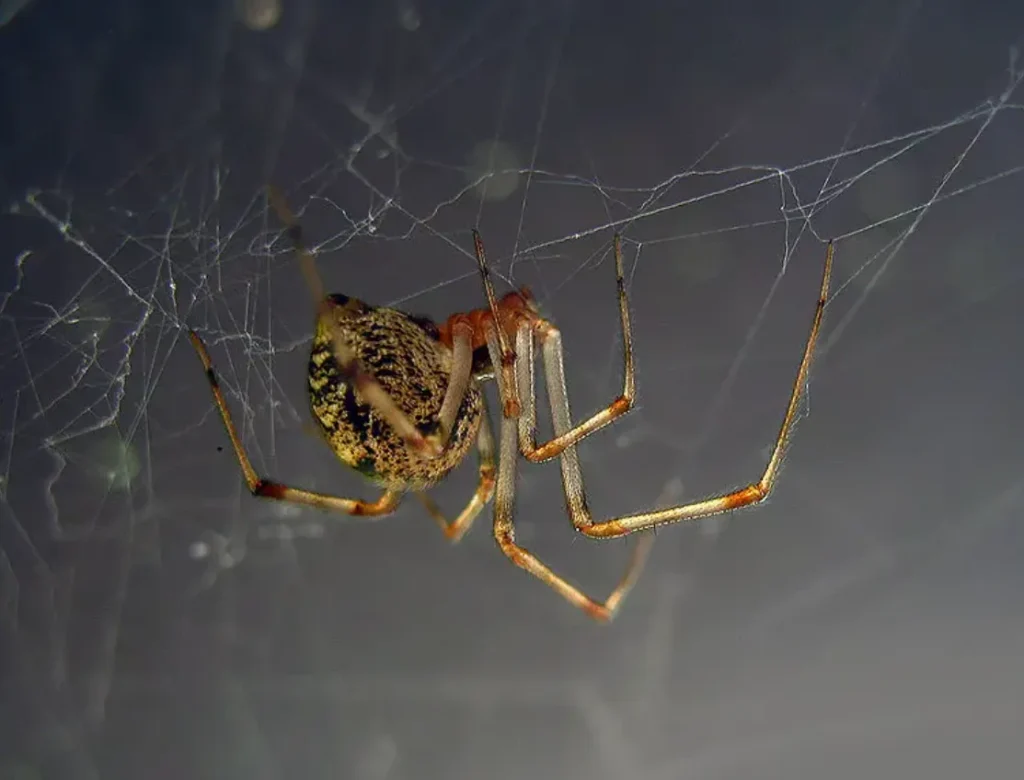
Spiders have an intricate reproductive process that ensures the survival of their species.
- Courtship and Mating:
- Males use elaborate courtship rituals to attract females. These may include vibrational signals, intricate dances, or the presentation of a gift, such as food. Once the female is impressed, mating takes place, with the male transferring sperm to the female.
- Egg Sac Creation:
- After mating, females lay eggs in sacs made of silk. These sacs can hold hundreds of eggs, providing a safe environment for the developing embryos. The number of eggs laid varies by species, with some spiders laying only a few eggs and others laying hundreds.
- Raising Spiderlings:
- Once the eggs hatch, the spiderlings are left to fend for themselves. Some species provide protection and care for the young, while others leave the spiderlings to develop on their own. The spiderlings must molt and grow before they can reproduce themselves.
Importance of Spiders in This Ecosystem
Why Spiders Are Crucial for Ecosystem Balance
Spiders play a critical role in ecosystems, providing several important ecological services:
- Pest Control:
- Spiders are natural predators of insects, including pests that can harm crops and spread diseases. By controlling insect populations, spiders help reduce the need for harmful pesticides and promote biodiversity.
- Food Source:
- Spiders serve as a food source for many animals, including birds, lizards, and small mammals. This places them in an important position in the food chain, supporting other species in the ecosystem.
- Soil Health:
- By feeding on insects that would otherwise accumulate in the soil, spiders help maintain soil health and contribute to decomposition.
Without spiders, insect populations would likely explode, leading to overpopulation and damage to crops, plants, and even other animals.
What to Do to Protect Spiders in Nature and Save the System for the Future
Protecting spiders is crucial for maintaining biodiversity and ecosystem health. Here are some ways to protect them:
- Preserve Natural Habitats: Avoid disturbing natural habitats such as forests, fields, and gardens. Create spaces where spiders can thrive.
- Reduce Pesticide Use: Pesticides not only harm target pests but also harm beneficial insects, such as spiders. By using fewer pesticides, we can help protect spiders and other important species.
- Create Spider-Friendly Gardens: Allow some areas of your garden to grow naturally, with plants and structures that encourage spider activity, such as tall grasses, bushes, and rocks.
- Educate Others: Raise awareness about the importance of spiders and encourage others to protect them in their gardens and natural spaces.
By implementing these simple measures, we can help protect spiders and their habitats, ensuring their survival for generations to come.
Frequently Asked Questions (FAQs)
- How long do spiders live?
- The lifespan of a spider depends on its species. Most spiders live between 1 and 2 years, but some species, like tarantulas, can live for several decades.
- What is the purpose of a spider’s web?
- Spiders use webs primarily for hunting and protection. Webs trap prey that the spider feeds on and also provide a safe place to rest.
- How do spiders reproduce?
- Spiders reproduce sexually, with males courting females through rituals or gifts. After mating, females lay eggs that hatch into spiderlings.
- Can spiders survive in extreme conditions?
- Yes, some spiders can survive in extreme conditions, such as deserts and forests, and even freezing temperatures, by entering a dormant state.
- Why do some spiders have a venomous bite?
- Spiders have evolved venom as a hunting tool to immobilize and digest prey. Some species also use venom for self-defense.
- How many eggs do spiders lay at once?
- Depending on the species, a female spider may lay anywhere from a few to several hundred eggs in a single sac.
- Do spiders eat plants?
- No, spiders are strictly carnivores and feed on other insects and small animals.
- Are spiders beneficial for homes?
- Yes, spiders help control insect populations in homes by eating pests like flies, mosquitoes, and roaches.
Conclusion
Spiders are remarkable creatures with a fascinating life cycle that plays a crucial role in maintaining ecological balance. From their reproductive strategies to their role in pest control, spiders are essential to the health of our ecosystems.
Understanding their life cycle, behavior, and importance helps us appreciate their value and encourages us to protect these incredible creatures. By taking simple steps to safeguard their habitats, we can ensure that spiders continue to thrive for generations to come.
Also Read: shark life cycle