Admin
Admin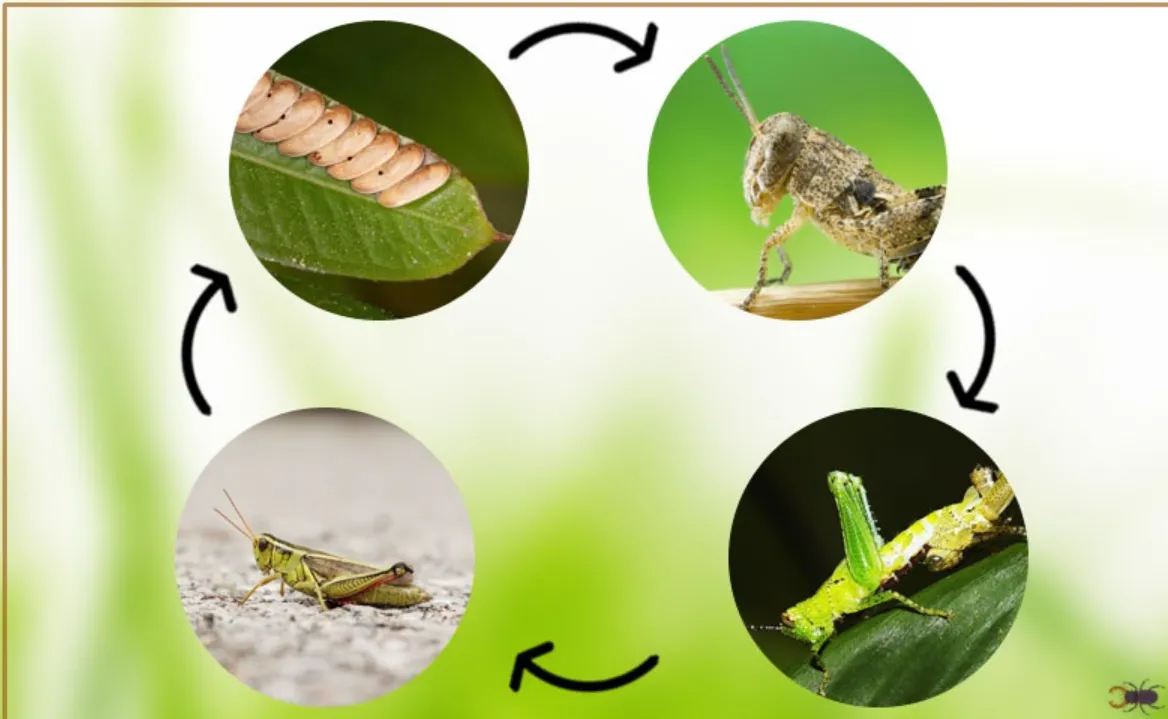
The Grasshopper insect’s life cycle is one of the most fascinating processes in the natural world. Grasshoppers, belonging to the order Orthoptera, are widely known for their powerful hind legs, ability to jump long distances, and their significant role in ecosystems. These insects are found across the globe, from tropical forests to dry grasslands, making them highly adaptable creatures.
Understanding the life cycle of grasshoppers is essential not only for students and researchers but also for farmers and environmentalists. Their population can influence agriculture, biodiversity, and ecological balance. In 2026, with increasing climate change and habitat shifts, studying their life stages has become even more important.
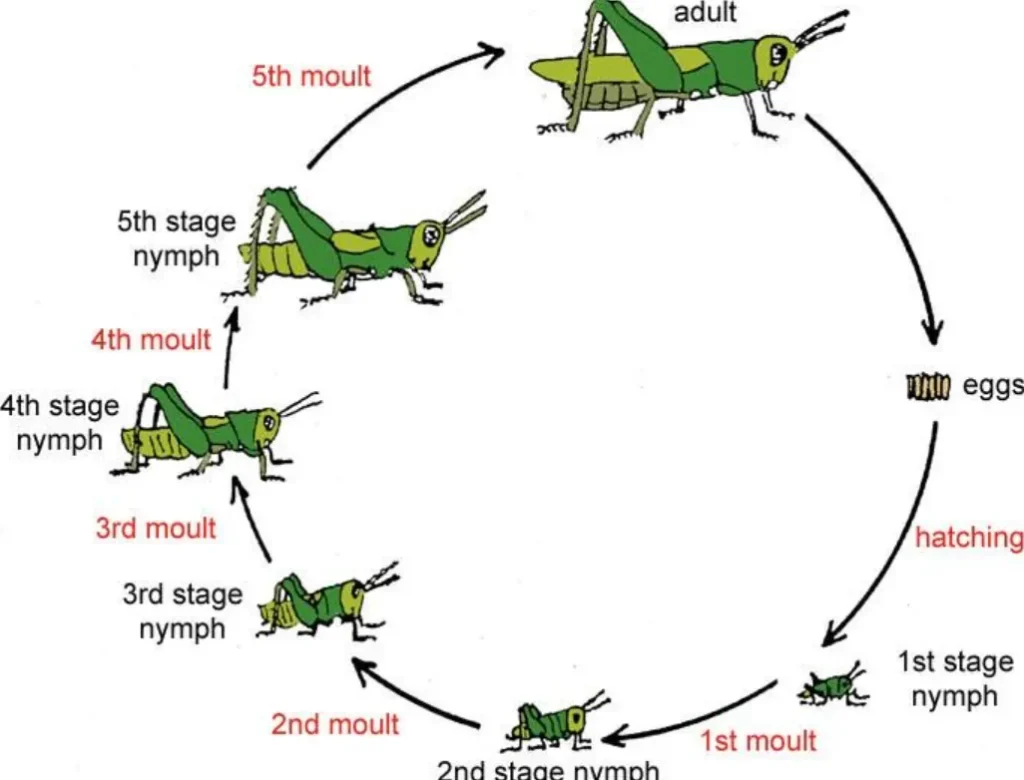
Grasshoppers undergo a process called incomplete metamorphosis, which differs from that of insects like butterflies. Instead of having a pupal stage, they grow gradually through a series of molts. Each stage contributes to their survival and adaptation in nature.
Additionally, grasshoppers are often confused with crickets due to their similar appearance. However, they differ in behavior, habitat, and sound production. Their unique features, including antenna length and feeding habits, make them distinct.
In this article, we will explore their origin, scientific history, life cycle, reproduction, and ecological importance. We will also discuss how humans can help protect these insects and maintain balance in nature.
Their Evolution And Their Origin
Grasshoppers have a long evolutionary history dating back over 250 million years, making them among the oldest surviving insect groups on Earth. Their ancestors appeared during the late Paleozoic era, even before the age of dinosaurs.
Early grasshopper-like insects were primitive and lacked the advanced jumping legs seen in modern grasshoppers. Over time, natural selection favored individuals with stronger hind legs, allowing them to escape predators and move efficiently across landscapes.
Evolutionary Adaptations
Grasshoppers evolved several key features that helped them survive:
- Powerful Hind Legs
- These legs allow them to leap up to 20 times their body length, helping them escape predators quickly.
- Camouflage Ability
- Many species evolved colors that blend with their surroundings, such as green, brown, or even sandy tones.
- Efficient Digestive System
- Grasshoppers developed the ability to digest tough plant materials, giving them access to abundant food sources.
- Sound Production (Stridulation)
- They produce sounds by rubbing their wings or legs, which plays a role in communication and mating.
Geographical Origin
Grasshoppers likely originated in ancient grassland ecosystems. As continents shifted and climates changed, they spread across different regions. Today, they are found on every continent except Antarctica.
Evolution in Modern Times (2026 Perspective)
Recent studies show that grasshopper populations are adapting to climate change by:
- Shifting their breeding seasons
- Expanding into new habitats
- Developing resistance to environmental stress
These changes highlight their resilience but also raise concerns about ecological imbalance, especially in agricultural areas.
Grasshoppers have successfully survived multiple mass extinctions, proving their adaptability and evolutionary strength.
The History of Their Scientific Naming
The scientific classification of grasshoppers has evolved over centuries as scientists improved their understanding of insect taxonomy.
Key Points in Scientific Naming
- Order Classification: Orthoptera
- Grasshoppers belong to the order Orthoptera, which includes crickets and katydids.
- Suborder: Caelifera
- True grasshoppers are classified in the order Caelifera, distinguishing them from long-horned insects such as crickets.
- Early Classification by Linnaeus (18th Century)
- Carl Linnaeus, the father of modern taxonomy, first classified grasshoppers based on physical traits.
- Modern Taxonomy (2026 Updates)
- Scientists now use genetic analysis (DNA sequencing) to refine classifications and identify new species.
- Common vs Scientific Names
- While people commonly refer to them as grasshoppers, their scientific names vary depending on species, such as Melanoplus differentialis.
- Confusion with Crickets
- The phrase “insect grasshopper insect grasshopper cricket” often arises due to similarities, but scientific classification clearly separates them.
Scientific naming has helped researchers better understand species diversity, behavior, and ecological roles.
Their life cycle and ability to survive in nature
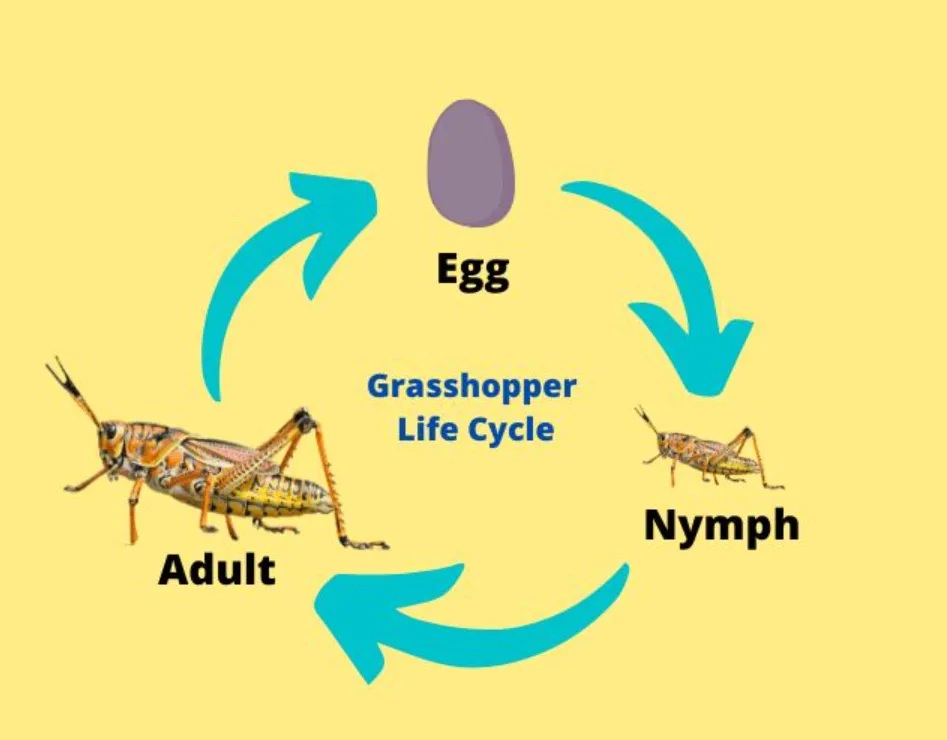
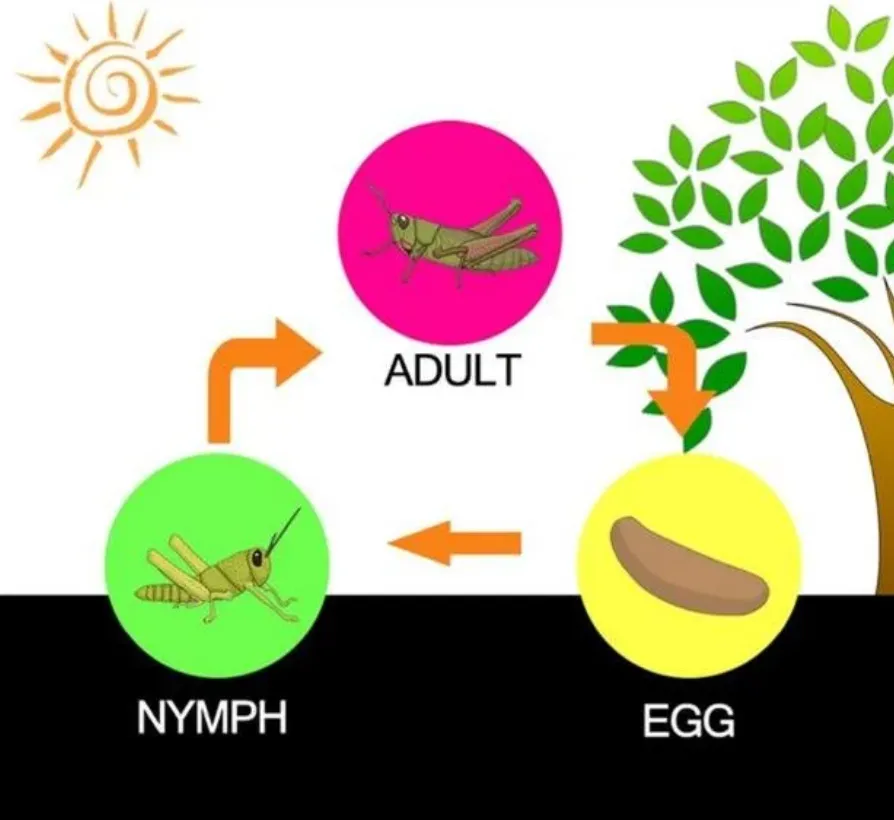
The grasshopper insect’s life cycle consists of three main stages due to incomplete metamorphosis.
Life Cycle Stages
- Egg Stage
- Female grasshoppers lay eggs in soil pods. Each pod contains 20–100 eggs, protected by a frothy substance that hardens.
- Nymph Stage
- After hatching, young grasshoppers (nymphs) resemble adults but lack wings. They molt several times as they grow.
- Adult Stage
- Fully developed grasshoppers have wings and reproductive capabilities.
Survival Abilities
- Adaptability to Environment
- Grasshoppers thrive in various climates, from deserts to grasslands.
- Feeding Efficiency
- They consume a wide range of plants, allowing them to survive food shortages.
- Defense Mechanisms
- Camouflage and jumping ability help them avoid predators.
- Rapid Growth Cycle
- Their quick life cycle allows populations to recover quickly.
Despite their resilience, extreme climate changes and habitat destruction are affecting their survival patterns in 2026.
Their Reproductive Process and raising their children
Grasshoppers have a unique reproductive system that ensures the continuation of their species.
Reproductive Process
- Mating Behavior
- Male grasshoppers attract females through sound vibrations and visual signals.
- Fertilization
- Males transfer sperm to females during mating.
- Egg Laying
- Females deposit eggs in soil using an ovipositor.
Raising Their Young
- No Parental Care
- Grasshoppers do not care for their offspring after laying eggs.
- Independent Nymphs
- Nymphs begin feeding immediately after hatching.
- Survival Through Numbers
- Large numbers of eggs increase survival chances.
- Natural Selection
- Only the strongest individuals survive to adulthood.
This reproductive strategy ensures population stability even in challenging environments.
The importance of them in the ecosystem
Grasshoppers play a vital role in maintaining ecological balance.
Key Ecological Roles
- Food Source for Predators
- Birds, reptiles, and mammals rely on grasshoppers as a primary food source.
- Plant Population Control
- They help regulate plant growth by feeding on vegetation.
- Nutrient Recycling
- Their waste contributes to soil fertility.
- Indicator Species
- Changes in grasshopper populations indicate environmental health.
- Biodiversity Support
- They contribute to food chains and ecosystem stability.
While beneficial, overpopulation can lead to crop damage, making them both helpful and challenging.
Important Things That You Need To Know
When exploring grasshoppers online, you’ll often come across terms like grasshopper insect image, grasshopper insect close up, grasshopper insect photo, grasshopper grasshopper insect, and insect grasshopper insect grasshopper cricket. These LSI keywords are essential for understanding how people search for information about grasshoppers.
In 2026, visual content has become a major part of learning. High-quality images and close-up photography help researchers and students accurately identify species. For example, a grasshopper in close-up reveals details such as its compound eyes, antennae, and wing structure.
Similarly, a photo of a grasshopper can show habitat, behavior, and feeding patterns. These visuals are widely used in scientific studies, educational materials, and biodiversity databases.
The term grasshopper grasshopper ” is often used in SEO to emphasize relevance, while insect highlights comparisons between similar species.
Understanding these keywords helps improve online research and ensures accurate identification. Whether you are a student, farmer, or nature enthusiast, using the right search terms can enhance your knowledge about grasshoppers.
What to do to protect them in nature and save the system for the future
Protecting grasshoppers is essential for maintaining ecological balance.
Steps to Protect Grasshoppers
- Preserve Natural Habitats
- Protect grasslands and avoid excessive land development.
- Reduce Pesticide Use
- Use eco-friendly alternatives to prevent harming insect populations.
- Promote Biodiversity
- Encourage planting diverse vegetation to support insect life.
- Support Research and Conservation
- Fund studies that monitor insect populations.
- Educate Communities
- Raise awareness about the importance of grasshoppers.
- Climate Action
- Reduce carbon footprint to protect ecosystems.
- Encourage Sustainable Farming
- Adopt practices that balance agriculture and biodiversity.
These actions can help ensure a sustainable future for grasshoppers and the ecosystems they support.
Frequently Asked Questions (FAQs)
1. What is the life cycle of a grasshopper?
It includes three stages: egg, nymph, and adult.
2. How long does a grasshopper live?
Typically 2–12 months, depending on species and environment.
3. Do grasshoppers undergo complete metamorphosis?
No, they undergo incomplete metamorphosis.
4. What do grasshoppers eat?
They primarily eat grasses and other plants.
5. Are grasshoppers harmful to crops?
Yes, in large numbers, they can significantly damage crops.
6. How do grasshoppers reproduce?
Through mating, after which females lay eggs in the soil.
7. What is the difference between grasshoppers and crickets?
Grasshoppers have shorter antennae and are active during the day, while crickets are nocturnal.
8. Why are grasshoppers important?
They support food chains, control plant growth, and maintain ecological balance.
Conclusion
The grasshopper insect’s life cycle is a remarkable example of nature’s efficiency and adaptability. From tiny eggs hidden beneath the soil to fully developed adults capable of powerful jumps, each stage plays a crucial role in their survival. Their incomplete metamorphosis allows for gradual growth, making them resilient in changing environments.
Grasshoppers are not just simple insects; they are essential components of ecosystems worldwide. They contribute to nutrient cycling, serve as food for various predators, and help regulate plant populations. However, their populations must remain balanced, as overgrowth can lead to agricultural damage.
In 2026, environmental challenges such as climate change, habitat destruction, and pesticide use are impacting grasshopper populations. This makes it more important than ever to understand their life cycle and ecological role.
By adopting sustainable practices, protecting habitats, and spreading awareness, we can ensure that grasshoppers continue to thrive. Their survival is closely linked to the health of our ecosystems, making them vital indicators of environmental stability.
Also Read About: Butterfly Life Cycle for Kids