Admin
Admin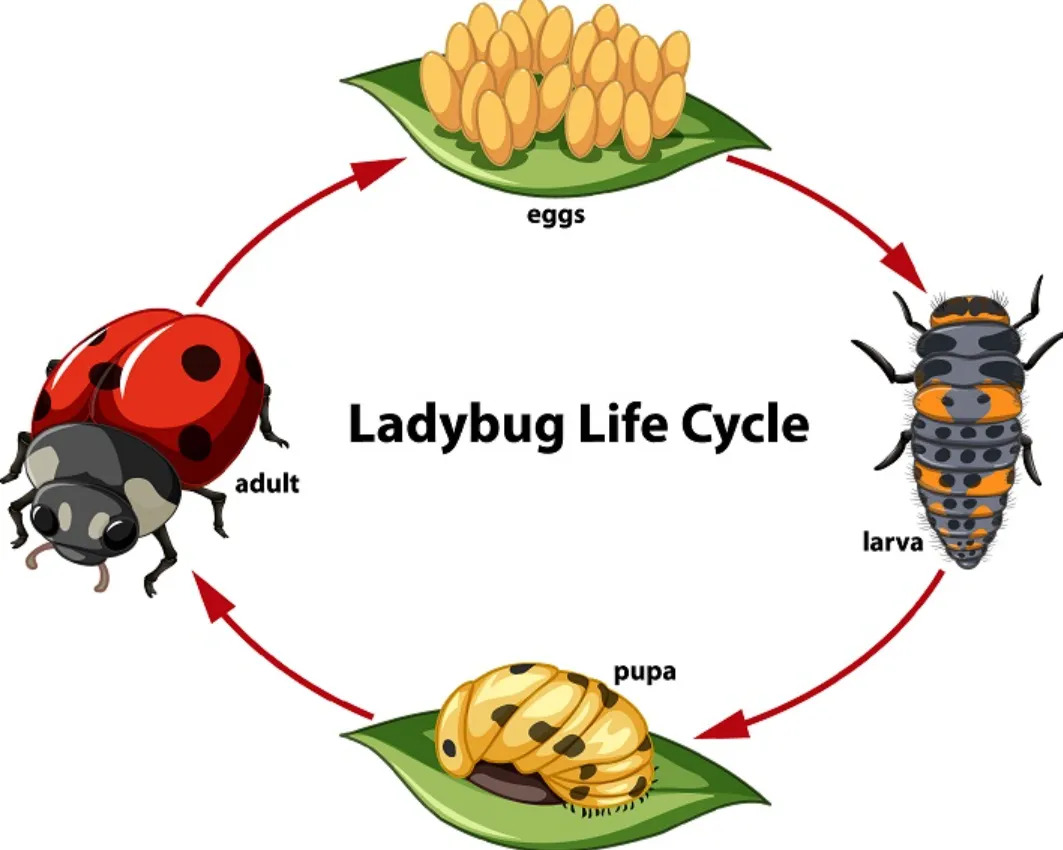
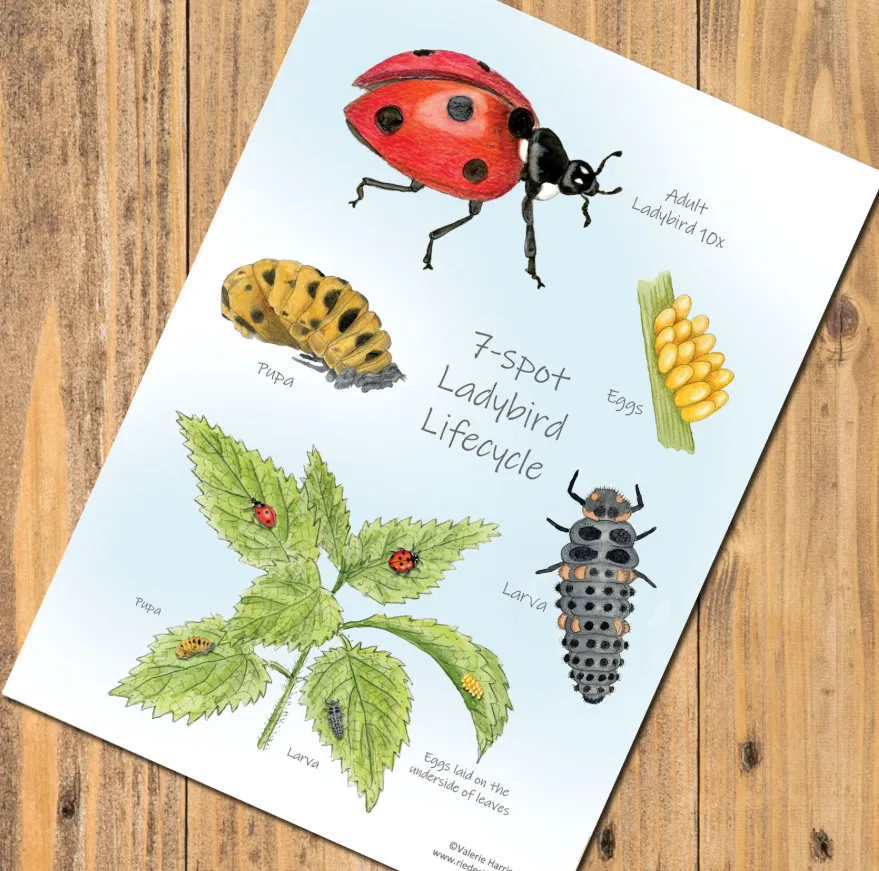
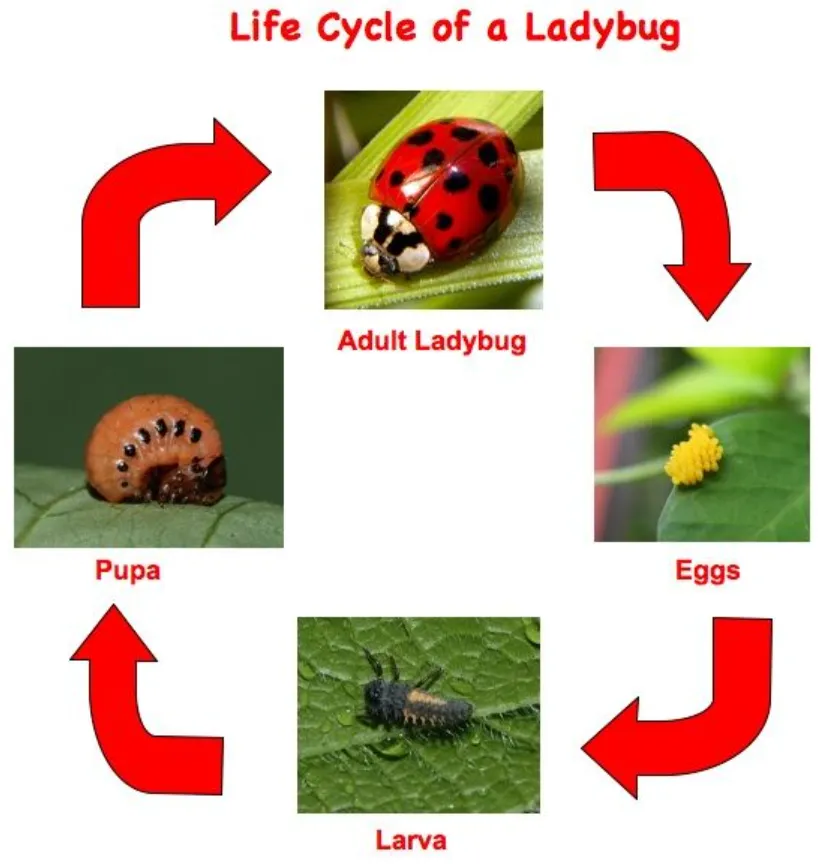
The life cycle of the ladybird is one of nature’s most fascinating transformations. Also known as ladybugs or ladybird beetles, these small, colorful insects undergo complete metamorphosis, with four distinct stages: egg, larva, pupa, and adult. Found in gardens, forests, and agricultural fields, ladybirds play a crucial role in controlling pests and maintaining ecological balance.
Ladybirds are not only admired for their bright red or yellow shells with black spots but also valued for their incredible ability to protect crops by feeding on harmful insects like aphids. Their life cycle is relatively short yet highly productive, allowing them to multiply quickly in favorable conditions.
🔍 Quick Answers (Most Common Questions)
1. What are the stages of the ladybird life cycle?
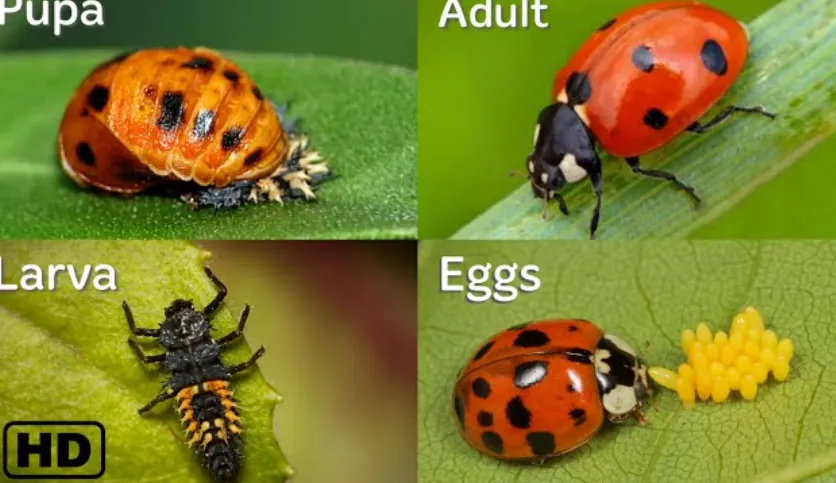
The life cycle includes four stages: egg → larva → pupa → adult.
2. How long does a ladybird live?
Most ladybirds live between 1 and 2 years, depending on environmental conditions.
3. Why are ladybirds important?
They are natural pest controllers, feeding on aphids and protecting plants without the use of chemicals.
Quick Life Cycle Table
| Stage | Duration | Description |
| Egg | 3–7 days | Tiny yellow/orange eggs are laid on leaves |
| Larva | 2–4 weeks | Active feeders that consume aphids rapidly |
| Pupa | 7–10 days | The transformation stage, where the body reorganizes |
| Adult | Up to 2 years | Reproductive and mobile stage |
The History Of Their Scientific Naming
The scientific naming of ladybirds has an interesting background rooted in both religion and taxonomy:
- The term “ladybird” originated in Europe and is linked to the Virgin Mary, often called “Our Lady.” Farmers believed she sent these insects to protect crops.
- Scientifically, ladybirds belong to the family Coccinellidae, derived from the Latin word coccineus, meaning “scarlet.”
- The classification system was formalized by Carl Linnaeus, the father of modern taxonomy, in the 18th century.
- Different species have unique scientific names, such as Coccinella septempunctata (seven-spotted ladybird).
- Over 5,000 species of ladybirds have been identified worldwide, each categorized by size, color, and habitat.
This scientific naming helps researchers better understand biodiversity and its ecological roles.
Their Evolution And Their Origin
Ladybirds have a long evolutionary history that dates back millions of years. Fossil evidence suggests that they originated during the Cretaceous period, around 145 million years ago, when flowering plants began to spread widely across the Earth.
Initially, ladybirds were not the bright-colored insects we see today. Their ancestors were likely dull-colored beetles that evolved to develop vibrant warning colors—these bright patterns, known as aposematic coloration, signal to predators that they are toxic or unpalatable.
As ecosystems evolved, ladybirds adapted to feed primarily on soft-bodied insects like aphids. This specialization gave them a significant survival advantage. Their ability to reproduce quickly and adapt to different climates allowed them to spread across continents.
Today, ladybirds are found worldwide, from tropical forests to temperate gardens. Their evolutionary success is largely due to:
- Their diverse diet
- Strong reproductive capabilities
- Natural defense mechanisms, like releasing a foul-smelling fluid
Their origin and evolution highlight their importance as one of nature’s most efficient biological control agents.
Their Main Food and Its Collection Process
Ladybirds are primarily carnivorous and play a vital role in pest control.
🍽️ Main Food Sources
- Aphids (primary food source)
- Mites
- Whiteflies
- Scale insects
- Small caterpillars
🐞 Food Collection Process
- Ladybirds use their strong jaws (mandibles) to capture and consume prey.
- They rely on their keen sense of smell to locate aphid colonies.
- Both larvae and adult ladybirds are active hunters.
- A single ladybird can eat up to 50 aphids per day.
🌿 Feeding Behavior
- Larvae are more aggressive feeders than adults.
- Adults may also consume pollen and nectar when prey is scarce.
- They often lay eggs near food sources to ensure their larvae survive.
This efficient feeding system makes ladybirds natural pest controllers, reducing the need for chemical pesticides.
Their Life Cycle and Ability to Survive in Nature
🥚 Egg Stage
Female ladybirds lay clusters of eggs on the underside of leaves. These eggs hatch within a week.
🐛 Larval Stage
Larvae resemble tiny alligators and are extremely active feeders. This stage is crucial for growth.
🐚 Pupal Stage
The larva attaches itself to a surface and transforms into a pupa. During this stage, major changes in the body occur.
🐞 Adult Stage
The adult emerges with soft wings that harden over time. It begins feeding and reproducing.
🌍 Survival Abilities
- Bright colors warn predators
- Ability to release toxic fluid
- Adaptability to different climates
- Hibernation during winter
These traits ensure their survival in diverse environments.
Their Reproductive Process and Raising Their Children
Ladybirds have a highly efficient reproductive system.
🔁 Reproductive Process
- Mating occurs during warmer months.
- Females can lay hundreds of eggs in their lifetime.
- Eggs are laid near food sources to improve survival.
👶 Raising Their Young
- No parental care after egg-laying.
- Larvae are independent and begin feeding immediately.
- High reproduction rate compensates for natural losses.
🛡️ Survival Strategy
- Some eggs are infertile and serve as food for larvae.
- This ensures that at least some offspring survive in harsh conditions.
This strategy allows ladybirds to maintain stable populations in nature.
Importance of Them in this Ecosystem
🌱 Natural Pest Control
Ladybirds reduce harmful insect populations naturally.
🌍 Biodiversity Support
They contribute to maintaining ecological balance.
🌾 Agricultural Benefits
Farmers rely on them to protect crops without chemicals.
🧬 Indicator Species
Their presence indicates a healthy ecosystem.
Ladybirds are essential for sustainable agriculture and environmental health.
Important Things That You Need To Know
Understanding related concepts and keywords helps broaden your knowledge about ladybirds and their relevance.
🐞 ladybird beetle
The term ladybird beetle refers to the insect family Coccinellidae. These beetles are beneficial insects widely used in agriculture for pest control. Their bright coloration helps deter predators.
📜 What is a ladybird deed
A ladybird deed is a legal document used in estate planning that allows property owners to transfer ownership while retaining control during their lifetimes. Though unrelated to insects, the name is widely searched online.
🌮 ladybird taco
The phrase ladybird taco is not biologically related but may refer to themed food items or restaurant names inspired by ladybirds. It highlights how the term appears in pop culture.
🏙️ ladybird atlanta
Ladybird Atlanta is a popular outdoor bar and restaurant in the United States. It showcases how the term “ladybird” is used in branding and lifestyle contexts.
🧾 ladybird deed
Another variation of legal terminology, the ladybird deed, is often used interchangeably with enhanced life estate deeds.
What to do to protect them in nature and save the system for the future
- Avoid using chemical pesticides in gardens
- Plant native flowers to attract ladybirds
- Provide shelter, like logs or leaf piles
- Maintain biodiversity in your garden
- Encourage organic farming practices
- Protect natural habitats from destruction
- Educate others about their importance
- Support conservation programs
These steps help ensure the survival of ladybirds and the ecosystems they support.
Frequently Asked Questions (FAQs)
1. How many eggs does a ladybird lay?
A female can lay up to 300–1000 eggs in her lifetime.
2. What do ladybird larvae look like?
They resemble small, spiky, alligator-like creatures.
3. Do ladybirds bite humans?
Rarely, and their bites are harmless.
4. How long does each stage last?
Egg: 3–7 days, Larva: 2–4 weeks, Pupa: 7–10 days.
5. Can ladybirds survive winter?
Yes, they hibernate in sheltered areas.
6. What attracts ladybirds to gardens?
Plants with aphids and flowering plants.
7. Are all ladybirds red?
No, they come in yellow, orange, and black variations.
8. Why do ladybirds have spots?
Spots help identify species and warn predators.
Conclusion
The ladybird’s life cycle is a remarkable example of nature’s efficiency and adaptability. From tiny eggs to powerful pest controllers, ladybirds undergo a complete transformation that enables them to thrive in diverse environments. Their role in controlling harmful insects makes them invaluable to agriculture and natural ecosystems.
Understanding their life cycles, feeding habits, and ecological importance helps us appreciate their role in maintaining environmental balance. By taking simple steps to protect them, we can ensure that future generations continue to benefit from these small yet mighty insects.
Also Read: life cycle of a lady bird