Admin
Admin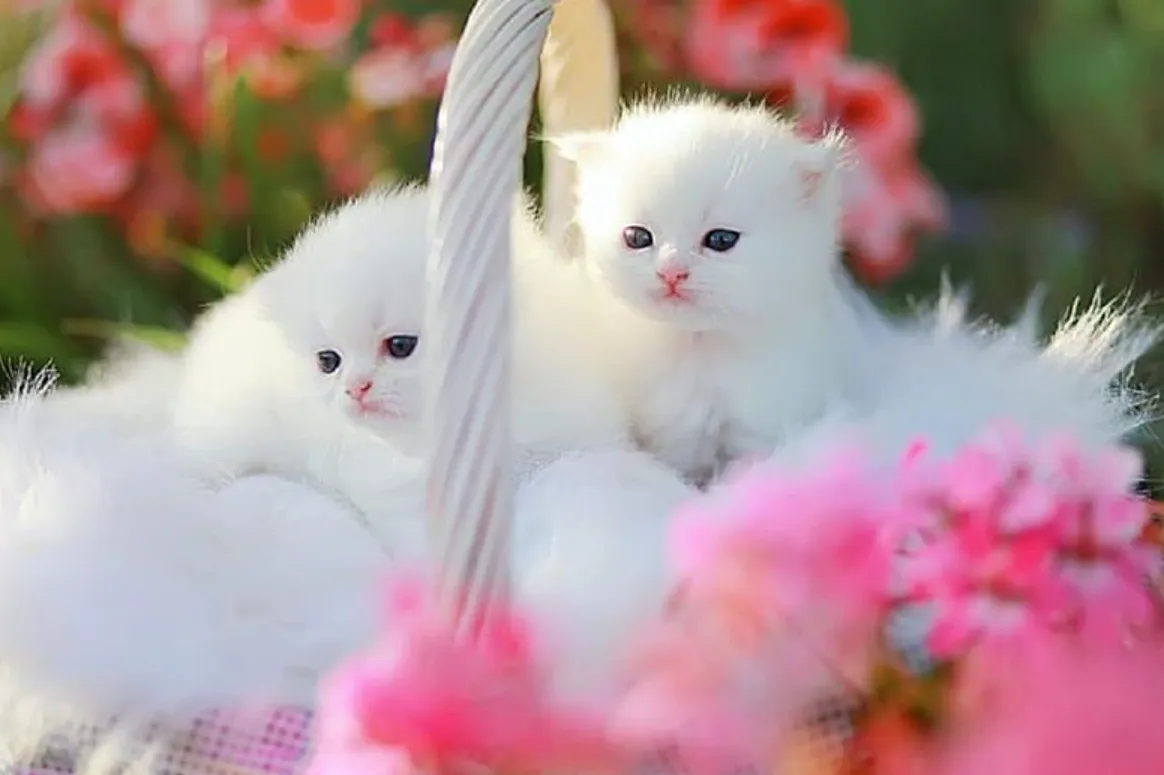
The life cycle of a cat is the complete journey of a cat from birth to old age. It begins when a tiny kitten is born blind and deaf, fully dependent on its mother. Over time, the kitten grows into a playful juvenile, becomes a strong adult, and later enters the senior stage where its body and behavior slowly change.
A domestic cat, scientifically known as Felis catus, is one of the most familiar animals in the world. Cats are small carnivorous mammals with sharp claws, flexible bodies, strong night vision, and excellent hunting instincts. Although many cats now live as pets, they still carry many natural behaviors from their wild ancestors.
Understanding the life cycle of a cat helps owners, students, animal lovers, and researchers learn how cats grow, reproduce, eat, survive, and contribute to the environment. Each stage of a cat’s life has different needs. A kitten needs warmth, milk, and protection. A young cat needs training, play, and nutrition. An adult cat needs a balanced diet, a safe space, and regular health care. A senior cat needs comfort, monitoring, and gentle care.
Cats are also important in human society. They provide companionship, help control rodents, and have lived near humans for thousands of years. However, free-ranging cats can also affect birds, small mammals, reptiles, and other wildlife. For this reason, responsible care is important for both cats and nature.
Quick Answers: Most Common Questions
Q: What are the main stages in the life cycle of a cat?
A: The main stages are kitten, young adult, mature adult, and senior cat.
Q: How long does a cat usually live?
A: Many domestic cats live around 12 to 18 years, but some well-cared-for indoor cats can live into their early 20s.
Q: How long is a cat pregnant?
A: A cat’s pregnancy usually lasts about 63 to 66 days, or roughly two months.
Quick Life Cycle Table
| Life Stage | Approximate Age | Main Features | Care Needs |
| Kitten | Birth to 1 year | Rapid growth, learning, playful behavior | Mother’s milk, warmth, vaccination, safe space |
| Young Adult | 1 to 6 years | Strong body, high energy, hunting instinct | Balanced diet, exercise, neutering, and training |
| Mature Adult | 7 to 10 years | Stable behavior, slower activity | Weight control, dental care, regular vet checks |
| Senior Cat | Over 10 years | Aging signs, lower energy, and possible health issues | Soft food, comfort, health monitoring, gentle care |
The History of Their Scientific Naming, Evolution, and Origin
Scientific Naming of the Cat
The domestic cat is commonly known by the scientific name Felis catus. The name was first formally linked with the domestic cat by Carl Linnaeus in the 18th century. In taxonomy, cats belong to the family Felidae, which includes lions, tigers, leopards, lynxes, and wildcats.
The word Felis refers to the small-cat group, while catus is used for the domestic cat. Some older scientific discussions also used names such as Felis silvestris catus, connecting the domestic cat with the wildcat family.
Evolution from Wild Ancestors
The modern domestic cat is believed to have developed mainly from the African wildcat or Near Eastern wildcat. These wildcats were small, alert, and skilled hunters. They lived in dry grasslands, deserts, and farming areas where rodents were common.
Early cats likely came close to human settlements because stored grains attracted rats and mice. Humans benefited from cats because they controlled pests, while cats benefited from readily available food. This natural partnership slowly created the human-cat relationship.
Origin of Domestic Cats
The origin of domestic cats is closely connected with early farming communities in the Fertile Crescent and nearby regions. As agriculture developed, stored crops attracted rodents. Cats followed the rodents, and humans tolerated or welcomed them.
Unlike dogs, cats were not fully shaped by humans at the beginning. They entered human society more naturally. That is why even today, domestic cats still show independent behavior, strong hunting skills, and many wild instincts.
Important Things That You Need To Know
Before studying the life cycle of a cat, it is important to understand a few key facts about the animal itself. A cat is not only a cute pet; it is a highly adapted carnivorous mammal with unique biology, behavior, and survival skills.
First, cats are obligate carnivores. This means their bodies are designed to depend mainly on animal-based food. They need nutrients such as taurine, animal protein, certain fatty acids, and vitamin A from meat-based sources. A poor diet can affect their eyes, heart, muscles, growth, and reproduction.
Second, cats are natural hunters. Even a well-fed indoor cat may chase insects, birds, mice, or moving toys because hunting behavior is built into its nervous system. This instinct starts developing during kittenhood through play, stalking, pouncing, and chasing.
Third, cats are very sensitive to their environment. Noise, unsafe handling, sudden changes, and a lack of hiding spaces can create stress. A healthy cat needs food, water, clean litter, rest, mental stimulation, and a safe territory.
Fourth, the cat’s life cycle is strongly affected by care. Indoor cats with balanced nutrition, vaccination, parasite control, and veterinary support usually live longer than cats exposed to traffic, disease, predators, and harsh weather.
Finally, responsible cat care protects both the animal and the ecosystem. Keeping cats safe indoors, using controlled outdoor spaces, neutering, and avoiding abandonment can reduce suffering and protect wildlife.
Their Reproductive Process, Giving Birth, And Rising Their Children
Mating and Heat Cycle
Female cats are called queens, and male cats are called toms. A female cat usually becomes sexually mature between 5 and 9 months, although this can vary by breed, nutrition, health, and environment.
Cats are seasonal breeders in many regions. This means they often come into heat when daylight is longer. During heat, a queen may become more vocal, affectionate, restless, and may raise her hindquarters. If mating occurs, ovulation is usually triggered by the mating process.
Pregnancy Period
A cat’s pregnancy usually lasts 63 to 66 days. During this period, the queen needs a calm environment, high-quality food, clean water, and protection from stress. Her belly slowly enlarges, her appetite may increase, and she may search for a safe nesting place before birth.
A normal litter typically has 3 to 6 kittens, though litter size can be smaller or larger. First-time mothers often have smaller litters.
Giving Birth
The birth process is called queening. Before delivery, the mother cat may become restless, lick herself, hide, or stay close to her chosen nest. Kittens are born in thin sacs that the mother usually removes. She also cleans the kittens and helps them breathe.
Healthy kittens begin nursing soon after birth. The first milk, called colostrum, is very important because it contains protective antibodies.
Raising Their Children
Mother cats are usually careful and protective. During the first weeks, kittens depend completely on their mother for warmth, milk, cleaning, and safety. Their eyes open at around 7 to 14 days, and they begin walking more steadily after a few weeks.
By around 4 weeks, kittens start exploring and tasting soft food. Weaning usually continues until about 8 weeks. During this time, they learn grooming, litter habits, play behavior, and social skills.
Stages of the Life Cycle of a Cat
1. Kitten Stage
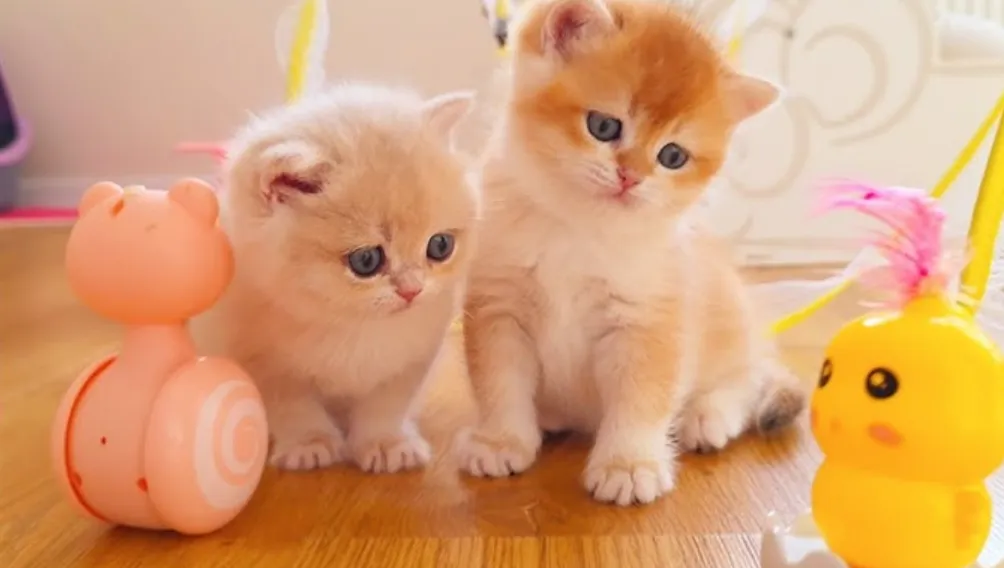
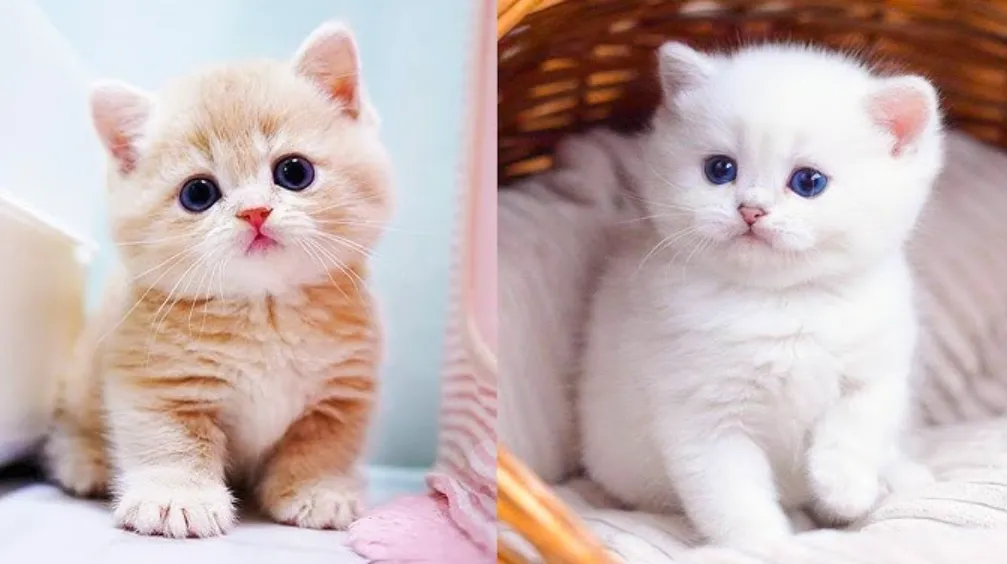
The kitten stage begins at birth and lasts up to about 1 year. Newborn kittens are helpless. They cannot see or hear properly, and they depend on their mother for milk, warmth, and protection.
This is the fastest-growing stage in a cat’s life cycle. Kittens gain weight quickly, develop sharp senses, grow baby teeth, and learn how to walk, run, jump, and play. Play is not just fun; it teaches hunting, balance, coordination, and social behavior.
2. Young Adult Stage
The young adult stage usually lasts from 1 to 6 years. At this stage, the cat is physically strong, active, curious, and confident. Many cats show peak energy during this period.
A young adult cat may climb, chase, hunt, defend territory, and explore. If the cat is a pet, this is the best time to build good habits through play, routine feeding, litter training, scratching posts, and safe enrichment.
3. Mature Adult Stage
The mature adult stage usually covers about 7 to 10 years. The cat may still look healthy and active, but small age-related changes can begin. It may sleep more, gain weight more easily, or become less interested in rough play.
This stage needs careful attention. Dental disease, obesity, arthritis, and kidney issues may begin silently. Regular veterinary checks, balanced food, clean water, and weight control can help the cat remain healthy.
4. Senior Cat Stage
The senior stage begins after around 10 years. Senior cats may move more slowly, sleep longer, groom less, or become more sensitive to cold. Some may develop health problems such as kidney disease, thyroid disease, arthritis, vision changes, or dental pain.
A senior cat needs soft bedding, easy access to food and water, low-entry litter boxes, gentle handling, and regular medical care. With good support, many senior cats can enjoy a peaceful and comfortable old age.
Their Main Diet, Food Sources, And Collection Process Explained
Main Diet of a Cat
A cat is an obligate carnivore, which means it needs animal-based nutrients to survive and stay healthy. In nature, cats mainly eat small prey such as mice, rats, birds, lizards, insects, and other small animals.
Domestic cats need food that provides enough protein, fat, minerals, vitamins, and essential nutrients such as taurine. Taurine is especially important for the heart, eyes, reproduction, and overall body function.
Food Sources in the Wild
Wild and feral cats mostly hunt for food. They use sharp hearing, strong night vision, sensitive whiskers, quick reflexes, and silent walking. Their hunting style usually includes watching, stalking, crouching, pouncing, and biting.
Small mammals are common prey, but food sources depend on location. In some areas, cats may eat birds, reptiles, amphibians, insects, and leftover human food.
Food Sources in Domestic Life
Pet cats usually receive commercial cat food, homemade vet-approved food, or a mix of wet and dry diets. Wet food helps with hydration, while dry food is convenient and energy-dense. However, every cat’s diet should be tailored to its age, weight, health, and activity level.
Kittens need more energy and protein for growth. Adult cats need maintenance nutrition. Senior cats may need softer food or special diets if they have kidney, dental, or digestive problems.
Collection Process
A domestic pet cat does not need to hunt for survival if properly fed. However, its natural hunting behavior remains active. Toys, puzzle feeders, climbing trees, and play sessions can satisfy this instinct safely without harming wildlife.
How Long Does A Cat Live
The lifespan of a cat depends on genetics, lifestyle, diet, medical care, environment, reproductive status, and exposure to danger. There is no single lifespan that fits every cat, but real-life veterinary data shows that many cats live into their teens when they receive proper care.
- Average domestic cat lifespan: Many cats live around 12 to 18 years, especially when kept indoors with good food and veterinary support.
- Indoor cats often live longer: Indoor cats are protected from traffic, predators, poisoning, harsh weather, fights, and many infectious diseases.
- Outdoor cats face greater risk: Cats that roam freely may live shorter lives due to accidents, parasites, injuries, disease, and conflicts with other animals.
- Some cats live beyond 20 years: With excellent care, some cats reach 20 years or more. These cats usually benefit from safe housing, good nutrition, a healthy weight, and early treatment of disease.
- Breed can influence lifespan: Mixed-breed cats often have strong genetic diversity. Some purebred cats may have breed-related health risks, while others can live long lives with responsible breeding and care.
- Female cats may live slightly longer: Some studies suggest female cats can have a longer average life expectancy than male cats, although individual care matters more than sex alone.
- Neutering may improve survival: Neutered cats are less likely to roam, fight, reproduce repeatedly, or develop some reproductive diseases.
- Healthy weight matters: Obesity can shorten a cat’s life by increasing the risk of diabetes, arthritis, heart strain, liver disease, and poor mobility.
- Dental care is important: Dental disease is common in adult and senior cats. Painful teeth can reduce eating, increase the risk of infection, and lower the quality of life.
- Regular vet visits help: Annual or twice-yearly checkups can detect problems early. Senior cats especially benefit from blood tests, dental checks, weight monitoring, and kidney or thyroid screening.
- Mental health affects quality of life: A bored or stressed cat may overeat, hide, scratch destructively, or show behavior issues. Enrichment, play, affection, and safe routines support long-term wellness.
- Clean water supports health: Cats naturally have a low thirst drive. Wet food, clean bowls, and water fountains may encourage hydration and support urinary health.
In simple words, a cat’s lifespan is not only about age. It is about how safely and healthily the cat moves through each stage of life.
Life Cycle of a Cat Lifespan in the Wild vs. in Captivity
Lifespan in the Wild or Free-Ranging Life
A free-ranging cat faces many natural and human-made dangers. These include traffic accidents, dog attacks, fights with other cats, parasites, infections, poisoning, extreme weather, and lack of steady food. Because of these risks, outdoor and feral cats often have shorter lives than protected indoor cats.
Feral kittens are especially vulnerable. Many do not survive because of cold, hunger, disease, or lack of care. Adult feral cats may survive well if they live near food sources, but their lives are usually harder and more dangerous.
Lifespan in Captivity or Indoor Care
A cat living in a protected home usually has a better chance of a long life. Indoor cats receive regular meals, clean water, shelter, vaccination, parasite prevention, and medical treatment. They are also safer from cars, predators, and harsh weather.
In good captivity or home care, many cats live into their teens. Some reach 20 years or more. However, indoor life must not mean boredom. Cats still need climbing spaces, scratching posts, toys, hiding places, sunlight, and human interaction.
Main Difference
The main difference is safety: wild or free-ranging cats must face danger every day. Indoor cats depend on humans for food, health, comfort, and emotional enrichment. Responsible care can greatly improve both lifespan and quality of life.
Importance of the Life Cycle of a Cat In This Ecosystem
Natural Predator Role
Cats are skilled small predators. In many environments, they hunt rodents, insects, and other small animals. Around farms, homes, and grain storage areas, cats have historically helped reduce rat and mouse populations. This role made them valuable to early human communities.
Connection with Human Settlements
The cat became closely connected with people because both benefited from the relationship. Humans gained pest control, while cats gained food and shelter. This connection shaped the domestic cat’s place in towns, villages, farms, and cities.
Impact on Wildlife
Cats can also create pressure on ecosystems, especially when they roam outdoors in large numbers. Free-ranging cats may hunt birds, reptiles, small mammals, and amphibians. In sensitive habitats, this can affect native wildlife.
This does not mean cats are “bad.” It means humans must manage them responsibly. People support domestic cats, so their population can grow beyond what a natural ecosystem would normally support.
Emotional and Social Importance
Cats also have social value. They provide companionship, reduce loneliness, and bring comfort to many families. Their life cycle teaches children and adults about care, responsibility, aging, reproduction, and respect for animals.
Balance in the Ecosystem
A balanced approach is best. Cats should be protected, fed, vaccinated, and loved, but they should also be managed to reduce harm to wildlife. Responsible cat ownership supports both animal welfare and environmental health.
What To Do To Protect Them In Nature And Save The System For The Future
1. Support Responsible Cat Ownership
- Keep pet cats safe with proper food, shelter, clean water, and medical care.
- Do not abandon cats outdoors.
- Provide toys, scratching posts, and safe indoor enrichment.
- Use collars, microchips, or other forms of identification for owned cats.
2. Neuter and Spay Cats
- Neutering helps prevent uncontrolled breeding.
- It reduces the number of homeless kittens.
- It can lower roaming, fighting, and some disease risks.
- Community cat programs should focus on humane population control.
3. Keep Cats Safely Contained
- Indoor living protects cats from cars, dogs, poison, and disease.
- A catio, or an enclosed garden, provides an outdoor experience without the danger of the outdoors.
- Supervised outdoor time can reduce wildlife hunting.
- Nighttime containment is especially helpful for wildlife protection.
4. Protect Native Wildlife
- Do not allow cats to hunt in bird nesting areas.
- Keep cats away from wildlife reserves and sensitive habitats.
- Feed pet cats properly so they do not depend on hunting.
- Use bells or bright collars to reduce the likelihood of successful hunting, though containment is better.
5. Educate Communities
- Teach people about the cat life cycle, reproduction, and responsible care.
- Encourage adoption instead of unnecessary breeding.
- Support shelters, rescue groups, and veterinary awareness programs.
- Promote kindness toward both cats and wildlife.
Fun & Interesting Facts About the Life Cycle of a Cat
- Kittens are born blind and deaf, but their senses develop quickly during the first weeks of life.
- A cat’s whiskers help it judge space, movement, and nearby objects, especially in low light.
- Cats can rotate their ears to detect tiny sounds from different directions.
- A mother cat’s first milk, called colostrum, helps protect newborn kittens from disease.
- Cats spend a large part of the day sleeping because rest supports energy conservation and hunting readiness.
- A cat’s play behavior is closely connected to hunting practice.
- Domestic cats can make many sounds, including meows, purrs, trills, chirps, growls, and hisses.
- Adult cats usually meow more to humans than to other adult cats.
- A cat’s nose print is unique, much like a human fingerprint.
- Cats groom themselves to clean their fur, control scent, and regulate comfort.
- Senior cats may still enjoy play, but they often prefer slower, gentler activities.
- Cats can jump several times their body height thanks to their strong back legs and flexible spines.
- A cat’s life cycle changes rapidly in the first year, then becomes more stable in adulthood.
- Cats are both independent and social. Many enjoy human companionship but also need private resting spaces.
Frequently Asked Questions (FAQs)
Q: What is the life cycle of a cat?
A: The life cycle of a cat is the journey from birth to old age. It includes the kitten, young adult, mature adult, and senior stages.
Q: At what age does a kitten become an adult cat?
A: A kitten usually becomes a young adult at around 1 year old. However, some large breeds may continue developing physically for longer.
Q: How many kittens can a cat give birth to?
A: A cat commonly gives birth to about 3 to 6 kittens in one litter, though the number can vary depending on age, health, breed, and pregnancy history.
Q: What does a cat eat during its life cycle?
A: A cat needs animal-based nutrition because it is an obligate carnivore. Kittens need growth food, adults need balanced maintenance food, and senior cats may need special diets.
Q: Why is understanding the life cycle of a cat important?
A: Understanding the life cycle of a cat helps people provide the right care at the right age. It also helps improve cat health, prevent suffering, manage reproduction, and protect wildlife.
Final Word
The life cycle of a cat is a beautiful journey of growth, instinct, survival, and companionship. From a helpless newborn kitten to a curious young adult, from a mature hunter to a gentle senior, every stage has unique needs and meanings.
Cats are more than household pets. They are intelligent carnivorous mammals with deep evolutionary roots, strong hunting skills, and an important relationship with humans. Their health and lifespan depend greatly on food, safety, medical care, emotional comfort, and responsible ownership.
At the same time, cats must be managed wisely to protect birds, small mammals, and natural ecosystems. When people understand the cat life cycle, they can better care for cats and reduce environmental harm.
A healthy future for cats depends on kindness, knowledge, responsible breeding, safe homes, and respect for the balance of life.
Also Read: life cycle of a beehive