Admin
Admin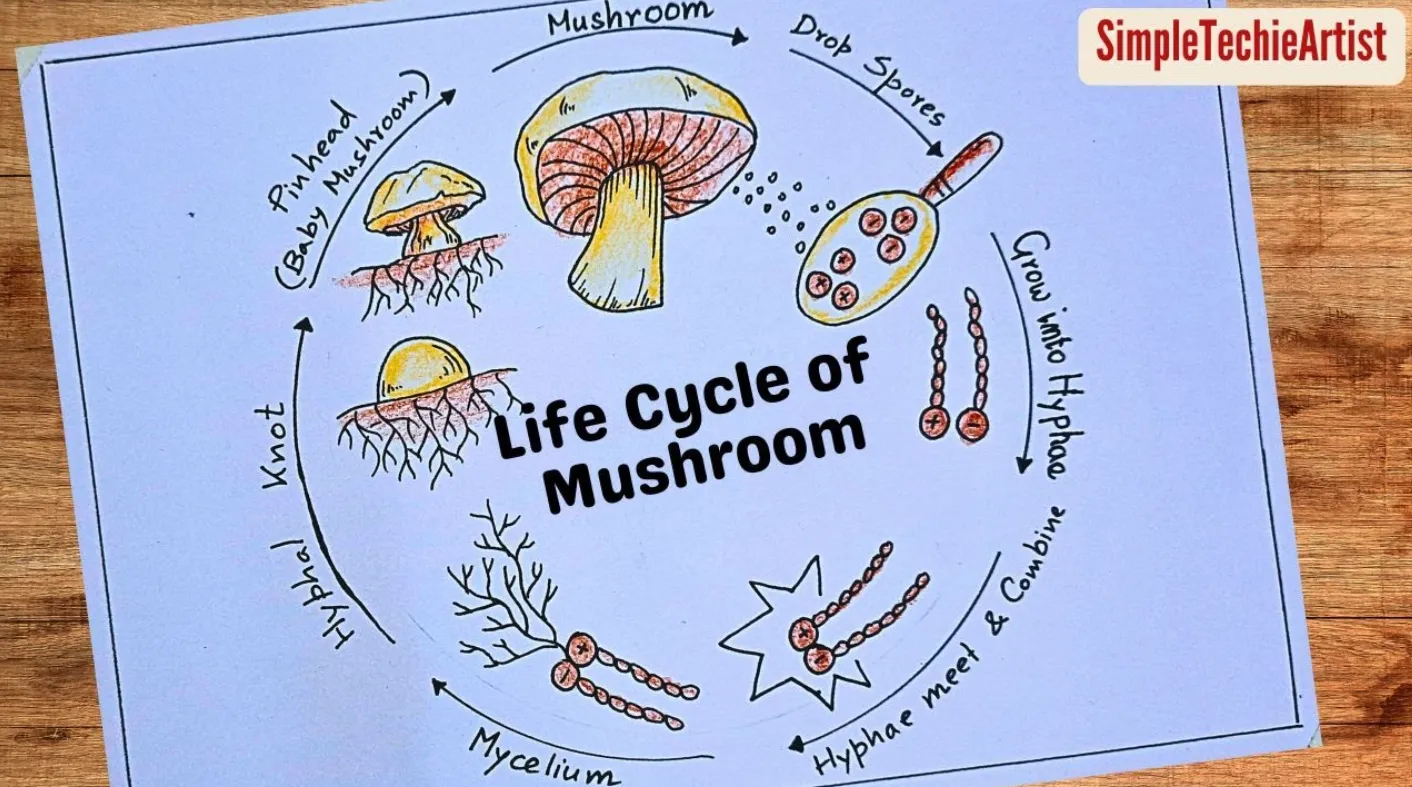
The life cycle of fungi is one of nature’s quiet but powerful systems. Fungi are not plants, and they are not animals. They belong to their own kingdom, called Kingdom Fungi, and include mushrooms, molds, yeasts, mycorrhizal fungi, and many microscopic species. Some fungi grow in forests, some live in soil, some help plants take nutrients, and some can cause problems such as food spoilage or fungal nail infections.
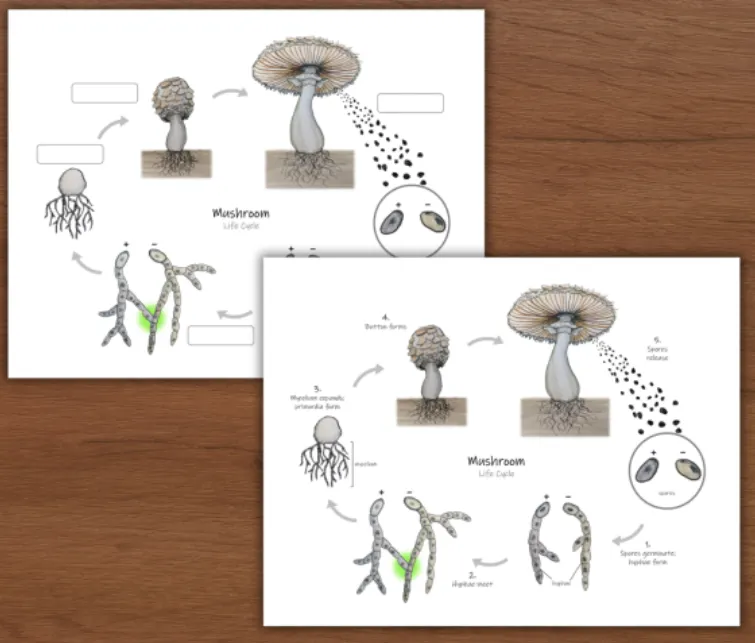
A fungus usually begins life as a tiny spore. When that spore lands in the right place, with enough moisture, food, and temperature, it grows into thread-like structures called hyphae. Many hyphae together form a hidden body called mycelium. This mycelium spreads through soil, wood, dead leaves, food, or living tissues. Later, when conditions are right, the Fungus produces new spores and begins the cycle again.
Scientists have formally named around 155,000 fungal species, but researchers believe the real number is much higher. This means that fungi are still among the most mysterious and understudied groups of living things on Earth.
Q: What is the life cycle of fungi?
A: The life cycle of fungi usually starts with a spore, then moves through germination, hyphae growth, mycelium formation, maturity, and finally spore production.
Q: Do all fungi reproduce in the same way?
A: No. Many fungi reproduce through asexual spores, while others reproduce sexually when two compatible fungal structures join and exchange genetic material.
Q: Why are fungi important in nature?
A: Fungi break down dead material, recycle nutrients, support plant roots, improve soil health, and help ecosystems stay balanced.
Quick Life Cycle Table
| Stage | What Happens | Simple Meaning |
| 1. Spore | A tiny reproductive cell spreads through the air, water, soil, and animals, or by contact. | The starting point |
| 2. Germination | The spore wakes up when moisture, food, and temperature are suitable. | The spore begins to grow. |
| 3. Hyphae Growth | Thin, thread-like tubes grow outward. | The Fungus searches for food. |
| 4. Mycelium Formation | Many hyphae form a network. | The main body develops. |
| 5. Feeding Stage | The Fungus releases enzymes and absorbs nutrients. | It eats from the outside in |
| 6. Mature Fungus | The Fungus becomes strong enough to reproduce. | It is ready to spread. |
| 7. Fruiting Body / Spore Structure | Mushrooms, molds, or other structures form spores. | New spores are made |
| 8. Spore Release | Spores spread to new places. | The cycle starts again. |
The History of Their Scientific Naming
The scientific study of fungi is called mycology. The word comes from the Greek mykes, meaning “fungus” or “mushroom.” For a long time, people thought fungi were plants because they grow from the ground and do not move like animals. But fungi do not make their own food through sunlight, so they are very different from plants.
Early scientists grouped fungi with plants, but later studies showed that fungi have distinct features. Their cell walls contain chitin, the same strong material found in insect shells. Plants, by comparison, have cell walls made mostly of cellulose.
The modern scientific naming system uses binomial nomenclature, in which each organism receives a two-part Latin-style name. For example, the common button mushroom is called Agaricus bisporus.
Important naming points:
- Kingdom: Fungi
- Scientific study: Mycology
- Main body structure: Mycelium
- Thread-like growth: Hyphae
- Reproductive unit: Spore
- Cell wall material: Chitin
Today, fungal names continue to change as DNA testing helps scientists better understand relationships among different species.
Their Evolution And Their Origin
Fungi have ancient roots. Scientific evidence suggests fungi likely appeared roughly one billion years ago. However, their fossil record is less clear than that of animals or plants because fungal bodies are soft and break down easily.
Early fungi probably lived in water or wet environments. Over time, they adapted to land and became important partners in the development of early terrestrial ecosystems. Some ancient fungi may have helped early plants survive by forming symbiotic relationships with their roots and improving nutrient absorption.
One major reason fungi became successful is their ability to digest food outside their bodies. Instead of swallowing food like animals, fungi release enzymes into their surroundings. These enzymes break down dead wood, leaves, animal remains, and other organic matter. Then the Fungus absorbs the nutrients.
This feeding method gave fungi a strong role in Earth’s nutrient cycle. Without fungi, dead trees, fallen leaves, and other organic waste would build up much more slowly. Fungi help return carbon, nitrogen, phosphorus, and other nutrients into the soil.
Fungi also evolved many different lifestyles. Some are decomposers, some are parasites, some live in partnership with plants, and some exist as single-celled yeasts. Others form large visible mushrooms, while many remain microscopic.
Their origin is closely tied to survival. Fungi learned to live in soil, forests, deserts, food, water-damaged buildings, plant roots, insects, and even extreme environments. This flexibility is why fungi remain one of the most successful groups of organisms on Earth.
Their main food and its collection process
Fungi do not eat like animals. They do not chew, swallow, or hunt in the usual way. Their feeding system is based on external digestion. This means they first digest food outside their bodies, then absorb the nutrients.
Most fungi feed on organic material. This includes dead plants, dead animals, fallen leaves, wood, fruit, bread, soil matter, and sometimes living plants or animals.
Their food collection process works like this:
- Finding a food source: A fungal spore lands on a suitable surface such as soil, dead wood, fruit, leaves, or plant roots.
- Germination begins: If the surface has enough moisture and nutrients, the spore grows into hyphae.
- Hyphae spread outward: These thin threads extend through the food source, increasing the Fungus’s feeding area.
- Enzymes are released: The Fungus secretes digestive enzymes.
- Food breaks down: The enzymes break complex materials into smaller nutrients.
- Nutrients are absorbed: The Fungus absorbs simple sugars, minerals, and other useful compounds through its cell walls.
Different fungi prefer different foods. Saprophytic fungi feed on dead organic matter. Parasitic fungi take nutrients from living hosts. Mycorrhizal fungi receive sugars from plant roots and, in return, help plants collect water and minerals.
This feeding style makes fungi powerful recyclers. They turn dead matter into usable nutrients, helping soil stay fertile and alive.
Important Things That You Need To Know
When people search for fungi, they often mean different things. Some are looking for the basic definition of fungi, while others want to know about types of fungi, mycorrhizal fungi, fungi nails, or even the documentary-style phrase’ fantastic fungi‘. These ideas are connected, but they do not all mean the same thing.
The simple definition of fungi is this: fungi are living organisms that absorb nutrients from organic matter and reproduce mostly through spores. They include mushrooms, molds, yeasts, rusts, smuts, and many invisible soil species.
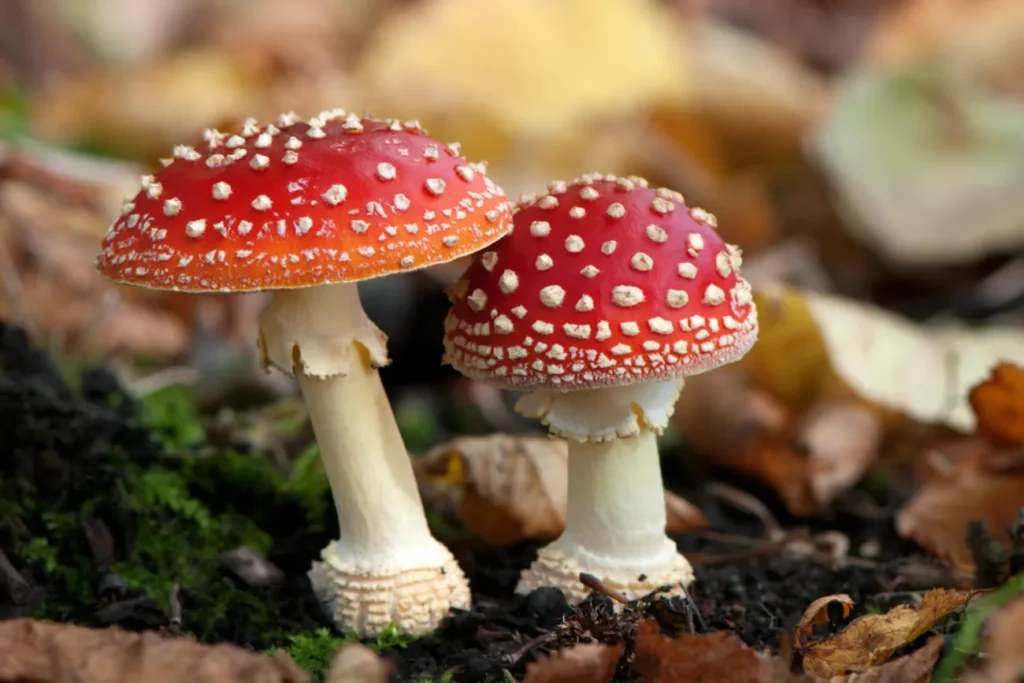
There are many types of fungi. Mushrooms are the visible fruiting bodies of some fungi. Molds often grow as fuzzy patches on food or damp surfaces. Yeasts are usually single-celled fungi used in baking, brewing, and fermentation. Mycorrhizal fungi live with plant roots and help plants absorb nutrients, especially phosphorus.
The phrase fantastic fungi is popular because fungi really do feel almost unreal. They can break down wood, support forests, create medicines, help make bread, and form underground networks.
The phrase “fungus nail” usually refers to a fungal nail infection, often called nail fungus. This is different from wild mushrooms or soil fungi, but it still belongs to the larger fungal world.
So, when learning about the life cycle of fungi, it helps to remember that fungi are not one single thing. They are a huge kingdom with many forms, roles, and survival methods.
Their life cycle and ability to survive in nature
Spore release and spreading
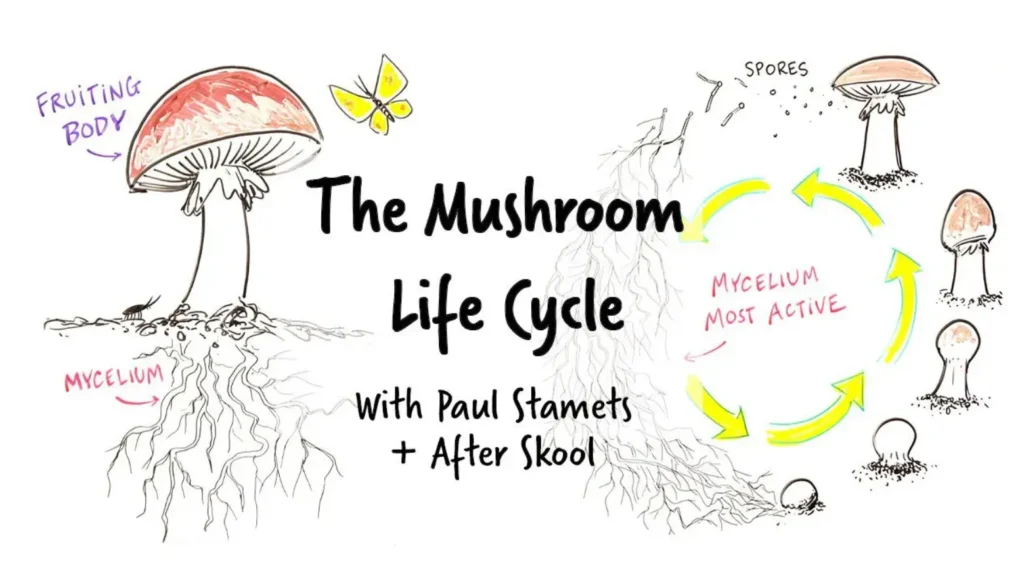
The fungal life cycle begins when mature fungi produce spores. Spores are tiny and light. They can travel through air, water, soil, animals, insects, or human activity.
A mushroom may release millions or even billions of spores, but only a small number land in the right place to grow.
Germination and hyphae growth
When a spore reaches a suitable surface, it begins germination. It sends out a small tube that grows into hyphae.
Hyphae spread through the food source and absorb nutrients. This stage is often hidden, especially in soil or wood.
Mycelium formation
As hyphae branch and connect, they form mycelium. This is the main living body of most fungi. The mushroom we see above ground is often only the reproductive part.
The mycelium can stay alive for long periods if food and moisture are available.
Survival in harsh conditions
Fungi survive by producing tough spores, slowing their growth, hiding underground, or living inside hosts. Many spores can survive dryness, cold, and poor conditions until conditions improve.
This ability helps fungi return quickly after rain, seasonal change, fire, decay, or disturbance.
Their Reproductive Process and raising their children
Fungi do not raise their young like birds, mammals, or insects. They do not feed or protect babies. Instead, fungi produce large numbers of spores, and those spores survive on their own if conditions are right.
Their reproductive process can happen in two main ways:
- Asexual reproduction:
- This is the fastest method. One Fungus produces spores without joining with another fungus. These spores are usually genetically similar to the parent. Many molds use this method to spread quickly.
- Sexual reproduction:
- This happens when compatible fungal hyphae meet. Their cells may join, exchange genetic material, and eventually form sexual spores. This creates genetic variety, helping fungi adapt to changing environments.
- Fragmentation:
- Sometimes a piece of mycelium breaks off and grows into a new fungal body if it lands in a suitable place.
- Budding:
- Some yeasts reproduce by budding. A small new cell grows from the parent cell, then separates.
- Fruiting body formation:
- In mushrooms, the visible cap and stem are reproductive structures. Their purpose is to make and release spores.
Fungi do not “raise children,” but they invest in survival through numbers. By producing many spores, they increase the chance that at least some will find food, moisture, and safety.
The importance of them in this Ecosystem
Fungi recycle dead matter.
Fungi are some of nature’s best decomposers. They break down dead leaves, fallen trees, animal remains, and other organic waste. This process returns nutrients to the soil.
Without fungi, forests would struggle to break down layers of dead material.
Fungi support plant growth.
Many plants depend on mycorrhizal fungi. These fungi connect with roots and help plants absorb water and minerals. In exchange, plants provide sugars made through photosynthesis.
This partnership improves plant health and helps forests, grasslands, and crops grow better.
Fungi improve soil health.
Fungal networks help bind soil particles together. This supports soil structure, moisture holding, and nutrient movement.
Healthy soil usually has active fungal life.
Fungi support food and medicine.
Humans use fungi in bread, cheese, soy sauce, antibiotics, fermentation, and biotechnology. Yeast helps bread rise, while other fungi produce valuable compounds used in medicine.
Fungi feed wildlife
Many animals eat fungi, including insects, rodents, deer, turtles, and birds. Some fungi also form relationships with insects, helping them digest food or farm fungal gardens.
What to do to protect them in nature and save the system for the future
Fungi are often ignored in conservation, but they need protection too. Many fungal species depend on old forests, healthy soil, clean water, and stable habitats. Habitat loss, pollution, overharvesting, and climate change can damage fungal communities. Recent conservation reports have warned that many assessed fungal species face extinction risk, especially from deforestation, agricultural expansion, and pollution.
To protect fungi and the ecosystems they support:
- Protect forests and old trees because many fungi depend on dead wood, leaf litter, and mature root systems.
- Avoid unnecessary soil disturbance since fungal mycelium often lives underground.
- Reduce chemical overuse in gardens, farms, and lawns, as pesticides and fungicides can harm beneficial fungi.
- Leave some dead wood in natural areas to support decomposer fungi and wildlife.
- Do not overharvest wild mushrooms. Take only what is allowed and leave enough for spores and wildlife.
- Support native plants because native plant roots often work with local fungal networks.
- Compost organic waste to encourage natural fungal decomposition.
- Avoid spreading invasive fungi by cleaning shoes, tools, and equipment after visiting forests or farms.
- Teach people about fungi so they understand that fungi are not just “mold” or “disease.”
- Support fungal research and conservation, as many species remain unknown.
Protecting fungi means protecting soil, forests, plants, food systems, and future biodiversity.
Frequently Asked Questions (FAQs)
Q1: What is the life cycle of fungi?
A: The life cycle of fungi begins with a spore. The spore germinates, grows into hyphae, forms mycelium, matures, produces reproductive structures, and releases new spores.
Q2: What are fungi in simple words?
A: Fungi are living organisms that absorb nutrients from organic matter. They include mushrooms, molds, yeasts, and many microscopic species.
Q3: Are fungi plants?
A: No. Fungi are not plants. They belong to the Kingdom Fungi. Unlike plants, fungi do not make food through sunlight.
Q4: What do fungi eat?
A: Fungi feed on dead plants, wood, leaves, fruits, soil matter, living hosts, or plant root sugars, depending on the type of Fungus.
Q5: How do fungi reproduce?
A: Fungi reproduce through spores, budding, fragmentation, or sexual reproduction when compatible fungal cells join.
Q6: What is mycelium?
A: Mycelium is the main body of a fungus. It is made of many thread-like structures called hyphae.
Q7: Why are mycorrhizal fungi important?
A: Mycorrhizal fungi connect with plant roots and help plants absorb water and minerals. In return, plants give them sugars.
Q8: Is nail fungus related to fungi?
A: Yes. Nail fungus is usually caused by certain fungi that grow in or under nails. It differs from mushrooms, but it still belongs to the broader fungal group.
Conclusion
The life cycle of fungi shows how powerful small and hidden organisms can be. A fungus may begin as a tiny spore, but with the right conditions, it can grow into a wide network of hyphae and mycelium. From there, it feeds, survives, reproduces, and sends new spores into the world.
Fungi are not just mushrooms on the forest floor. They are recyclers, soil builders, plant partners, food makers, and silent workers behind many natural systems. They break down dead matter, help roots collect nutrients, and keep ecosystems moving.
Understanding fungi also helps us respect them. Some fungi cause disease or decay, but many are deeply useful. Protecting forests, soil, and natural habitats means protecting fungi too. And when fungi are protected, the whole Ecosystem becomes stronger for the future.
Also Read: horse fly larva life cycle