Admin
Admin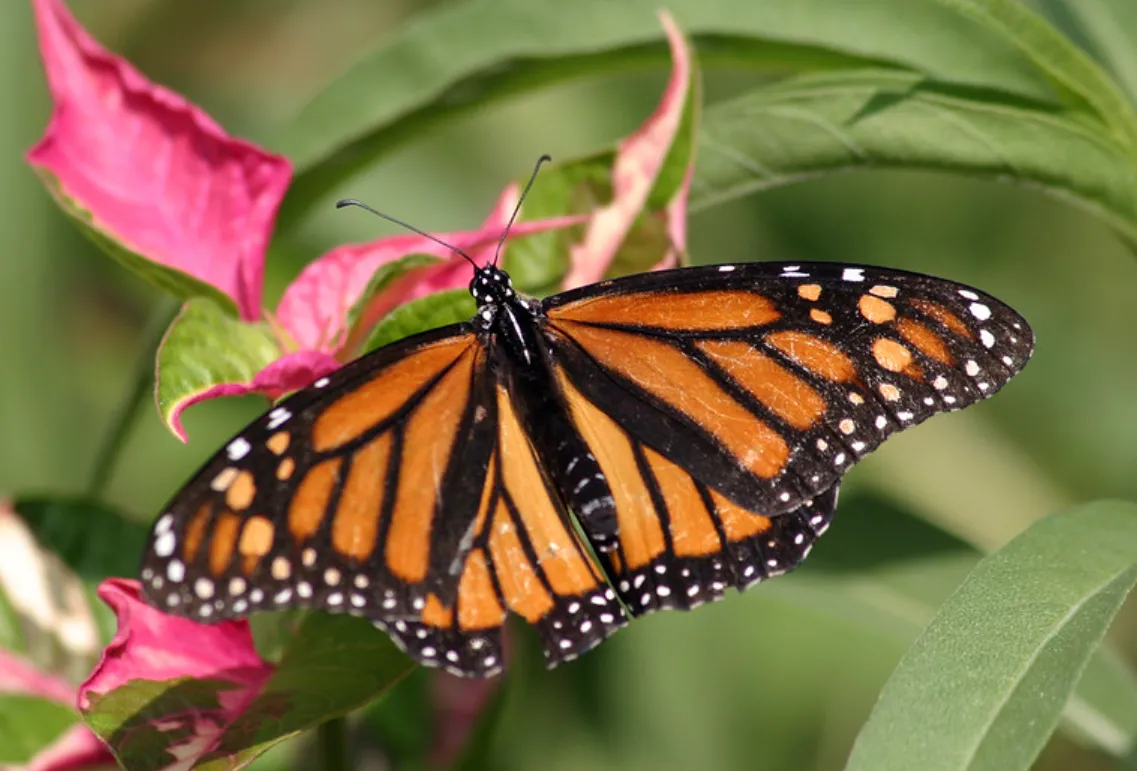
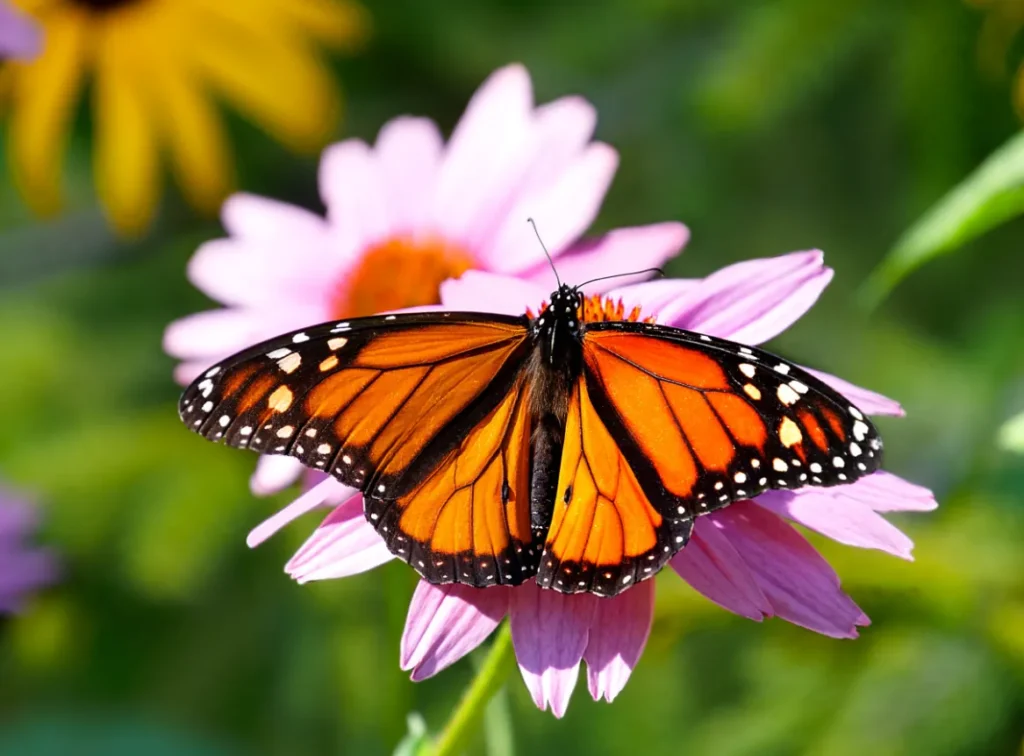
The life cycle of a monarch is one of the most beautiful changes in nature. A tiny egg on a milkweed leaf becomes a striped monarch caterpillar, then a green chrysalis, and finally an orange-and-black adult monarch butterfly. This full change is called complete metamorphosis.
The monarch butterfly, scientifically known as Danaus plexippus, is famous for its long migration, bright warning colors, and strong association with milkweed plants. Female monarchs lay their eggs on milkweed because it is the only food young caterpillars can eat. Monarch Joint Venture notes that monarch eggs hatch in about four days, and females can lay hundreds of eggs over a few weeks.
Monarchs are also facing serious pressure. The eastern migratory population overwintering in Mexico covered 2.93 hectares during the 2025–2026 season, up from 1.79 hectares the previous winter, but still below the level often cited as necessary for long-term stability.
Quick Answers — Most Common Questions
Q: What are the 4 stages in the life cycle of a monarch?
A: The 4 stages are egg, larva or monarch caterpillar, pupa or chrysalis, and adult butterfly.
Q: What does a monarch caterpillar eat?
A: A monarch caterpillar eats milkweed leaves. Milkweed is its host plant and main food source.
Q: How long does the life cycle of a monarch take?
A: In warm weather, the journey from egg to adult monarch often takes about 3–5 weeks, depending on temperature, food, and weather.
Quick Life Cycle Table
| Stage | Time Needed | What Happens |
| Egg | About 3–5 days | A female lays one egg, usually on milkweed |
| Larva / Monarch caterpillar | About 10–14+ days | A caterpillar eats, grows, and molts several times |
| Chrysalis / Pupa | About 8–14 days | The body changes into an adult butterfly |
| Adult Monarch | 2–6 weeks, or longer for migratory generation | Feeds on nectar, mates, lays eggs, or migrates |
The exact timing changes with temperature, milkweed quality, and season. Cool weather slows growth. Warm weather can speed it up.
The History of Their Scientific Naming
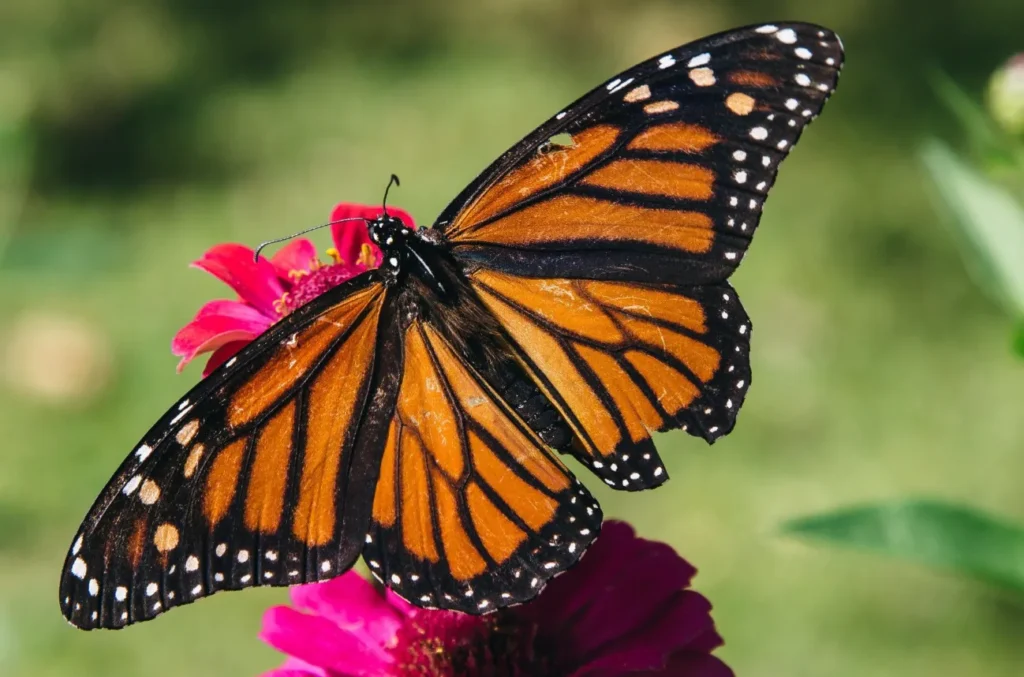
The scientific name of the monarch butterfly is Danaus plexippus. It belongs to the kingdom Animalia, phylum Arthropoda, class Insecta, order Lepidoptera, family Nymphalidae, genus Danaus, and species Danaus plexippus. GBIF lists the accepted species name as Danaus plexippus (Linnaeus, 1758) and also records the older synonym Papilio plexippus Linnaeus, 1758.
Key naming points:
- Carl Linnaeus first described the species in 1758.
- The older name was Papilio plexippus because many butterflies were once placed in the genus Papilio.
- The current genus name is Danaus.
- The species name plexippus comes from classical naming traditions used by early taxonomists.
- The common name “monarch” is believed to reflect the butterfly’s large size, bold colors, and wide distribution across North America.
This name matters because it separates the true monarch butterfly from other orange butterflies that may look similar, such as the viceroy butterfly.
Their Evolution And Their Origin
The monarch butterfly did not become famous by accident. Its body, color, food choice, and migration behavior are the result of a long evolutionary story.
Modern research suggests that monarchs likely originated in North America from a migratory ancestor. A major genome study found that monarchs spread from North America into other regions, and some populations later lost strong migratory behavior.
One of the most important parts of monarch evolution is its relationship with milkweed. Milkweed contains bitter chemical compounds called cardenolides. These compounds can be toxic to many animals, but monarch caterpillars have adapted to feed on milkweed.
This gives monarchs a survival advantage. As caterpillars eat milkweed, they absorb some of its defensive chemicals. Later, adult monarchs show bright orange, black, and white colors. These colors warn many predators that the butterfly may taste bad or be harmful.
Their migration is another powerful adaptation. Eastern monarchs travel across huge parts of North America and overwinter in Mexico’s oyamel fir forests. Western monarchs mainly overwinter along the California coast. The U.S. Fish & Wildlife Service describes monarchs as pollinators known for long-distance migration and recent population declines.
So, the origin of the monarch is more than one place or one event. It is a story of plants, poison, weather, wings, migration, and survival.
Important Things That You Need To Know
Many people search for the word monarch, but not every result is about butterflies. In this article, the term monarch refers to the monarch butterfly, Danaus plexippus.
The most important LSI keyword here is monarch caterpillar. This is the larval stage of the butterfly. It has black, white, and yellow bands and feeds almost only on milkweed. Without healthy milkweed, the life cycle cannot continue.
Some searches may include terms such as “monarch legacy of monsters” or “monarch mountain“. These are not directly connected to the butterfly’s biology. Monarch Legacy of Monsters aligns with entertainment search intent, while Monarch Mountain may refer to a place or a travel-related topic. For an SEO article about the life cycle of a monarch, these terms should be handled carefully to avoid confusing readers.
The real focus should stay on the butterfly: egg, monarch caterpillar, chrysalis, adult monarch, milkweed, migration, and habitat protection.
A strong article should also explain that monarchs are not just pretty insects. They are part of a wider natural system. Their decline can show problems in grasslands, farms, roadsides, gardens, and climate patterns. That is why learning the life cycle of a monarch is also learning how small wildlife depends on healthy plants and safe habitats.
Their main food and its collection process
The food of a monarch changes as it grows. The monarch caterpillar eats milkweed, while the adult monarch butterfly drinks nectar from flowers.
Main food sources:
- Milkweed leaves: This is the only main food for monarch caterpillars.
- Milkweed flowers: Adult monarchs may also drink nectar from them.
- Wildflower nectar: Adults feed from asters, goldenrods, blazing stars, coneflowers, and other nectar-rich plants.
- Late-season flowers: These are very important for migrating monarchs because they need energy for long flights.
The collection process is simple but very specialized.
A female monarch first searches for a healthy milkweed plant. She uses her senses to find the right host plant. Then she lays a single egg, often on the underside of a leaf. When the egg hatches, the tiny caterpillar begins eating the eggshell and then moves on to feeding on milkweed.
As the caterpillar grows, it eats more and more leaves. It does not collect food and store it, as ants or bees do. Instead, it feeds directly from the plant. Its job is to gain enough body mass for the chrysalis stage.
Adult monarchs collect food differently. They use a long tube-like mouthpart called a proboscis to sip nectar. Nectar provides them with sugar energy for flying, mating, egg-laying, and migration.
This is why monarch gardens need both milkweed and nectar plants. Milkweed supports babies. Nectar supports adults.
Their life cycle and ability to survive in nature
Egg Stage
The egg stage begins when a female monarch lays a tiny egg on milkweed. The egg is usually pale, ridged, and very small.
This stage is delicate. Eggs can dry out, be eaten by predators, or be damaged by weather.
Monarch Caterpillar Stage
After hatching, the young monarch caterpillar eats milkweed and grows quickly. It molts several times as its skin becomes too tight.
This stage is risky. Spiders, wasps, ants, birds, disease, and poor weather can kill many caterpillars before they become adults.
Chrysalis Stage
When fully grown, the caterpillar leaves the milkweed and finds a safe place to hang. It forms a green chrysalis.
Inside, the body changes completely. Legs, wings, antennae, and adult organs form during this hidden stage.
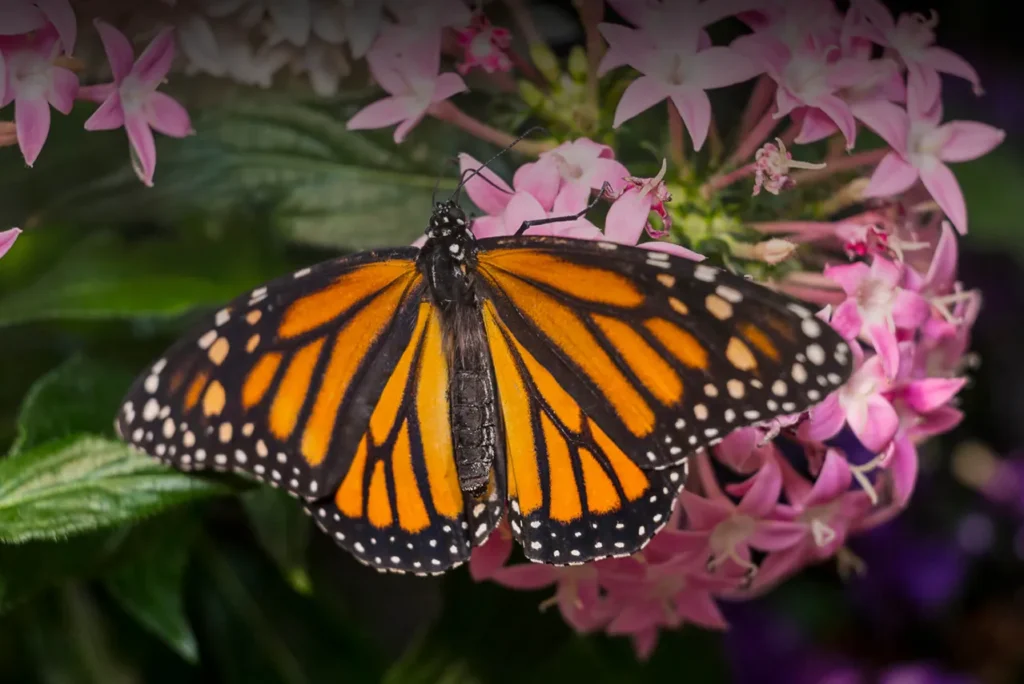
Adult Butterfly Stage
The adult monarch emerges with soft, folded wings. It hangs quietly while fluid fills the wings and they harden.
Once ready, the butterfly flies away to feed, mate, migrate, or lay eggs. The migratory generation is especially strong. It can live much longer than summer adults because it must travel and overwinter before breeding.
Their ability to survive depends on milkweed, nectar, safe weather, low pesticide exposure, and protected overwintering forests.
Their Reproductive Process and raising their children
Monarch butterflies do not raise their children in the way birds or mammals do. They do not feed their young after hatching. Their parenting happens mainly through choosing the right plant.
Important reproductive points:
- Mating: Adult males and females mate after reaching sexual maturity.
- Egg laying: A female lays eggs one by one, usually on milkweed leaves.
- Host plant choice: The female must find suitable milkweed because caterpillars need it immediately after hatching.
- High egg number: Female monarchs can lay hundreds of eggs over their lifetime.
- No direct care: After laying eggs, the female leaves. The young must survive on their own.
- Fast growth: The caterpillar eats heavily and grows through several stages.
- Natural selection: Only a small portion of eggs and caterpillars survive to become adults.
This system may seem harsh, but it is common among insects. Instead of caring for a few babies, monarchs produce many eggs. This increases the chance that some will survive.
The female’s best contribution is not guarding the eggs. It is selecting healthy milkweed in a good location. A clean, pesticide-free milkweed patch gives the next generation a better chance.
So, monarch “parenting” is quiet but important. The future of the young depends heavily on where the mother places each egg.
The importance of them in this Ecosystem
Monarchs Support Pollination
Adult monarch butterflies visit flowers for nectar. While they are not the strongest pollinators compared with bees, they can still move pollen between flowers.
Their movement across landscapes connects gardens, meadows, roadsides, farms, and wild spaces.
Monarchs Are Food for Other Species
Monarch eggs, caterpillars, and adults become food for many animals. Some predators avoid them because of their milkweed toxins, but others can still eat them.
This makes monarchs part of the wider food web.
Monarchs Show Habitat Health
A healthy monarch population often means there is enough milkweed, enough nectar, and safer land management. A weak population can signal habitat loss, pesticide pressure, drought, or climate stress.
The U.S. Fish & Wildlife Service identified habitat loss, insecticide exposure, and climate change as key threats underlying its proposed threatened listing.
Monarchs Connect Countries
The monarch migration links Canada, the United States, and Mexico. A butterfly born in one area may depend on habitats thousands of miles away.
This makes monarch conservation a shared responsibility. No single garden, city, or country can protect the migration alone.
Monarchs Inspire People
Monarchs help people care about insects. Their colors, migration, and transformation make them easy to love and easy to teach.
That emotional connection can lead to more native gardens, better pesticide choices, and stronger habitat protection.
What to do to protect them in nature and save the system for the future
- Plant native milkweed: Choose milkweed species that naturally grow in your region. This gives monarch caterpillars the right food.
- Add nectar flowers: Plant flowers that bloom from spring through fall, especially late-season flowers for migration.
- Avoid pesticides: Insecticides can kill monarch eggs, caterpillars, and adults. Herbicides can remove milkweed and wildflowers.
- Protect wild areas: Roadsides, grasslands, fields, and garden edges can become useful monarch habitat when managed carefully.
- Do not remove every “weed”: Some wild plants are valuable host or nectar plants.
- Keep gardens chemical-free: A clean butterfly garden is safer than a perfect-looking garden treated with chemicals.
- Support overwintering habitat: Eastern monarchs need healthy forests in Mexico, while western monarchs need safe coastal groves.
- Join citizen science projects: Reporting monarch sightings, eggs, caterpillars, and migration movement helps researchers track changes.
- Teach children about monarchs: Children who understand the monarch’s life cycle may grow up to care more about insects and plants.
- Think beyond one season: Monarch protection needs long-term habitat, not just one flower pot for one month.
Frequently Asked Questions (FAQs)
Q1: What is the life cycle of a monarch?
A: The life cycle of a monarch has four stages: egg, monarch caterpillar, chrysalis, and adult butterfly.
Q2: Where do monarch butterflies lay eggs?
A: Female monarchs lay eggs on milkweed plants, often on the underside of leaves.
Q3: Why does a monarch caterpillar need milkweed?
A: A monarch caterpillar depends on milkweed because it is its host plant and main food source.
Q4: How long does a monarch stay in a chrysalis?
A: A monarch usually stays in the chrysalis for about 8–14 days, depending on temperature and conditions.
Q5: What does an adult monarch eat?
A: Adult monarchs drink nectar from flowers. They need nectar for energy, flight, reproduction, and migration.
Q6: Do monarch butterflies take care of their babies?
A: No. Monarchs do not feed or guard their young. The female helps by laying eggs on the correct plant.
Q7: Why are monarch butterflies important?
A: Monarchs support pollination, feed parts of the food web, and show the health of habitats across North America.
Q8: Are monarch butterflies endangered?
A: The migratory monarch is listed as Vulnerable on the IUCN Red List after a 2023 status change, and U.S. federal protection has been under review.
Conclusion
The life cycle of a monarch is a small miracle that happens in four clear stages: egg, monarch caterpillar, chrysalis, and adult butterfly. Each stage has a purpose, and each one depends on the right natural conditions.
The most important plant in this story is milkweed. Without milkweed, the caterpillar cannot grow. Without nectar flowers, the adult butterfly cannot fly, mate, or migrate well. Without safe habitats, the famous monarch migration becomes weaker.
Monarchs remind us that even a tiny egg on a leaf can be part of a huge natural journey. Protecting them does not always require big actions. A native milkweed plant, a pesticide-free garden, a few fall flowers, and better care for wild spaces can all help.
To save the monarch butterfly, we must protect the full cycle—not just the beautiful adult, but the leaf, the caterpillar, the chrysalis, and the long path home.
Also Read: hymenoptera life cycle byjus