Admin
Admin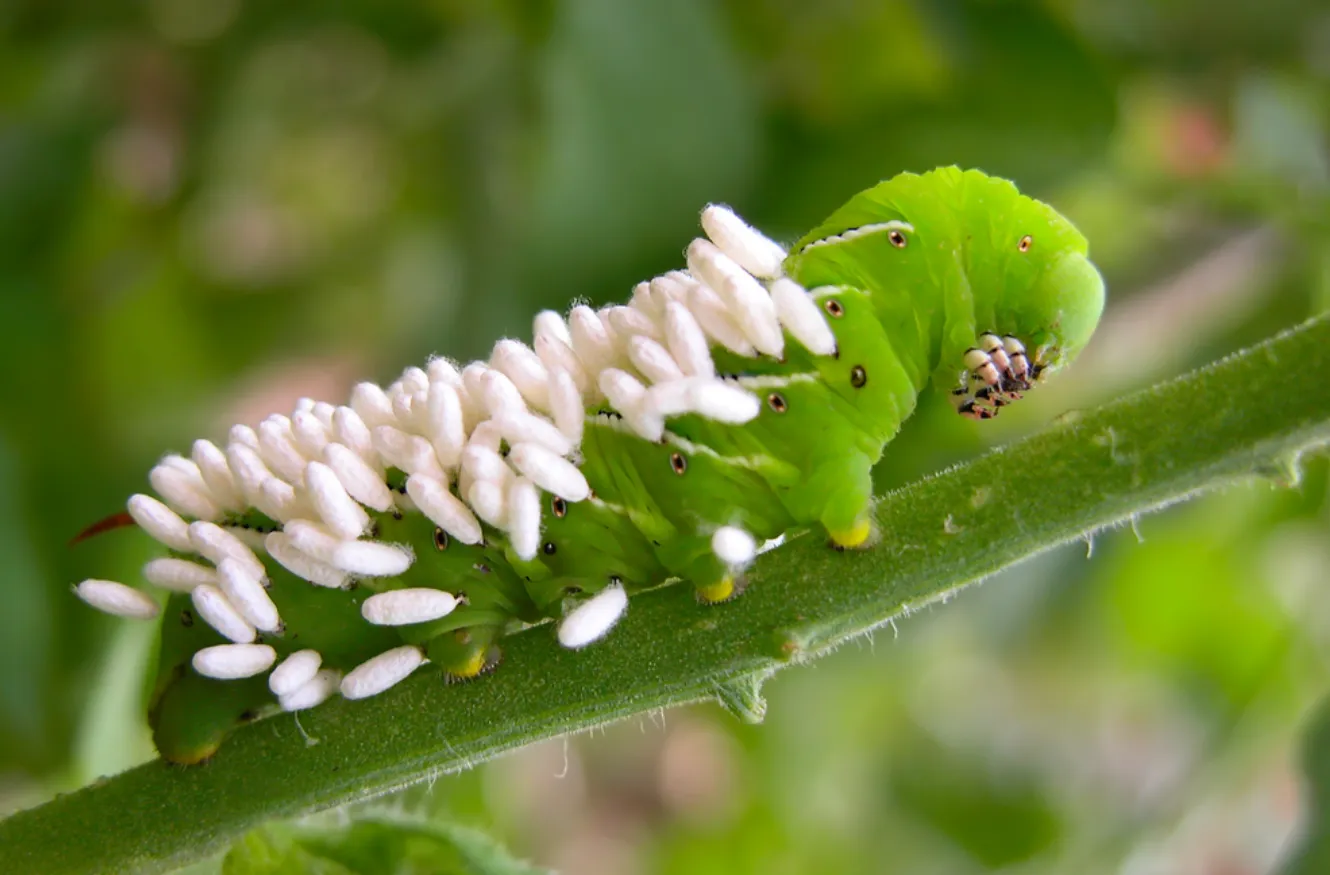
Tomato worms, also known as hornworms, are notorious pests that can wreak havoc on tomato plants and other crops. While they may be a challenge for gardeners, understanding the life cycle of the tomato worm can help in managing their population effectively.
The process begins with the egg stage, followed by the caterpillar stage, and eventually the moth stage, which completes the life cycle. The tomato worm moth, or Five-spotted hawk moth, plays a crucial role in this cycle, laying eggs that hatch into larvae, commonly called tomato worms.
Here are three quick answers to common questions about the tomato worm:
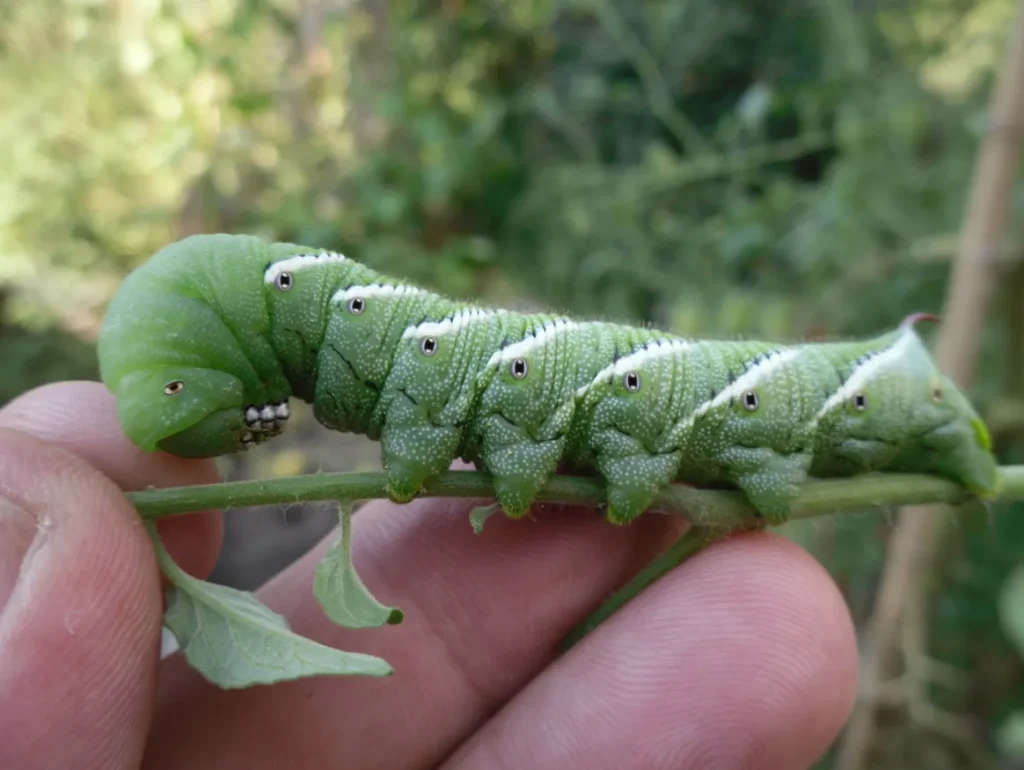
- What does a tomato worm look like?
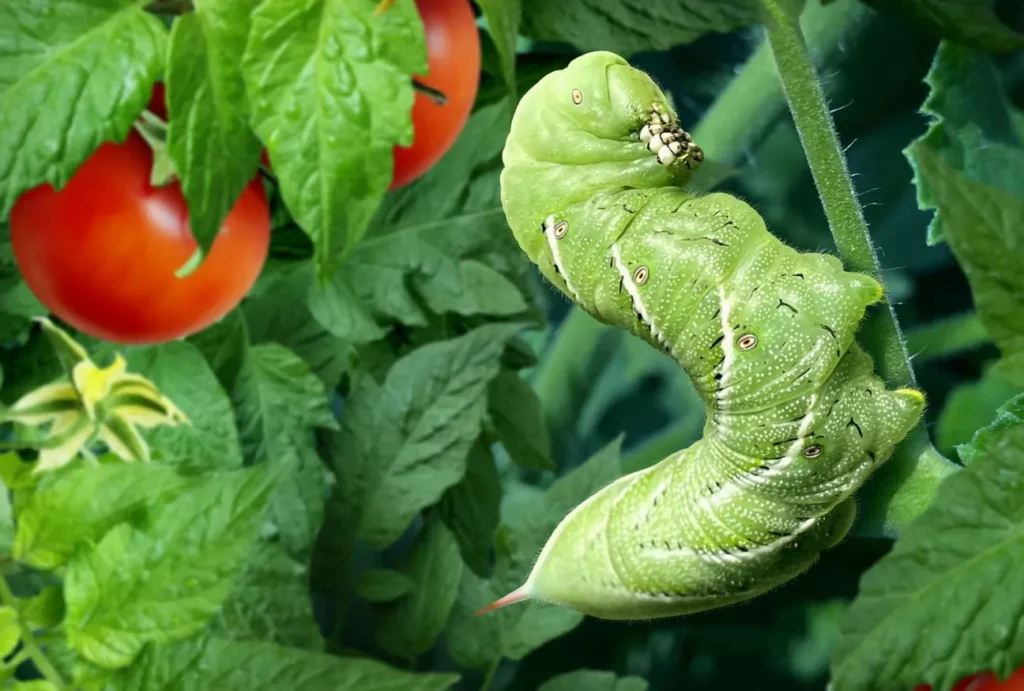
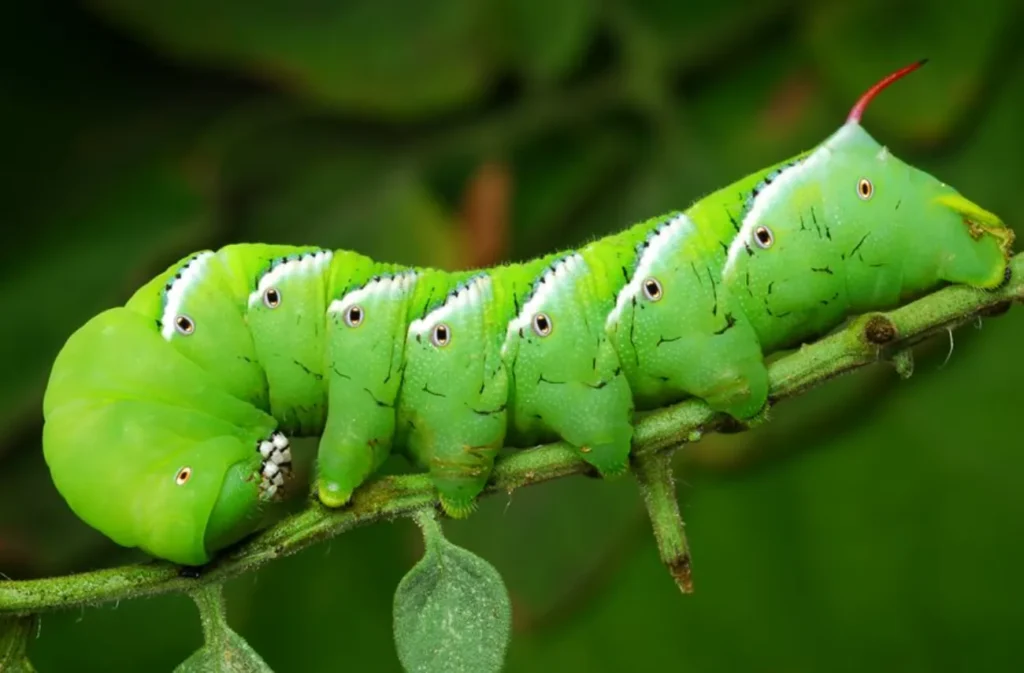
- A tomato worm, or hornworm, is large and green with white stripes running diagonally down its body. It also has a distinct “horn” at the rear, which gives it its name.
- Where do tomato worms come from?
- Tomato worms originate from eggs laid by the tomato worm moth, which then hatch into larvae that feed on tomato plants.
- How do I get rid of tomato worms?
- Natural predators such as birds and beneficial insects, along with manual removal or organic sprays, can help control the tomato worm population.
Quick Life Cycle Table
| Stage | Description | Duration |
| Egg | Eggs are laid on the underside of leaves by the tomato worm moth. | 3-5 days |
| Larvae (Worm) | The larva, or tomato worm, hatches and feeds on plant leaves. | 2-4 weeks |
| Pupa | The worm forms a pupa in the soil, where it will undergo metamorphosis. | 10-14 days |
| Adult (Moth) | The adult tomato worm moth emerges, ready to lay eggs. | 1-2 weeks |
The History of Their Scientific Naming
The tomato worm, or Five-spotted hawk moth (scientifically named Five-spotted hawk moth), was first classified by naturalists in the early 19th century. The moth’s distinctive features, such as its size, five body spots, and large wings, helped scientists give it this name. The moth’s larvae, commonly known as tomato worms, were named for their destructive feeding habits on tomato plants. The genus Five-spotted hawk moth belongs to the family, and “hawk moth” refers to its large size and swift flight.
The name “hornworm” was coined for the characteristic “horn” at the rear of the larva, a feature easily recognizable. Over time, tomato worms became a major subject of study due to their agricultural impact, making them an important part of both entomological research and pest management.
Their Evolution And Their Origin
Tomato worms, like many insect species, have undergone significant evolutionary adaptations to thrive in diverse environments. The tomato worm moth (Five-spotted hawk moth) belongs to the Sphingidae family, a group of moths known for their nocturnal activity and ability to hover like hummingbirds. This moth’s ability to hover and feed on nectar allows it to survive in different habitats, including gardens where tomato plants thrive. Over time, the tomato worm has become a highly specialized pest for certain crops, especially tomatoes.
The tomato worm moth originated in the Americas, where it is commonly found in warm climates. However, as agriculture expanded, the moths began to spread to other regions, particularly in temperate zones where tomato farming is prevalent. Today, they are considered among the most significant pests in gardens and on farms growing tomatoes, peppers, and other nightshades.
The evolutionary journey of the tomato worm is a story of survival in a competitive and often hostile environment. Their ability to quickly adapt to changes in plant life, the camouflage that protects them from predators, and their rapid growth all contribute to their success as a species. As climate conditions change, these pests are likely to continue evolving, presenting new challenges for agriculture.
Their Main Food and Its Collection Process
Tomato worms are herbivorous insects, and their primary food source is the leaves and stems of tomato plants. These larvae are known for their voracious appetites, consuming large amounts of plant material during their developmental stages. The process of food collection is straightforward: tomato worms use their strong mandibles to chew through foliage, often leaving large, noticeable holes.
Here’s a breakdown of the food collection process:
- Feeding Stage: Once hatched, the larvae immediately begin feeding on tomato leaves. They are especially attracted to the tender leaves and young shoots.
- Selective Feeding: Tomato worms are not indiscriminate eaters; they tend to prefer the upper, newer leaves of the plant, where nutrients are most abundant.
- Nighttime Feeding: These worms are nocturnal feeders, meaning they tend to do most of their damage at night, when temperatures drop, and predators are less active.
- Impact on Plants: As the larvae continue feeding, they can completely defoliate plants, weakening them and making them more susceptible to disease and other pests.
This aggressive feeding habit makes tomato worms a significant threat to gardeners and farmers alike, as they can cause rapid, extensive crop damage.
Their Life Cycle and Ability to Survive in Nature
The Life Cycle of Tomato Worms
The life cycle of tomato worms is a key factor in their success as pests. Their ability to go from egg to adult moth in a matter of weeks, depending on environmental conditions, allows them to increase in population rapidly.
- Egg Stage: The female moth lays hundreds of tiny eggs on the underside of tomato leaves. The eggs hatch within 3-5 days, depending on the weather.
- Larval Stage (Tomato Worm): Upon hatching, the larvae begin feeding on the plant leaves. This stage lasts 2 to 4 weeks, during which the worm grows significantly and sheds its skin several times.
- Pupal Stage: After feeding, the worm burrows into the soil to pupate. This stage lasts 10-14 days, during which the caterpillar undergoes metamorphosis and transforms into an adult moth.
- Adult Moth: Once the adult moth emerges, it is ready to start the cycle again by laying eggs on tomato plants.
Tomato worms have a remarkable ability to survive in nature by adapting to their environment. The green coloration of the larvae helps them blend into the foliage, while their large size and voracious appetite make them formidable feeders and reproducers.
Their Reproductive Process and Raising Their Children
Tomato worms reproduce through the following process:
- Mating: The male and female moths mate at night. The male uses his antennae to detect pheromones released by the female moth.
- Egg Laying: After mating, the female moth lays hundreds of eggs on the underside of tomato leaves. Each egg hatches within a few days.
- Larval Growth: Once the eggs hatch, the larvae (tomato worms) begin feeding on tomato plant leaves and grow quickly over several weeks.
- Cocoon Formation: After feeding, the larvae burrow into the soil, where they form a cocoon or pupa, from which they will emerge as adult moths.
Through this cycle, the tomato worm moth ensures the continuation of its species, and the larvae’s aggressive feeding on crops accelerates reproduction, allowing them to produce multiple generations each year.
Importance of Them in This Ecosystem
Ecological Role of Tomato Worms
Despite their reputation as pests, tomato worms play an important role in the ecosystem:
- Prey for Natural Predators: Tomato worms serve as food for a variety of animals, including birds, frogs, and other insects. This makes them an important part of the food web.
- Pollination: The adult moths of the tomato worm are nectar feeders. As they hover over plants, they aid in pollination, especially for plants that rely on nocturnal pollinators.
- Soil Aeration: When tomato worms burrow into the soil to pupate, they aerate the soil, benefiting plant roots and promoting healthier growth.
What to Do to Protect Them in Nature and Save the System for the Future
To protect tomato worms and their environment while also minimizing their impact on agriculture, consider the following strategies:
- Encourage Natural Predators: Attract birds and beneficial insects that feed on tomato worms to help control their population.
- Plant Diversification: Grow a variety of plants to reduce the impact of tomato worms on your crops and promote biodiversity.
- Use Organic Pesticides: If necessary, use natural and organic pesticides that target tomato worms without harming the environment.
Frequently Asked Questions (FAQs)
- What is the tomato worm’s scientific name?
- The tomato worm, scientifically known as the Five-spotted hawk moth, is a moth.
- Are tomato worms harmful to all plants?
- Tomato worms mainly feed on nightshade plants, such as tomatoes, peppers, and eggplants.
- How can I identify a tomato worm?
- Tomato worms are green with white diagonal stripes and have a distinctive horn-like structure on their rear.
- What is the life span of a tomato worm?
- From egg to adult moth, the life span of a tomato worm is typically 4-6 weeks.
- How do tomato worms affect tomatoes?
- Tomato worms can defoliate plants, causing severe damage and weakening the plant.
- Where do tomato worms lay eggs?
- Tomato worms lay their eggs on the underside of tomato leaves.
- Are tomato worms beneficial?
- While they are pests to farmers, tomato worms are a food source for many predators and contribute to the ecosystem.
- How can I control tomato worms organically?
- Use natural predators, neem oil, or hand-pick the worms off your plants.
Conclusion
Understanding the life cycle of the tomato worm and its role in nature helps us manage its presence more sustainably. While they are known for their destructive habits, tomato worms also play a key role in the ecosystem by serving as prey and aiding in pollination. By implementing eco-friendly practices, we can balance their presence in nature while protecting our crops for the future.
Also Read: malaria life cycle