Admin
Admin
The life cycle of fungal organisms is one of the most fascinating processes in biology. Fungi are neither plants nor animals, yet they play a crucial role in ecosystems and human health. From microscopic yeasts to large mushrooms, fungi undergo complex life cycles of growth, reproduction, and survival that enable them to thrive in diverse environments.
Understanding the Fungal life cycle is essential not only for biology students but also for those working in fields such as fungal infections, agriculture, and environmental science. Fungi reproduce through spores, adapt to extreme conditions, and contribute significantly to nutrient recycling.
Quick Answers (Most Common Questions)
1. What are the main stages of the fungal life cycle?
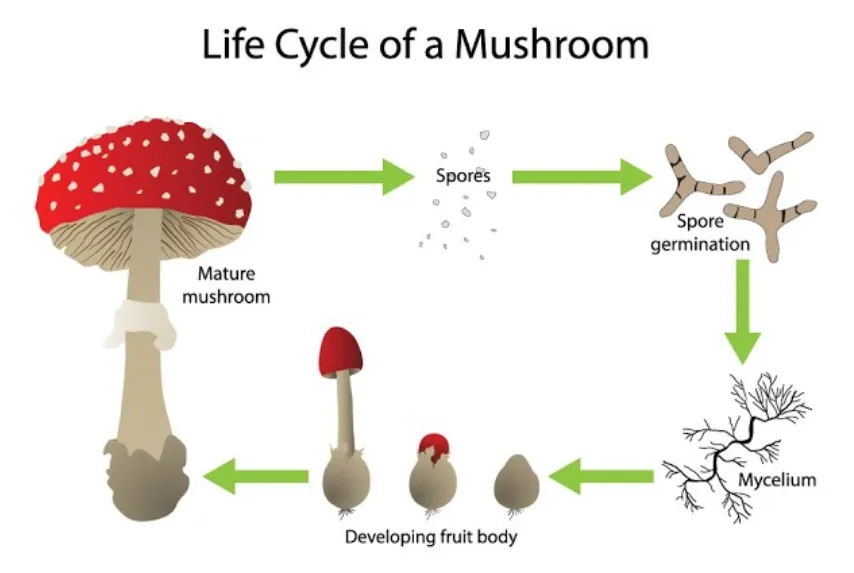
The fungal life cycle typically includes spore germination, hyphal growth, mycelium formation, and reproduction (both sexual and asexual).
2. How do fungi reproduce?
Fungi reproduce through spores, either sexually or asexually, depending on environmental conditions.
3. Why is the fungal life cycle important?
It helps fungi survive, spread, and maintain ecological balance by decomposing organic matter.
Quick Life Cycle Table
| Stage | Description |
| Spore Formation | Fungi produce spores for reproduction and dispersal |
| Spore Germination | Spores grow into hyphae under favorable conditions |
| Hyphal Growth | Thread-like structures expand and absorb nutrients |
| Mycelium Formation | A network of hyphae forms the main body of the fungus |
| Reproduction | Sexual or asexual reproduction produces new spores |
| Dispersal | Spores spread through air, water, or organisms |
The History Of Their Scientific Naming
The scientific naming of fungi has evolved over centuries as scientists gained a better understanding of their unique characteristics.
- Early Classification (18th Century):
- Carl Linnaeus initially classified fungi as plants due to their immobility and structure.
- Recognition as a Separate Kingdom:
- In the 20th Century, fungi were placed in their own kingdom (Kingdom Fungi) because they differ significantly from plants and animals.
- Binomial Nomenclature:
- Fungi are named using a two-part scientific naming system (Genus + Species), such as Aspergillus niger.
- Modern Molecular Classification:
- DNA sequencing has revolutionized fungal taxonomy, grouping species based on genetic similarities rather than appearance.
- Standardization Bodies:
- Organizations like the International Code of Nomenclature ensure consistent naming worldwide.
This evolution reflects the growing understanding of fungi as a distinct and vital group of organisms.
Their Evolution And Their Origin
Fungi are among the oldest living organisms on Earth, with fossil records dating back over 1 billion years. Scientists believe fungi evolved from aquatic, single-celled ancestors similar to modern-day protists.
Initially, fungi lived in water and gradually adapted to terrestrial environments. This transition was crucial for the colonization of land by plants, as fungi formed symbiotic relationships with early plant roots (mycorrhizae). These partnerships helped plants absorb nutrients and water more efficiently.
Over time, fungi diversified into multiple groups, such as:
- Zygomycota (bread molds)
- Ascomycota (yeasts and molds)
- Basidiomycota (mushrooms)
Their ability to decompose organic matter gave them a significant evolutionary advantage. Unlike plants, fungi do not photosynthesize. Instead, they absorb nutrients from their surroundings, enabling them to thrive in dark, nutrient-rich environments.
Fungi also developed unique reproductive strategies, including both sexual and asexual reproduction. This adaptability has enabled them to survive in extreme environments, from the deep ocean to deserts.
Today, fungi are essential to ecosystems and play roles in decomposition, nutrient cycling, and even climate regulation.
Their Main Food and Its Collection Process
Fungi are heterotrophic organisms, meaning they cannot produce their own food. Instead, they obtain nutrients from external sources.
Main Food Sources
- Dead organic matter (saprophytic fungi)
- Living organisms (parasitic fungi)
- Mutualistic relationships (symbiotic fungi)
- Plant roots (mycorrhizal fungi)
Food Collection Process
- Secretion of Enzymes:
- Fungi release digestive enzymes onto their food source.
- External Digestion:
- These enzymes break down complex substances like cellulose and lignin into simpler compounds.
- Absorption:
- Nutrients are absorbed through the hyphae.
- Transport:
- Nutrients move through the mycelium network to support growth.
Key Points
- Fungi act as nature’s recyclers.
- They play a vital role in breaking down dead organisms.
- Some fungi can infect humans, leading to conditions like fungal acne or infections.
This efficient feeding mechanism allows fungi to thrive in diverse environments.
Important Things That You Need To Know
Fungal-related health conditions are increasingly common, underscoring the need to understand them. Here are key insights about fungal infections and related topics:
Fungal Acne
Fungal acne (Malassezia folliculitis) is often mistaken for bacterial acne. It occurs when yeast infects hair follicles, causing itchy, uniform bumps.
Fungal Ear Infection
A fungal ear infection (otomycosis) affects the ear canal and can cause itching, pain, and discharge. It is common in humid environments.
Types of Fungal Infections
There are several types of fungal infections, including:
- Athlete’s foot
- Ringworm
- Candidiasis
- Nail infections
Many people search for images of fungal infections to identify symptoms accurately.
Fungal Acne Treatment
Effective fungal acne treatment includes:
- Antifungal creams
- Medicated shampoos
- Oral antifungal medication (in severe cases)
Understanding these conditions helps in early diagnosis and proper treatment.
Their Life Cycle and Ability to Survive in Nature
Spore Stage
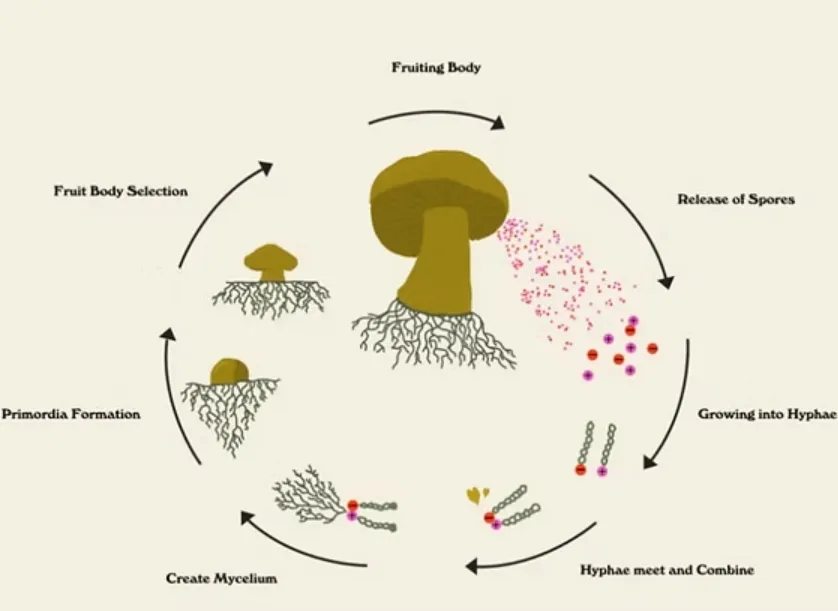
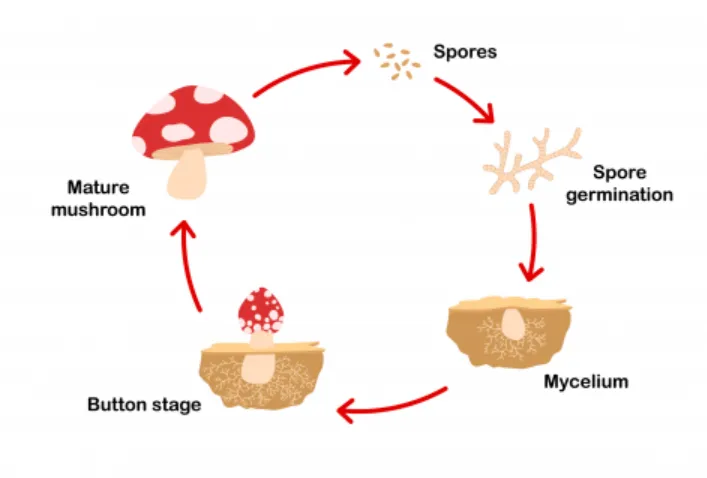
Fungi begin their life cycle as spores. These microscopic units can survive harsh conditions, such as extreme heat or dryness.
Germination
When conditions become favorable, spores germinate and develop into hyphae.
Mycelium Growth
Hyphae grow and form a network called mycelium, which acts as the main body of the fungus.
Reproduction
Fungi reproduce through:
- Asexual spores (rapid growth)
- Sexual spores (genetic diversity)
Survival Mechanisms
- Resistant spores
- Ability to adapt to extreme environments
- Symbiotic relationships
Fungi can survive in almost any environment, making them incredibly resilient organisms.
Their Reproductive Process and Raising Their Children
Fungi do not “raise children” like animals, but they ensure survival through efficient reproduction.
Reproductive Methods
- Asexual Reproduction:
- Through budding, fragmentation, or spore production.
- Sexual Reproduction:
- It involves the fusion of specialized cells, leading to genetic variation.
Steps in Reproduction
- Spore formation
- Dispersal
- Germination
- Growth into new fungi
Key Points
- Spores act as offspring
- Millions of spores can be produced at once
- Environmental conditions determine the reproduction type
This strategy ensures rapid spread and survival across ecosystems.
Importance of Them in this Ecosystem
Decomposition
Fungi break down dead organic matter, recycling nutrients back into the soil.
Symbiotic Relationships
- Mycorrhizae help plants grow
- Lichens support ecosystem stability
Food Source
Fungi serve as food for many organisms, including humans.
Medical Importance
- Production of antibiotics (e.g., penicillin)
- Used in biotechnology
Environmental Balance
Fungi regulate ecosystems by controlling population dynamics and nutrient flow.
Their role is indispensable for maintaining ecological harmony.
What to Do to Protect Them in Nature and Save the System for the Future
- Preserve Natural Habitats
- Avoid deforestation and habitat destruction.
- Reduce Pollution
- Limit chemical use that harms fungal populations.
- Promote Sustainable Agriculture
- Use eco-friendly farming practices.
- Encourage Biodiversity
- Protect ecosystems that support fungal growth.
- Educate Communities
- Raise awareness about the importance of fungi.
- Support Research
- Invest in fungal studies and conservation.
- Avoid Overharvesting
- Protect wild mushrooms and fungal species.
- Maintain Soil Health
- Healthy soil supports fungal networks.
Frequently Asked Questions (FAQs)
1. What is the life cycle of fungal organisms?
It includes spore formation, germination, hyphal growth, mycelium formation, and reproduction.
2. How do fungi spread?
Through spores carried by air, water, or animals.
3. Are all fungi harmful?
No, most fungi are beneficial and essential for ecosystems.
4. What causes fungal acne?
Overgrowth of yeast in hair follicles.
5. How can fungal infections be prevented?
Maintain hygiene and avoid moist environments.
6. What are common fungal infections?
Athlete’s foot, ringworm, and candida.
7. Why are fungi important in nature?
They decompose organic matter and recycle nutrients.
8. Can fungi survive extreme conditions?
Yes, their spores are highly resistant.
Conclusion
The life cycle of fungal organisms is a remarkable example of adaptability and survival. From microscopic spores to complex mycelial networks, fungi play a critical role in sustaining life on Earth.
They contribute to decomposition, support plant growth, and even aid in medical advancements. Despite their importance, fungi are often overlooked and misunderstood, especially when associated with infections.
By understanding their life cycle, reproduction, and ecological significance, we can better appreciate their value. Protecting fungi and their habitats is essential for maintaining environmental balance and ensuring a sustainable future.
Also Read: life cycle of axolotl