Admin
Admin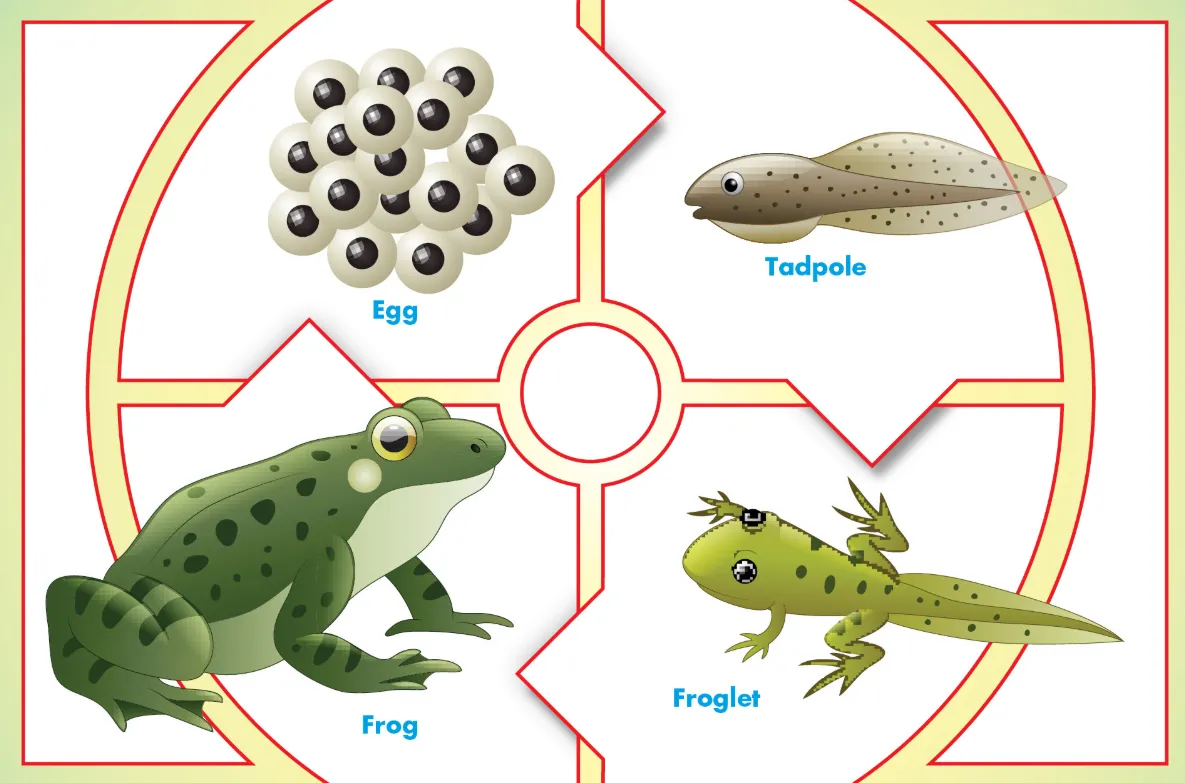
The life cycle of a frog is one of nature’s most fascinating biological transformations. From a tiny egg floating in water to a fully grown amphibian capable of living both on land and in water, frogs undergo a dramatic process called metamorphosis. This transformation is not only visually striking but also scientifically important, helping us understand evolution, adaptation, and ecological balance.
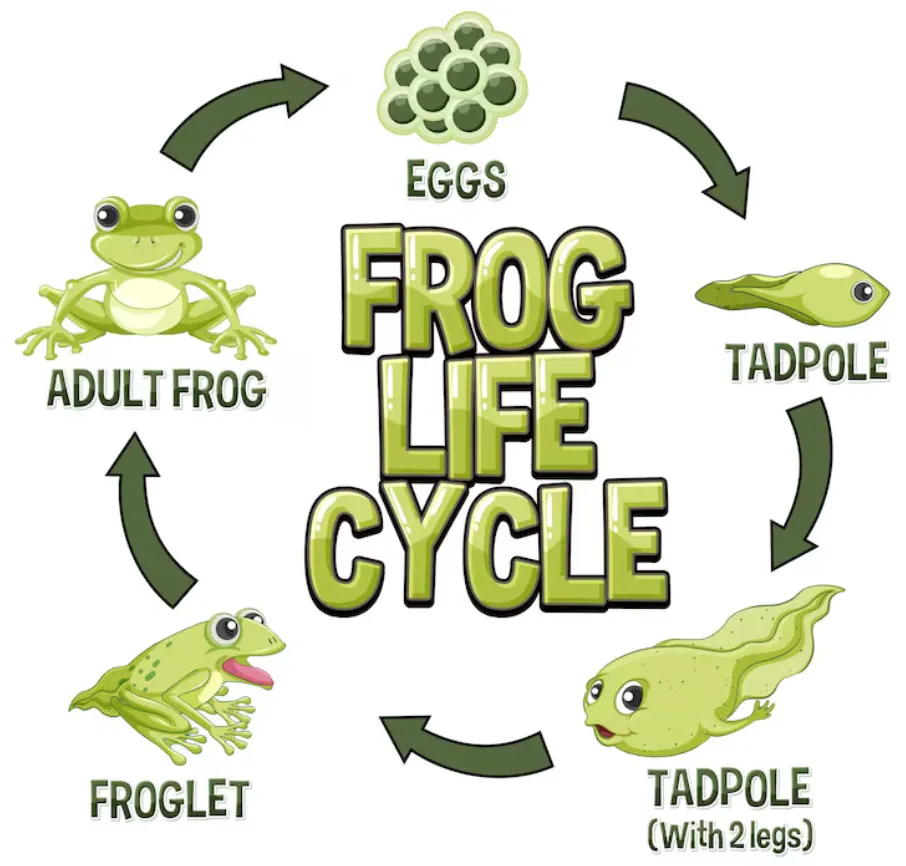
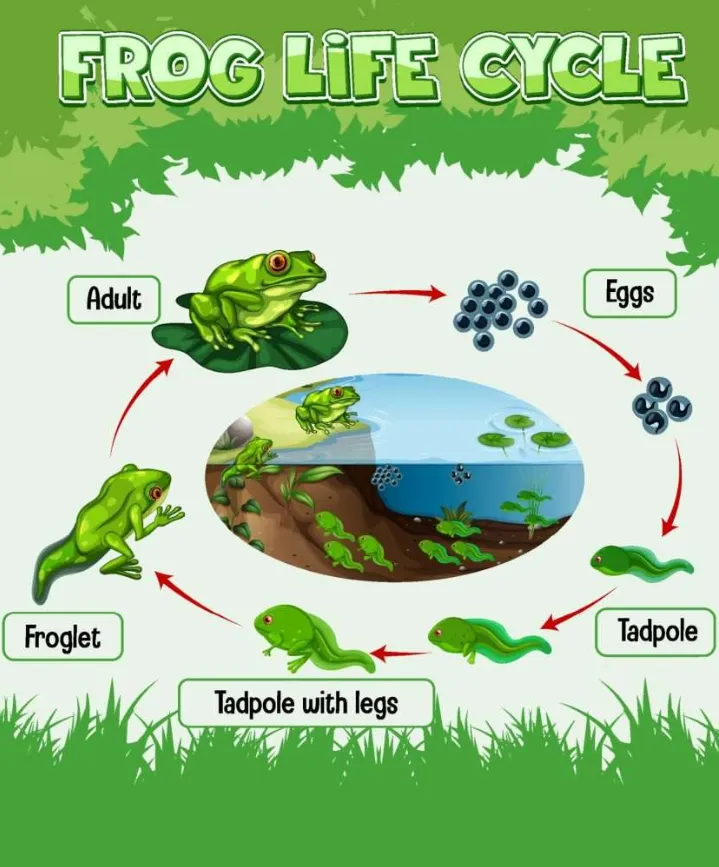
Frogs belong to the amphibian group, meaning they depend on both aquatic and terrestrial environments to survive. Their life cycle includes four major stages: egg, tadpole, froglet, and adult frog. Each stage comes with unique physical changes, survival challenges, and behavioral adaptations.
Understanding the frog life cycle also highlights the importance of wetlands and biodiversity conservation. Frogs are highly sensitive to environmental changes, making them key indicators of ecosystem health.
Quick Answers (Most Common Questions)
1. What are the stages of the frog life cycle?
The frog life cycle includes four stages: egg → tadpole → froglet → adult frog.
2. How long does it take for a frog to grow?
Depending on the species, it can take anywhere from 6 weeks to several months.
3. Where do frogs lay eggs?
Most frogs lay eggs in water or moist environments to ensure proper development.
Quick Life Cycle Table
| Stage | Description | Duration | Key Features |
| Egg | Jelly-like clusters lay in water | 1–3 weeks | No limbs, fragile structure |
| Tadpole | Aquatic larva with tail and gills | 4–8 weeks | Breathes through gills, swims |
| Froglet | Transitional stage with legs developing | 2–4 weeks | Tail shrinking, lungs forming |
| Adult Frog | Fully developed amphibian | Lifelong | Breathes through lungs & skin |
The History Of Their Scientific Naming
The scientific naming of frogs follows the binomial nomenclature system introduced by Carl Linnaeus in the 18th century. This system classifies organisms based on shared characteristics and evolutionary relationships.
- Frogs belong to the order Anura, which means “without tail,” reflecting their adult form.
- The class Amphibia includes frogs, toads, and salamanders, emphasizing their dual-life nature.
- Scientific names like Rana temporaria (common frog) help standardize identification globally.
- Early naturalists categorized frogs based on physical traits like skin texture and habitat.
- Modern taxonomy uses genetic analysis, leading to the reclassification of many frog species.
This scientific naming system ensures accuracy in research and conservation efforts. It also helps scientists understand the evolutionary lineage and ecological roles of different frog species worldwide.
Their Evolution And Their Origin
Frogs have an ancient evolutionary history dating back over 250 million years, making them among the oldest groups of amphibians. Their ancestors appeared during the late Paleozoic era, evolving from early tetrapods—vertebrates that first transitioned from water to land.
The earliest frog-like fossils, such as Triadobatrachus, show a mix of primitive and modern features. Unlike today’s frogs, these early forms still had tails and less specialized limbs. Over millions of years, frogs evolved to lose their tails and develop powerful hind legs for jumping.
Environmental pressures played a major role in shaping their evolution. As climates changed and habitats diversified, frogs adapted to a wide range of ecosystems, from tropical rainforests to arid deserts. Their permeable skin allowed them to absorb water and oxygen, giving them a unique advantage among amphibians.
Evolution also led to incredible diversity. Today, there are over 7,000 species of frogs, each with unique adaptations. For example, some frogs can freeze during winter and thaw back to life, while others have developed toxic skin for defense.
Their evolutionary success lies in their flexibility. Frogs can live in trees, water, underground, and even extreme environments. This adaptability has allowed them to survive multiple mass extinctions and continue thriving in modern ecosystems.
Their main food and its collection process
Frogs are carnivorous animals, and their diet varies depending on their life stage and species. Their feeding behavior is highly efficient and adapted for survival.
Main Food Sources:
- Insects (flies, mosquitoes, beetles)
- Worms and snails
- Small fish and tadpoles
- Spiders and other arthropods
- Occasionally, small mammals (in larger species)
Collection Process:
- Frogs use their sticky tongues to catch prey quickly.
- Their tongues can extend rapidly, capturing prey in milliseconds.
- They rely on excellent vision, especially in detecting movement.
- Many frogs are nocturnal hunters that feed at night.
- Some species use camouflage to ambush prey.
Tadpoles, however, are mostly herbivorous. They feed on algae, plant matter, and microorganisms. As they grow, their diet shifts to a carnivorous one.
This dietary flexibility helps frogs survive in diverse environments and maintain ecological balance by controlling insect populations.
Important Things That You Need To Know
Frogs come in a wide variety, and understanding different types deepens your understanding of their life cycles and behavior.
The frog is a general term covering thousands of species with varying characteristics. Some are aquatic, while others are tree-dwelling or ground-based.
The tree frog is known for its climbing ability. It has sticky pads on its toes, allowing it to live in forests and vegetation. These frogs often have vibrant colors and play important roles in controlling insect populations.
The poison dart frog is one of the most colorful and toxic frogs in the world. Found in Central and South America, its bright colors warn predators of its poisonous skin. Despite their toxicity, they are small in size but incredibly important in scientific research.
The pacman frog is famous for its large mouth and aggressive feeding behavior. It can consume prey almost its own size. These frogs are often kept as pets due to their unique appearance.
When learning about frogs, many people also search for techniques for drawing frogs. Drawing frogs helps understand their anatomy, especially across different life stages.
Interestingly, some species develop unusual body shapes, sometimes humorously referred to as ‘frog butt‘ features, due to their rounded backs and posture.
Their life cycle and ability to survive in nature
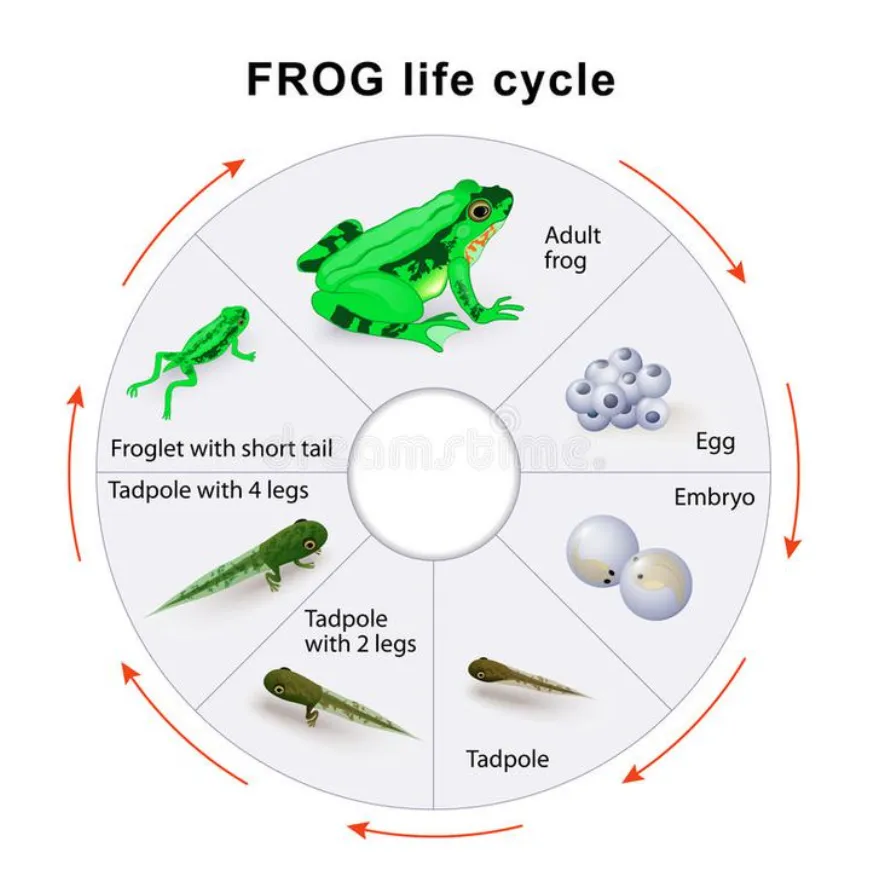
Egg Stage
Frogs lay hundreds or thousands of eggs in water. The jelly-like coating protects them from predators and environmental damage.
Tadpole Stage
Tadpoles hatch with gills and tails, living entirely in water. They feed on algae and grow rapidly.
Froglet Stage
Legs begin to develop, and lungs start forming. The tail gradually shrinks as the frog prepares for life on land.
Adult Stage
Adult frogs can live both in water and on land. They breathe through lungs and skin, allowing them to survive in different environments.
Frogs have remarkable survival abilities:
- Camouflage helps them avoid predators
- Toxic skin in some species deters threats
- Ability to hibernate or aestivate in harsh conditions
- Strong jumping ability for quick escape
These adaptations ensure their survival despite environmental challenges.
Their Reproductive Process and raising their children
Frogs reproduce by external fertilization, a unique trait among many animals.
Reproductive Process:
- Male frogs attract females using vocal calls
- During mating, the male holds the female in a position called amplexus
- The female lays eggs while the male fertilizes them externally
- Eggs are laid in water or moist environments
Raising Their Young:
- Most frogs do not provide parental care
- Some species guard their eggs
- Certain frogs carry eggs on their backs
- Poison dart frogs transport tadpoles to safe water sources
- A few species even feed their young with unfertilized eggs
This diversity in reproductive strategies increases survival chances in different environments.
The importance of them in this Ecosystem
Natural Pest Control
Frogs consume large numbers of insects, helping control pest populations and reduce disease spread.
Food Chain Balance
They serve as both predators and prey, maintaining ecological balance.
Environmental Indicators
Frogs are sensitive to pollution and climate change, making them indicators of environmental health.
Biodiversity Support
They contribute to ecosystem diversity and support other species.
Scientific Research
Frogs are used in medical and biological studies due to their unique physiology.
What to do to protect them in nature and save the system for the future
- Protect wetlands and natural habitats
- Reduce the use of harmful pesticides
- Prevent water pollution
- Support conservation programs
- Avoid capturing wild frogs
- Educate communities about their importance
- Plant native vegetation to support ecosystems
- Reduce carbon footprint to combat climate change
- Support wildlife protection laws
- Encourage sustainable farming practices
Frequently Asked Questions (FAQs)
1. How many eggs does a frog lay?
A frog can lay hundreds to thousands of eggs at once.
2. Do all frogs live in water?
No, some frogs live mostly on land or in trees.
3. What do tadpoles eat?
Tadpoles mainly eat algae and plant material.
4. How do frogs breathe?
Frogs breathe through their lungs and their skin.
5. Are all frogs poisonous?
No, only certain species, like poison dart frogs, are toxic.
6. How long do frogs live?
Frogs can live from 5 to 20 years, depending on the species.
7. Why are frogs important?
They help control insects and indicate environmental health.
8. Can frogs survive in dry areas?
Some species adapt by burrowing or entering dormancy.
Conclusion
The life cycle of a frog is a remarkable journey of transformation, showcasing nature’s adaptability and resilience. From delicate eggs to fully developed amphibians, frogs undergo significant changes that allow them to thrive in diverse environments.
Their role in ecosystems is invaluable. They control insect populations, support food chains, and act as environmental indicators. However, frogs face growing threats from pollution, habitat destruction, and climate change.
Understanding their life cycle helps us appreciate their importance and encourages conservation efforts. Protecting frogs means protecting entire ecosystems and ensuring a balanced, sustainable future.
By taking small steps—like preserving habitats and reducing pollution—we can help safeguard these fascinating creatures for generations to come.
Also Read: life cycle of bed bugs