Admin
Admin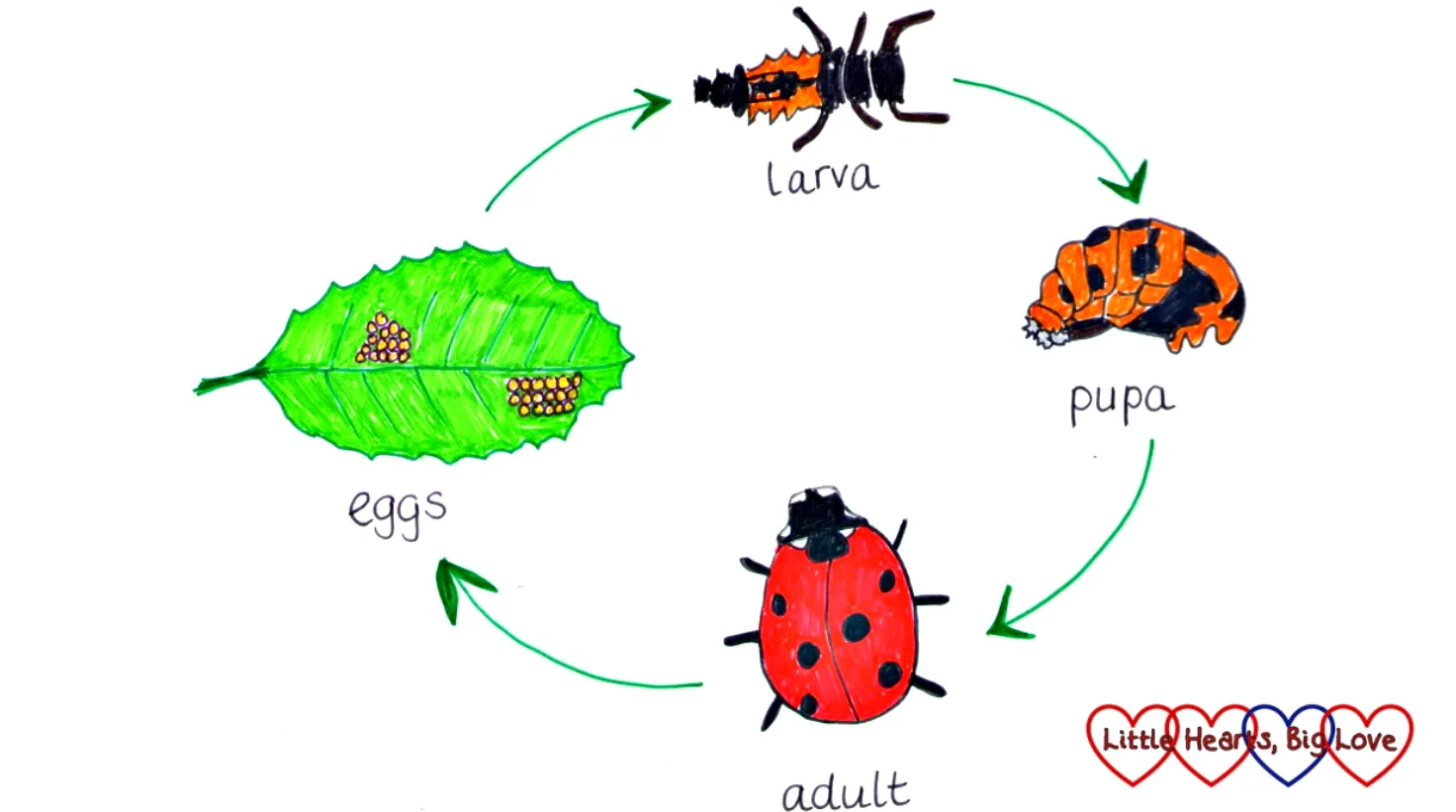
The lady beetle’s life cycle is one of the most fascinating transformations in the insect world. Commonly known as ladybugs, these small, colorful insects play a vital role in agriculture and ecosystems by controlling harmful pests like aphids. Understanding their life cycle not only helps gardeners and farmers but also reveals how nature maintains balance.
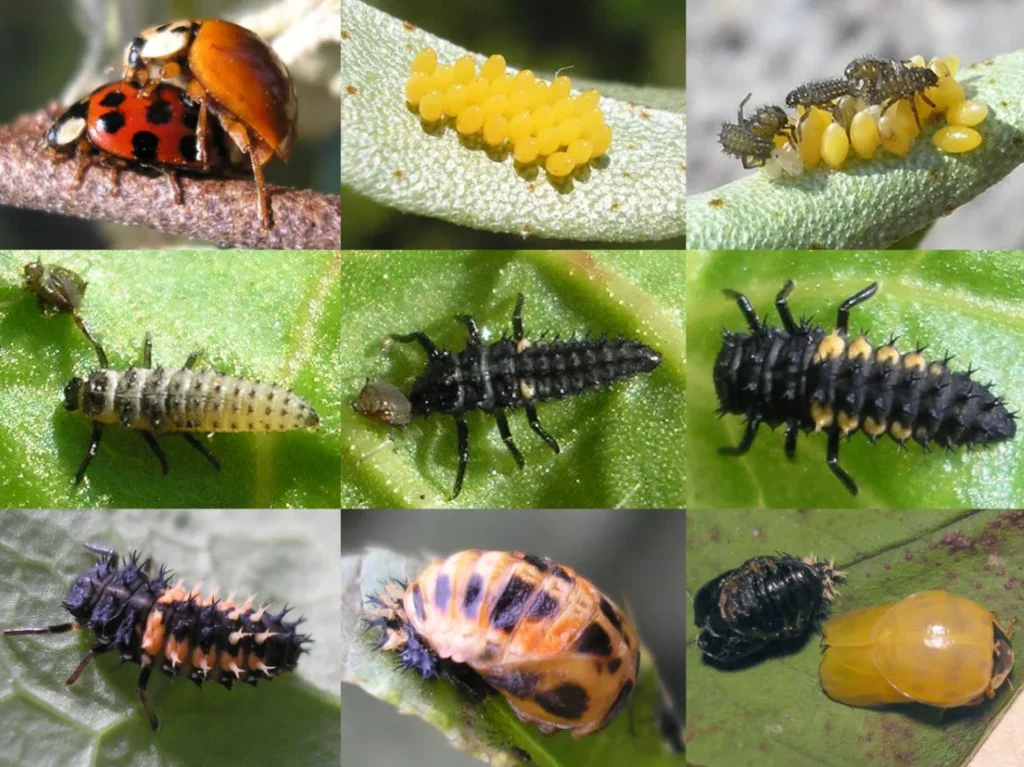
Lady beetles undergo complete metamorphosis, meaning they pass through four distinct stages: egg, larva, pupa, and adult. Each stage has unique characteristics and survival strategies. Interestingly, not all lady beetles are the same—many people often confuse species such as the asian lady beetle vs. the ladybug, which have noticeable behavioral differences.
Quick Answers (Most Common Questions)
1. How long does the lady beetle’s life cycle take?
Typically, the entire life cycle lasts 4 to 8 weeks, depending on temperature and food availability.
2. Do lady beetles bite humans?
Some species, like the asian lady beetle, can bite lightly, but it’s harmless and not dangerous.
3. What do lady beetles eat during their life cycle?
They mainly feed on aphids, mites, and other soft-bodied insects, making them beneficial predators.
Understanding these basics sets the foundation for exploring their life stages, evolution, and ecological importance in greater depth.
Quick Life Cycle Table
| Stage | Duration | Description |
| Egg | 2–5 days | Yellow/orange eggs are laid on leaves near food sources |
| Larva | 2–3 weeks | Active feeding stage; looks like tiny alligators |
| Pupa | 5–7 days | The transformation stage is attached to surfaces |
| Adult | Several months | Reproductive stage: eats pests and spreads the population |
The History Of Their Scientific Naming
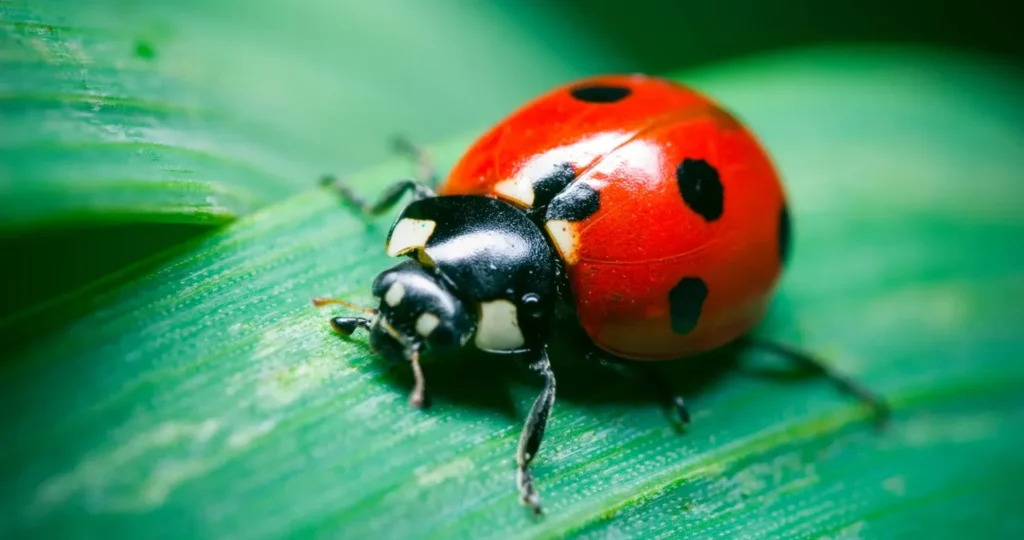
The scientific naming of lady beetles reflects both cultural admiration and biological classification.
- Lady beetles belong to the family Coccinellidae, derived from Latin meaning “scarlet-colored.”
- The name “ladybird” or “ladybug” originates from medieval Europe, referring to the Virgin Mary, as farmers believed these beetles protected crops.
- Carl Linnaeus, the father of taxonomy, contributed to early classification systems that included beetles like these.
- Over time, scientists identified over 6,000 species worldwide, each with unique markings and behaviors.
- Names like Japanese lady beetle and Asian species emerged as global trade spread them beyond their native habitats.
- Despite regional naming differences, all species share similar anatomical traits such as dome-shaped bodies and spotted elytra (wing covers).
Scientific naming helps researchers understand relationships between species and track invasive varieties like the Asian lady beetle.
Their Evolution And Their Origin
Lady beetles have a long evolutionary history dating back millions of years. Fossil records suggest they evolved during the Cretaceous period, around 100 million years ago.
Originally, these beetles adapted to environments rich in plant life and insect populations. Their evolution is closely tied to the availability of prey, such as aphids. As plants diversified, so did the insects that fed on them—and consequently, lady beetles evolved as natural predators.
One key evolutionary advantage is their bright coloration. This is known as aposematic coloration, which warns predators that the animal may taste bad or be toxic. Over time, this defense mechanism reduced predation and increased survival rates.
Another fascinating adaptation is their ability to secrete a yellow fluid from their legs, known as “reflex bleeding,” which deters predators.
Geographically, lady beetles originated in regions of Europe, Asia, and North America. However, human activity—especially agriculture—has spread species worldwide. The introduction of the Asian lady beetle, for example, was intentional to control pests but led to ecological imbalance in some areas.
Today, lady beetles are found on nearly every continent except Antarctica, showcasing their remarkable adaptability and evolutionary success.
Important Things That You Need To Know
Confusion between species is common, especially when discussing the ladybug vs. the Asian lady beetle. Understanding these differences helps identify behaviors, benefits, and potential issues.
The lady beetle family includes both native and invasive species. One of the most talked-about is the asian lady beetle, which differs from traditional ladybugs in several ways.
The debate over the Asian lady beetle vs. the ladybug often centers on behavior. While both are beneficial predators, Asian lady beetles tend to be more aggressive and are known for invading homes during colder months.
Unlike typical ladybugs, the Asian lady beetle can bite when threatened. Though harmless, it can cause mild irritation.
The Japanese lady beetle is another term often used interchangeably with Asian species, especially in regions where they were introduced for pest control.
One major concern is asian lady beetle infestation, particularly in autumn when they seek shelter indoors. This behavior can become a nuisance for homeowners.
Despite these differences, both native and Asian species contribute positively to ecosystems by controlling pests. However, understanding their distinctions helps manage their presence more effectively.
Their Main Food and Its Collection Process
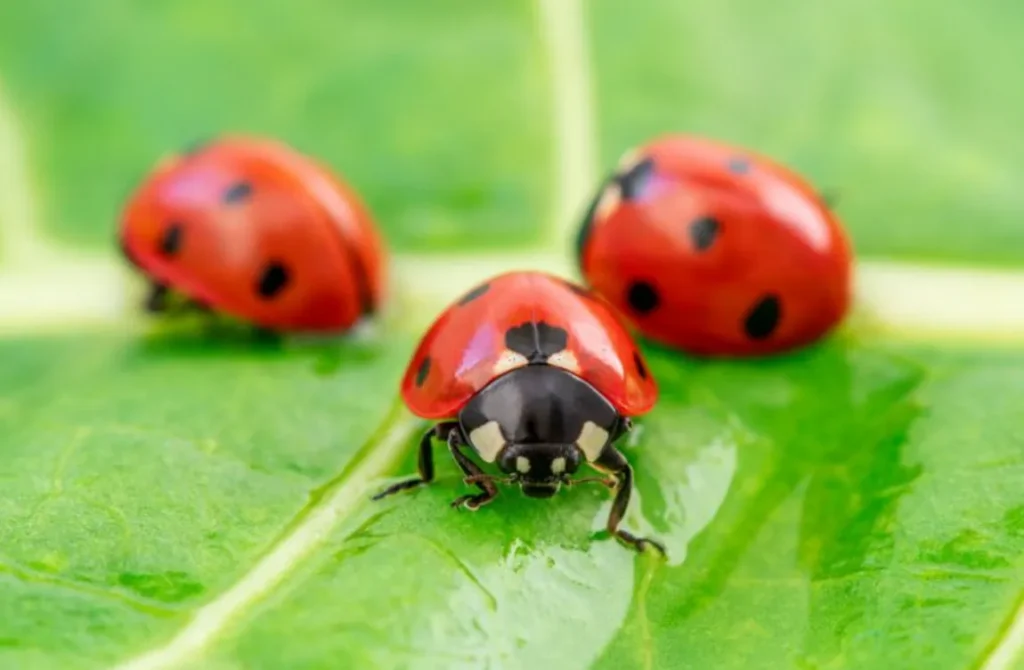
Lady beetles are carnivorous insects that primarily feed on soft-bodied pests. Their diet plays a crucial role in maintaining ecological balance.
- Primary Food Source: Aphids are their favorite prey, often consuming up to 50 per day.
- They also eat mites, whiteflies, scale insects, and insect eggs.
- Both larvae and adults are active predators, ensuring continuous pest control.
Collection Process
- Lady beetles locate prey using chemical signals released by plants under attack.
- Their strong mandibles allow them to grasp and consume prey efficiently.
- Larvae are especially voracious and consume large quantities to support growth.
- Adults may also supplement their diet with pollen and nectar when prey is scarce.
This feeding behavior makes them highly valuable in agriculture, reducing the need for chemical pesticides.
Their Life Cycle and Ability to Survive in Nature
Egg Stage
Female lady beetles lay clusters of eggs on the underside of leaves, usually near aphid colonies. This ensures that larvae have immediate access to food after hatching.
Larval Stage
The larval stage is the most active feeding phase. Larvae resemble tiny alligators and are highly efficient predators. They grow rapidly and molt several times.
Pupal Stage
During this stage, the larva attaches itself to a surface and transforms. Inside the pupa, major changes occur as it develops into an adult.
Adult Stage
Adult lady beetles emerge with soft bodies that harden over time. They begin feeding, mating, and dispersing to new areas.
Survival Strategies
- Bright coloration warns predators.
- The ability to fly helps escape danger.
- Overwintering in groups increases survival during cold seasons.
Their adaptability allows them to thrive in various climates and environments.
Their Reproductive Process and Raising Their Children
Lady beetles reproduce quickly, especially in favorable conditions with abundant food.
- Females can lay hundreds of eggs in their lifetime.
- Eggs are strategically placed near food sources for larval survival.
- Some species lay infertile eggs to serve as food for newly hatched larvae.
Raising Their Young
- There is no parental care after egg-laying.
- Survival depends on food availability and environmental conditions.
- Larvae must fend for themselves immediately after hatching.
- High reproduction rates compensate for natural mortality.
This strategy ensures population sustainability despite environmental challenges.
Importance of Them in this Ecosystem
Natural Pest Control
Lady beetles are essential for controlling agricultural pests, reducing the need for harmful pesticides.
Biodiversity Support
They help maintain ecological balance by regulating insect populations.
Pollination Contribution
While primarily predators, they also assist in pollination when feeding on nectar.
Indicator Species
Their presence indicates a healthy ecosystem with balanced insect populations.
What to do to protect them in nature and save the system for the future
- Avoid Chemical Pesticides: Use natural alternatives to protect beneficial insects.
- Plant Native Vegetation: Provides food and habitat for lady beetles.
- Create Shelter Areas: Leave leaf litter or small habitats for overwintering.
- Encourage Biodiversity: A diverse garden supports their survival.
- Reduce Light Pollution: Helps maintain natural behavior patterns.
- Educate Others: Spread awareness about their ecological importance.
- Provide Water Sources: Small water features help sustain insect life.
- Avoid Killing Them Indoors: Gently relocate instead of exterminating.
Frequently Asked Questions (FAQs)
1. What is the lady beetle’s life cycle?
It includes four stages: egg, larva, pupa, and adult.
2. How long do lady beetles live?
They can live for up to 1 year, depending on conditions.
3. Are lady beetles beneficial?
Yes, they control pests like aphids and protect crops.
4. What is the difference between the ladybug vs asian lady beetle?
Asian species are more aggressive and may invade homes.
5. Do asian lady beetles bite?
Yes, but the bite is harmless and mild.
6. Where do lady beetles lay eggs?
On leaves near food sources, such as aphids.
7. What causes asian lady beetle infestation?
They seek shelter indoors during colder months.
8. Can lady beetles survive winter?
Yes, they hibernate in groups to survive cold temperatures.
Conclusion
The lady beetle life cycle is a remarkable example of nature’s efficiency and balance. From tiny eggs to powerful pest controllers, each stage plays a critical role in their survival and ecological contribution.
These insects are not only beneficial but essential for sustainable agriculture and biodiversity. Understanding differences, like ladybugs vs. Asian lady beetles, helps manage their presence while appreciating their value.
Protecting lady beetles means protecting the environment. By reducing pesticide use and creating supportive habitats, we can ensure their survival for future generations.
Their journey from egg to adult is more than just a biological process—it’s a vital part of the natural world that supports life on Earth.
Also Read About: immortal jellyfish life cycle