Admin
Admin
The bunny life cycle explains how a young rabbit grows from a newborn kit to a fully developed adult. The word “Bunny” is commonly used for young or pet rabbits, but biologically, bunnies are rabbits belonging to the family Leporidae. Domestic rabbits mainly descend from the European rabbit, scientifically known as Oryctolagus cuniculus.
A bunny’s life cycle is fast compared with many mammals. A female rabbit, called a doe, has a short pregnancy of about 31 to 33 days, and baby rabbits are born blind, hairless, and fully dependent on their mother. Their eyes usually open around 10 days, and they begin exploring and eating solid food within the first few weeks.
Rabbits are herbivorous mammals, meaning they eat plant-based foods such as grass, hay, leafy plants, bark, buds, and roots. In the wild, they also play an important role as prey animals, helping support predators such as foxes, hawks, owls, snakes, and wild cats. Their digging and grazing behavior can also influence soil structure and plant communities.
Q: What are baby bunnies called?
A: Baby bunnies are called kits or kittens.
Q: How long is a bunny pregnant?
A: A rabbit pregnancy usually lasts about 31 to 33 days.
Q: When does a bunny become an adult?
A: Many rabbits become sexually mature between 3.5 and 9 months, depending on breed size, while full physical maturity may take longer.
Quick Life Cycle Table
| Stage | Age Range | Main Features |
| Newborn Kit | Birth to 2 weeks | Born blind, hairless, deaf, and fully dependent on her mother |
| Growing Kit | 2 to 6 weeks | Eyes open, fur develops, and the animal begins nibbling hay and solid food |
| Juvenile Bunny | 6 weeks to 4–6 months | Rapid growth, stronger movement, and social learning |
| Adult Rabbit | 4–12 months onward | Reproductive maturity, stable body size, and independent feeding |
The History of Their Scientific Naming, Evolution, and Origin
Scientific Naming of Rabbits
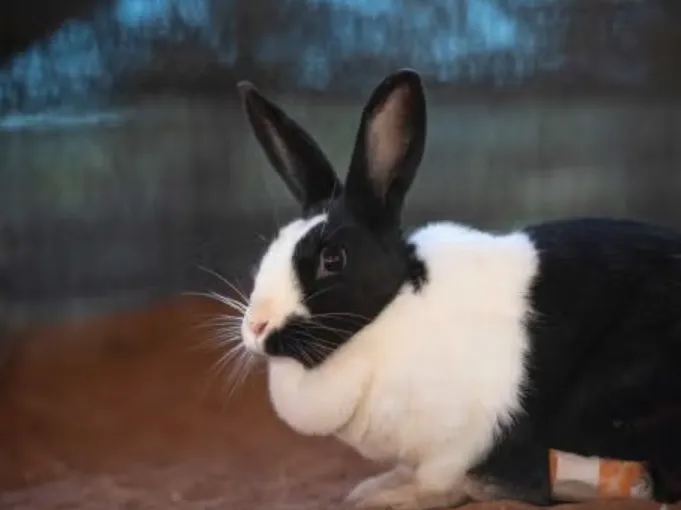
The domestic Bunny is most closely related to the European rabbit, Oryctolagus cuniculus. The genus name Oryctolagus is commonly understood to refer to digging or burrowing behavior, while cuniculus has historical links to the Latin word for rabbits or burrows.
Rabbits belong to the order Lagomorpha, not the order Rodentia. This is important because many people mistakenly call rabbits rodents. Rabbits have distinctive teeth, including an extra pair of small upper incisors behind the front incisors, which separates them from rodents.
Evolution and Family Background
Bunnies are part of the family Leporidae, which includes rabbits and hares. Although rabbits and hares look similar, they are not the same. Rabbits usually give birth to helpless young in nests or burrows, while hares give birth to more developed young with fur and open eyes.
Origin of Domestic Bunnies
Most pet bunnies are descended from the European rabbit. This species originally lived in parts of southwestern Europe and North Africa before being spread widely by humans. Over time, selective breeding created many domestic rabbit breeds with different sizes, coat types, colors, and temperaments.
Their Reproductive Process, Giving Birth And Rising Their Children
Mating and Sexual Maturity
Rabbit reproduction is one of the main reasons the bunny life cycle moves so quickly. Female rabbits are called does, and male rabbits are called bucks. Sexual maturity depends strongly on breed size. Small breeds may mature around 3.5 to 4 months, medium to large breeds around 4 to 4.5 months, and giant breeds around 6 to 9 months.
Unlike many mammals, female rabbits are induced ovulators, meaning ovulation is triggered by mating rather than a fixed monthly cycle. This biological feature allows rabbits to reproduce efficiently when conditions are suitable.
Pregnancy and Birth
After successful mating, pregnancy usually lasts about 31 to 33 days. A pregnant doe prepares a nest using soft materials such as grass, hay, and pulled fur. This nest helps keep the newborn kits warm because they are born without enough fur to control their body temperature.
Newborn kits are tiny, blind, deaf, and helpless. They stay hidden in the nest during the earliest stage of life. This hidden nesting behavior protects them from predators.
Raising the Young
Mother rabbits do not stay with their babies all day, as many other mammals do. Instead, they usually visit the nest briefly to nurse. This behavior helps prevent predators from finding the nest.
As the kits grow, their fur develops, their eyes open, and they begin moving around more confidently. By around 4 to 6 weeks, baby rabbits begin the weaning stage and gradually shift from mother’s milk to hay, grass, pellets, and fresh greens.
Stages of Bunny Life Cycle
Stage 1: Newborn Kit
The first stage of the bunny’s life cycle begins at birth. A newborn bunny is called a kit. At this stage, the kit is blind, hairless, deaf, and completely dependent on the mother.
The newborn kit cannot regulate body temperature properly, so the nest is extremely important. The mother usually lines the nest with fur and plant material to keep the babies warm and protected.
During this stage, kits mainly drink their mother’s milk. They grow quickly because rabbit milk is rich and highly concentrated.
Stage 2: Growing Kit
The second stage begins when the kit starts developing fur and opening its eyes. Baby rabbits usually open their eyes at about 10 days of age. They also become more responsive to sound and movement.
At around two to three weeks, kits may begin leaving the nest for short periods. They start nibbling hay, grass, and small amounts of solid food while still depending on milk.
This stage is important for digestive development. Young rabbits gradually build the gut bacteria they need to digest fibrous plant material.
Stage 3: Juvenile Bunny
The juvenile stage is when the Bunny becomes more active, curious, and independent. It can hop, explore, groom itself, and interact with other rabbits.
A juvenile bunny grows rapidly and needs a safe environment, proper food, and protection from predators or stress. In domestic care, this is also the stage when socialization matters most.
Juvenile rabbits should not be fed too many sugary treats. Their digestive system is still developing, so hay and appropriate greens are much healthier than fruit-heavy diets.
Stage 4: Adult Rabbit
The adult stage begins when the rabbit reaches reproductive and physical maturity. Depending on breed, this may occur from a few months to around one year.
Adult rabbits have strong hind legs, sharp senses, continuously growing teeth, and a digestive system designed for high-fiber food. They spend a large part of their day eating, chewing, grooming, resting, and staying alert.
In pet care, adult bunnies need unlimited hay, clean water, safe housing, exercise space, social interaction, and regular veterinary care. In the wild, adult rabbits must constantly balance feeding with predator avoidance.
Important Things That You Need To Know
The keyword bunny life cycle is about the real biological growth of rabbits, but several LSI keywords connected with the word “bunny” have different meanings. Understanding these terms helps avoid confusion and keeps the article accurate.
Psycho Bunny is not an animal topic. It is a fashion and lifestyle brand name, so it should not be mixed with rabbit biology except when explaining search intent.
Bad Bunny concerts and Bad Bunny tickets are also unrelated to rabbits. Bad Bunny is the stage name of a famous musician, and those keywords belong to entertainment searches, not to animal life-cycle content.
Sea bunny is another confusing term. A sea bunny is not a rabbit. It is a type of small sea slug, often called a sea bunny because of its cute appearance and ear-like structures.
Bugs Bunny and Lola Bunny are fictional cartoon characters. They helped make rabbits popular in global culture, but real bunnies do not live like cartoon rabbits. For example, real rabbits should not eat large amounts of carrots as their main diet.
When writing about the bunny life cycle, focus on real rabbits: their growth stages, diet, reproduction, lifespan, and ecological role. The other “bunny” terms can be mentioned only to clarify meaning and improve user understanding.
Their main diet, food sources, and collection process are explained
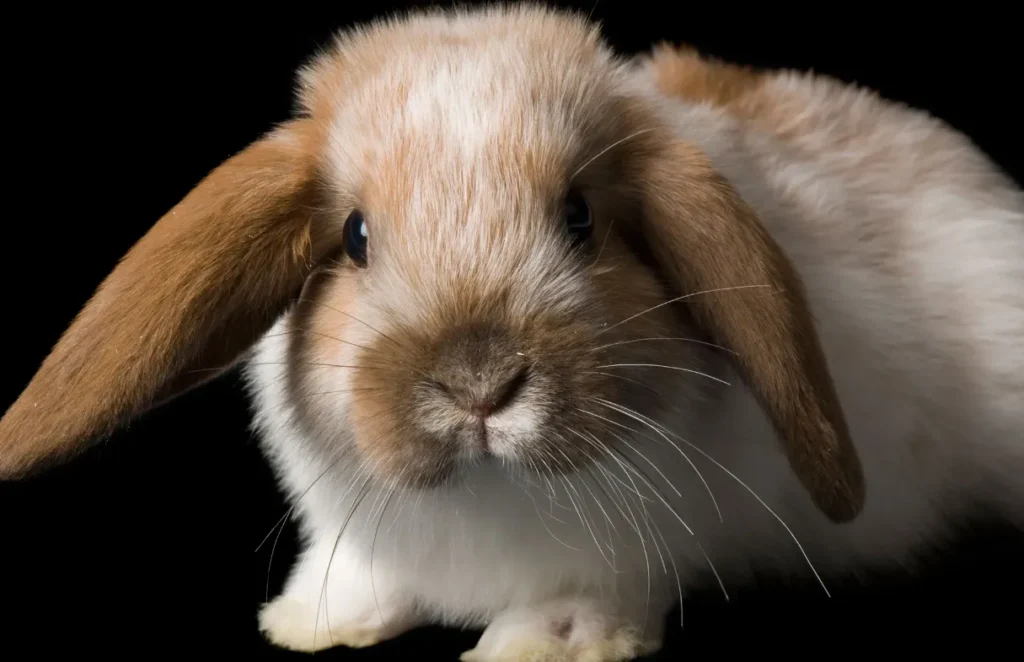
Bunnies are herbivores, so their diet comes from plant material. Their digestive system is specifically adapted to digest fibrous foods.
In the wild, rabbits mostly graze on grass, herbs, leaves, buds, roots, bark, and other available vegetation. They may spend many hours feeding because grass and plant fiber take time to chew and digest.
For pet bunnies, the most important food is fresh hay or grass. Adult rabbits need constant access to hay because it supports digestion and helps wear down their continuously growing teeth.
Key food sources include:
- Grass and hay: The main food source for healthy digestion.
- Leafy greens: Safe greens can add nutrients and moisture.
- Pellets: Useful in small controlled amounts, especially for domestic rabbits.
- Fresh water: Must always be available.
- Treats: Fruits and carrots should be limited because they contain sugar.
Wild rabbits collect food by grazing close to cover. They often feed during dawn, dusk, or safer low-light periods. This helps reduce the risk of predator attack.
Pet rabbits do not need to “collect” food, but they still benefit from natural foraging activities. Hiding hay in safe feeding areas or using enrichment toys can encourage natural behavior.
How Long Does A Bunny Live
A bunny’s lifespan depends on whether it is wild or domestic, indoor or outdoor, and whether it is healthy or poorly cared for. Genetics, diet, safety, disease prevention, stress, and veterinary care all influence how long a rabbit lives.
- Wild rabbits often live shorter lives because they face predators, disease, harsh weather, food shortages, and injury.
- Many wild rabbits die in their first year, especially because young kits and juveniles are vulnerable to predators and environmental stress.
- Indoor domestic rabbits can live much longer than wild rabbits when they receive proper care. Many pet rabbits live around 8 to 12 years with good housing, diet, companionship, and veterinary support.
- Outdoor domestic rabbits usually face more risks than indoor rabbits. Temperature changes, predators, parasites, and poor diet can reduce lifespan.
- Diet is one of the biggest lifespan factors. A bunny that eats mostly hay, safe greens, and controlled pellets has a better chance of avoiding dental and digestive problems.
- Dental health matters deeply. Rabbit teeth grow continuously, so they need fibrous food to keep their teeth naturally worn down.
- Stress can shorten life. Rabbits are prey animals, so loud noise, unsafe handling, isolation, and fear can affect their health.
- Companionship improves welfare. Rabbits are social animals and often do better with proper bonding and social interaction.
- Veterinary care is essential. Vaccination, parasite checks, spaying or neutering, and early treatment of illness can improve survival.
- Breed size may influence lifespan. Smaller breeds often live longer than some giant breeds, though quality of care remains the most important factor.
Bunny Lifespan in the Wild vs. in Captivity
Lifespan in the Wild
Wild bunnies usually have a much shorter life than pet rabbits. Although some wild rabbits may live for several years under ideal conditions, many live only 1 to 2 years due to predators, disease, injuries, and environmental pressures.
Wild rabbits are part of the food chain, so their survival is naturally risky. Foxes, birds of prey, snakes, wild cats, and other predators depend on rabbits as a food source.
Lifespan in Captivity
In captivity, especially as indoor pets, rabbits can live much longer. A well-cared-for domestic bunny may live 8 to 12 years. This longer lifespan depends on proper diet, clean housing, exercise, social contact, and veterinary care.
Why Captive Bunnies Live Longer
Captive bunnies are protected from predators and extreme weather. They also receive regular food, clean water, medical care, and safer living conditions. However, poor captivity can still be harmful. A small cage, an improper diet, loneliness, and a lack of exercise can reduce quality of life.
Importance of Bunny Life Cycle in this Ecosystem
Food Chain Balance
Rabbits are important prey animals. Many predators depend on them for food, including foxes, owls, hawks, eagles, snakes, and wild cats. Without rabbits, some predator populations may struggle.
Vegetation Control
Wild rabbits graze on grasses, herbs, shoots, and leaves. This feeding behavior can influence plant growth. In balanced numbers, grazing can help maintain open habitats and support plant diversity.
Soil Movement and Burrowing
Some rabbits dig burrows and create underground shelters. These burrows can affect soil structure, drainage, and microhabitats for other small organisms.
Nutrient Cycling
Rabbit droppings return nutrients to the soil. This helps support plant growth and contributes to the natural nutrient cycle.
Ecological Warning Sign
A sudden decline in rabbit populations may signal habitat loss, disease, pollution, imbalances in predator populations, or climate stress. In this way, rabbits can act as useful indicators of ecosystem health.
What to do to protect them in nature and save the system for the future
Protect Natural Habitats
- Preserve grasslands, hedgerows, meadows, and safe nesting areas.
- Avoid unnecessary destruction of burrows and natural shelters.
- Support habitat corridors to allow wildlife to move safely.
Reduce Chemical Pollution
- Limit pesticide and herbicide use near rabbit habitats.
- Avoid poisoning plants, grasses, or water sources.
- Promote organic and wildlife-friendly land management.
Control Domestic Pet Release
- Never release pet rabbits into the wild.
- Domestic rabbits are not prepared to survive outdoors and may suffer from predators, hunger, and disease.
- Rehome unwanted pet rabbits through shelters or rescue groups.
Support Responsible Pet Care
- Feed pet bunnies a proper high-fiber diet.
- Provide clean housing, exercise, companionship, and veterinary care.
- Spay or neuter pet rabbits to prevent unwanted breeding.
Maintain Ecosystem Balance
- Protect predators as well as prey.
- Avoid disturbing natural food chains.
- Educate people that rabbits are not just cute pets; they are part of a larger ecological system.
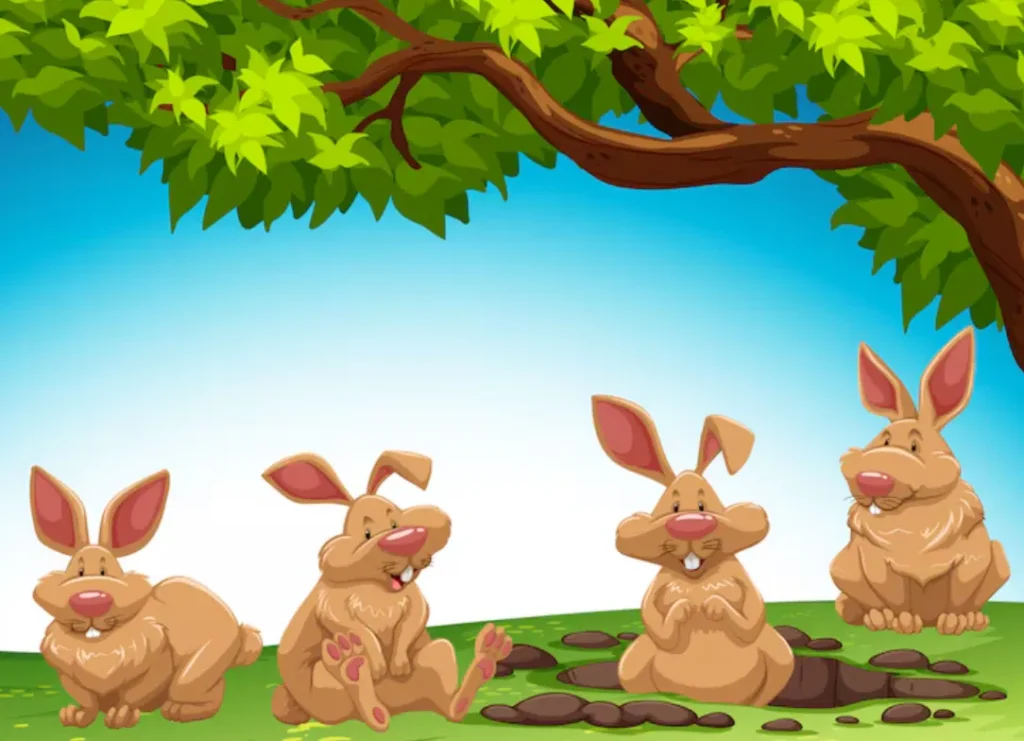
Fun & Interesting Facts About Bunny Life Cycle
- Baby bunnies are called kits, not puppies or cubs.
- Newborn kits are usually blind, hairless, and helpless at birth.
- A bunny’s eyes usually open around 10 days after birth.
- Rabbits are not rodents; they are lagomorphs.
- Rabbit teeth grow continuously throughout life.
- A rabbit’s main food should be hay or grass, not carrots.
- Bunnies can communicate through body language, thumping, ear positions, and gentle sounds.
- Rabbits are prey animals, so they are naturally alert and cautious.
- A happy rabbit may jump and twist in the air, a behavior often called a binky.
- Domestic rabbits can live over 10 years with excellent care.
- Wild rabbits usually live shorter lives because of predators and environmental risks.
- Rabbits can produce several litters per year, which is why their reproductive rate is well-known.
Frequently Asked Questions FAQs
Q: What is the bunny life cycle?
A: The bunny life cycle is the growth process of a rabbit from newborn kit to growing kit, juvenile Bunny, and adult rabbit.
Q: How long does it take for a bunny to grow up?
A: Many rabbits reach reproductive maturity within a few months, but full adult development depends on breed size and care conditions.
Q: What do baby bunnies eat?
A: Newborn kits drink their mother’s milk. As they grow, they gradually begin eating hay, grass, pellets, and safe greens.
Q: How many babies can a rabbit have?
A: Litter size varies, but rabbits commonly produce multiple kits per litter. Some litters may be small, while others may include several kits.
Q: Is a bunny the same as a rabbit?
A: Yes, in common language, Bunny usually means a young rabbit or a cute pet rabbit. Scientifically, the correct name for the animal is rabbit.
Conclusion
The bunny life cycle is a fast and fascinating journey from a helpless newborn kit to an active juvenile and finally a mature adult rabbit. Each stage has a clear purpose: birth and protection, early growth, independence, and reproduction. Understanding this life cycle helps us care for pet bunnies better and respect wild rabbits as important members of the ecosystem.
A healthy bunny needs the right food, safe shelter, clean water, social interaction, and protection from stress. In nature, rabbits support predators, influence vegetation, move nutrients through the soil, and help maintain ecological balance.
Whether someone searches for Bunny, Bugs Bunny, Lola Bunny, or even sea Bunny, it is important to know that the real bunny life cycle belongs to rabbits. By learning how bunnies live, grow, eat, reproduce, and survive, we can protect them and the natural systems they depend on.
Also Read: bagworm life cycle