Admin
Admin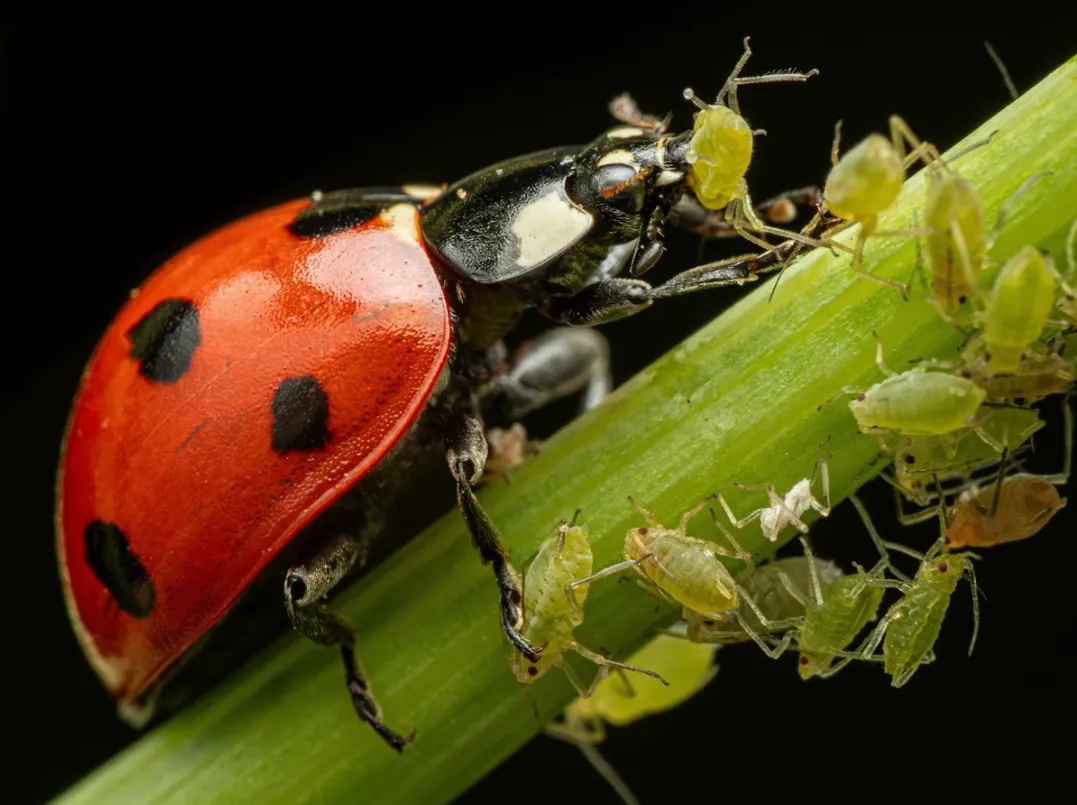
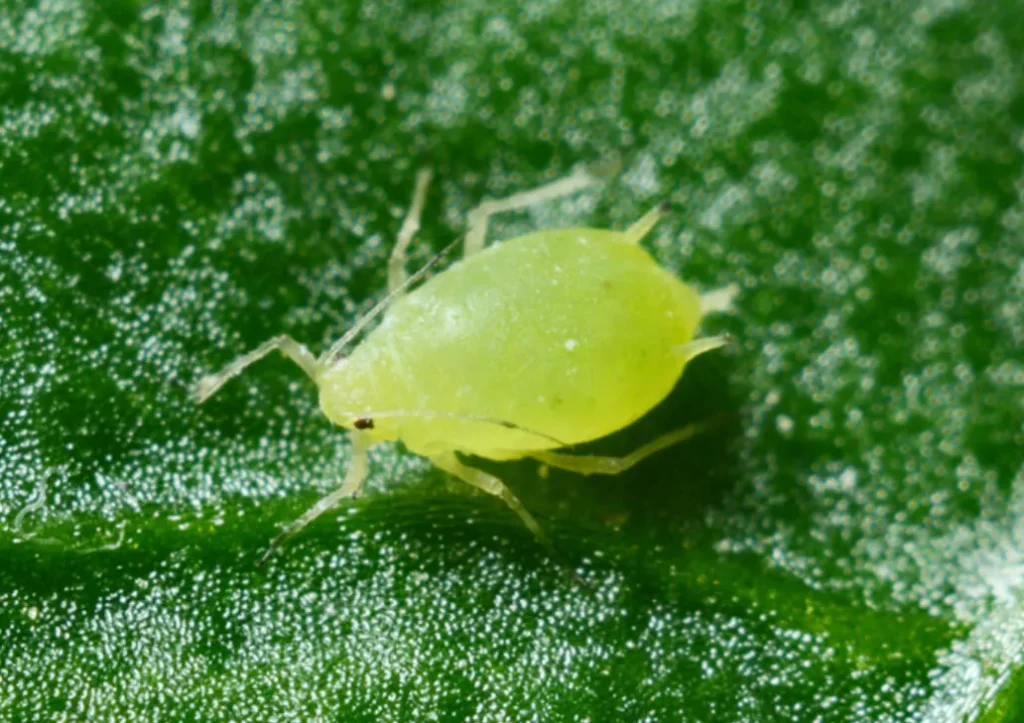
The aphid’s life cycle is one of the most interesting and fastest reproductive cycles in the insect world. Aphids are small, soft-bodied, sap-sucking insects that belong mainly to the family Aphididae. They are commonly found on tender plant shoots, leaf undersides, flower buds, stems, and new growth.
Most aphids are only a few millimeters long, but their impact on plants can be large. They feed by inserting needle-like mouthparts into plant tissue and sucking out nutrient-rich sap. This feeding can cause curled leaves, yellowing, stunted growth, sticky honeydew, and sometimes black sooty mold.
Aphids are famous for rapid population growth. In warm conditions, many species reproduce without mating, and females can give birth to live young. This is why a few aphids on plants can quickly become a large colony. Current gardening guidance from the RHS explains that, for much of the year, aphid colonies often contain wingless females giving birth to live young, while winged forms appear when plants become crowded or food quality declines.
Quick Answers: Most Common Questions
Q: What are aphids?
A: Aphids are tiny sap-sucking insects that feed on plant juices. They can be green, black, white, yellow, brown, pink, or woolly-looking, depending on the species.
Q: How fast is the aphid’s life cycle?
A: In warm weather, aphids can complete development very quickly, sometimes producing multiple generations in a single growing season. Their populations can increase rapidly if natural predators are low.
Q: How to get rid of aphids naturally?
A: Use a strong water spray, remove badly infested shoots, encourage ladybirds and lacewings, avoid over-fertilizing with nitrogen, and use insecticidal soap only when needed.
Quick Life Cycle Table
| Stage | What Happens | Key Details |
| Egg | Aphids may overwinter as eggs | Common in temperate climates; eggs hatch in spring |
| Nymph | Young aphids look like small adults | They molt several times and feed on plant sap |
| Adult Wingless Female | Rapid colony growth begins | Many females give birth to live young without mating |
| Winged Adult | Aphids spread to new plants | Winged forms appear during overcrowding, poor food, or seasonal change |
The History of Their Scientific Naming, Evolution, and Origin
Scientific Naming of Aphids
The word aphid comes from the scientific classification of small sap-feeding insects in the superfamily Aphidoidea. Many commonly known aphids belong to the family Aphididae. They are also called plant lice, greenfly, blackfly, or sometimes whitefly-like aphids, although true whiteflies are a different insect group.
Evolutionary Background
Aphids are part of the order Hemiptera, also known as true bugs. This group includes insects with piercing-sucking mouthparts. Their evolutionary success stems from their ability to feed directly on plant phloem sap and reproduce extremely quickly.
Origin and Plant Relationship
Aphids evolved close relationships with plants. Many species specialize in particular host plants, while others move between different seasonal hosts. Some aphids feed on roses, beans, cabbage, fruit trees, cereals, ornamentals, or greenhouse crops.
Why Aphids Became So Successful
Their success depends on three major traits: fast reproduction, flexible life cycles, and the ability to produce winged forms when conditions become stressful. Scientific reviews describe aphids as insects with complex seasonal reproduction, including overwintering eggs and rapid female-only generations during favorable seasons.
Their Reproductive Process, Giving Birth And Rising Their Children
Asexual Reproduction in Aphids
One of the most unusual parts of the aphid’s life cycle is that many species reproduce without males for much of the growing season. This process is called parthenogenesis. Female aphids can produce genetically similar daughters without mating.
This allows colonies to grow very quickly. In spring and summer, many aphids give birth to live nymphs instead of laying eggs.
Live Birth in Aphids
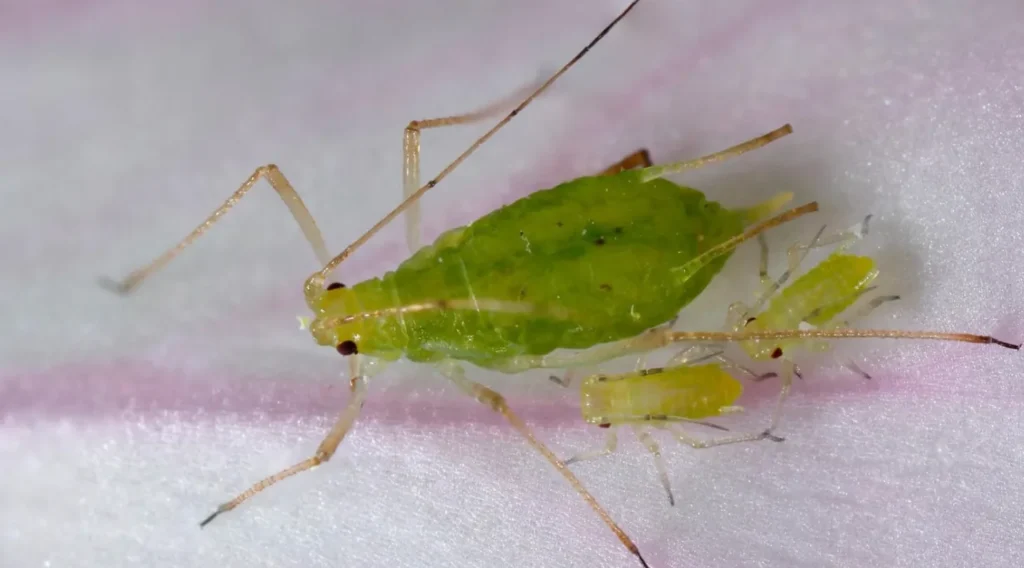
Unlike many insects that lay eggs every generation, many aphid females produce live young during warm months. These young aphids are called nymphs. They immediately begin feeding on plant sap.
The RHS notes that aphid colonies commonly consist of wingless females giving birth to live young for much of the year.
Seasonal Sexual Reproduction
In cooler climates, sexual reproduction usually happens in autumn. Male and female aphids mate, and females lay overwintering eggs. These eggs survive cold conditions and hatch when temperatures rise.
No Parental Care
Aphids do not raise their young like mammals or birds. The “children” are born ready to feed. Their survival depends on plant quality, weather, colony density, and protection from predators such as ladybirds, lacewings, hoverfly larvae, and parasitic wasps.
Stages of Aphids Life Cycle
1. Egg Stage
The egg stage is most common in temperate regions where winter temperatures are low. Aphid eggs are usually laid on stems, bark, buds, or host plant surfaces. These eggs protect the next generation during winter.
When spring arrives, the eggs hatch into female nymphs. These early females often start the first colonies of the season. In many species, this spring generation begins feeding on new plant growth.
2. Nymph Stage
Aphid nymphs look like smaller versions of adult aphids. They do not have a pupal stage like butterflies or beetles. Instead, they grow by molting.
According to UC IPM, aphids develop through three main life stages: egg, nymph, and adult. After hatching, nymphs pass through several instars before becoming adults, with no pupal stage.
3. Wingless Adult Stage
The wingless adult female is the main stage in colony building. These adults usually stay on the host plant and keep producing live young. If the plant is nutritious and predators are low, the colony can expand quickly.
This is the stage gardeners often notice on leaf undersides, rosebuds, bean shoots, or young vegetable growth.
4. Winged Adult Stage
When the colony becomes crowded, the plant becomes weak, or the season changes, aphids may produce winged adults. These winged aphids fly or drift to new plants.
Winged forms help aphids colonize new food sources. This is why aphids can suddenly appear on nearby plants even after one plant is treated.
Their main diet, food sources, and collection process are explained
Main Diet of Aphids
Aphids’ main diet is plant sap, especially phloem sap. This sap contains sugars and nutrients, but it is not perfectly balanced for aphid needs. To get enough nitrogen and amino acids, aphids must process a large amount of sugary liquid.
Common Food Sources
Aphids feed on many types of plants, including:
- Vegetables such as beans, cabbage, lettuce, cucumber, pepper, and tomato
- Fruit trees such as apple, peach, plum, and citrus
- Ornamental plants such as roses, hibiscus, chrysanthemums, and indoor plants
- Field crops such as wheat, barley, potatoes, and legumes
- Trees and shrubs where species-specific aphids may form seasonal colonies
How Aphids Collect Food
Aphids use sharp, straw-like mouthparts called stylets. These stylets pierce plant tissue and reach the plant’s sap-conducting tissues. Once connected, they suck sap continuously.
Because plant sap contains a lot of sugar, aphids excrete extra sugar as honeydew. This sticky liquid can coat leaves, stems, cars, patios, and garden furniture. Honeydew can also encourage sooty mold, a black fungal growth that reduces plant appearance and photosynthesis.
Ants and Aphid Feeding
Ants often collect aphid honeydew. In return, ants may protect aphids from predators. This relationship can make aphid control harder because ants defend the colony.
Important Things That You Need To Know
Understanding the related search terms helps readers identify aphids correctly and manage them safely.
Aphids are not one single insect species. They are a large group of sap-feeding insects with many colors, shapes, and host preferences. Some are green and nearly transparent, while others are black, brown, yellow, pink, or white.
Woolly aphids look like tiny cottony insects because they produce waxy white filaments. They are often found on apple trees, ornamentals, and woody stems. The woolly covering can make them look like mold, fungus, or mealybugs.
Many people search for ways to get rid of aphids because aphid colonies can grow quickly. Natural control usually starts with water spraying, pruning, predator protection, and avoiding heavy nitrogen fertilizer. Chemical pesticides should be the last resort because they may also kill beneficial insects.
When people notice aphids on plants, they often see curled leaves, sticky honeydew, distorted shoots, or clusters under leaves. The earlier aphids are found, the easier they are to manage.
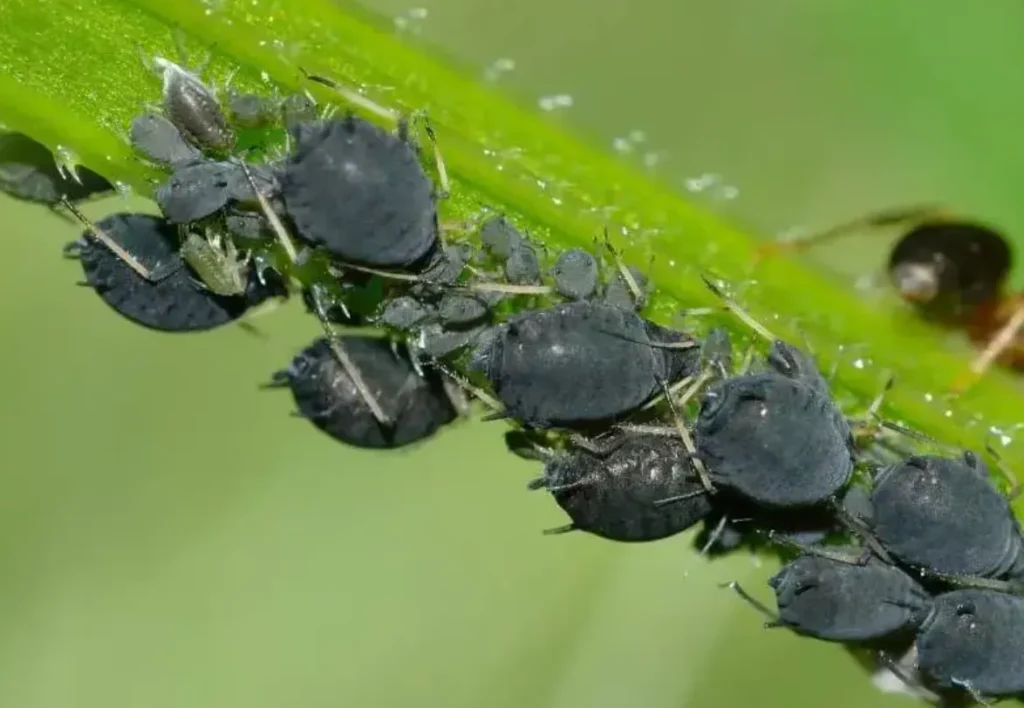
Black aphids, white aphids, and woolly aphids may look different, but most feed in a similar way: they pierce plant tissue and suck sap. To identify them, check body shape, host plant, waxy coating, and whether they are clustered on new growth.
How Long Does an Aphid’s Life Cycle Last
The lifespan of an aphid depends on species, temperature, host plant quality, season, and natural enemies. There is no single lifespan for all aphids, but many live for several weeks under favorable conditions.
- Typical adult lifespan: Many aphid adults live for around a few weeks, although this varies by species and environment.
- Rapid development: In warm conditions, nymphs may mature quickly and begin reproducing soon after becoming adults.
- Multiple generations: Aphids can produce many generations in one growing season. This is why a small colony can become a serious infestation.
- Short life, high reproduction: An individual aphid may not live long, but the colony survives through constant reproduction.
- Weather impact: Warm, mild weather often supports faster reproduction, while heavy rain, strong heat, frost, and drought can reduce survival.
- Plant quality matters: Tender, nitrogen-rich new growth often supports better aphid development than tough or stressed leaves.
- Predators reduce lifespan: Ladybirds, lacewings, hoverfly larvae, parasitic wasps, birds, and spiders all attack aphids.
- Indoor plants may support longer activity: On indoor plants or greenhouse crops, aphids may continue reproducing when outdoor aphids would normally slow down.
- Overwintering eggs survive longer: In cold climates, aphid eggs may survive through winter and hatch in spring.
- Woolly aphids may persist in protected cracks: Some species survive in bark cracks, root areas, or protected plant tissue.
Aphid populations can “explode” because reproduction is fast and overlapping. The University of Minnesota Extension advises checking plants regularly because aphid populations can increase quickly during the growing season.
Aphids Life Cycle Lifespan in the Wild vs. in Captivity
Aphids Lifespan in the Wild
In the wild, aphids face many natural pressures. Rain can knock them from plants. Heat can dry them out. Predators and parasitoids attack them daily. Because of these risks, many wild aphids die young.
However, wild aphids also benefit from large plant diversity. If one plant becomes crowded or unhealthy, winged aphids can move to another host. This makes the wild environment risky for individuals but useful for the survival of the species.
Aphids Lifespan in Captivity
In captivity, such as laboratories, greenhouses, or indoor plant collections, aphids may live under more stable conditions. Temperature, humidity, and food supply may be more consistent.
This can help aphids reproduce continuously. Indoor aphids may not need to follow the same seasonal cycle as outdoor aphids, especially if host plants remain green and warm all year.
Key Difference
In the wild, aphids are strongly controlled by weather and predators. In captivity or indoor conditions, fewer predators and stable plant growth can allow aphid colonies to last longer unless controlled.
Importance of Aphids Life Cycle in this Ecosystem
Food Source for Beneficial Insects
Aphids are important food for many beneficial organisms. Ladybirds, lacewing larvae, hoverfly larvae, parasitic wasps, spiders, and small birds feed on aphids. Without aphids, many predator populations would have less food.
Role in Food Web Balance
Although aphids are pests on crops and garden plants, they are part of natural food webs. They transfer energy from plants to insects, which then transfer it to birds and other predators.
Indicator of Plant Health
Aphid infestations can indicate tender, stressed, or over-fertilized plants. Heavy aphid activity may reveal that a plant is producing lush new growth or experiencing environmental stress.
Interaction with Ants and Microbes
Aphids produce honeydew, which supports ants and sooty mold fungi. While this can be harmful for plants, it also shows how aphids influence multiple organisms in the ecosystem.
Natural Pest Control Systems
Aphids help support predator populations that also control other pests. This is why balanced gardens often tolerate a small aphid population instead of trying to remove every insect.
What to do to protect them in nature and save the system for the future
1. Avoid Total Pesticide Dependence
- Do not spray broad-spectrum pesticides whenever you see a few aphids.
- These chemicals can kill ladybirds, bees, lacewings, and parasitoid wasps.
- A small aphid population can support natural predators.
2. Grow Diverse Plants
- Plant a mix of flowers, herbs, shrubs, and native plants.
- Diversity supports predators and reduces pest outbreaks.
- Flowering plants attract hoverflies and parasitic wasps.
3. Protect Natural Predators
- Avoid killing ladybirds, lacewing larvae, and hoverfly larvae.
- These insects naturally reduce aphid numbers.
- Leave some natural habitat around gardens.
4. Use Gentle Control Methods First
- Spray aphids off with water.
- Remove badly infested shoots by hand.
- Use insecticidal soap only when necessary and apply carefully.
5. Reduce Plant Stress
- Water plants properly.
- Avoid excess nitrogen fertilizer.
- Healthy plants tolerate small aphid populations better and recover faster.
Fun & Interesting Facts About Aphids Life Cycle
- Aphids can give birth to live young, which is unusual among many familiar insects.
- Many aphid populations are mostly female during the growing season.
- Some aphids are sometimes described as being “born ready to reproduce” because their development can be extremely fast.
- Winged aphids appear when colonies become crowded or the food source becomes poor.
- Woolly aphids produce white waxy threads that make them look like tiny cotton balls.
- Aphids produce sticky honeydew, which ants collect as a sugary food source.
- Some ants protect aphids from predators, almost as if they were “farming” them for honeydew.
- Black aphids often gather in dense clusters on beans, ornamentals, and tender shoots.
- White aphids can be confused with mealybugs or whiteflies, so checking body shape is important.
- Aphids do not have a pupal stage; they grow from nymphs into adults through molts.
- A small aphid colony can grow rapidly when the weather is warm and predators are absent.
- Aphids are pests, but they also help support beneficial insects in the ecosystem.
Frequently Asked Questions (FAQs)
Q: What do aphids look like?
A: Aphids are tiny, soft-bodied insects. They may be green, black, white, yellow, brown, pink, or gray. Many have pear-shaped bodies, long antennae, and two small tube-like structures called cornicles near the rear.
Q: Are woolly aphids dangerous to plants?
A: Woolly aphids can weaken plants by sucking sap. They may cause distorted growth, sticky honeydew, and sometimes bark or stem damage, especially on fruit trees and ornamentals.
Q: How to get rid of aphids naturally?
A: Spray plants with water, remove infested shoots, encourage ladybirds and lacewings, reduce excess nitrogen fertilizer, and use insecticidal soap only when needed. UC IPM recommends methods such as pruning infested plant parts and knocking aphids off plants with water.
Q: Why do aphids keep coming back?
A: Aphids return because they reproduce quickly, winged adults move from nearby plants, ants may protect them, and tender new plant growth provides good food.
Q: Are black aphids different from green aphids?
A: Black aphids and green aphids may be different species, but both usually feed by sucking plant sap. Color alone is not enough for exact identification.
Q: Do aphids bite humans?
A: Aphids are plant-feeding insects. They do not normally bite humans or feed on blood.
Q: Can aphids live indoors?
A: Yes. Aphids can live on indoor plants, especially when conditions are warm, and plants have soft new growth. Indoor colonies may continue reproducing if they are not controlled.
Conclusion
The aphid’s life cycle explains why these tiny insects can become a big problem so quickly. Aphids grow through egg, nymph, and adult stages, but many species also reproduce without mating and give birth to live young during warm seasons. This makes them one of the fastest-growing plant pest groups in gardens, farms, greenhouses, and indoor plant collections.
At the same time, aphids are not only pests. They are part of the ecosystem and provide food for ladybirds, lacewings, hoverflies, birds, and parasitic wasps. The best approach is balanced management: monitor plants early, protect natural predators, avoid unnecessary pesticides, and use gentle control methods first.
By understanding what aphids are, how they look, how they feed, and how they reproduce, gardeners can manage aphids on plants more effectively while protecting the natural systems around them.
Also Read: life cycle of malarial parasite plasmodium