Admin
Admin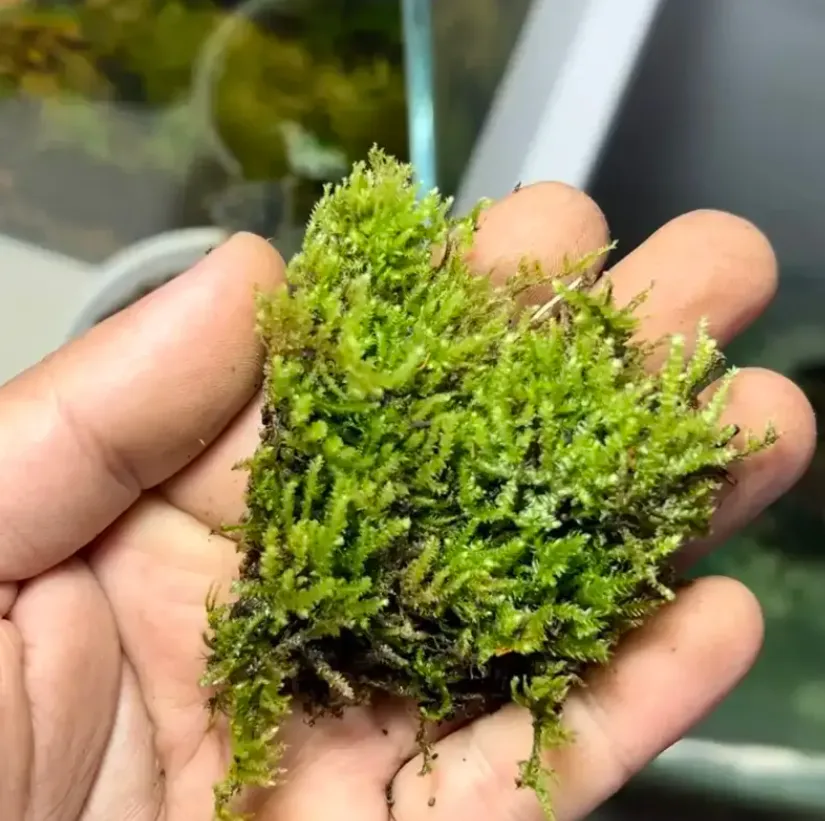
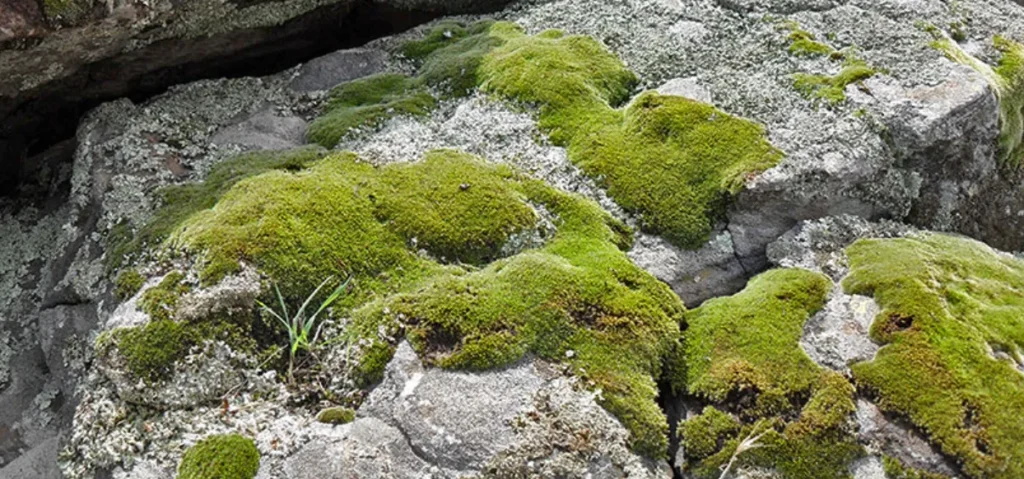
The moss life cycle is one of the most interesting examples of plant reproduction in nature. Mosses are small, soft, non-vascular plants that usually grow in moist, shaded places such as forest floors, tree bark, rocks, wetlands, stream edges, and old walls. Unlike flowering plants, mosses do not produce flowers, fruits, or seeds. Instead, they reproduce by producing spores, and their life cycle consists of two main stages: the gametophyte and sporophyte stages.
Mosses belong to the plant division Bryophyta, and modern botanical references describe them as a group with at least 12,000 species worldwide. They are found almost everywhere except saltwater, and they play a major role in soil formation, moisture retention, erosion control, and ecosystem recovery.
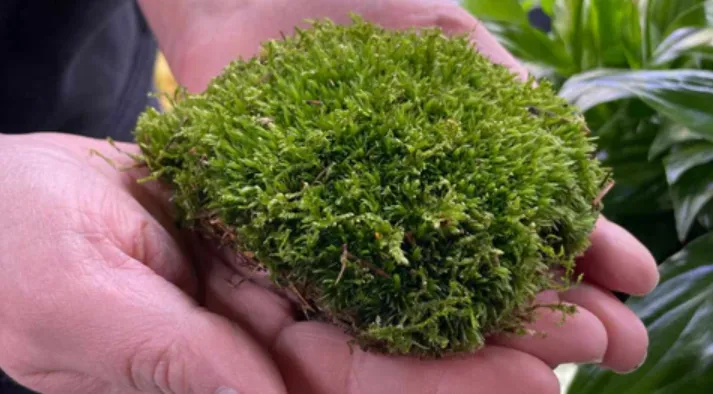
The most important thing to understand about the moss life cycle is that the green, carpet-like moss we usually see is mainly the gametophyte, the dominant stage. This makes moss different from most familiar plants, where the larger plant body is usually the sporophyte.
Q: What is the moss life cycle?
A: The moss life cycle is the process by which moss grows from a spore, develops into a green gametophyte, produces sex organs, forms a sporophyte after fertilization, and releases new spores.
Q: Does moss grow from seeds?
A: No. Moss does not grow from seeds. It grows from tiny spores that are released from capsules.
Q: Why does moss need water to reproduce?
A: Moss needs water because its male sperm cells must swim through a thin film of water to reach the female egg cell during fertilization.
Quick Life Cycle Table
| Stage | What Happens | Key Structure | Why It Matters |
| Spore | A tiny spore lands on a suitable moist surface | Spore | Starts the new moss generation |
| Protonema | The spore germinates into a thin green thread-like growth | Protonema | Early growth stage of moss |
| Gametophyte | The leafy green moss plant develops | Male and female shoots | The main visible stage of moss |
| Sex organs | Male and female reproductive organs form | Antheridia and Archegonia | Produces sperm and eggs |
| Fertilization | Sperm swim to the egg with the help of water | Zygote | Begins diploid stage |
| Sporophyte | A stalk and capsule grow from the gametophyte | Seta and capsule | Produces spores |
| Spore release | Capsule opens and releases spores | Capsule/operculum | Restarts the life cycle |
Important Things That You Need To Know
Many search terms containing the word “moss” do not always refer to the actual moss plant. This is important for SEO because Google tries to understand user intent. For an article about the moss life cycle, the main focus should be on Bryophyta, spores, gametophytes, sporophytes, and moss ecology.
For example, Elisabeth Moss is an actress; Randy Moss and Zack Moss are American football players; Kate Moss is a fashion model; and Ebon Moss-Bachrach is an actor. These names contain the word “moss,” but they are not related to biological mosses. Adding them randomly inside a plant science article can confuse readers and weaken topical relevance.
Similarly, searches for sea moss benefits and sea moss gel are common, but sea moss is not true moss. It usually refers to edible red algae, especially Irish moss. Moss agate is not a plant; it is a gemstone with mineral patterns that resemble moss.
When writing about the moss life cycle, these LSI keywords should be used carefully. They can be mentioned in a clarification section like this, but they should not be forced into the main biological discussion. A strong SEO article stays clear, helpful, and focused on the real search intent: how moss grows, reproduces, survives, and supports ecosystems.
The History of Their Scientific Naming
The scientific naming of moss is closely connected with the term Bryophyta. In modern botany, mosses are generally placed in the plant division Bryophyta, while the broader informal term bryophytes may also include mosses, liverworts, and hornworts. Britannica describes bryophytes as plants in which the long-lived, visible generation is the gametophyte, unlike vascular plants, in which the sporophyte is dominant.
The word Bryophyta comes from Greek roots often understood as “moss plant.” Historically, mosses were sometimes grouped under older names such as Musci, but modern plant classification uses more refined taxonomy based on structure, reproduction, and genetic relationships.
Mosses are scientifically important because they represent an early branch of land plants. They do not have true roots, flowers, seeds, or advanced vascular tissues like xylem and phloem. Instead, they have rhizoids that help them attach to surfaces.
The naming history also reflects how scientists slowly separated mosses from algae, lichens, and other small green organisms. Today, the term moss is used for true bryophytes, not for unrelated things such as sea moss, Spanish moss, or moss agate.
Their Evolution And Their Origin
Mosses are part of the early story of plants moving from water to land. Their simple structure shows many ancient survival features: they stay low to the ground, absorb water directly through their surfaces, and rely on spores rather than seeds. These traits helped early land plants survive before the evolution of deep roots, woody stems, flowers, and seeds.
The fossil record of bryophytes is not as well preserved as that of many vascular plants because mosses are soft, delicate, and easily decomposed. However, scientific reviews show that early land plant evolution involved small bryophyte-like organisms, microbes, and lichens before complex forests appeared.
Research on early land plant evolution also indicates that the macrofossil record of bryophytes is scarce, with only a few accepted specimens from the Carboniferous period. This means scientists use both fossils and molecular evidence to understand moss origins.
Mosses likely evolved from green algal ancestors related to the early plant lineages that colonized land. Their need for water during fertilization is a reminder of their aquatic ancestry. Even today, most mosses grow best where moisture is available for at least part of the year.
Their evolution is successful because mosses do not need large bodies, deep soil, or complex flowers to survive. They can grow on rocks, bark, soil, roofs, and damaged land. This makes moss one of nature’s most resilient plant groups.
Their main food and its collection process
Mosses do not “eat” food like animals. Their main food source is the sugar they produce through photosynthesis. Like other green plants, moss uses sunlight, carbon dioxide, and water to make energy-rich sugars.
Because mosses are non-vascular plants, they do not have true roots or advanced tubes for transporting water and nutrients. Instead, they absorb water and dissolved minerals directly through their leaves and surface cells. Their thin structure helps them collect moisture quickly from rain, mist, dew, and humid air.
Important parts of their food collection process include:
- Sunlight absorption: Moss contains chlorophyll, which captures light energy for photosynthesis.
- Carbon dioxide intake: Moss takes in carbon dioxide from the air.
- Water absorption: Moss absorbs water directly through its body surface.
- Mineral collection: Nutrients come from rainwater, dust, decaying organic matter, rock surfaces, and soil particles.
- Rhizoid attachment: Rhizoids hold moss in place but do not work like true roots.
- Moisture storage: Many mosses act like tiny sponges, holding water around their tissues.
- Slow-growth strategy: Moss can survive on limited nutrients because it grows slowly and uses resources efficiently.
Mosses often grow in places where larger plants struggle. On bare rock or damaged soil, moss can begin the slow process of biological colonization. Over time, it traps dust, organic matter, and water, helping create conditions for other plants to grow later.
Their life cycle and ability to survive in nature
Spore germination
The moss life cycle begins when a spore lands on a suitable surface. If the surface has enough moisture, shade, and stability, the spore germinates. It grows into a thin, green, thread-like stage called the protonema. Britannica’s student resource describes this process: a spore forms protonema, which then develops into leafy gametophytes.
Gametophyte dominance
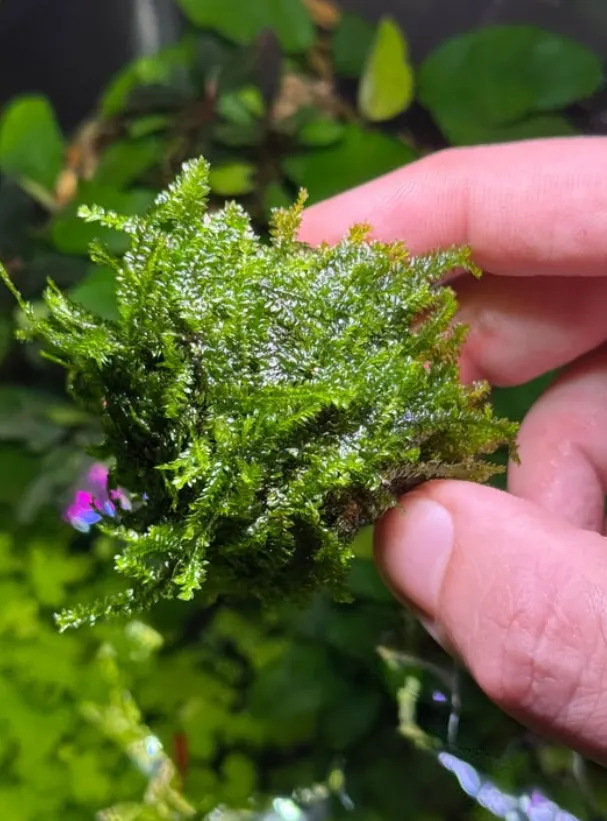
The leafy green moss plant is the gametophyte. This is the main visible, long-lasting stage of moss. It produces male and female reproductive organs. The male organ is called the antheridium, and the female organ is called the archegonium.
Fertilization with water
Moss sperm cells need water to move. During rain, dew, or wet conditions, sperm swim from the male organ to the female organ. After fertilization, a zygote forms and grows into the sporophyte.
Sporophyte and spore release
The sporophyte grows attached to the gametophyte. It usually has a stalk called the seta and a capsule that produces spores. When the capsule matures, it releases spores into the air. Wind, water splash, or nearby movement can help spread them.
Survival ability
Mosses survive by staying small, flexible, and moisture-efficient. Many species can dry out and later become active again when water returns. This ability helps them survive drought, cold, poor soil, and exposed surfaces.
Their Reproductive Process and raising their children
Mosses do not raise children like animals, but they do produce and protect the next generation through spores, gametophytes, and sporophytes. Their reproductive process is simple but highly effective.
Key points of moss reproduction:
- Moss reproduces by spores, not seeds.
- The green moss body is the gametophyte stage.
- Male reproductive organs are called antheridia.
- Female reproductive organs are called archegonia.
- Water is necessary because the moss sperm must swim to the egg.
- Fertilization creates a zygote.
- The zygote grows into a sporophyte.
- The sporophyte produces spores inside a capsule.
- Mature spores are released and can grow into new moss plants.
The sporophyte remains attached to the gametophyte and depends on it for support and nutrients. Britannica notes that the moss sporophyte is attached to the gametophyte and depends on it to some degree for water, mineral salts, and sometimes food.
In this way, the parent gametophyte supports the next generation until spores are ready. Once spores are released, each spore has the potential to begin a new moss colony if it lands in the right environment.
Mosses can also reproduce asexually through fragmentation. If a small piece of moss breaks away and lands in a suitable place, it may grow into a new plant. This helps moss spread quickly across damp surfaces.
The importance of them in this Ecosystem
Soil formation and stabilization
Mosses are often among the first plants to colonize bare soil, rocks, burned land, and disturbed ground. They trap dust, organic particles, and moisture. Over time, this helps form thin layers of soil where other plants can grow.
Forest research shows that pioneer bryophytes can stabilize disturbed soil surfaces and reduce vulnerability to wind and water erosion.
Water retention
Moss works like a natural sponge. It can hold moisture, reduce surface drying, and help maintain local humidity. This is especially important in forests, wetlands, and fragile mountain ecosystems.
USDA-linked research notes that moss biomass can have high water-holding capacity and can insulate soil and permafrost layers, helping boreal ecosystems resist climate-related change.
Habitat for small organisms
Moss mats create tiny habitats for insects, mites, microorganisms, fungi, and small invertebrates. These microhabitats support food chains and biodiversity.
Carbon and nutrient cycling
Mosses contribute to carbon storage, nutrient retention, and decomposition processes. In tropical montane forests, research found that epiphytic bryophytes can retain a large share of inorganic nitrogen deposited from precipitation and cloud water.
Ecosystem recovery
After fire, logging, or soil disturbance, moss can help restore soil function. Research on post-wildfire colonization found that moss-covered soil improved erosion resistance and hydrological function.
What to do to protect them in nature and save the system for the future
Protecting moss means protecting moisture, soil, forests, wetlands, and microhabitats. Because mosses are small, people often ignore them, but they are deeply connected to ecosystem health.
- Avoid removing moss unnecessarily: Do not scrape moss from rocks, trees, forest floors, or old walls unless there is a real safety or maintenance reason.
- Protect shaded habitats: Mosses often need shade and humidity. Cutting too many trees can dry the ground and damage moss colonies.
- Reduce soil disturbance: Heavy foot traffic, vehicles, logging, and construction can crush moss mats, disrupting their role in soil protection.
- Limit chemical pollution: Herbicides, pesticides, and polluted runoff can damage moss and nearby microorganisms.
- Protect wetlands and peatlands: Many mosses, especially Sphagnum, are vital in wetland ecosystems and carbon storage.
- Use sustainable gardening methods: If moss grows naturally in a garden, consider keeping it as a groundcover instead of replacing it with grass.
- Do not collect rare mosses from the wild: Some species grow slowly and may take years to recover.
- Support forest conservation: Healthy forests create the stable humidity and shade that many mosses need.
- Educate people about moss: When people understand moss’s benefits, they are less likely to treat it as useless growth.
- Encourage natural recovery: After disturbance, allow moss and other early plants to recolonize the soil naturally.
Protecting moss is not only about saving a small plant. It is about protecting water balance, soil health, biodiversity, and future ecosystem stability.
Frequently Asked Questions (FAQs)
Q1: What is the moss life cycle in simple words?
A: The moss life cycle starts with a spore. The spore grows into protonema, then into a green gametophyte. The gametophyte produces sex organs. After fertilization, a sporophyte grows and releases new spores.
Q2: What are the two main stages of the moss life cycle?
A: The two main stages are the gametophyte stage and the sporophyte stage. In mosses, the gametophyte is the dominant visible stage.
Q3: Does moss have seeds?
A: No. Mosses do not have seeds. They reproduce by producing spores within capsules.
Q4: Why does moss need water for reproduction?
A: Moss sperm cells need water to swim from the male reproductive organ to the female reproductive organ. Without water, fertilization usually cannot happen.
Q5: What is protonema in moss?
A: Protonema is the early thread-like growth that develops after a moss spore germinates. It later produces leafy moss shoots.
Q6: Is moss a fungus or a plant?
A: Moss is a plant, not a fungus. It contains chlorophyll and makes its own food through photosynthesis.
Q7: Where does moss grow best?
A: Moss usually grows best in moist, shaded, stable places such as forest floors, rocks, tree bark, stream edges, and wetlands.
Q8: Why is moss important in nature?
A: Moss helps retain moisture, reduce erosion, form soil, store carbon, support small organisms, and help damaged ecosystems recover.
Conclusion
The moss life cycle shows how a small, simple plant can survive within a powerful natural system. Moss begins as a tiny spore, grows into protonema, develops into the dominant green gametophyte, produces reproductive organs, forms a sporophyte, and releases spores to continue the cycle. Although mosses have no flowers, seeds, or true roots, they are among nature’s most successful plant groups.
Mosses are not only interesting to biologists; they are also essential to ecosystems. They protect soil, hold water, support tiny organisms, help forests recover, and contribute to nutrient cycling. Their ability to survive on rocks, bark, poor soil, and disturbed land proves their remarkable strength.
Understanding and protecting moss means respecting one of the oldest and most useful plant groups on Earth. For anyone studying plant life, the moss life cycle is a perfect example of simple structure, smart reproduction, and deep ecological value.
Also Read: mayfly life cycle