Admin
Admin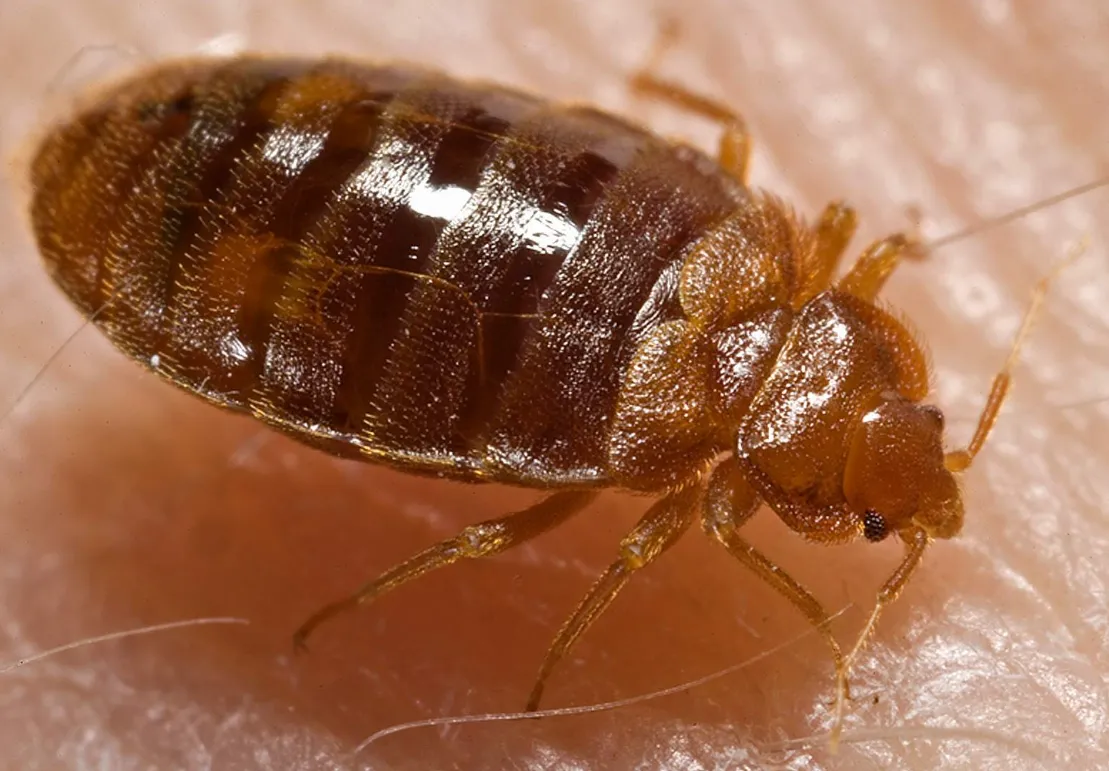
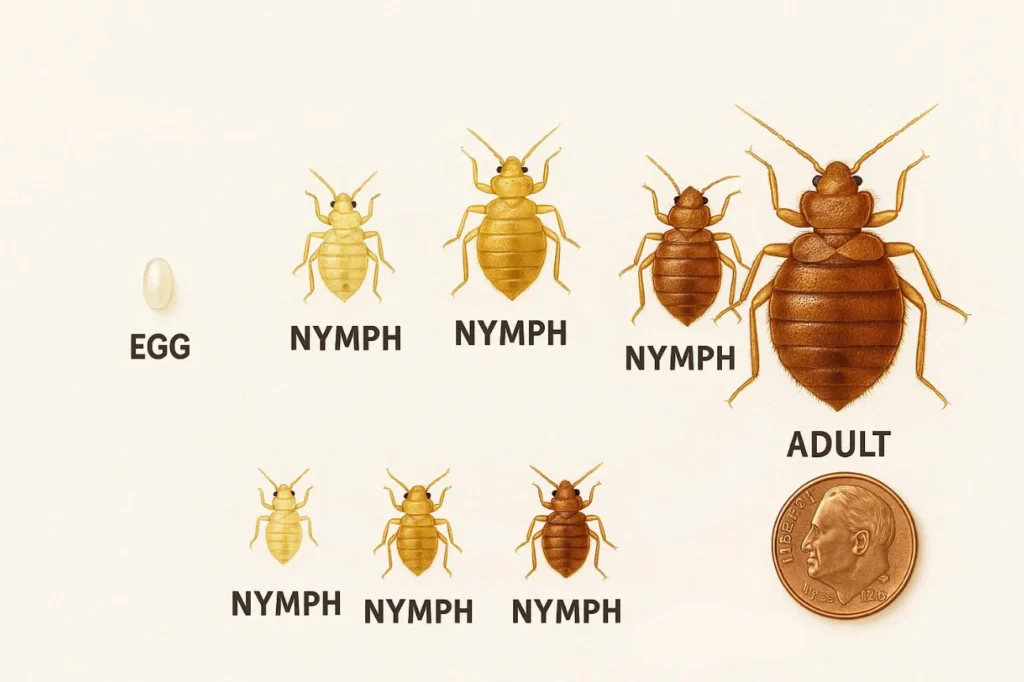
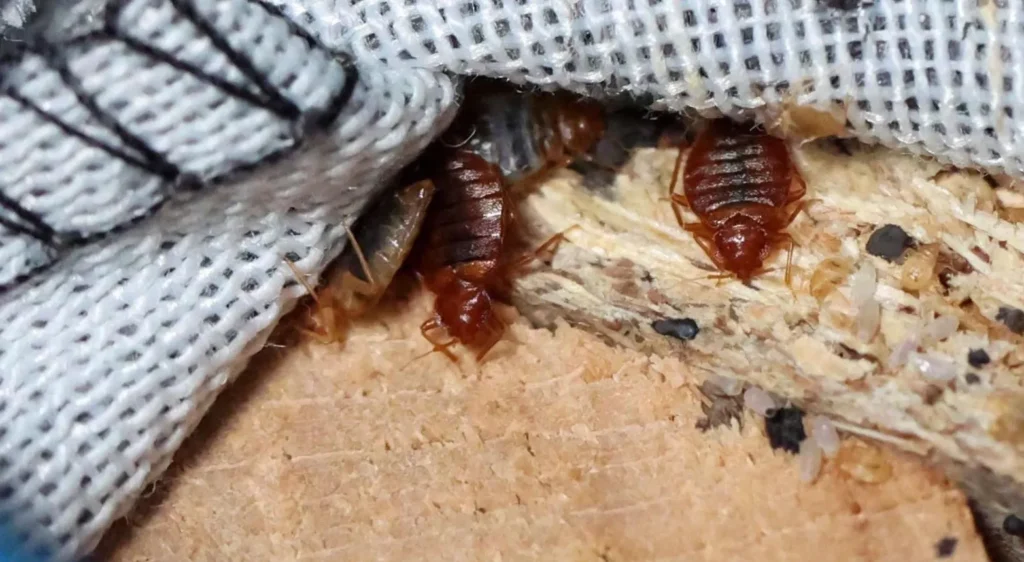
The life cycle of a bed bug is simple on paper, but very difficult to stop once it begins inside a home. A bed bug passes through three main stages: egg, Nymph, and adult. The tricky part is that the nymph stage has five smaller growth stages, and each stage needs a blood meal before the bug can grow again.
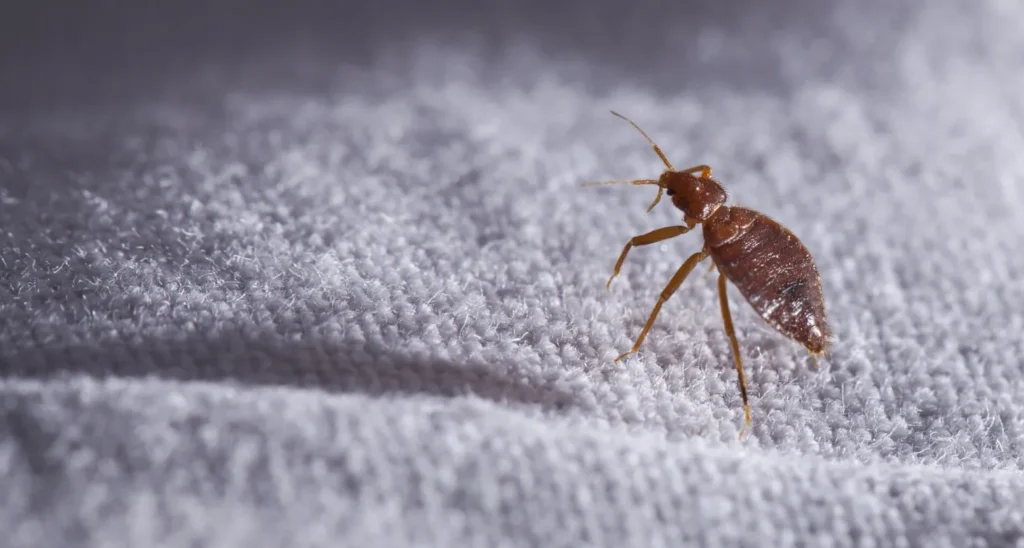
Bed bugs are not a sign of dirtiness. They spread mostly by hiding in luggage, second-hand furniture, bedding, clothing, bags, and cracks near sleeping areas. They cannot fly or jump, but they crawl well and hide in very narrow spaces.
A female bed bug can lay many eggs during her lifetime, and those eggs are tiny, pale, and hard to see. That is why early detection matters. Understanding their life cycle helps with bed bug control, choosing the right bed bug spray, knowing when to call a bed bug exterminator, and recognizing bed bug bite symptoms before the infestation grows.
Q: How long is the life cycle of a bed bug?
A: Under warm indoor conditions with access to blood meals, a bed bug can grow from egg to adult in about 5 to 8 weeks. Cooler temperatures or a lack of food can slow the process.
Q: Do bed bug bites itch?
A: Yes, they often itch. But some people show no reaction at all, while others may get red, swollen, itchy bumps.
Q: What do bed bug bites look like?
A: Bed bug bites look like small red or swollen marks, often in lines, clusters, or random groups on exposed skin.
Quick Life Cycle Table
| Stage | Size | What Happens | Key Point |
| Egg | About 1 mm | Females lay pale, tiny eggs in hidden cracks | Hard to see without close inspection |
| 1st Nymph | About 1.5 mm | Newly hatched baby bed bug seeks blood | Needs feeding to grow |
| 2nd Nymph | About 2 mm | Sheds skin after feeding | Looks like a smaller adult |
| 3rd Nymph | About 2.5 mm | Continues feeding and molting | More visible after a blood meal |
| 4th Nymph | About 3 mm | Hides between meals | Can survive longer than early nymphs |
| 5th Nymph | About 4.5 mm | Final immature stage | One step before adulthood |
| Adult | About 5–7 mm | Mates, feeds, and lays eggs | Can restart the infestation cycle |
The History of Their Scientific Naming
The common bed bug, scientifically known as Cimex lectularius, is a pest. This name has a long history in insect classification.
- Cimex is a Latin word that was historically used for bugs or small biting insects.
- Lectularius comes from a Latin root meaning ‘bed’ or ‘couch,’ which fits the insect’s habit of hiding near sleeping places.
- The name Cimex lectularius was given by Carl Linnaeus in 1758, one of the most important figures in biological classification.
- Bed bugs belong to the family Cimicidae, a group of blood-feeding true bugs.
- They are part of the insect order Hemiptera, which includes insects with piercing and sucking mouthparts.
- The name “bed bug” became common because people most often noticed them around beds, mattresses, blankets, and sleeping areas.
- Another related species is Cimex hemipterus, commonly known as the tropical bed bug.
This scientific naming helps experts separate bed bugs from similar insects, such as bat bugs, fleas, lice, or small beetles. Correct identification is very important before treatment begins.
Their Evolution And Their Origin
Bed bugs are ancient insects with a long relationship with warm-blooded animals. Their ancestors likely fed on bats before some lineages adapted to humans. This connection makes sense because early humans often used caves, shelters, and simple sleeping spaces where bats and people could live side by side.
Over time, Cimex lectularius became highly adapted to human homes. It does not need to live on the body like lice. Instead, it hides near the host and comes out only when it needs blood. This hiding lifestyle helped bed bugs survive for thousands of years.
Their flat bodies are also an evolutionary advantage. A hungry bed bug can slide into mattress seams, wood cracks, wall gaps, headboards, baseboards, luggage folds, and furniture joints. This shape makes them hard to find and harder to remove.
Bed bugs also developed strong survival habits. They can wait between meals, hide after feeding, and gather in tight groups called harborages. In these hiding places, they leave eggs, shed skins, dark fecal spots, and traces of pheromones.
Modern travel has helped bed bugs spread again across cities, hotels, dorms, apartments, hospitals, buses, trains, and homes. They do not care whether a room is clean or dirty. What they need is simple: a place to hide and a nearby sleeping host.
This is why the life cycle of a bed bug is not just a biology topic. It is also important for public health, housing, travel safety, and pest management.
Their main food and its collection process
The main food of a bed bug is blood. Bed bugs are hematophagous insects, which means they feed on blood to grow and reproduce.
They usually prefer human blood, but they may also feed on pets, birds, bats, and other warm-blooded animals when humans are unavailable.
Here is how their feeding process works:
- Host detection: Bed bugs sense warmth, carbon dioxide, and body odors from a sleeping person or animal.
- Night activity: They usually feed at night because people are still, warm, and easier to reach.
- Skin piercing: A bed bug uses its sharp, tube-like mouthparts to pierce the skin.
- Saliva injection: It releases saliva that helps blood flow and may reduce immediate pain.
- Blood feeding: The bug sucks blood for several minutes until its body becomes swollen and darker.
- Return to hiding: After feeding, it crawls back into cracks, seams, or furniture gaps.
- Growth trigger: Nymphs need blood before each molt. Without feeding, they cannot move properly to the next stage.
- Egg production: Adult females need blood meals to produce eggs.
This feeding habit explains why bed bug bite symptoms often appear after sleeping. It also explains why treatment must target both visible bugs and hidden eggs. Killing only the adults will not stop the infestation if eggs and nymphs remain.
Important Things That You Need To Know
Understanding a few practical facts can make bed bug control much easier. First, a bed bug is not attracted to dirt. Bed bugs can infest clean homes, luxury hotels, hostels, apartments, and offices if they are carried inside.
Second, bites alone are not enough to confirm bed bugs. Bed bug bite symptoms can resemble mosquito or flea bites, allergies, or skin irritation. To confirm an infestation, look for live bugs, pale eggs, shed skins, dark fecal marks, and blood stains on sheets or mattress edges.
Third, do bed bug bites itch? For many people, yes. The itching is caused by the body’s reaction to bed bug saliva. Some people react quickly, some react after a delay, and some never show clear marks.
Fourth, a bed bug spray may help only when used correctly. Many bed bugs hide deep in cracks where light sprays may not reach. Foggers and random spraying often fail because bed bugs stay hidden.
Fifth, a trained bed bug exterminator can inspect hiding spots, identify the level of infestation, and use a mix of heat, steam, vacuuming, encasements, monitoring traps, and approved products. Serious infestations usually need more than one treatment.
The key lesson is simple: act early. The longer the life cycle continues, the harder and more expensive the problem becomes.
Their life cycle and ability to survive in nature
Egg Stage
The bed bug life cycle begins with the egg. Female bed bugs lay eggs in quiet, hidden places near where people sleep. Common spots include mattress seams, bed frames, headboards, cracks in walls, baseboards, and furniture joints.
The eggs are tiny, pale, and sticky. They are often difficult to see without careful inspection. In warm conditions, they may hatch in about one to two weeks.
Nymph Stage
After hatching, the baby bed bug is called a nymph. It looks like a smaller, lighter version of an adult. Bed bugs have five nymph stages, also called instars.
Each Nymph must feed on blood before it can shed its skin and grow into the next stage. After every molt, it becomes larger and darker.
Adult Stage
After the fifth nymph stage, the bed bug becomes an adult. Adults can mate, feed, hide, and reproduce. A fed adult looks reddish-brown and swollen, while an unfed adult is flatter and browner.
Survival Ability
Bed bugs survive well because they hide most of the time. They can wait between meals, avoid light, and stay inside small cracks. In cooler conditions, their growth slows, helping them survive longer when food is limited.
Their Reproductive Process and raising their children
Bed bug reproduction is one reason infestations grow so fast. A female bed bug does not need a nest in the way birds or mammals do. She only needs a safe hiding place near a food source.
Key points about their reproduction include:
- Mating process: Bed bugs mate through traumatic insemination. The male pierces the female’s body wall and transfers sperm.
- Egg laying: After feeding and mating, the female lays eggs in hidden cracks, seams, and protected spaces.
- Egg placement: Eggs are often placed close to adult hiding areas so newly hatched nymphs can find a host nearby.
- No parental care: Bed bugs do not raise their young. They do not feed, guard, or protect their babies.
- Fast growth: If warmth and blood meals are available, young bed bugs can grow quickly.
- Repeated generations: Several generations may develop in a single year in heated homes.
- Hidden population: Eggs and young nymphs are easy to miss, which allows an infestation to return after weak treatment.
So, bed bugs do not “raise children” in a caring sense. Their success comes from laying many hidden eggs and letting the young survive through instinct.
This is why every treatment plan must target eggs, nymphs, and adults simultaneously.
The importance of them in this Ecosystem
A Small Part of the Food Web
Bed bugs are unpleasant household pests, but every organism has an ecological connection. Bed bugs may serve as food for spiders, ants, centipedes, cockroaches, mites, and some other predators.
That does not mean bed bugs should be protected inside homes. It only means they are part of a larger web of small organisms.
Parasites and Natural Balance
Bed bugs are parasites. Parasites often help scientists understand host relationships, evolution, immune reactions, and insect survival. They show how small animals adapt to hosts, shelters, temperature, and feeding opportunities.
Scientific Importance
Bed bugs are important in medical entomology because their bites affect human comfort, sleep, mental health, and skin condition. Studying them helps researchers improve pest control and reduce the misuse of insecticides.
Not a Beneficial Household Insect
Even though bed bugs have ecological connections, they are not beneficial indoors. They do not pollinate plants, improve soil, or control other pests in a useful way.
Their main effect on humans is negative: bites, itching, stress, poor sleep, and costly treatment.
The best balance is responsible control, not careless chemical use. Removing bed bugs from homes can protect people while reducing harm to the wider environment.
What to do to protect them in nature and save the system for the future
Bed bugs are different from bees, butterflies, or earthworms. They are not insects we need to invite into homes or protect in human living spaces.
The better goal is safe pest control that protects people and avoids unnecessary environmental damage.
- Do not spread strong chemicals randomly. Misuse of pesticides can harm people, pets, and helpful insects.
- Use targeted bed bug control. Treat cracks, seams, and hiding places instead of spraying entire rooms without a plan.
- Choose approved products. Any bed bug spray should be labeled for bed bugs and used exactly as directed.
- Avoid dangerous home remedies. Kerosene, gasoline, excessive alcohol spraying, and unsafe heating methods can cause fires or poisoning.
- Use heat carefully. High heat can kill bed bugs, but trained professionals should handle whole-room heat treatment.
- Wash and dry fabrics. Drying clothes, sheets, and bedding on high heat can reduce bed bugs on washable items.
- Use mattress encasements. Encasements can trap hidden bugs and make inspection easier.
- Reduce clutter. Fewer hiding places make treatment more effective.
- Call a bed bug exterminator when needed. Large infestations are hard to remove with DIY methods only.
- Protect nature by using fewer pesticides. Integrated pest management is better than repeated chemical spraying.
The safest future is not saving bed bugs in bedrooms. It is controlling them wisely while protecting humans, pets, and the environment.
Frequently Asked Questions (FAQs)
Q: What is the complete life cycle of a bed bug?
A: The complete life cycle of a bed bug includes egg, five nymph stages, and adult. A nymph must feed before each molt. Once it becomes an adult, it can mate and reproduce.
Q: How long does it take for bed bug eggs to hatch?
A: Bed bug eggs often hatch in about 6 to 10 days under warm indoor conditions. Cooler rooms can slow hatching.
Q: How many stages does a bed bug nymph have?
A: A bed bug nymph has five stages. These stages are also called instars. Each stage needs at least one blood meal before molting.
Q: Do bed bug bites itch?
A: Yes, bed bug bites often itch. However, reactions vary. Some people have red itchy bumps, some develop swelling or hives, and some show no visible reaction.
Q: What do bed bug bites look like?
A: Bed bug bites look like small red, swollen, or itchy marks. They may appear in a line, a cluster, a zigzag pattern, or a random group, often on exposed skin.
Q: Can bed bugs spread disease?
A: Bed bugs are not known to spread disease to people in the way mosquitoes or ticks can. Their main problems are itching, skin irritation, stress, poor sleep, and the risk of infection from scratching.
Q: Is bed bug spray enough to remove an infestation?
A: Usually, no. A bed bug spray may help as part of a full plan, but sprays alone often miss eggs and hidden bugs. Heat, vacuuming, encasements, monitoring, and professional treatment may also be needed.
Q: When should I call a bed bug exterminator?
A: Call a bed bug exterminator if you see live bugs, find eggs or dark stains, get repeated bites, or have an infestation spreading between rooms. Professional help is often best for moderate or heavy infestations.
Conclusion
The life cycle of a bed bug explains why this pest is so hard to remove. It starts with tiny hidden eggs, moves through five blood-feeding nymph stages, and ends with adults that can mate and lay more eggs. If even a few eggs or nymphs survive, the problem can return.
Learning how bed bugs feed, hide, grow, and reproduce gives you a better chance of stopping them early. Bites may itch, but bites alone do not prove an infestation. The strongest signs are live bugs, eggs, shed skins, blood spots, and dark marks near sleeping areas.
For light problems, careful cleaning, heat drying, clutter reduction, mattress encasements, and monitoring can help. For larger problems, a trained bed bug exterminator is often the safer choice.
Also Read: hen life cycle