Admin
Admin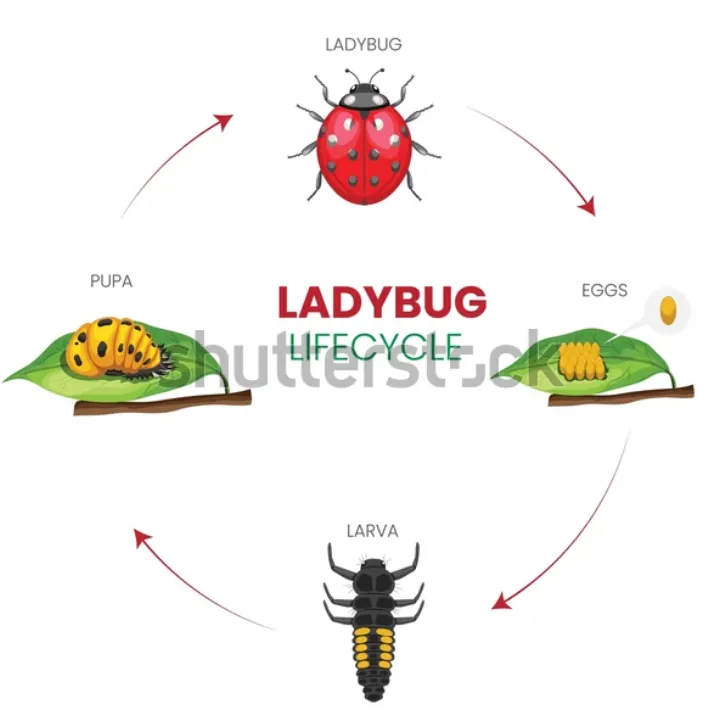
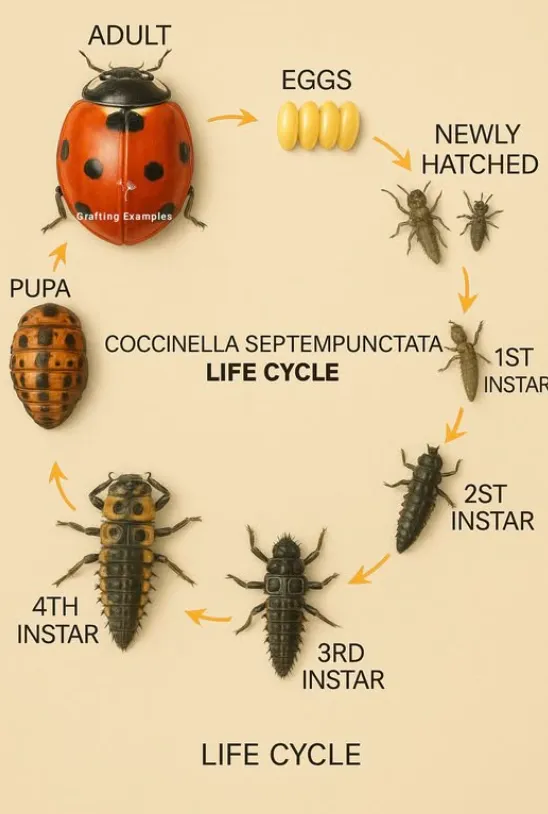
The ladybug life cycle is one of the most fascinating natural transformations in the insect world. Ladybugs, also known as lady beetles or Coccinellidae, undergo a complete metamorphosis that includes four distinct stages: egg, larva, pupa, and adult. These tiny insects are not only visually appealing with their bright red shells and black spots, but they also play a crucial role in maintaining ecological balance.
Understanding the life cycle of a ladybug helps gardeners, farmers, and nature lovers appreciate its importance. From the moment a female lays eggs on plant leaves to the emergence of a fully developed adult, each stage serves a specific purpose. Their life cycle is closely linked to food availability, environmental conditions, and seasonal changes.
Quick Answers (Most Common Questions)
1. How long is the ladybug’s life cycle?
The complete life cycle of a ladybug typically lasts 4 to 8 weeks, depending on temperature and food supply.
2. What do ladybug larvae look like?
Ladybug larvae resemble tiny alligators, with elongated bodies, dark coloring, and small spikes.
3. Are ladybugs beneficial or harmful?
Ladybugs are highly beneficial insects because they eat pests like aphids that damage crops and plants.
Quick Life Cycle Table
| Stage | Duration | Description |
| Egg | 3–5 days | Yellow/orange eggs are laid on leaves near food sources |
| Larva | 2–3 weeks | Active feeding stage; consumes pests like aphids |
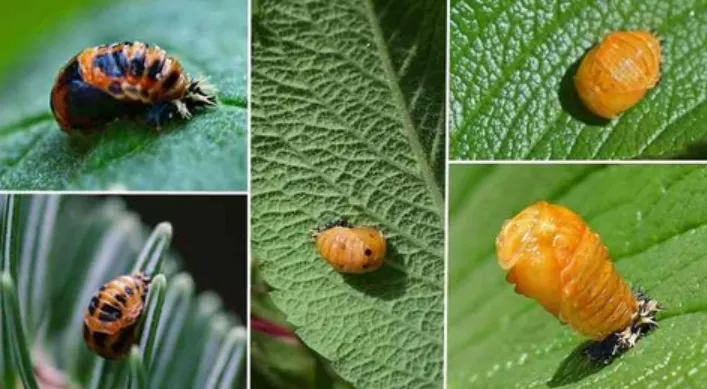
| Pupa | 5–7 days | Transformation stage inside a protective casing |
| Adult | Several months to 1 year | Reproductive stage: continues feeding and laying eggs |
The History Of Their Scientific Naming
The scientific naming of ladybugs has a rich and interesting history rooted in taxonomy and cultural beliefs.
- Scientific Family Name: Ladybugs belong to the family Coccinellidae, derived from the Latin word coccineus, meaning “scarlet” or “red.”
- Origin of Common Name: The name “ladybug” originated in Europe. Farmers referred to them as “Beetles of Our Lady,” associating them with the Virgin Mary because of their helpful role in protecting crops.
- Spots Symbolism: The black spots were believed to represent the seven sorrows of Mary, giving rise to the common species name “seven-spotted ladybug.”
- Classification Development: Early 18th-century naturalists began systematically classifying insects, placing ladybugs in the order Coleoptera (beetles).
- Modern Taxonomy: Today, there are over 6,000 species worldwide, each with unique patterns, colors, and behaviors.
This historical naming reflects both scientific precision and cultural appreciation, highlighting the importance of ladybugs across different societies.
Their Evolution And Their Origin
Ladybugs have evolved over millions of years to become one of nature’s most efficient pest controllers. Fossil evidence suggests that beetles, including early ancestors of ladybugs, existed as far back as the Cretaceous period (around 145 million years ago).
Initially, these insects adapted to feed on plant-eating pests. Over time, natural selection favored traits such as bright coloration, which serve as warning signals to predators. This phenomenon is known as aposematism—a defense mechanism that signals to predators that a creature is toxic or unpalatable.
Their evolution also led to:
- Chemical defense systems: Ladybugs can release a foul-smelling fluid from their joints to deter predators.
- Diverse habitats: They adapted to live in forests, grasslands, agricultural fields, and even urban gardens.
- Seasonal survival strategies: Many species hibernate during winter, clustering together for warmth.
Geographically, ladybugs are found on every continent except Antarctica. Their widespread distribution is largely due to their adaptability and their role in controlling insect populations.
Today, ladybugs are considered a symbol of good luck and ecological health, reflecting their long evolutionary journey.
Their Main Food and Its Collection Process
Ladybugs are carnivorous insects that primarily feed on soft-bodied pests, making them highly valuable in agriculture.
Main Food Sources
- Aphids (their favorite food)
- Whiteflies
- Mealybugs
- Spider mites
- Scale insects
Food Collection Process
- Detection: Ladybugs use their antennae and chemical senses to detect prey on plants.
- Active Hunting: Both larvae and adults actively crawl over leaves searching for insects.
- Rapid Consumption: A single ladybug can eat up to 50 aphids per day, while larvae may consume even more during growth stages.
- Strategic Egg Laying: Females lay eggs near aphid colonies to ensure larvae have immediate access to food after hatching.
This efficient feeding behavior helps control pest populations naturally, reducing the need for chemical pesticides.
Their Life Cycle and Ability to Survive in Nature
Egg Stage
Female ladybugs lay clusters of tiny yellow eggs on the underside of leaves. This placement protects them from predators and environmental damage.
Larva Stage
Once hatched, larvae begin feeding immediately. They grow rapidly, shedding their skin multiple times in a process called molting.
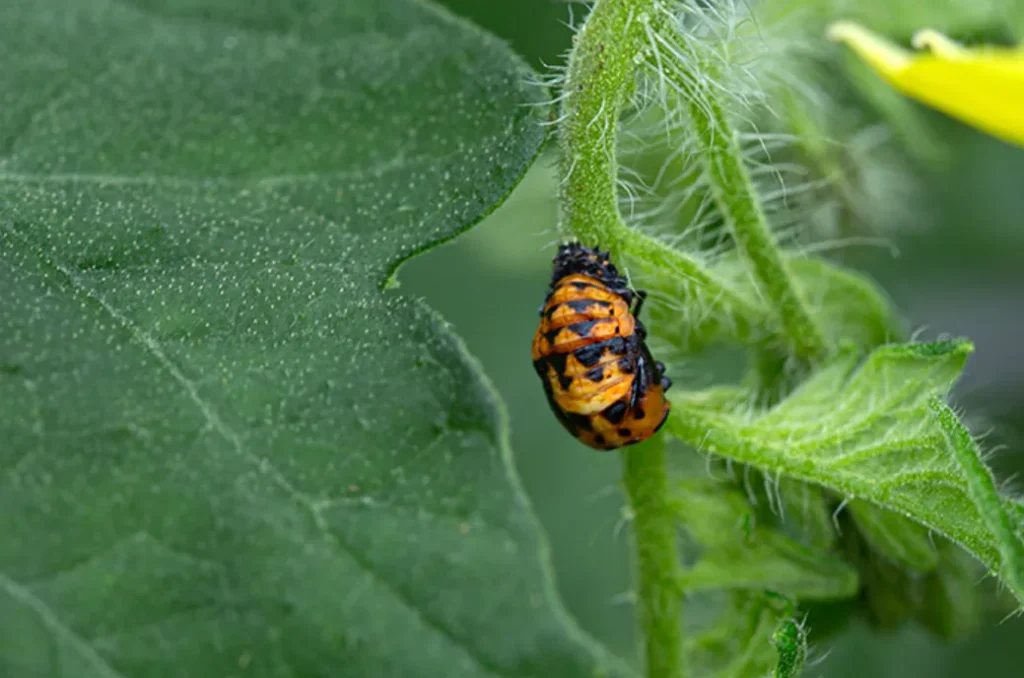
Pupa Stage
The larva attaches itself to a surface and forms a pupa. Inside, it undergoes a complete transformation.
Adult Stage
The adult emerges with soft wings that harden over time. It then begins feeding and reproducing.
Survival Abilities
- Ability to produce toxins to repel predators
- Bright coloration as a warning signal
- Seasonal migration and hibernation
- High reproductive rate to sustain the population
These traits ensure ladybugs thrive in diverse environments.
Their Reproductive Process and Raising Their Children
Ladybugs reproduce sexually, with mating primarily occurring in warmer months.
Reproductive Process
- Males attract females using chemical signals
- After mating, females store sperm for future egg-laying
- Eggs are laid in clusters near food sources
Raising Their Young
- No parental care: Once eggs are laid, adults do not care for offspring
- Strategic placement: Eggs are placed where larvae can find food immediately
- High survival rate: Even without care, many larvae survive due to abundant food
Ladybugs rely on instinct and environmental strategy rather than direct parenting.
Importance of Them in this Ecosystem
Natural Pest Control
Ladybugs reduce harmful insect populations, protecting crops and plants.
Biodiversity Balance
They help maintain ecological balance by controlling prey species.
Indicator Species
Their presence indicates a healthy environment.
Agricultural Benefits
Farmers rely on ladybugs as a natural alternative to pesticides.
Food Chain Role
They serve as prey for birds and other animals, contributing to the food web.
Important Things That You Need To Know
Understanding LSI-related topics deepens your knowledge of ladybugs beyond their life cycle.
The term ladybug is commonly used, but these insects are actually beetles. Their distinct appearance makes them easy to recognize, yet many people confuse them with a ladybug look-alike, such as the Asian lady beetle, which can be more aggressive.
The ladybug larva stage is often misunderstood. Unlike the cute adult form, larvae look quite intimidating, with elongated, spiky bodies. However, this stage is crucial because larvae consume the most pests.
In art and culture, the ladybug drawing is popular among children and artists for its simple yet attractive design. Similarly, ladybug tattoo designs symbolize luck, protection, and positivity.
For events and celebrations, a ladybug costume is widely used, especially for kids, symbolizing innocence and the beauty of nature.
Overall, these related aspects highlight the cultural, ecological, and visual significance of ladybugs in everyday life.
What to Do to Protect Them in Nature and Save the System for the Future
- Avoid using chemical pesticides in gardens
- Plant native flowers and plants that attract ladybugs
- Provide water sources like small shallow dishes
- Create shelter areas such as leaf piles or logs
- Encourage biodiversity by growing different plant species
- Avoid destroying their habitats during cleaning or landscaping
- Educate others about their ecological importance
- Support organic farming practices
Frequently Asked Questions (FAQs)
1. How many eggs does a ladybug lay?
A female can lay 200–300 eggs in her lifetime.
2. What is the lifespan of a ladybug?
Ladybugs can live up to 1 year, depending on conditions.
3. Do ladybugs bite humans?
They rarely bite, and if they do, it is harmless.
4. Why are ladybugs colorful?
Their bright colors warn predators that they may be toxic.
5. Where do ladybugs live?
They live in gardens, forests, fields, and even homes.
6. What happens in winter?
Ladybugs hibernate in groups to survive cold temperatures.
7. Are all ladybugs red with black spots?
No, they can be yellow, orange, or black with different patterns.
8. Can ladybugs be pets?
Yes, but they are best left in their natural environment.
Conclusion
The ladybug life cycle is a remarkable example of nature’s efficiency and balance. From tiny eggs to active larvae, transforming pupae, and vibrant adults, each stage plays a vital role in their survival and ecological contribution. These insects are more than just beautiful garden visitors—they are essential defenders of plants and crops.
Their ability to control pests naturally makes them invaluable in agriculture and gardening. Moreover, their evolutionary adaptations, reproductive strategies, and resilience highlight their importance in sustaining biodiversity.
Also Read About: grasshopper insect life cycle