Admin
Admin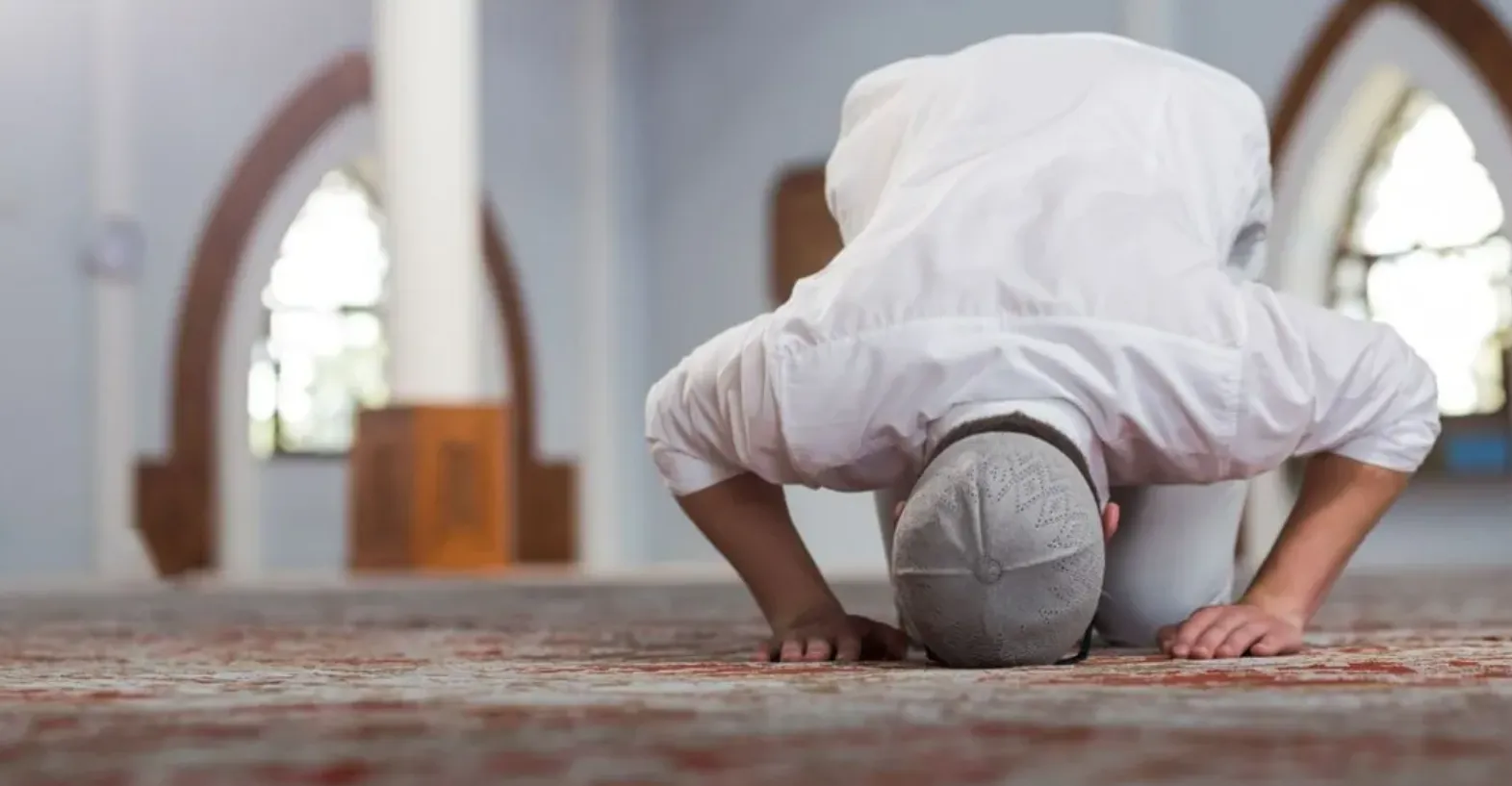
Islam Sunnah prayers are voluntary acts of worship performed in addition to the five obligatory daily prayers. They reflect the practice and guidance of Prophet Muhammad ﷺ and help Muslims strengthen their relationship with Allah, improve concentration in worship, and develop greater spiritual discipline.
Some Sunnah prayers are connected to the obligatory salah, while others may be offered during particular times or for particular needs. Common examples include the Sunnah Rawatib, Witr, Duha, Tahajjud, Tahiyyatul Masjid, Salat al-Tawbah, and Salat al-Istikhara.
The five obligatory prayers must always remain the priority. Sunnah prayers do not replace missed obligatory prayers, but they can complement a Muslim’s daily worship and help correct weaknesses in spiritual practice.
The commonly observed twelve rak‘ahs of Sunnah Rawatib include two before Fajr, four before Dhuhr, two after Dhuhr, two after Maghrib, and two after Isha. However, certain details may vary according to authentic narrations and schools of Islamic jurisprudence.
For example, Witr is regarded as a strongly recommended Sunnah by most scholars, while the Hanafi school classifies it as wajib. Muslims should follow reliable Islamic scholarship when they are uncertain about specific rulings.
The English prayers throughout this article are original personal supplications inspired by Islamic values. They should not be presented as the exact words of the Prophet ﷺ unless an authentic reference is clearly mentioned.
Quick Answers: Most Common Questions
Q: What are Sunnah prayers in Islam?
A: Sunnah prayers are voluntary prayers based on the teachings and regular practices of Prophet Muhammad ﷺ. They are performed alongside the five obligatory prayers and at other recommended times.
Q: How many Sunnah prayers should a Muslim offer daily?
A: There is no single maximum number. A commonly recommended routine includes the twelve rak‘ahs of Sunnah Rawatib, Witr, and any additional prayers a person can perform consistently.
Q: Is a Muslim sinful for missing Sunnah prayers?
A: Generally, leaving voluntary Sunnah prayers is not treated like abandoning an obligatory prayer. However, regularly neglecting a strongly emphasized Sunnah without a valid reason can lead to losing significant spiritual reward and an important prophetic practice.
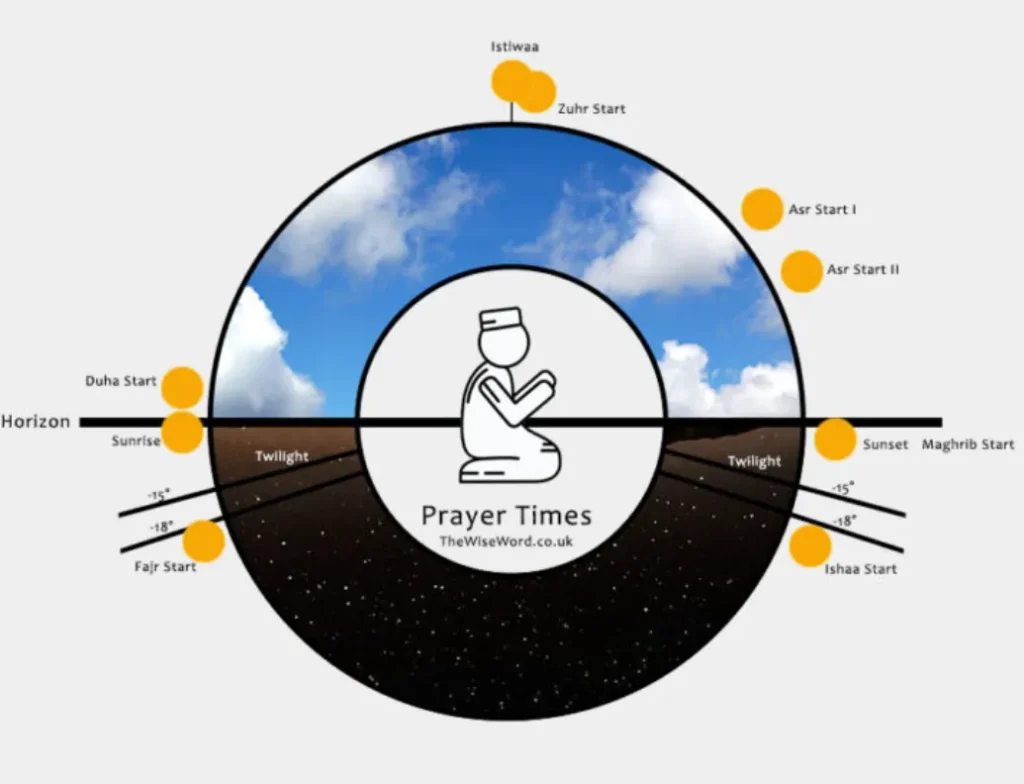
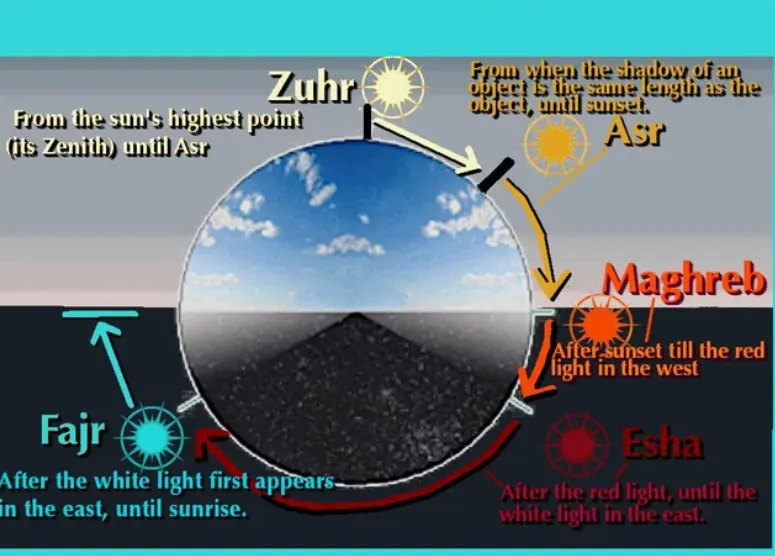
Quick Prayer Time Table
Prayer times vary by location and season. Use a reliable local prayer timetable for the exact daily times.
| Time | Sunnah prayer | Common number | Simple guidance |
| Before Fajr | Sunnah of Fajr | 2 rak‘ahs | Pray after the Fajr adhan and before the obligatory prayer |
| Before Dhuhr | Sunnah Rawatib | 4 rak‘ahs | Commonly offered as two sets of two |
| After Dhuhr | Sunnah Rawatib | 2 rak‘ahs | Pray after completing the obligatory prayer |
| After Maghrib | Sunnah Rawatib | 2 rak‘ahs | Perform after the obligatory Maghrib prayer |
| After Isha | Sunnah Rawatib | 2 rak‘ahs | Perform after the obligatory Isha prayer |
| After Isha to Fajr | Witr | Odd number | Make Witr the final night prayer when practical |
| After sunrise | Duha | 2 or more | Begin after the prohibited sunrise period has ended |
| Last part of the night | Tahajjud | 2 or more | Pray in sets of two with sincerity and calmness |
| Entering a mosque | Tahiyyatul Masjid | 2 rak‘ahs | Pray before sitting when circumstances permit |
| Seeking guidance | Istikhara | 2 rak‘ahs | Follow with the authentic Istikhara supplication |
| After sincere repentance | Salat al-Tawbah | 2 rak‘ahs | Repent, leave the sin, and seek Allah’s forgiveness |
Beautiful Islam Sunnah Prayers
The following are original personal du‘as. They may be used after salah or during any appropriate time of supplication.
• O Allah, make every prayer a source of light within my heart and guidance within my life.
• O Allah, help me protect my obligatory prayers and beautify them with sincere Sunnah worship.
• O Allah, allow me to stand before You with humility, hope, love, and complete dependence.
• O Allah, remove distractions from my mind and grant me khushu‘ whenever I enter prayer.
• O Allah, make the Sunnah of Your Messenger ﷺ beloved to my heart and visible in my character.
• O Allah, forgive the weaknesses in my worship and help me improve without pride or despair.
• O Allah, let my private prayers bring me closer to You when no one else can see my efforts.
• O Allah, place peace in my prostration, wisdom in my decisions, and patience in my difficulties.
• O Allah, accept my worship even when my words are imperfect, and my concentration is weak.
• O Allah, make me among those who remember You in comfort and turn to You during hardship.
Positive Islam Sunnah Prayers for Wellness
Sunnah worship supports a life centred on remembrance, discipline, gratitude, and trust in Allah. It should not be described as a guaranteed medical treatment. A Muslim may combine prayer and du‘a with appropriate professional healthcare.
Prayer for Spiritual Wellness
O Allah, cleanse my heart of arrogance, jealousy, bitterness, and every feeling that distances me from You.
Spiritual wellness begins when a person honestly recognizes inner weaknesses. Regular voluntary prayer creates private moments for reflection, repentance, and renewed intention.
Prayer for Emotional Balance
O Allah, calm my heart when I feel overwhelmed and remind me that no difficulty is greater than Your mercy.
Prayer does not require a person to deny sadness. It provides a sacred place to express fear, grief, and hope while continuing to seek lawful support.
Prayer for Physical Strength
O Allah, grant my body strength for worship, lawful work, family responsibilities, and service to others.
Good health is a blessing and responsibility. Muslims may ask Allah for strength while also resting properly, eating responsibly, exercising, and following medical advice.
Prayer for Healthy Habits
O Allah, help me leave harmful habits and replace them with routines that protect my faith, mind, and body.
Sunnah prayers can give structure to the day. A disciplined worship routine may encourage better time management and greater awareness of daily choices.
Prayer for Complete Well-Being
O Allah, grant me well-being in my faith, my body, my mind, my family, and my affairs in this life and the next.
True wellness in Islam is broader than comfort. It includes faith, lawful provision, emotional stability, good relationships, gratitude, and preparation for the Hereafter.
Islam Sunnah Prayers From Qur’an Verses and Authentic Hadith
This section appropriately replaces the requested Bible-verses section. An article about Islamic Sunnah prayer should rely on the Qur’an and authentic Prophetic teachings, rather than incorrectly attributing Islamic practices to Bible passages.
• Prayer for steadfast worship:
O Allah, make my family and me among those who establish prayer faithfully.
This reflects the supplication of Prophet Ibrahim in Surah Ibrahim 14:40.
• Prayer for goodness in both lives:
Our Lord, grant us goodness in this world, goodness in the Hereafter, and protection from the Fire.
This well-known Qur’anic supplication appears in Surah Al-Baqarah 2:201.
• Prayer for patience and stability:
Our Lord, pour patience upon us and make our steps firm during every test.
This theme is found in Surah Al-Baqarah 2:250.
• Prayer for forgiveness:
Our Lord, do not hold us accountable when we forget or make an unintentional mistake.
This supplication is taken from Surah Al-Baqarah 2:286.
• Prayer for mercy:
My Lord, forgive me, have mercy upon me, and guide me toward what pleases You.
The Qur’an repeatedly connects sincere repentance with divine mercy.
• Prayer for beneficial knowledge:
My Lord, increase me in beneficial knowledge and help me act upon what I learn.
The foundation is found in Surah Taha 20:114.
• Prayer for a righteous family:
Our Lord, grant us comfort through our spouses and children and make us examples for the righteous.
This is based on Surah Al-Furqan 25:74.
• Prayer against spiritual deviation:
Our Lord, do not allow our hearts to deviate after You have guided us. Grant us mercy from Yourself.
This prayer comes from Surah Ali ‘Imran 3:8.
• Prayer for acceptance:
Our Lord, accept our worship. You are the All-Hearing and All-Knowing.
This reflects the prayer of Ibrahim and Isma’il in Surah Al-Baqarah 2:127.
• Prayer for consistent Sunnah worship:
O Allah, help me preserve the voluntary prayers that bring me nearer to You.
Authentic Hadith reports that a house in Paradise is promised for the Muslim who regularly performs twelve voluntary rak’ahs each day and night.
The Prophet ﷺ also described the two rak‘ahs before Fajr as more valuable than the world and everything within it. This highlights their spiritual worth, not permission to neglect worldly duties.
Islam Sunnah Prayers for Mental and Physical Health
These original du‘as may accompany medical treatment, counselling, healthy routines, and support from trusted people. Serious physical or psychological symptoms should always receive appropriate professional attention.
• O Allah, grant me a peaceful mind, a steady heart, and the courage to face today without fear.
• O Allah, protect me from thoughts that consume my hope and guide me toward healthy, truthful thinking.
• O Allah, bring relief to every person living with anxiety, grief, loneliness, or emotional exhaustion.
• O Allah, grant healing to the sick, patience to their families, and wisdom to those providing their care.
• O Allah, help me care for my body as a trust and avoid what knowingly causes it harm.
• O Allah, grant me restful sleep, renewed energy, and the strength to begin each morning with gratitude.
• O Allah, make my prayers a place where I can be honest about my pain without losing hope in You.
• O Allah, guide me to the right treatment, the right professionals, and the right people to support me.
• O Allah, ease chronic pain and reward every moment of patience that remains unseen by other people.
• O Allah, protect my mind from despair and remind me to seek help when my burden becomes too heavy.
• O Allah, grant me moderation in eating, sleeping, working, exercising, speaking, and using technology.
• O Allah, bless me with health that increases my gratitude and illness that never removes my trust in You.
Islam encourages both reliance on Allah and responsible action. Du‘a should therefore inspire a person to pursue beneficial treatment rather than delay necessary care.
Islam Sunnah Prayers for Friends and Family
• O Allah, protect my family from harm, division, dishonesty, and every influence that weakens our faith.
• O Allah, place mercy between our hearts and teach us to forgive before resentment becomes permanent.
• O Allah, guide my parents, reward their sacrifices, forgive their shortcomings, and surround them with mercy.
• O Allah, bless my spouse with faith, health, patience, lawful provision, and peace of mind.
• O Allah, guide our children and make them honest, compassionate, responsible, and devoted to prayer.
• O Allah, support my friends during the difficulties they have shared and the struggles they have hidden.
• O Allah, protect my loved ones while they travel, work, study, rest, and return safely to their homes.
• O Allah, remove jealousy from our relationships and allow us to celebrate one another’s lawful success.
• O Allah, reunite relatives who have become distant and guide us toward respectful reconciliation.
• O Allah, provide lawful opportunities for every loved one facing unemployment or financial hardship.
• O Allah, grant healing to the sick within our families and patience to everyone caring for them.
• O Allah, gather us upon faith in this life and reunite us through Your mercy in the Hereafter.
Prayer for the family should also be supported by kind behaviour. Asking Allah for reconciliation has greater meaning when a person is willing to apologize, listen, forgive, and correct harmful conduct.
Islam Sunnah Prayers for Joy and Positivity
Islamic positivity does not require pretending that life is always easy. It means recognizing blessings, maintaining hope, acting responsibly, and trusting Allah without ignoring genuine pain.
- O Allah, teach me to recognize blessings that have become so familiar that I no longer notice them.
- O Allah, place joy in my heart without making me careless about the needs of other people.
- O Allah, allow me to enjoy lawful happiness with gratitude, humility, and remembrance of You.
- O Allah, protect me from comparing my private struggles with the carefully presented lives of others.
- O Allah, help me see every new morning as an opportunity for repentance, kindness, and meaningful effort.
- O Allah, replace hopelessness with trust, confusion with guidance, and heaviness with patient endurance.
- O Allah, bless me with companions whose presence strengthens my faith and encourages what is good.
- O Allah, make me a source of encouragement without allowing my words to become shallow or insincere.
- O Allah, help me respond to minor inconveniences with calmness rather than anger and complaint.
- O Allah, give me the wisdom to separate temporary disappointment from permanent failure.
- O Allah, allow me to celebrate others’ success while continuing to work honestly toward my goals.
- O Allah, fill my home with gratitude, respectful laughter, sincere worship, and words that bring comfort.
A positive Muslim does not deny hardship. Instead, the believer remembers that circumstances can change, mistakes can be corrected, forgiveness remains available, and no sincere effort is lost with Allah.
Inspirational and Motivational Islamic Sunnah Prayers
- O Allah, help me begin the good work I keep postponing and continue it when motivation wanes.
- O Allah, make consistency more beloved to me than temporary excitement and public recognition.
- O Allah, purify my intentions so that success brings gratitude rather than pride.
- O Allah, grant me discipline when no one is watching and integrity when dishonesty appears easier.
- O Allah, help me recover from failure with greater wisdom, stronger faith, and a corrected plan.
- O Allah, open lawful doors that are good for me and close doors that would damage my faith or future.
- O Allah, protect me from laziness, destructive doubt, and fear that prevents responsible action.
- O Allah, make today’s small effort the beginning of lasting improvement in my character and worship.
- O Allah, help me use my knowledge, skills, time, and opportunities to benefit others.
- O Allah, grant me courage to admit when I am wrong and humility to learn from someone younger or less experienced.
- O Allah, strengthen me to leave every environment that repeatedly encourages sin, dishonesty, or self-destruction.
- O Allah, let my ambitions remain under the guidance of faith, ethics, and concern for the Hereafter.
True motivation in Islam is not built only on achievement. It is connected to intention, patience, lawful effort, service, and accountability. Sunnah prayer gives believers repeated opportunities to renew those values throughout the day.
Thankful Islam Sunnah Prayers
- O Allah, thank You for faith, guidance, safety, shelter, food, and every blessing I cannot count.
- O Allah, help me express gratitude through obedience, generosity, humility, and responsible use of Your gifts.
- O Allah, forgive me for noticing what I lack while overlooking the blessings already surrounding me.
- O Allah, make prosperity a reason for gratitude and difficulty a reason for patience and deeper trust.
- O Allah, bless the people who supported me during moments when I could not support myself.
- O Allah, thank You for every closed door that protected me from something I could not understand.
- O Allah, thank You for opportunities to learn, improve, apologize, repent, and begin again.
- O Allah, allow me to appreciate my family while they are present and honour their rights through action.
- O Allah, make me grateful for ordinary days that contain safety, routine, and quiet stability.
- O Allah, help me use my health before illness and my free time before overwhelming responsibility.
- O Allah, make every answered prayer increase my humility rather than my sense of entitlement.
- O Allah, grant me a grateful heart that remembers You, whether or not I receive exactly what I requested.
Gratitude becomes more meaningful when it changes behaviour. A thankful person protects blessings, shares them responsibly, and avoids using them in harmful or unlawful ways.
Some Important Prayers That Can Change Your Future
No voluntary prayer should be treated as a magical guarantee of wealth, marriage, success, or an easy life. However, consistent Adherence to the Sunnah of Islam can transform a believer’s habits, priorities, character, and relationship with Allah.
Sunnah Rawatib: Building Daily Consistency
The regular Sunnah prayers associated with the obligatory salah provide a dependable structure for worship.
Prayer:
O Allah, make consistency in worship part of my character and not merely a temporary emotional response.
A person who guards small daily acts often develops patience and self-discipline in other areas of life.
Witr Prayer: Ending the Day With Allah
Witr is performed after Isha and before Fajr. Muslims who expect to wake for night prayer may offer it later, while those concerned about missing it may perform it before sleeping.
Prayer:
O Allah, let the final worship of my night be sincere and let my heart rest while trusting You.
Duha Prayer: Gratitude During the Morning
Duha is a voluntary morning prayer. The Prophet ﷺ advised Abu Hurairah to maintain two rak‘ahs of Duha.
Prayer:
O Allah, bless my morning, guide my work, and help me use today’s energy responsibly.
Tahajjud Prayer: Private Worship and Deep Reflection
Tahajjud is offered during the night, especially in its later portion. It is a powerful time for repentance, reflection, and personal supplication.
Prayer:
O Allah, meet my private weakness with Your mercy and guide me when the world around me is quiet.
Istikhara Prayer: Guidance in Important Decisions
Istikhara is performed when seeking Allah’s guidance in a permissible decision. It does not replace research, consultation, or careful judgment.
Prayer:
O Allah, guide me toward what is truly good, make it easy when it is good, and turn me away when it is harmful.
Essential Islam Sunnah Prayers: Tranquility, Focus and Strategic Opportunity
Tranquility Through Voluntary Prayer
Sunnah prayer creates quiet moments between daily responsibilities. A calm two-rak‘ah prayer may help a believer pause, remember Allah, and respond more thoughtfully to pressure.
Prayer:
O Allah, grant me tranquility that leads to wise action rather than avoidance of responsibility.
Focus Through Regular Worship
The repeated movements and recitations of salah train the worshipper to return attention to a meaningful purpose.
Prayer:
O Allah, protect my mind from useless distraction and help me focus on what deserves my time.
Strategic Opportunity Through Istikhara and Consultation
Islamic decision-making combines sincere du‘a with research, lawful effort, consultation, and acceptance of the outcome.
Prayer:
O Allah, help me recognize beneficial opportunities, investigate them carefully, and reject what appears attractive but carries hidden harm.
A believer should not use Istikhara to avoid making decisions. Instead, the prayer supports a responsible process guided by faith and sound judgment.
Funny and Cheerful Islamic Sunnah Prayers
These are respectful, lighthearted personal du‘as—not narrations from the Prophet ﷺ. Humor should never mock Allah, prayer, the Qur’an, or any sacred Islamic practice.
- O Allah, help me defeat the snooze button before it defeats my plan for Fajr.
- O Allah, give me patience when the internet freezes exactly when my important work is almost finished.
- O Allah, help me remember where I placed the item that I was holding only a minute ago.
- O Allah, protect my tongue when I am hungry, tired, and suddenly convinced that everyone is irritating.
- O Allah, let my tea remain warm long enough for me actually to drink it.
- O Allah, help me buy only what I need when every discount tries to become an emergency.
- O Allah, grant me the wisdom to stop saying “one more video” when I clearly need to sleep.
- O Allah, help my family decide what to eat before the discussion becomes longer than the meal.
- O Allah, give me patience with slow queues and protect me from checking the next line every five seconds.
- O Allah, help me smile at harmless mistakes, correct them quickly, and avoid taking myself too seriously.
- O Allah, make me cheerful without becoming careless and humorous without hurting anyone’s dignity.
- O Allah, bless our homes with wholesome laughter that leaves every heart feeling respected and included.
Cheerfulness is valuable when it brings comfort and strengthens relationships. The best lighthearted words are truthful, respectful, and free from humiliation or cruelty.
Frequently Asked Questions About Islam Sunnah Prayers
Q: What is the difference between fard and Sunnah prayer?
A: Fard prayers are obligatory and must be prioritized. Sunnah prayers are additional acts based on Prophetic guidance. Their legal classification and level of emphasis may differ, but they do not replace obligatory worship.
Q: What are the twelve daily Sunnah Rawatib rak‘ahs?
A: A widely followed pattern consists of four rak‘ahs before Dhuhr, two after Dhuhr, two after Maghrib, two after Isha, and two before Fajr.
Q: Can Sunnah prayers be performed at any time?
A: No. Islamic teachings identify times when voluntary prayer is prohibited or discouraged, including sunrise and sunset. Some prayers connected to a particular reason may have additional jurisprudential details. Consult a qualified scholar for school-specific guidance.
Q: Is Witr a Sunnah prayer?
A: Most schools classify Witr as a strongly emphasized Sunnah. The Hanafi school classifies it as wajib. In all cases, Muslims are strongly encouraged to protect it.
Q: Can I make personal du‘a during or after Sunnah prayer?
A: Yes. Personal supplication may be made at recognized points within prayer, particularly during prostration and before the final salam, while observing the relevant rules of salah. Du’a may also be made after prayer. Detailed rulings about language and wording can vary among scholars.
Final Words
Islam Sunnah prayers provide believers with meaningful opportunities to draw closer to Allah beyond the obligatory acts of worship. From the two rak‘ahs before Fajr to Duha, Witr, Tahajjud, and the regular Sunnah Rawatib, each voluntary prayer can strengthen consistency, humility, gratitude, and spiritual awareness.
The most beneficial routine is not necessarily the longest one. It is the routine performed sincerely, correctly, and consistently without neglecting obligatory duties, family rights, health, work, or other responsibilities.
Begin with a manageable practice. Protect the Sunnah of Fajr, add the prayers after Maghrib and Isha, maintain Witr, and gradually build from there. Learn each prayer from reliable Islamic teachers and authentic sources.
Most importantly, do not turn voluntary worship into a competition or a reason to judge others. Ask Allah for acceptance, remain humble about your efforts, and allow prayer to improve how you speak, work, forgive, serve, and live.
Also Read: good morning blessings and prayers